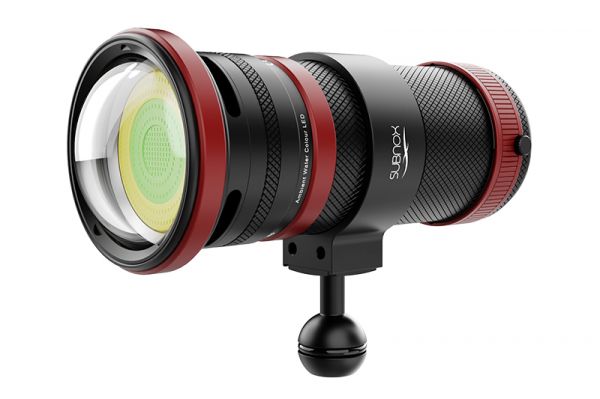
Unveiled at DEMA Show 2024, the SUBNOX brand was founded by professional underwater cameraman Kay Burn Lim, with the aim of creating advanced underwater lighting products designed to meet the needs of working videographers. Now, the new company has put the finishing touches to its first offering—the SUB10KEF, a 10,000-lumen wide-angle video light with some innovative features.
The powerful but compact video light is equipped with a specially designed light head and COB LED that produces three different light outputs. One mode is “traditional” light with a CRI of 93 and a color temperature of 5600K, equivalent to daylight. In the other two “Ambient Blue” modes, the light output is equivalent to ambient light at 6–13 meters (20–43 feet) and ambient light at 13–20 meters (43–66 feet).
As depth increases and water absorbs colors from the light spectrum, white balance controls or red filters are used to restore natural colors, but this causes subjects illuminated by regular (daylight) video lights to appear overly red. Blue filters on video lights results in more natural-looking footage by helping to balance the foreground subject illuminated by the lights and the bluish background. However, the downside is that such filters reduce light intensity significantly.
With its built-in ambient light options, the SUB10KEF provides ambient water color illumination approximately 2.5 times brighter than using physical blue filters. By covering two depth ranges—6–13 meters (20–43 feet) and 13–20 meters (43–66 feet)—at the twist of the rear dial, the SUB10KEF can be used in a variety of daytime lighting conditions as well as at night, when the 5600K (daylight) mode can be used.
The SUB10KEF features an ergonomic 11-step (0–10) magnetic power control ring at the rear, and a rear-mounted LED display showing the brightness level as you turn the power control ring. After setting the brightness level, the display defaults, after five seconds, to the remaining burn time in minutes for the selected brightness level. The video light’s air-travel safe 72Wh battery pack can be charged from 0–80% in two hours and to 100% in three hours.
Shipping late May, the SUBNOX SUB10KEF is priced at $800.
PRODUCT INFORMATION
SUB10KEF Wide Angle Video Light – 10,000 Lumens With Daylight 5600K & Ambient (BLUE) Water Colour
$800.00 USD
The SUB10KEF is a compact 10,000 lumens (93 CRI) wide angle video light with the patented ability to switch between a daylight colour (5600K), and ambient water colours for 6–13m or 13–20m.
Patented Light Head
With the patented specially designed light head and COB, It does not require any physical blue filters to achieve this specially tuned ambient water colour illumination. This allows the torch to be used at various depths and lighting conditions night or day. (Ambient blue is not required for night dives).
Power Control Ring
The SUBNOX SUB10KEF utilizes a large 11 step (0-10) magnetic power control ring ergonomically located at the rear of the torch. This allows for smooth, effortless and intuitive control over the brightness level.
The rear mounted power control ring is designed for one handed use in a single motion over a 180 degree turn of the ring. It is designed for easy use even with thick gloves. No more reaching over your torch to press buttons, or fiddling with tiny control knobs. Just grab and twist!
Light Colour Selector & Power Switch
The rear knob below the LED display allows users to switch between the 3 light options:
5600 Kelvin (Daylight)
Ambient Blue (6–13m)
Ambient Blue (13–20m)
The button at the center of this knob functions as the master switch for powering the SUB10KEF On or Off.
LED Display
The rear mounted LED display shows the brightness level as you turn the power control ring.
Once the brightness level is set, the display will default after 5 seconds to the remaining burn time (battery level in minutes) for the brightness intensity chosen. A simple 4 bar battery icon is also displayed for all settings.
3 different LED indicators display the current colour settings. 5600K, Ambient Blue (6–13m), Ambient Blue (13–20m).
USB-C Rechargeable Battery
The Battery pack for the SUB10KEF utilizes a fast charging USB-C controller that allows the battery to be charged from 0–80% within 2 hours (full charge from empty requires 2 hours 45 minutes) and is rated at an air-travel safe 72Wh.
Each battery pack provides enough power for 35 minutes of continuous use at maximum brightness for the 5600K light setting, or 1 hour at 70% brightness settings.
The battery pack will last for 55 minutes at 100% brightness when used with the ambient water colour settings.
For maximum charging speeds. Please use a high quality 40W USB-C charger (Not included). A high speed USB-A to USB-C cable is included.
All batteries come with silicone protective cases for travel and protection of battery contact terminals when not in use.
Specifications
Lumens (5600K LED): 10,000
Beam Angle: 128 degrees underwater
CRI (5600K LED): 93Ra
Ambient Water Colours Built in: Ambient Blue 6–13m, Ambient Blue 12–20m
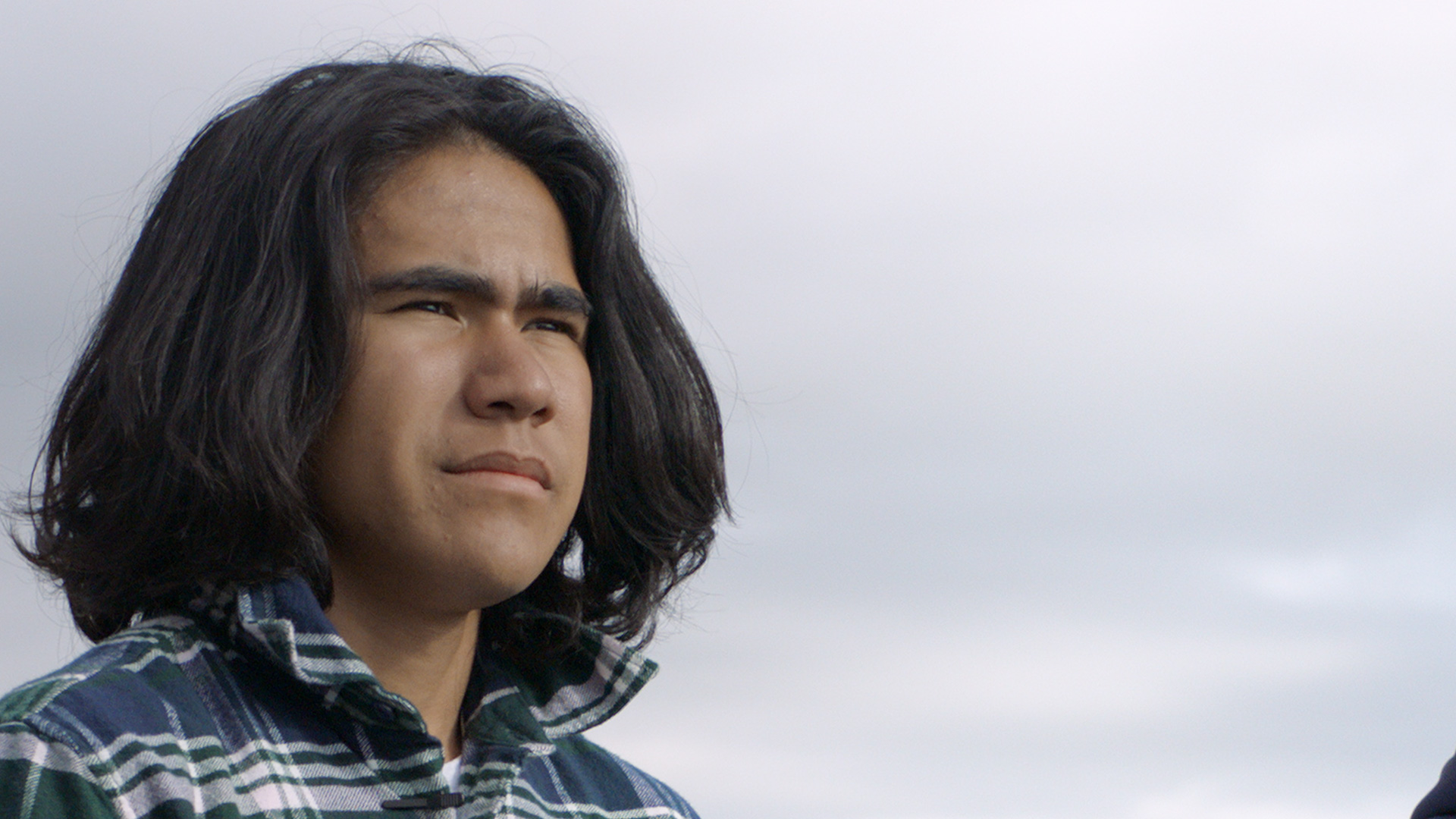
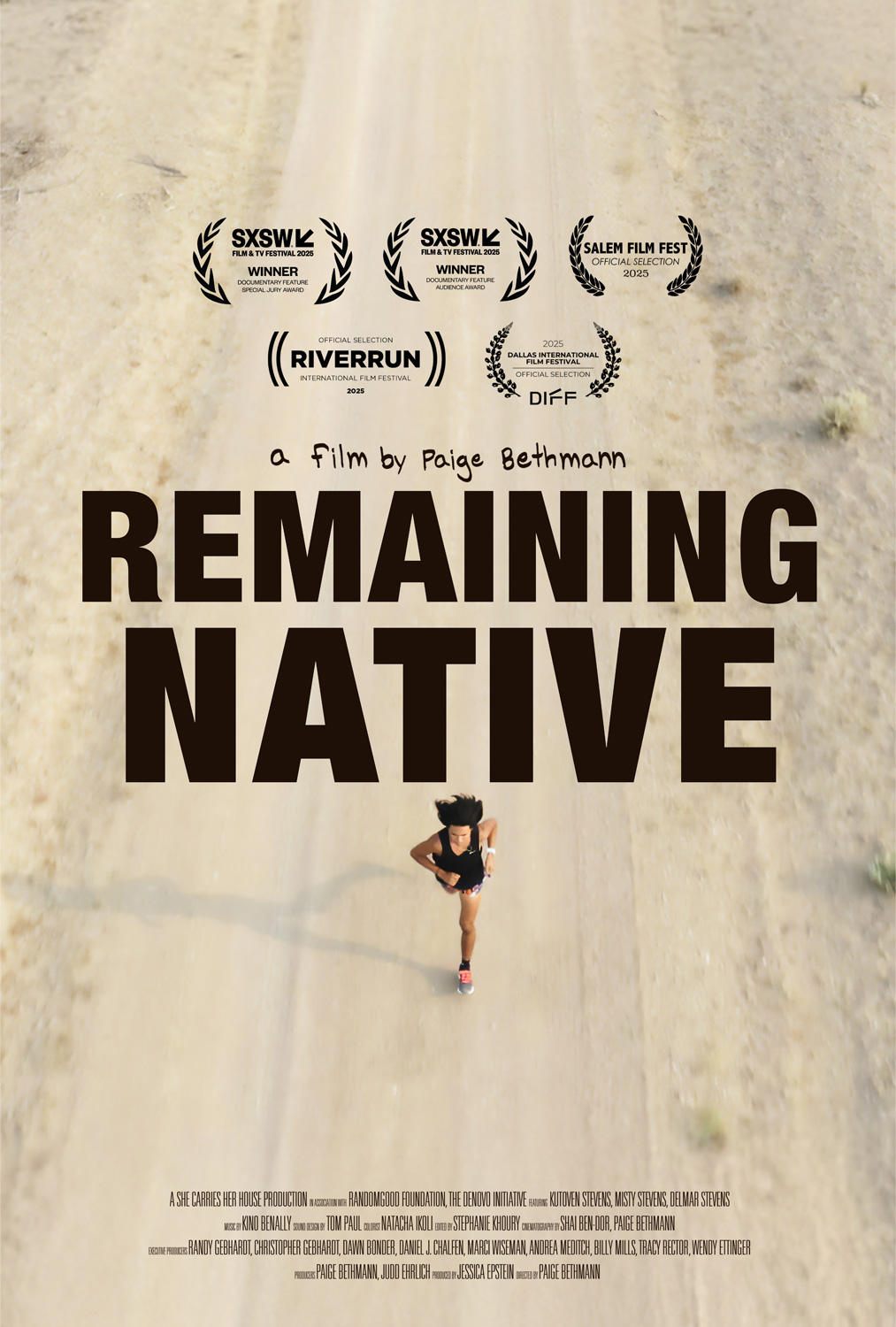
Remaining Native is a feature-length documentary which just had its world premiere at SXSW Film & TV Festival, where it was recognized with both the Special Jury Award and Audience Award for a documentary feature. Sigma is a sponsor of the film, which was shot exclusively on Sigma lenses, including Cine Primes, as well as Art, Sports and Contemporary lenses. We conducted the following interview via videoconference after its debut. The following interview has been edited for brevity, clarity and flow, and has been approved for release by all involved parties.
Introducing Paige Bethmann and her filmmaking journey
Paige Bethmann is a Haudenosaunee woman and first-time feature filmmaker. Originally from upstate New York, she relocated to Reno, Nevada to make Remaining Native where she currently resides. Paige has worked in non-fiction television for various digital and broadcast networks such as ESPN, PBS, Vox Media, YouTube Originals, USA, and NBC for over 10 years. Paige was recently named one of DOC NYC’s 40 under 40 Documentary filmmakers to watch and has been supported and recognized by the Sundance Edit & Story Lab (2023), The New America Fellowship (2024), and The DocLands DocPitch (2023) – just to name a few. She is a graduate of Ithaca College, with a bachelor’s degree in Film, Television, and Radio from the Park School of Communications.
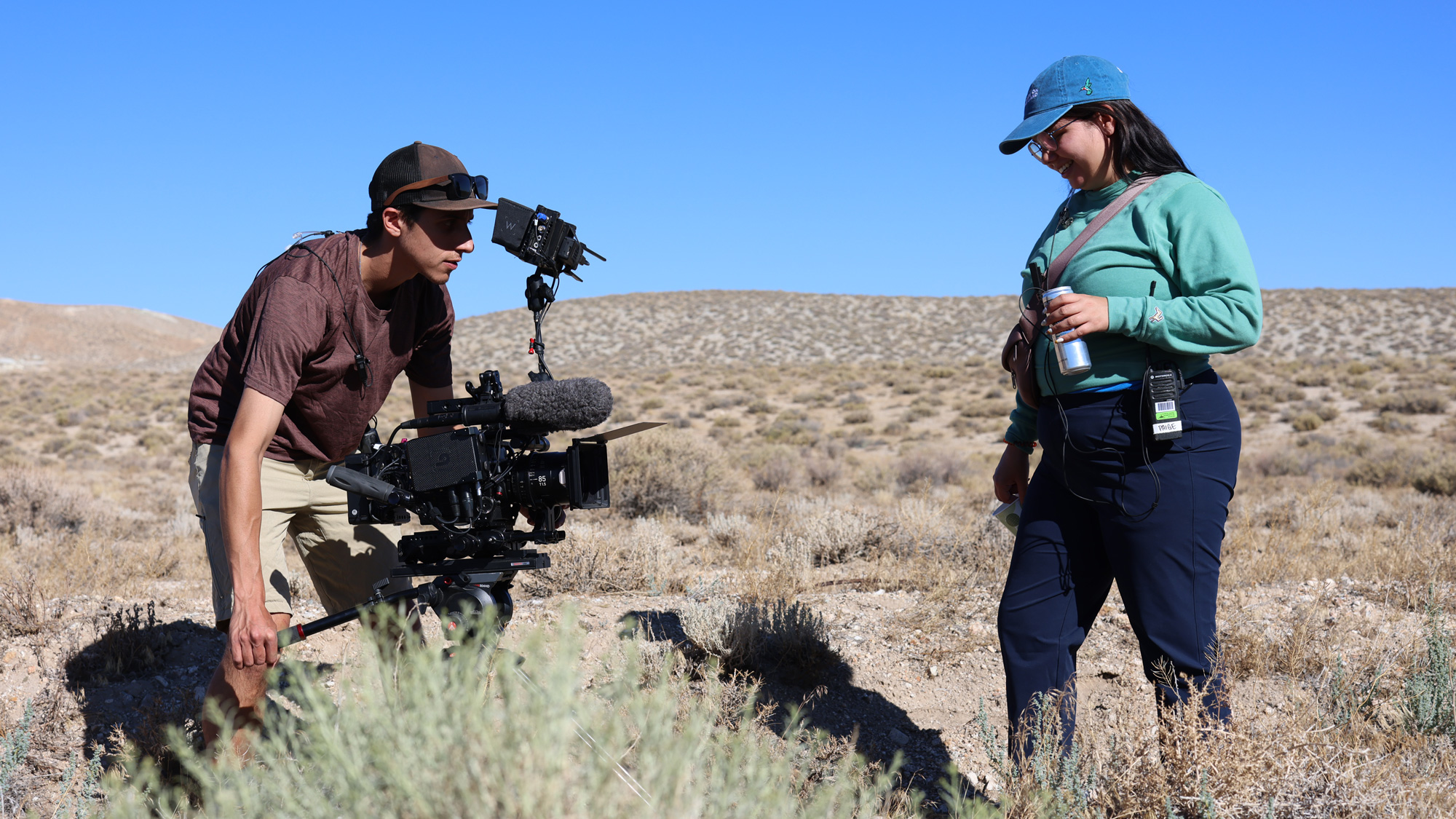
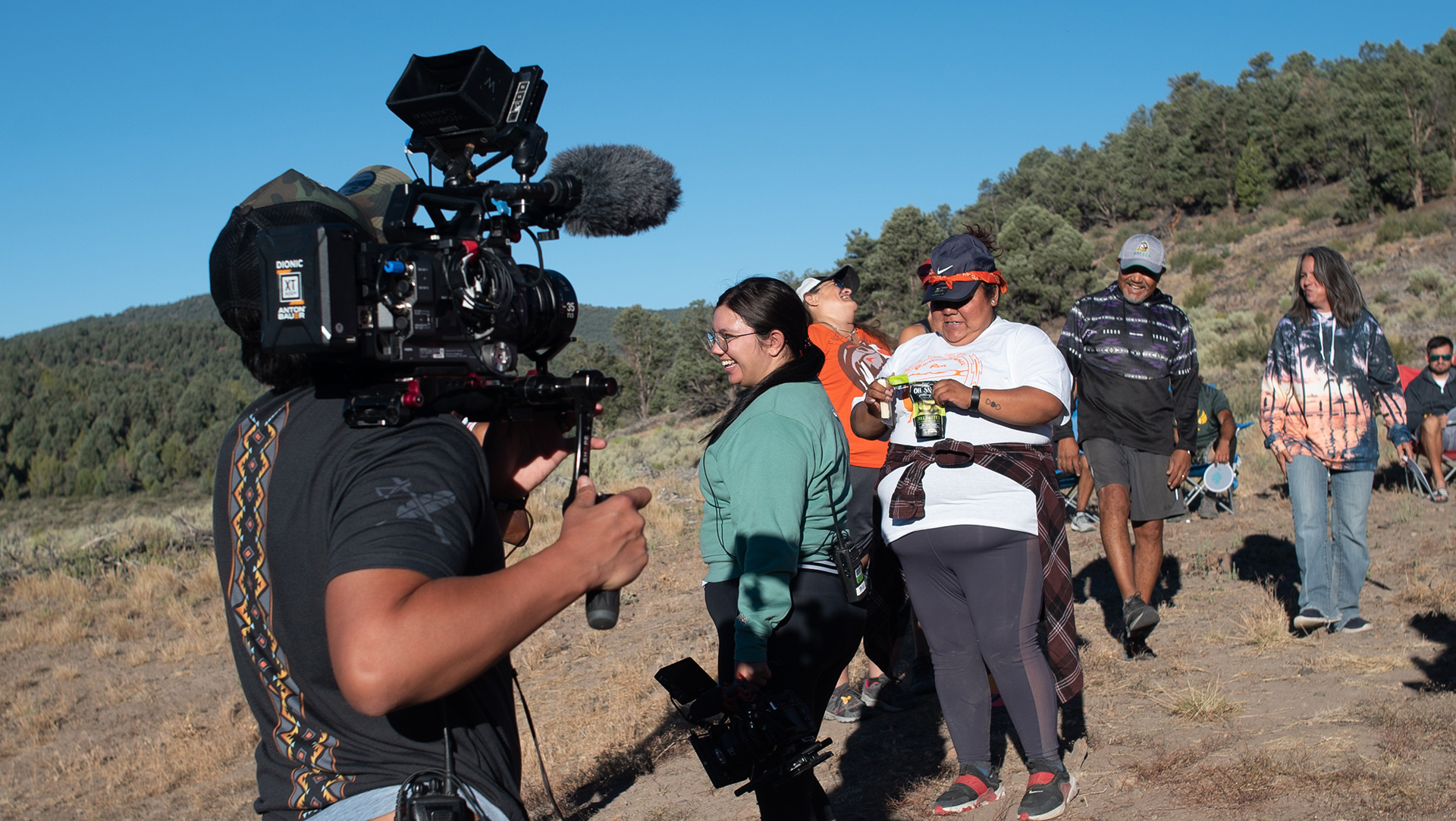
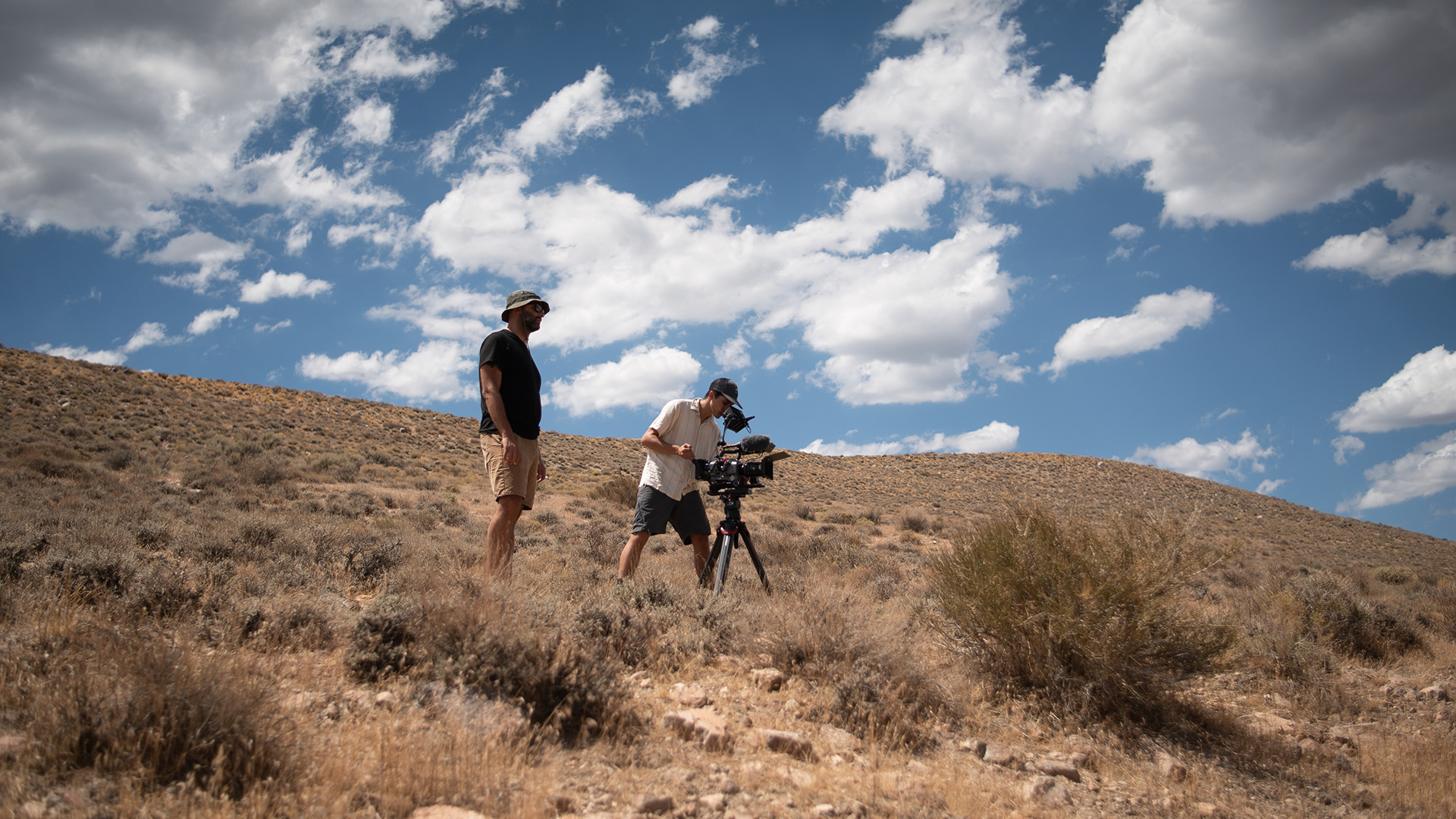
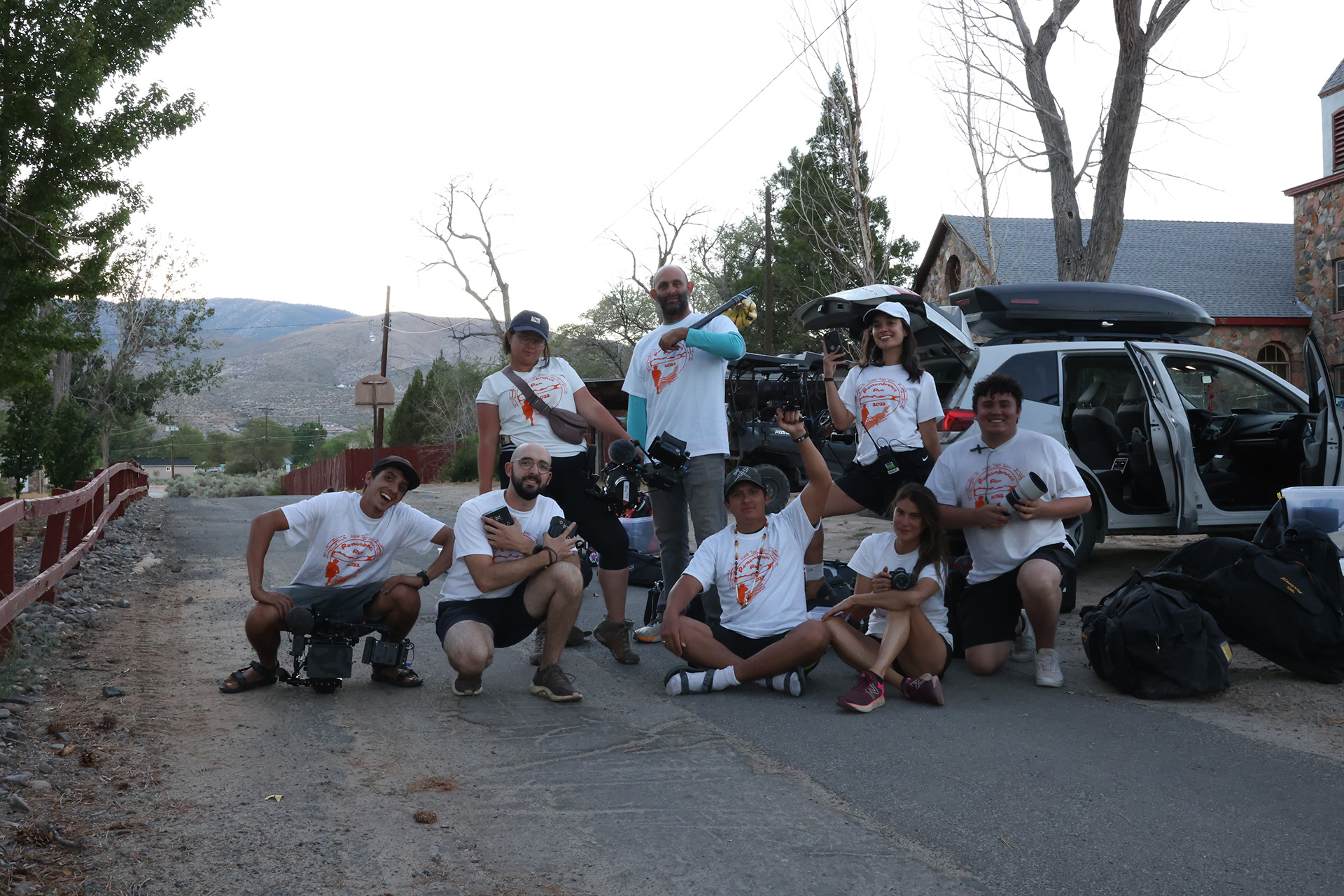
Bethmann during the filming of Remaining Native
Sigma:
Congratulations on your directorial debut, Remaining Native which has already gone on to win two major awards at SXSW – the Audience Choice Award AND the Documentary Feature Special Jury Award after several years in the making. Shortly, it will also go on to screen at the Salem Film Festival in MA at the end of March and the Riverrun Film Festival in NC, plus a few other selections we can’t quite announce but are equally prestigious. How does this all feel?
Bethmann:
It’s really surreal.
This project has been a long time in the making, and it’s been four years of trying to figure out how to tackle something as profound and big as Indian boarding schools—but in a way that is through the eyes of a 17-year-old kid and stays true to his family and his story.
A lot of time and care has gone into this, and it feels amazing to have accomplished what we set out to do and to have everyone come together at SXSW. We had a crew of around 30 people come out to Austin to be there and support us, and it just felt magical to feel the responses from the audience—to have so many people connect with the film.
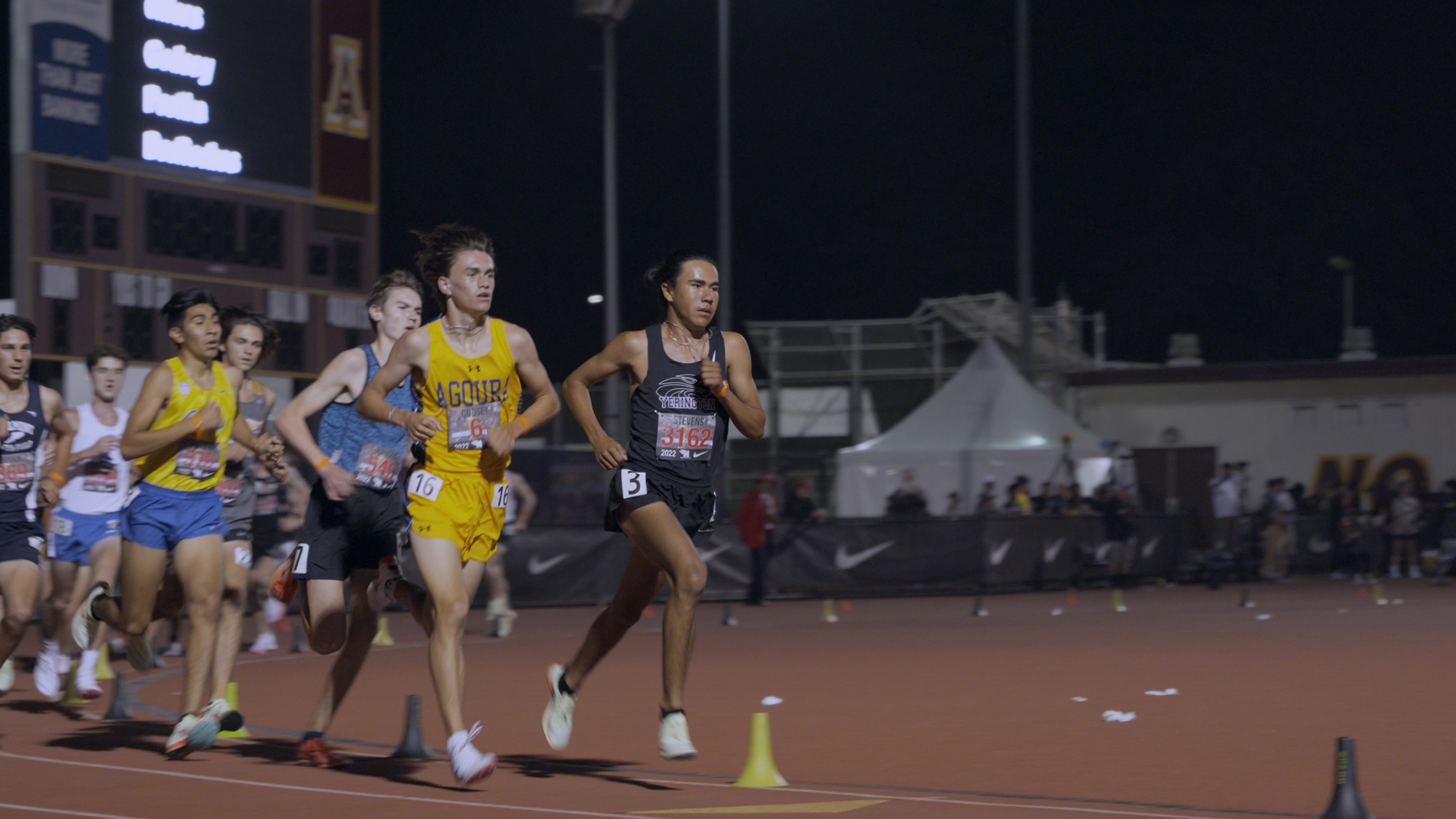
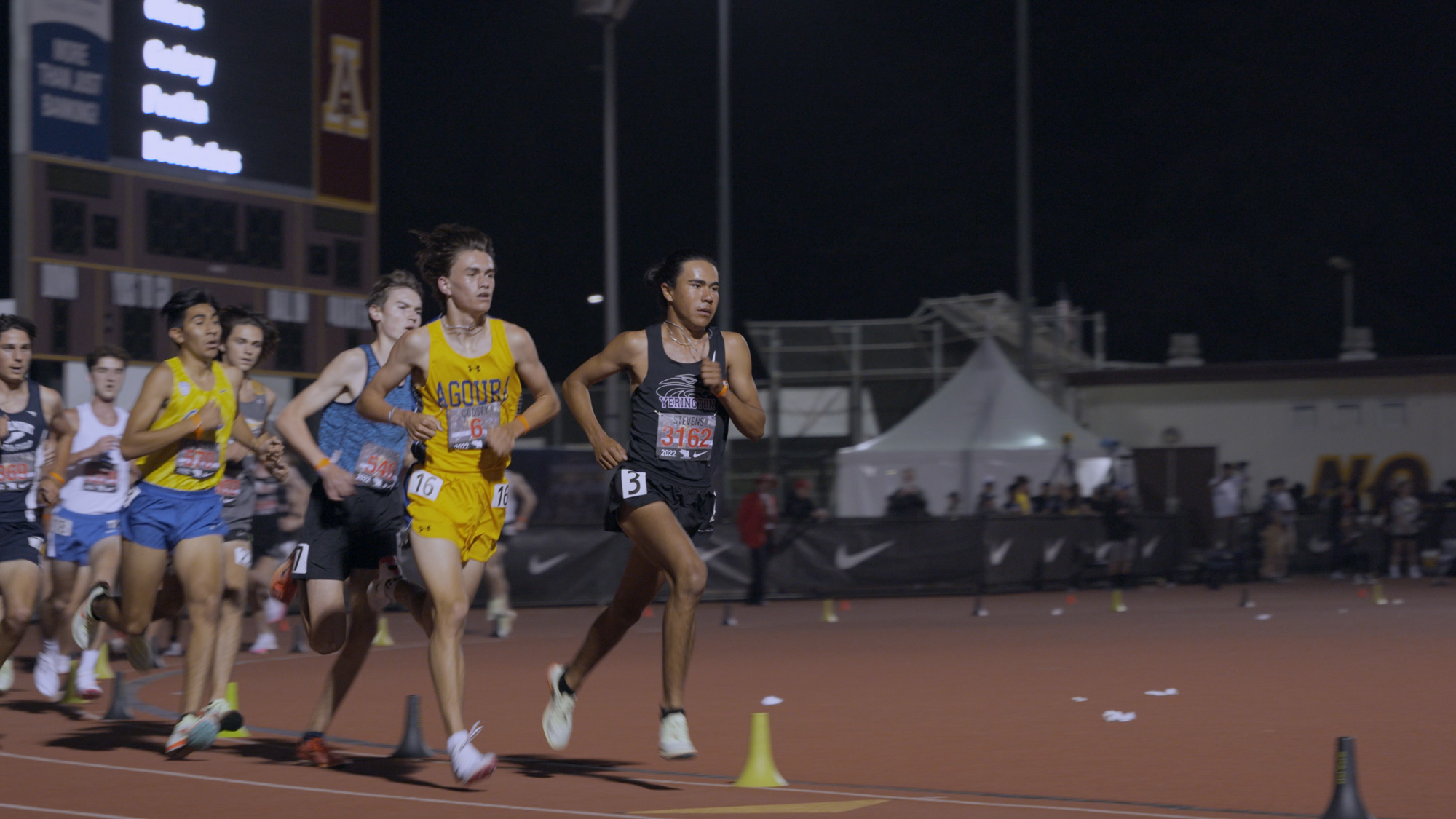
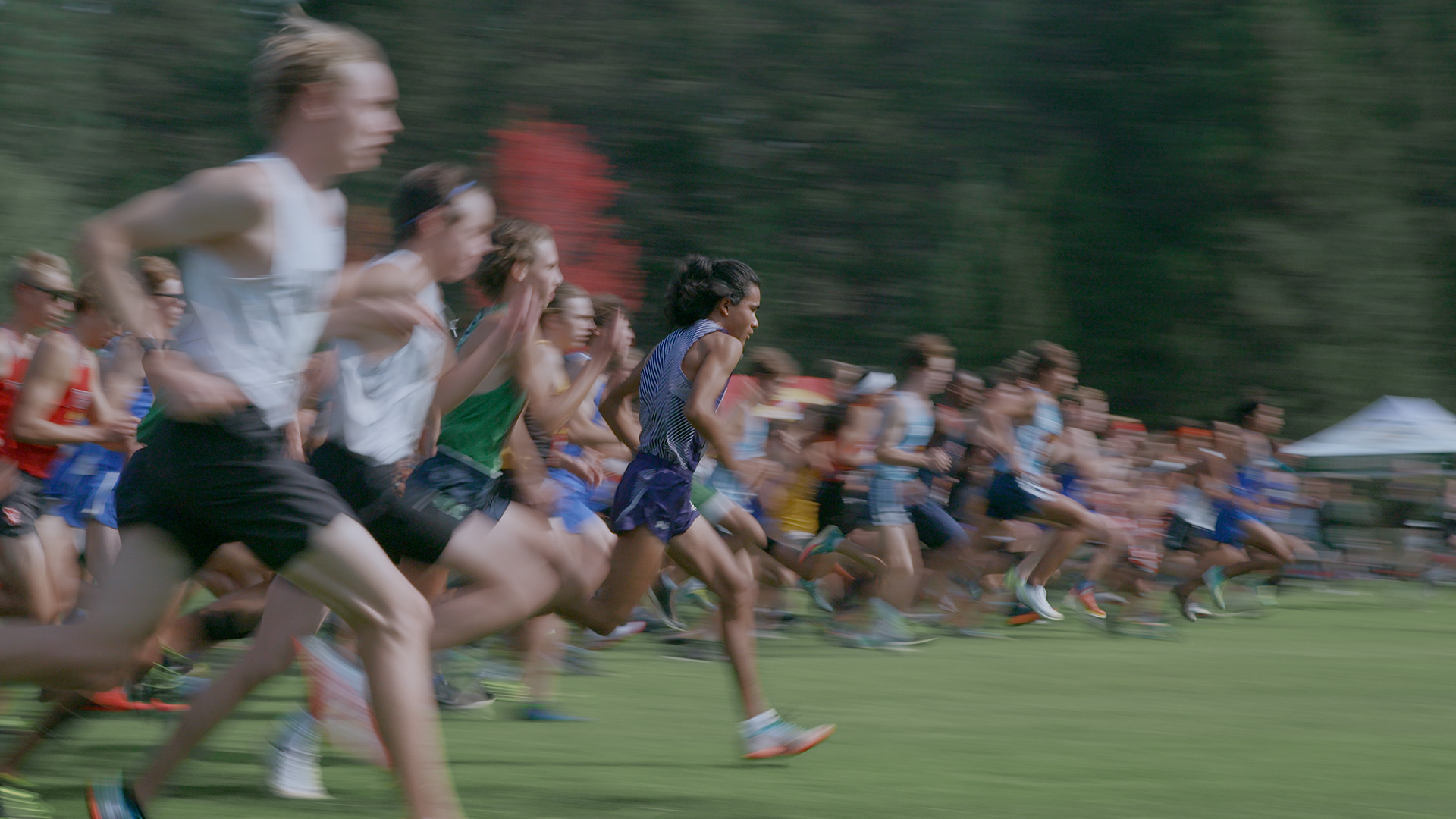
We also hosted a 5K run alongside Nike and had over 600 people sign up. So, you know, you don’t even have to be interested in the topic of the film to connect with it—if you’re a runner or interested in sports, there’s another way in.
We’re just excited to finally share it, to connect with so many different audience members, and to be validated—not just by the awards, which are nice, but also by the community we’ve been building along the way.
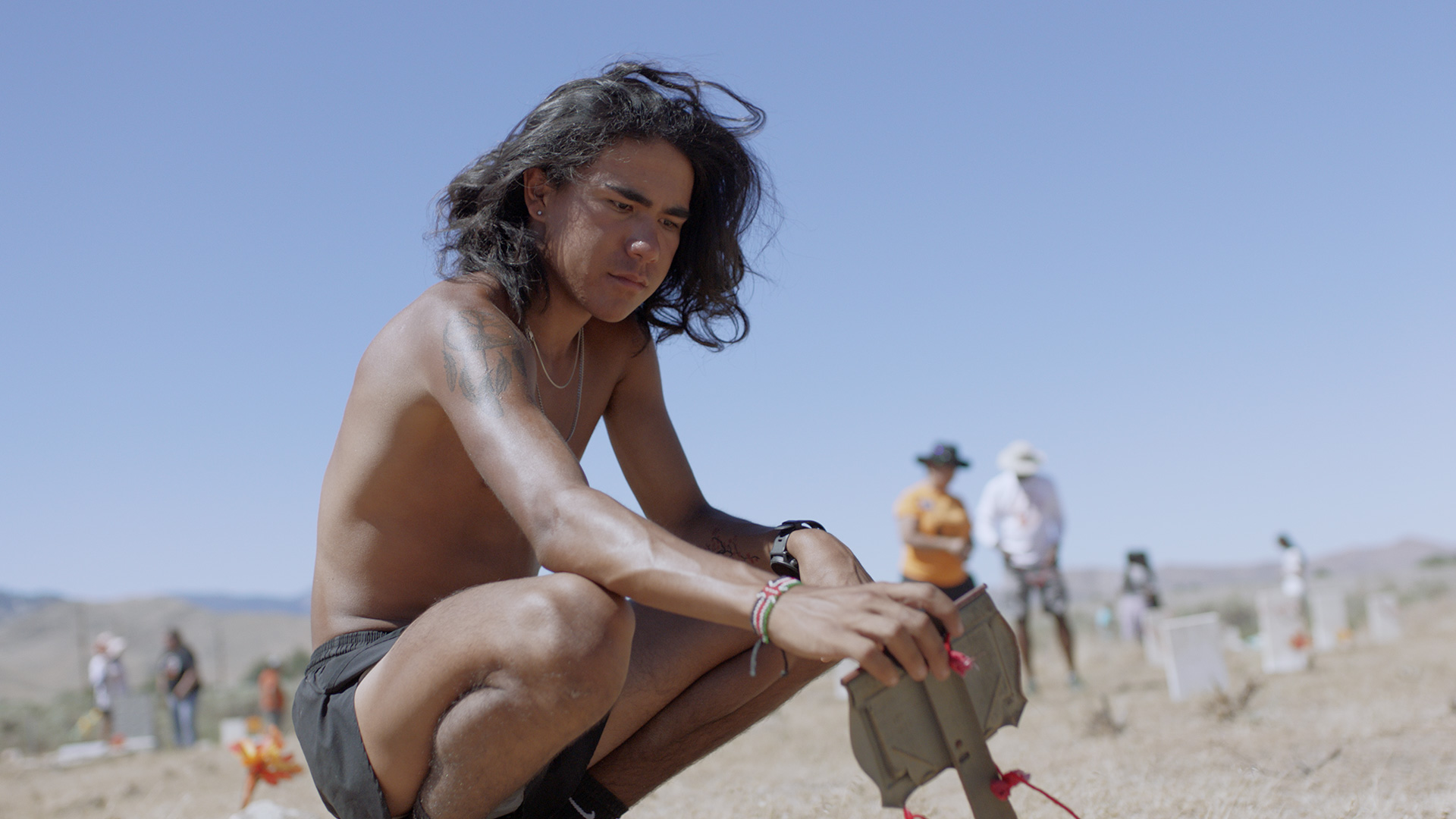
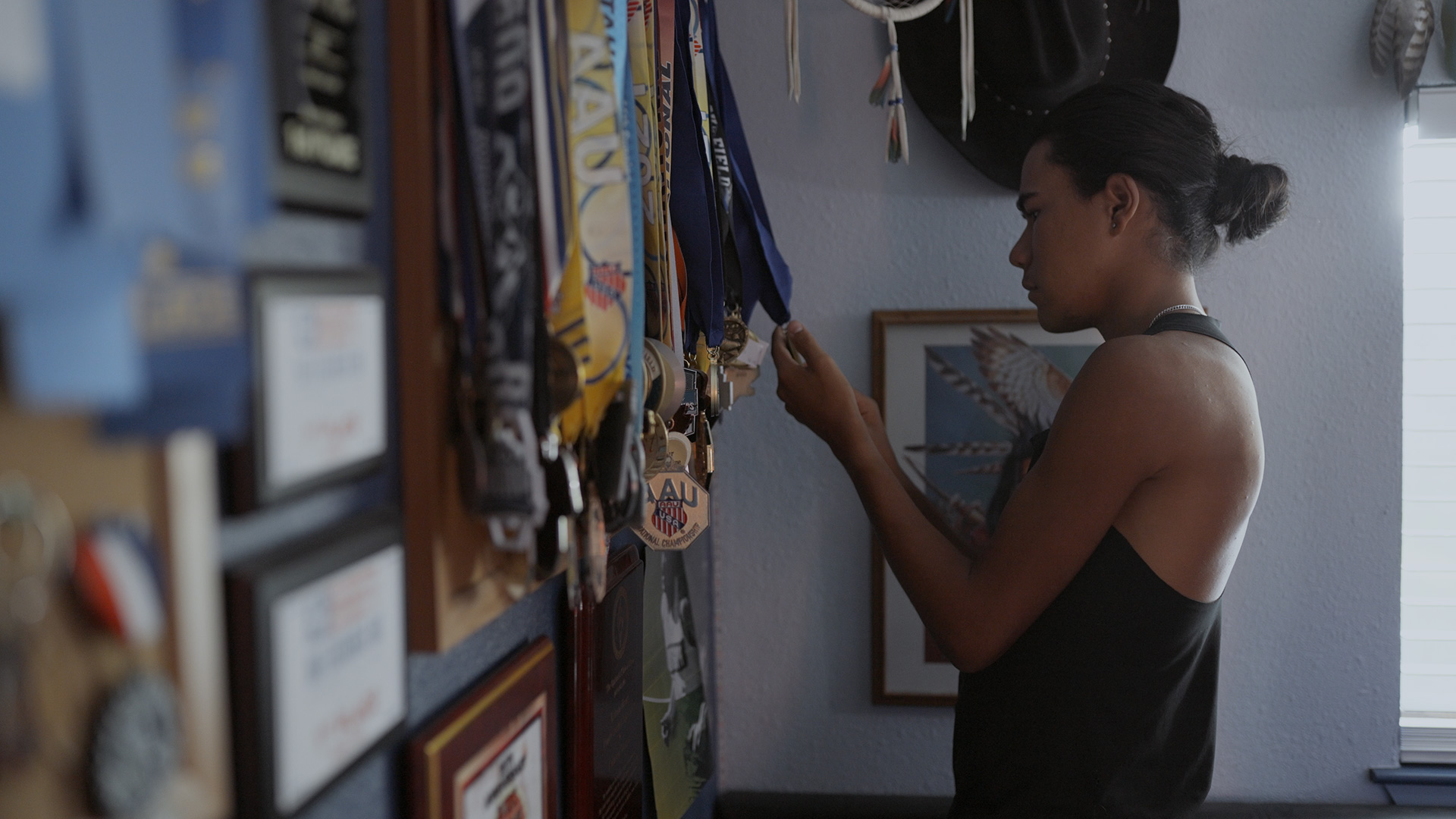
Scenes from Remaining Native
Sigma:
You quote your grandmother in the pitch deck of this film who told you, “Stories are spoken. Words fall off the tongue and onto the land to seep into the dirt. These stories root down and grow back sprouting as living beings to be cared for and harvested as memories to be passed down again and again…”
These are such resonant, evocative words and after watching and reflecting on Remaining Native, feel so appropriate both narratively and visually, taking place in the desert of America’s west. One of the most significant themes in the film deals with generational legacy, and visually, the land, the setting itself, plays a crucial role in that story. Did you find that any particular Sigma lenses helped capture the vastness of the desert landscapes, or conversely provided more intimacy in moments of reflection and storytelling?
Bethmann:
Yeah, I mean, great question. You know, the land plays essentially a character in the film, and it deserves the same sort of weight and craft as the rest of the characters. I think what we wanted to make sure of was that we were able to capture it in a way that was as dynamic and beautiful as the landscape itself.
The Sigma Cine lenses—we shot a lot on the prime lenses, a lot on the 24mm for those wide shots, and the 35mm to make sure we were able to capture the scope of the land and to have it just be profound.
Scenes from Remaining Native
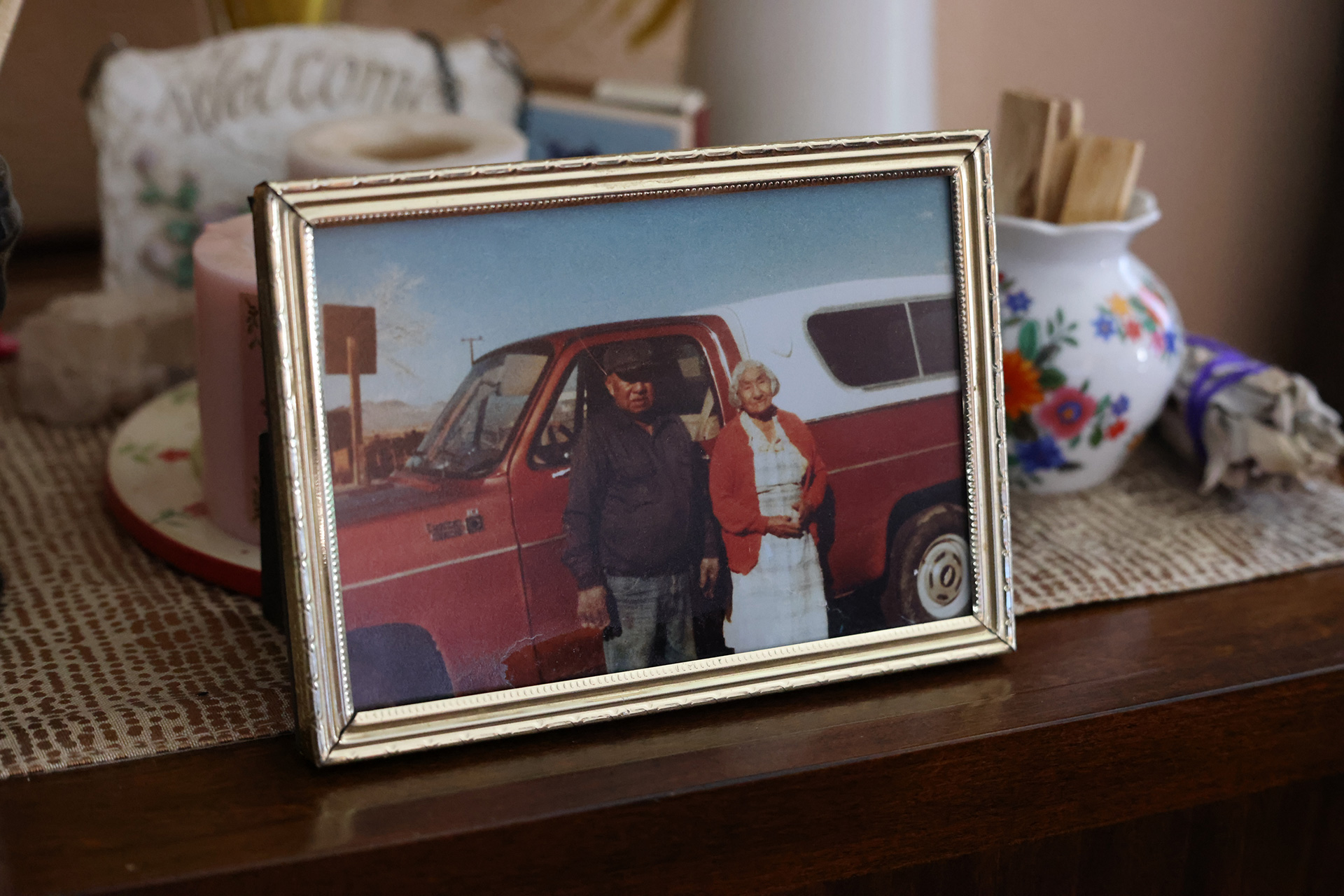
You know, our stories are held by the land. Like you quoted my Grandmother—those stories weren’t written down in books. They really are passed down through an oral tradition, and the place in which our stories are told is so important. So to be out there in the desert and to actually understand that we were walking on a memory of his great-grandfather and all of his (Ku’s) ancestors—we wanted to make sure we were paying respect to that place.
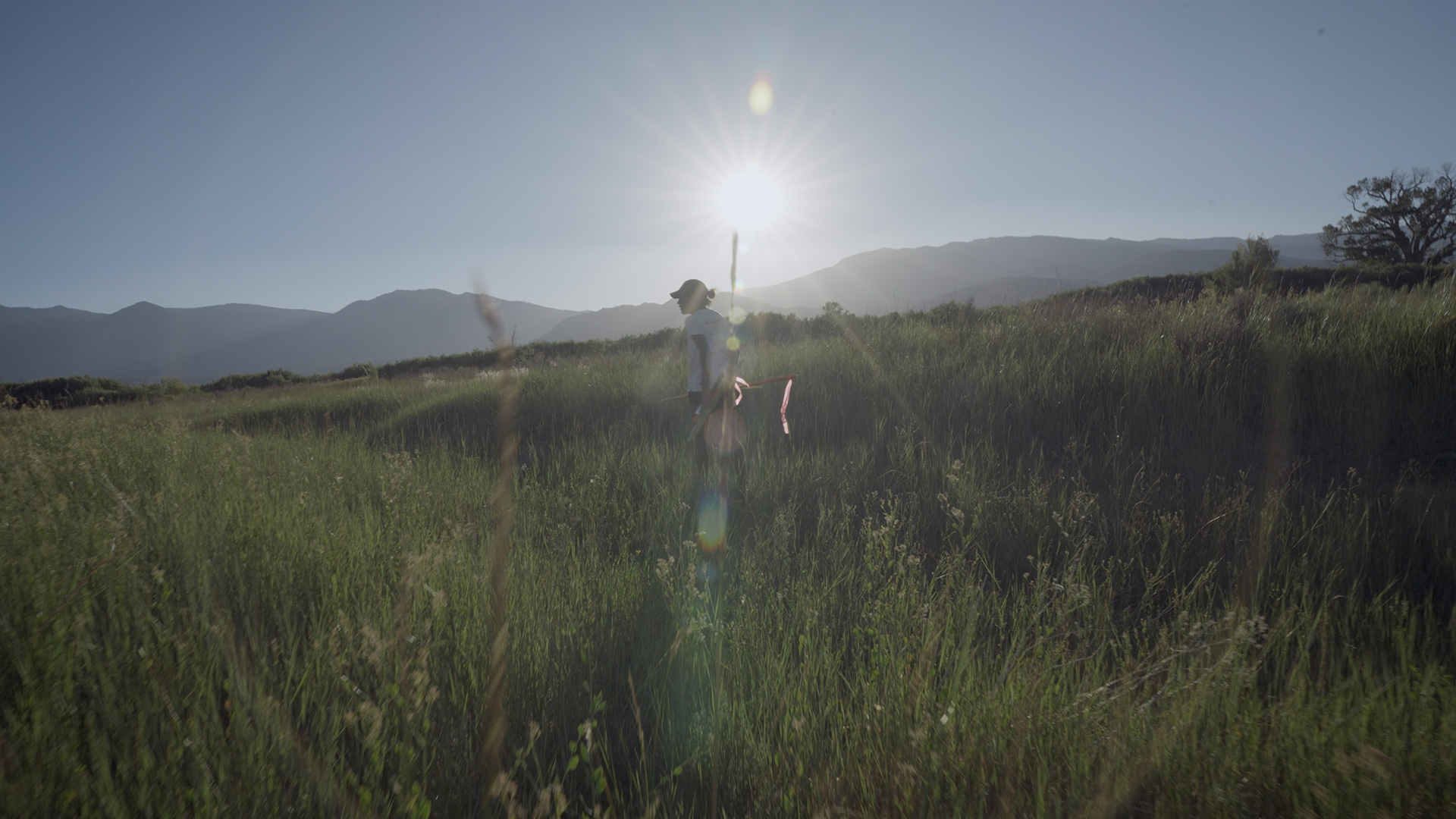
To be able to shoot really wide on those lenses—and then we actually went out again for a third year of the Remembrance Run and shot purely just texture. So we were actually using a lot more of the close 85mm lenses. We were trying to get really close to things like dirt and dust, looking for the sun flares, looking for texture. For example, the pine nuts—we had a shot in there of the crystallizing of the pine nuts, which are a traditional food of the Paiute people. We wanted to make sure we were able to get as many details as possible.
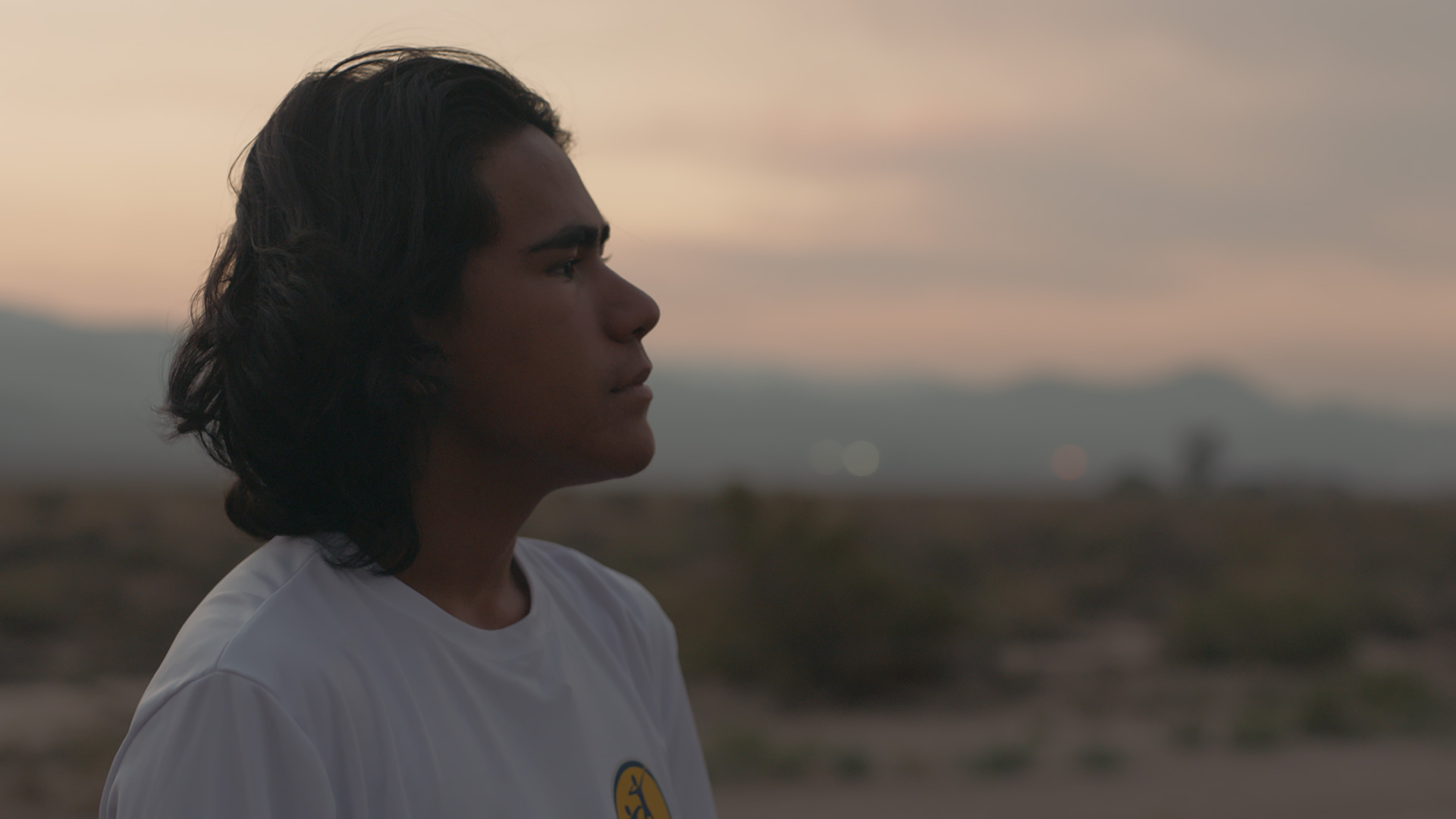
Scene from Remaining Native
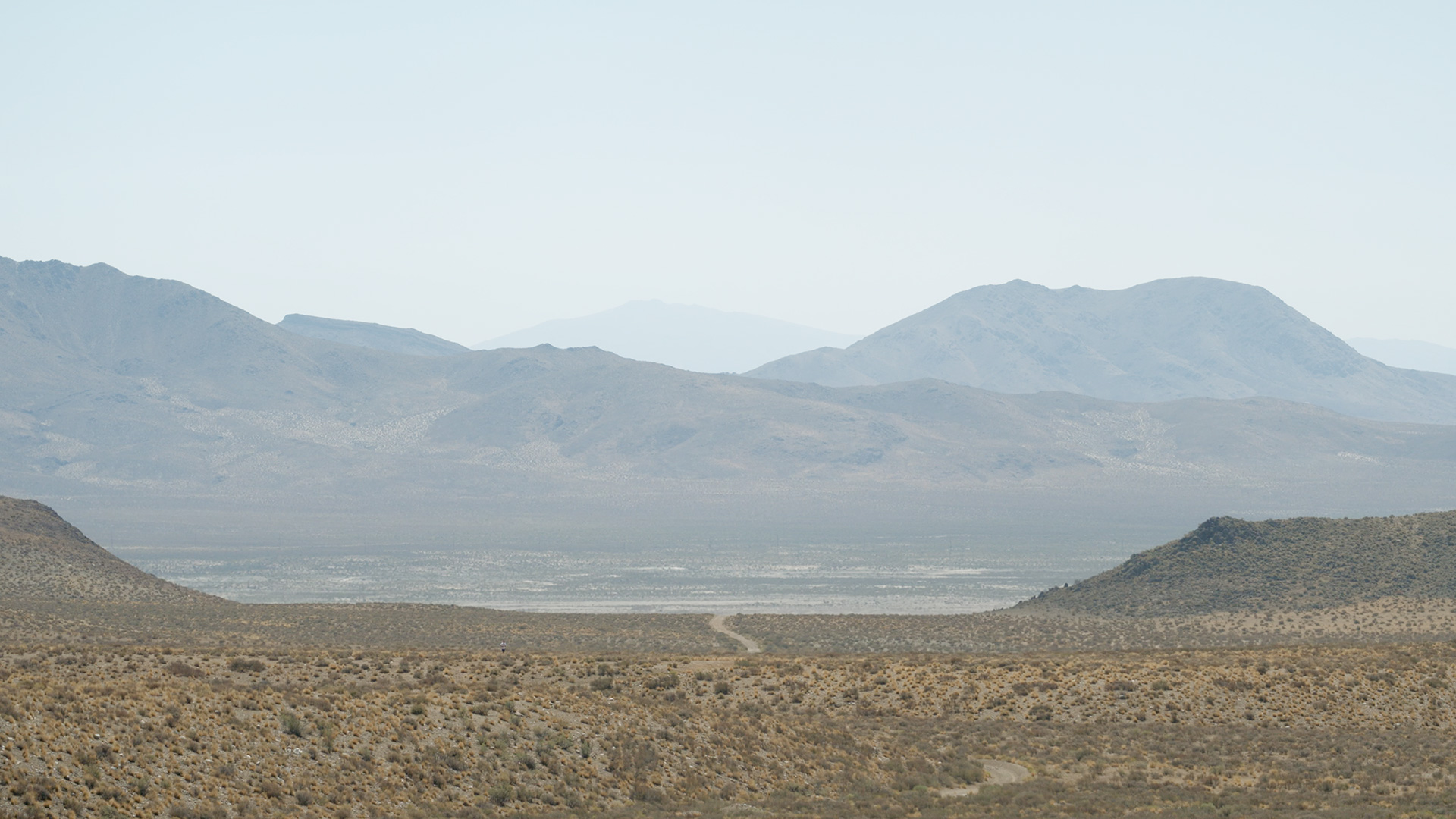
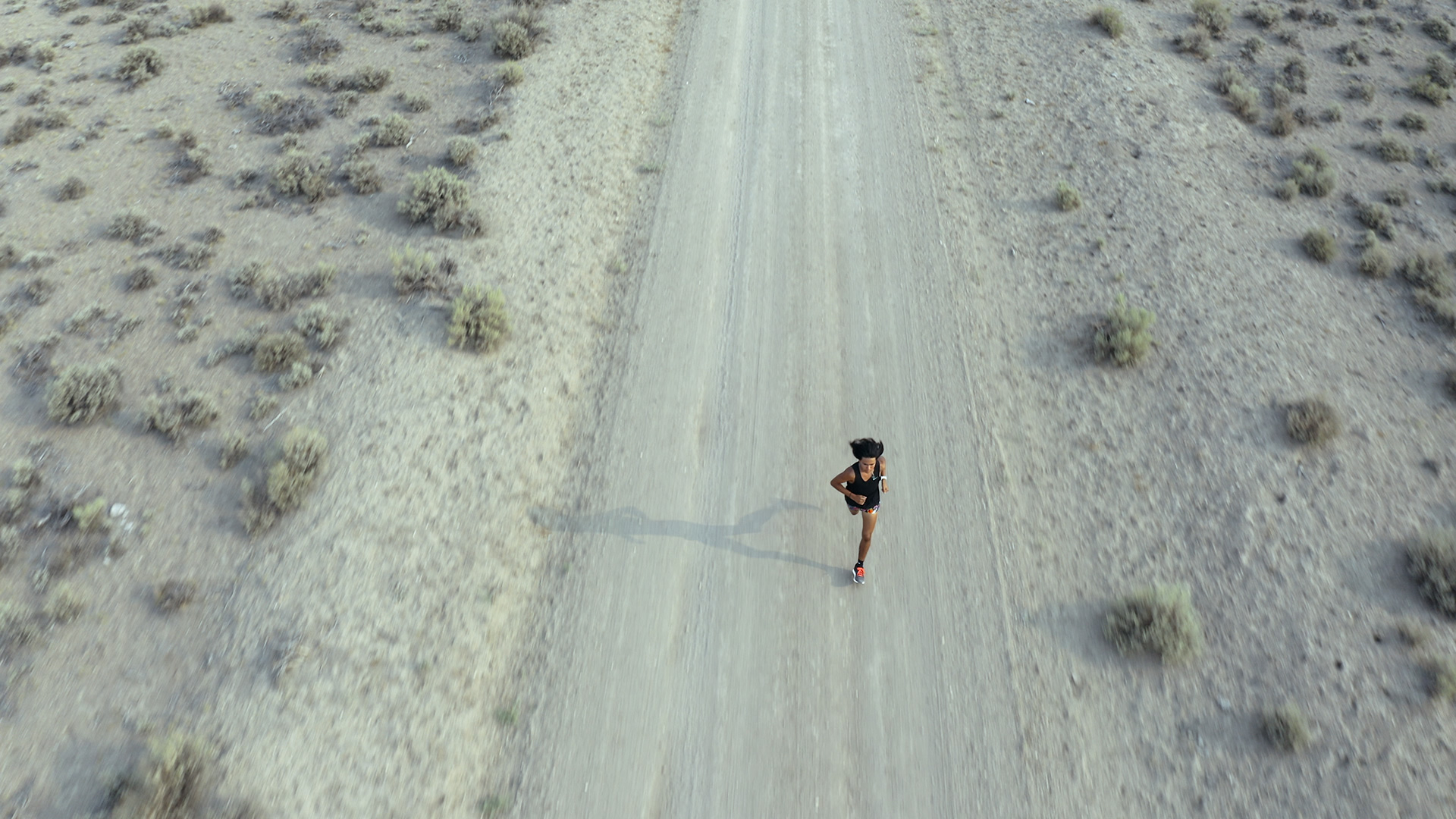
Also, we were shooting on some of the photo lenses as well. We shot a lot on the Sigma 100-400mm F5-6.3 DG DN OS | Contemporary, which came in handy when it came to these long, wide shots that were, you know, compressed—to be able to get the vastness of the desert and see how hot it was. I’m sure you saw the heat waves happening in the background of a lot of these shots.
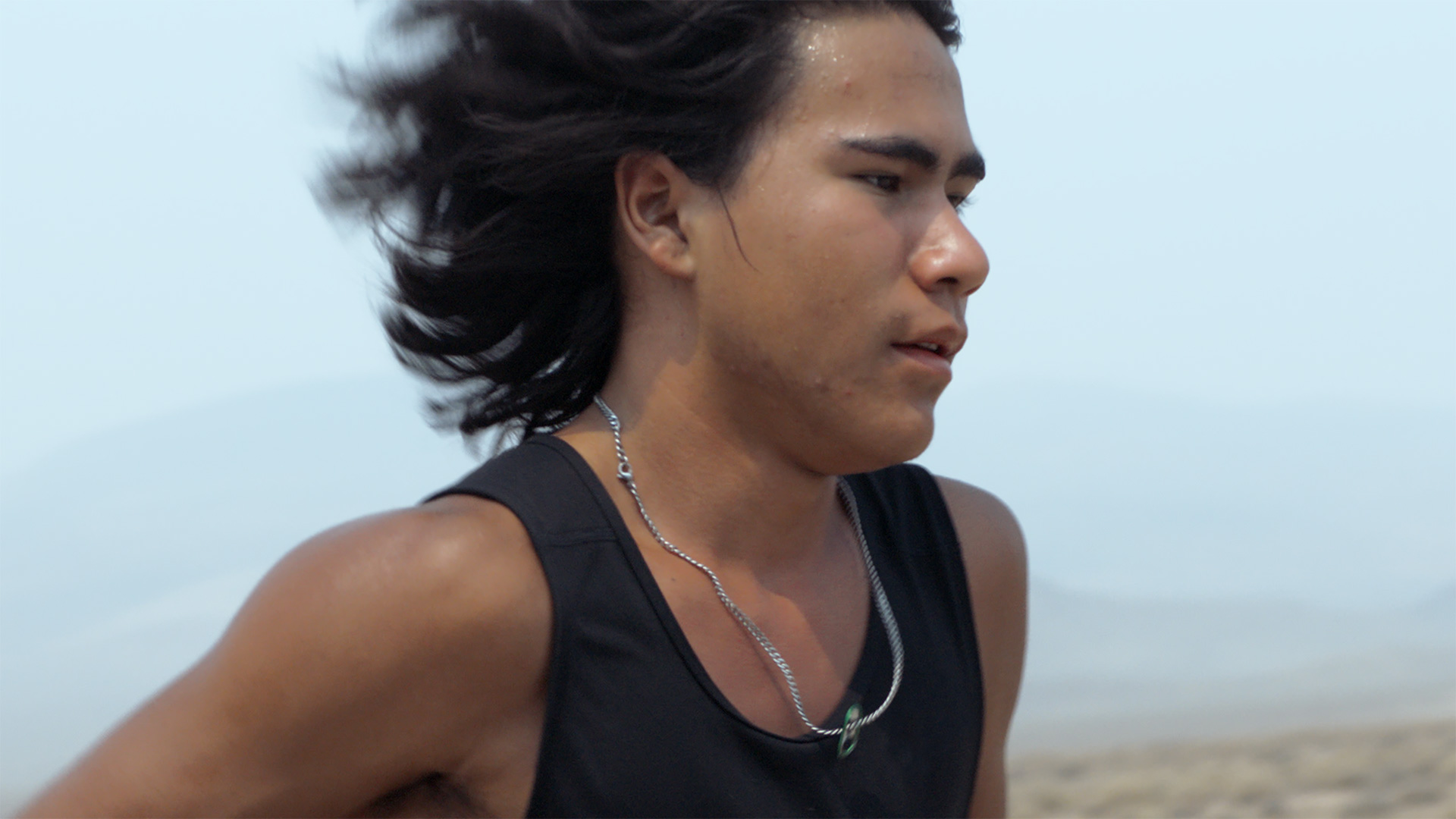
And also, keeping up with a runner—it’s very difficult to film running because you’re constantly chasing after them. We had to get really creative in how we wanted to shoot Ku, because he’s also so graceful as he runs. He’s so beautiful when he runs, and it’s hard to show the effort sometimes—to show how hard he’s actually working.
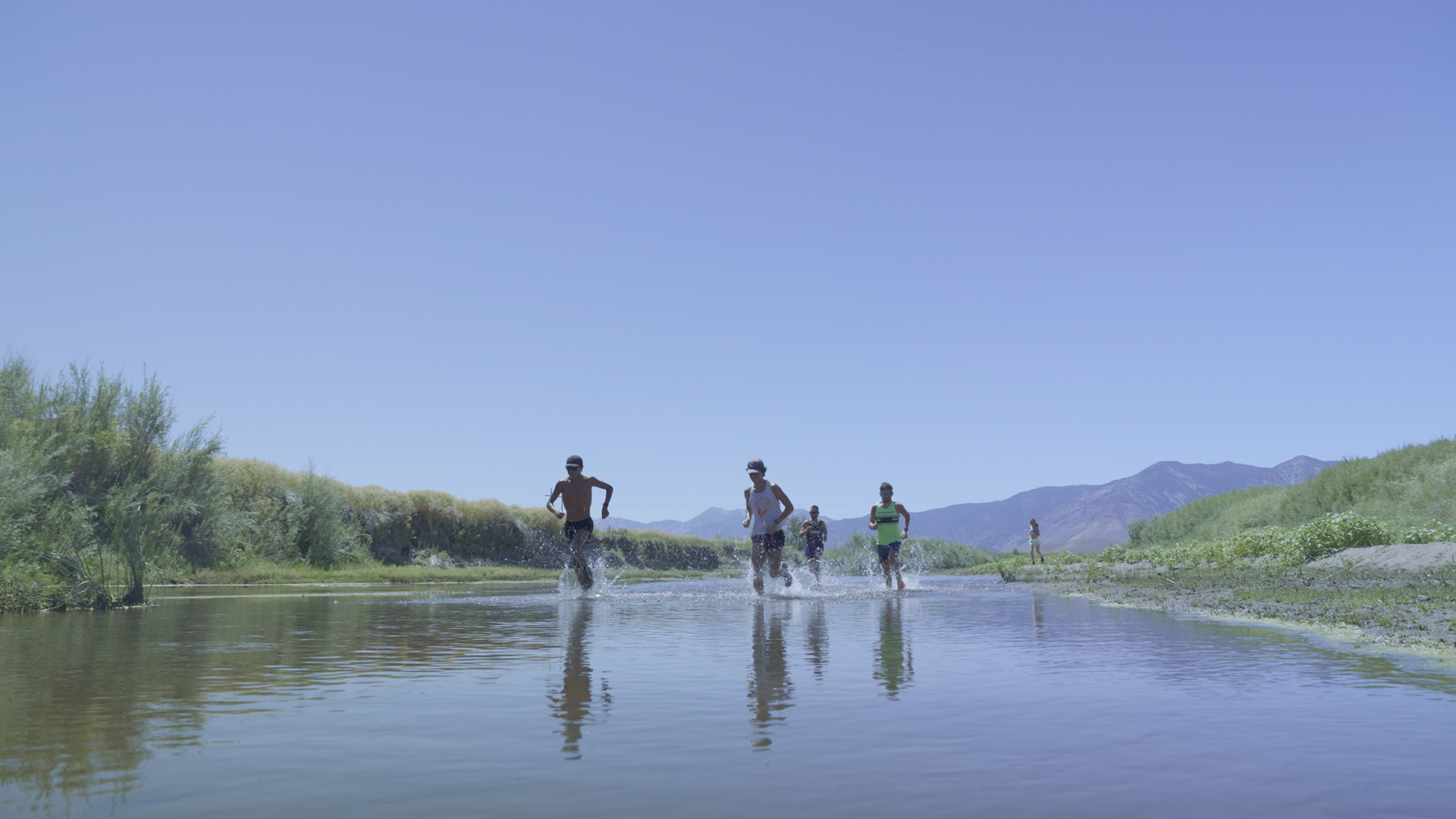
So, to be able to do that on the lenses, true to what was happening in real life—what we were seeing was a pure reflection in the lenses. We were able to capture his effort, to be right up close with him, as well as do things creatively—like filming shadows on the land and filming a silhouette shot of running alongside your ancestor.
So yeah, it was fun to play with such a wide range of lenses to be able to do all of it.
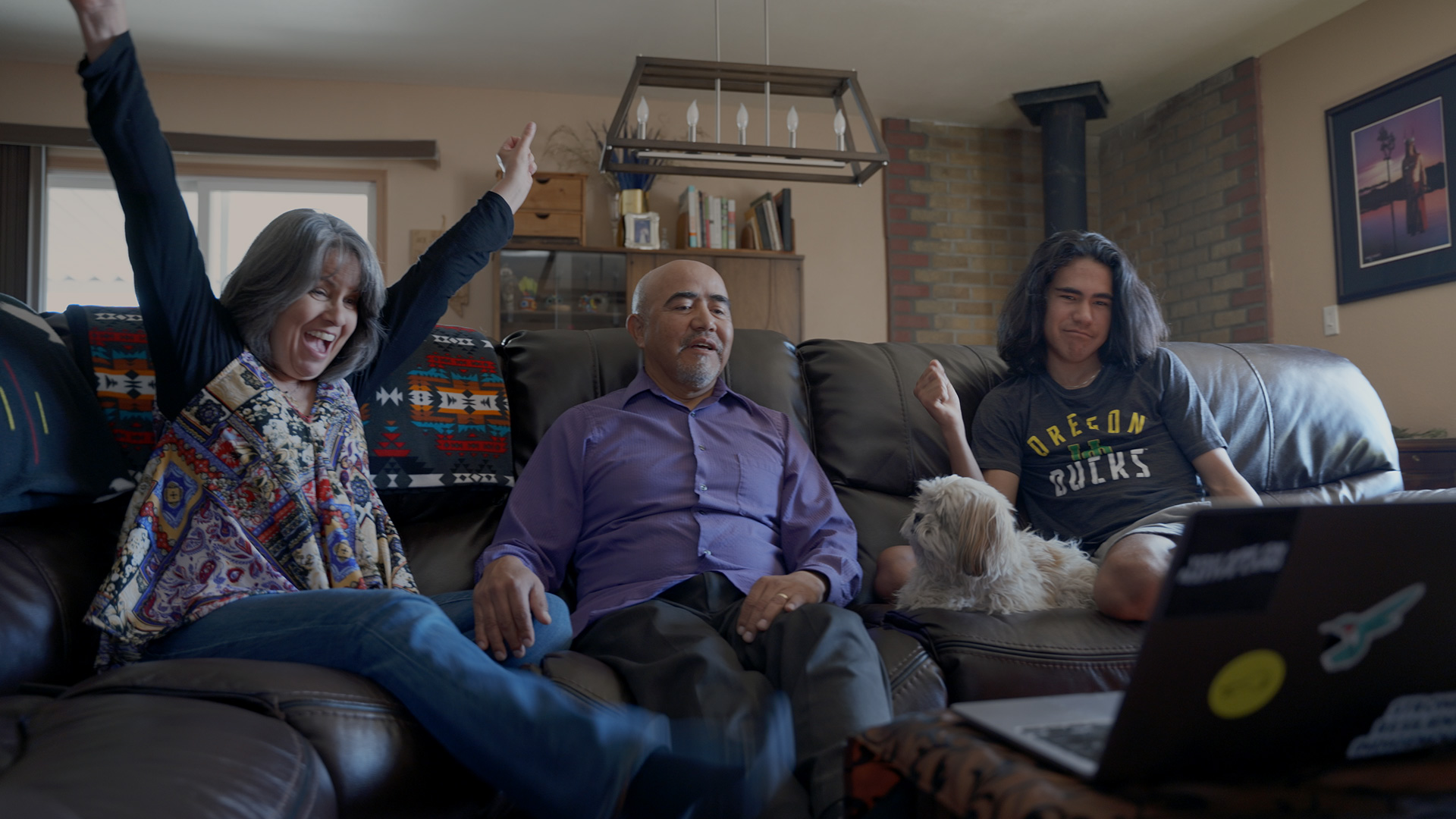
Scenes from Remaining Native
Sigma:
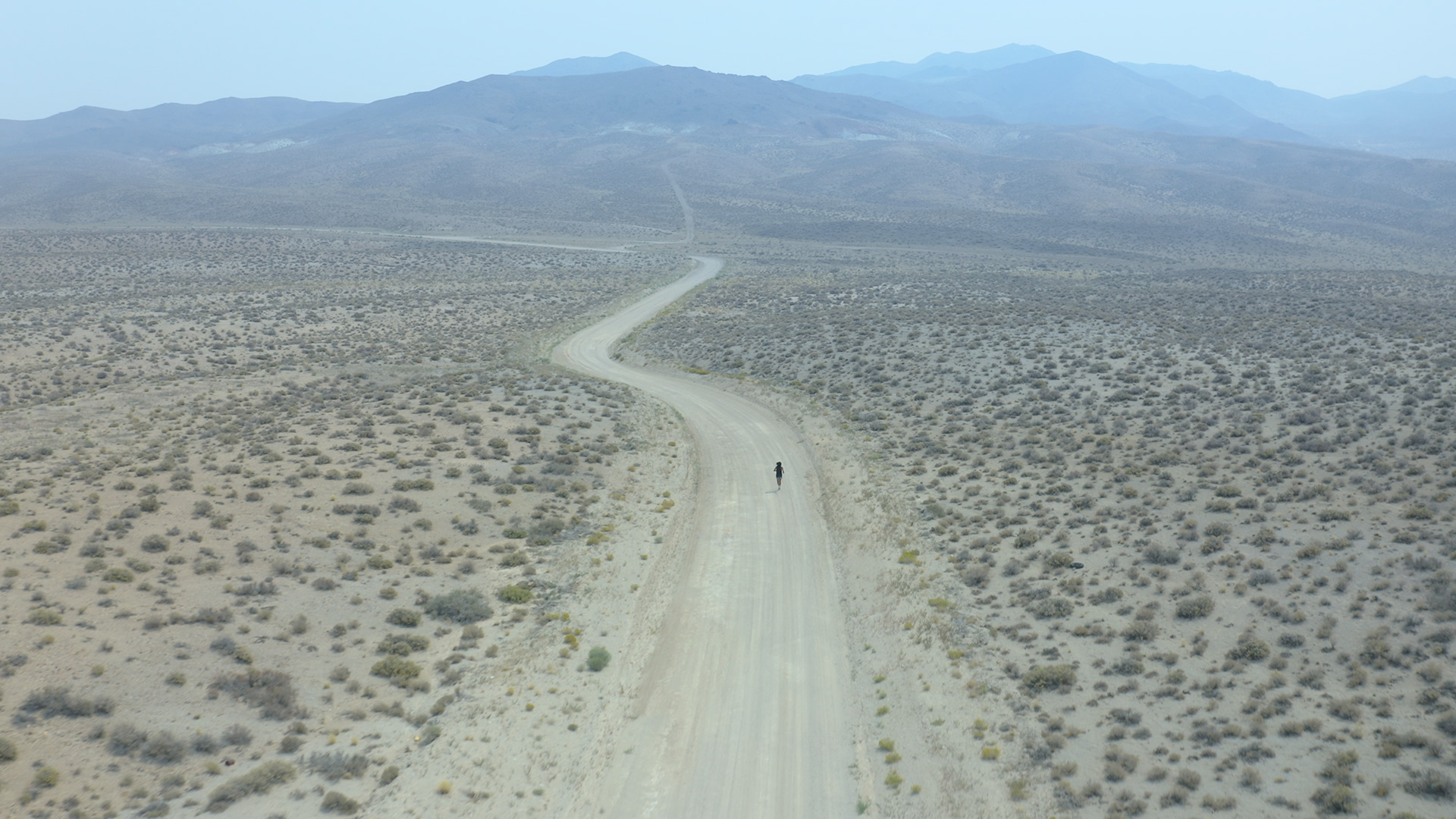
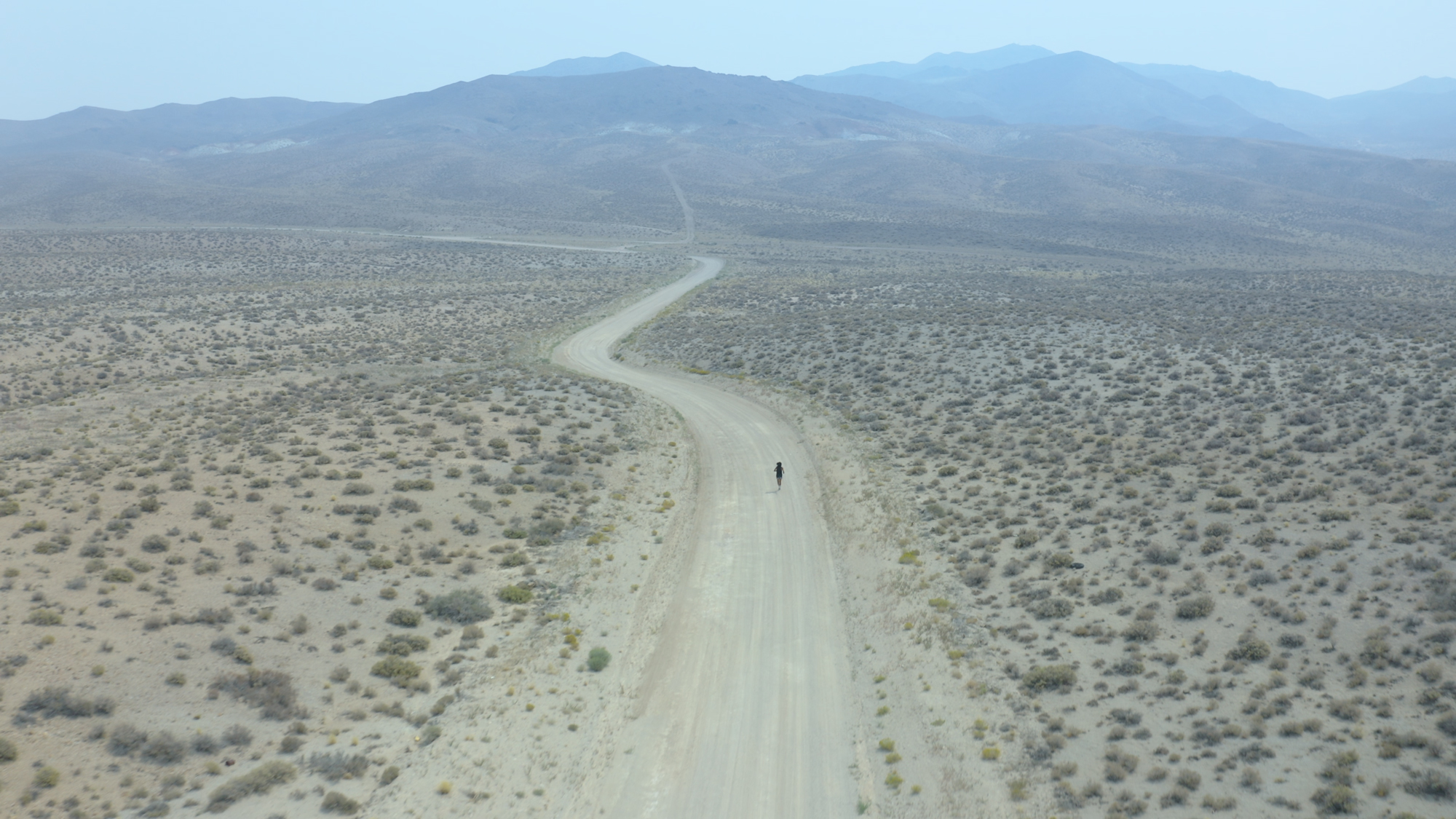
Continuing on this theme, as we’ve touched on briefly, the film beautifully uses the land as a character, and one striking example is a shot right around an hour into the film, where the vast foothills and meandering road create a powerful sense of scale—especially heat distortion blurred runners in the background. Can you talk about your approach to capturing the landscape in a way that connects past and present, particularly in relation to Ku’s great-grandfather’s journey?
Bethmann:
And I’m so glad you brought up that shot, because even when I watch it, I’m struck by it. When we were first selecting scenes to showcase the vastness of the desert, I remember looking at that shot and not even noticing the runner in the background at first. My editor had to point it out to me. The heat waves were so intense, and then suddenly, I saw him, and I thought, “Wow, that’s incredible.”
Scene from Remaining Native
Seeing that on the big screen in a theatrical setting is just breathtaking. The sound design plays a huge role too—the desert is so quiet, yet layered with sounds. You hear the runners breathing in the distance, the crunch of footsteps. That immersion really brings the scene to life.
The scale of it all is overwhelming. You go from these close, intimate shots of the land to these vast, sweeping views, and it’s a stark reminder of the enormity of the landscape. It’s also heartbreaking in a way—watching adults push through this grueling run is intense, but imagining it through the eyes of a child is almost unimaginable.
Cultural identity and representation
Sigma:
Let’s talk a little more about your other works while we’re on the topic of gear. To date, you have shot 4 mini documentaries for Running Strong for American Indian Youth, an organization that’s been working since 1986 and it sounds like you leaned on your great experience using Sigma Cine lenses for Remaining Native – i.e. you looked to Sigma glass again. Did these prior experiences influence your decision to use any specific Sigma lenses again for these projects?
Bethmann:
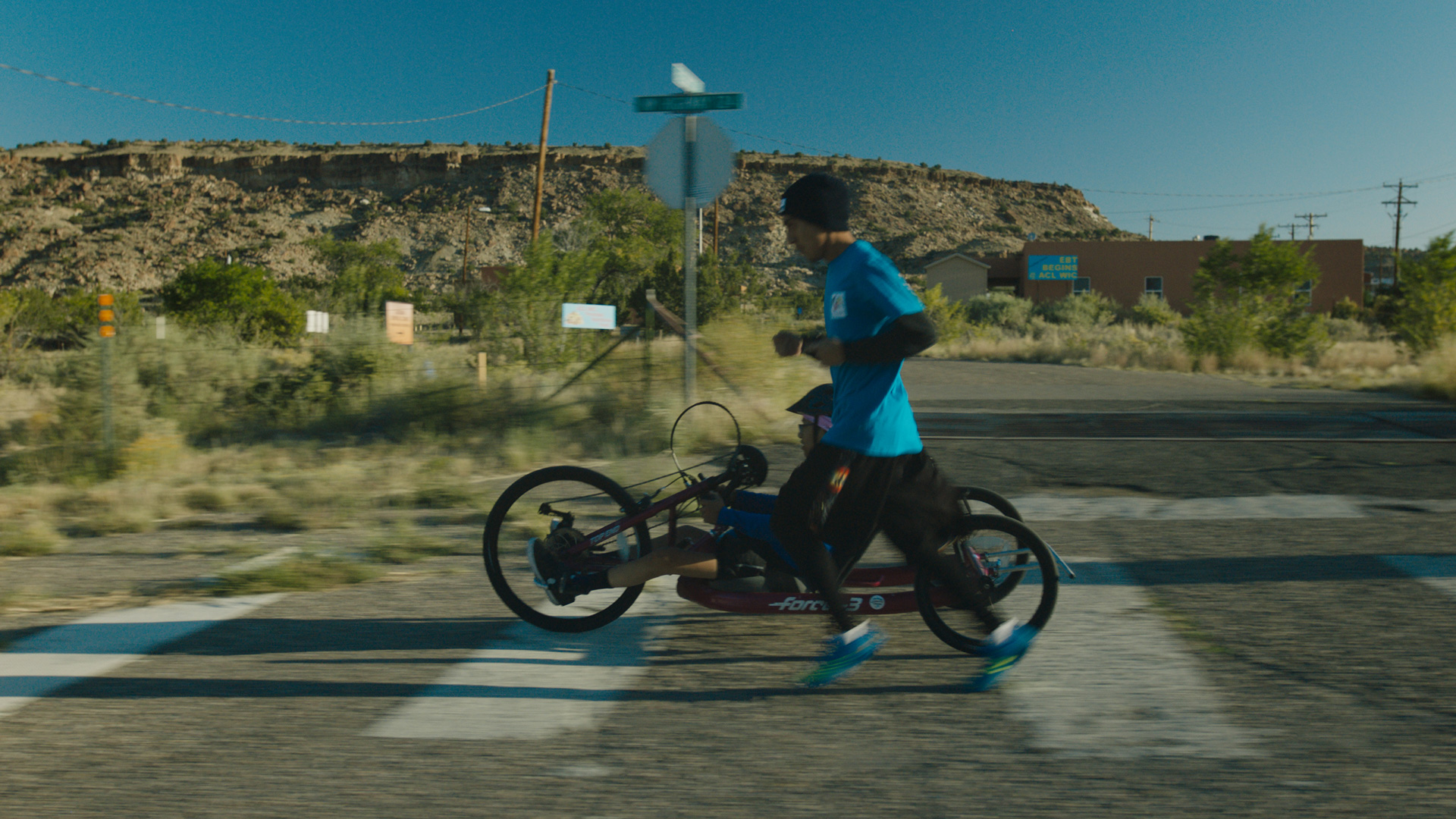
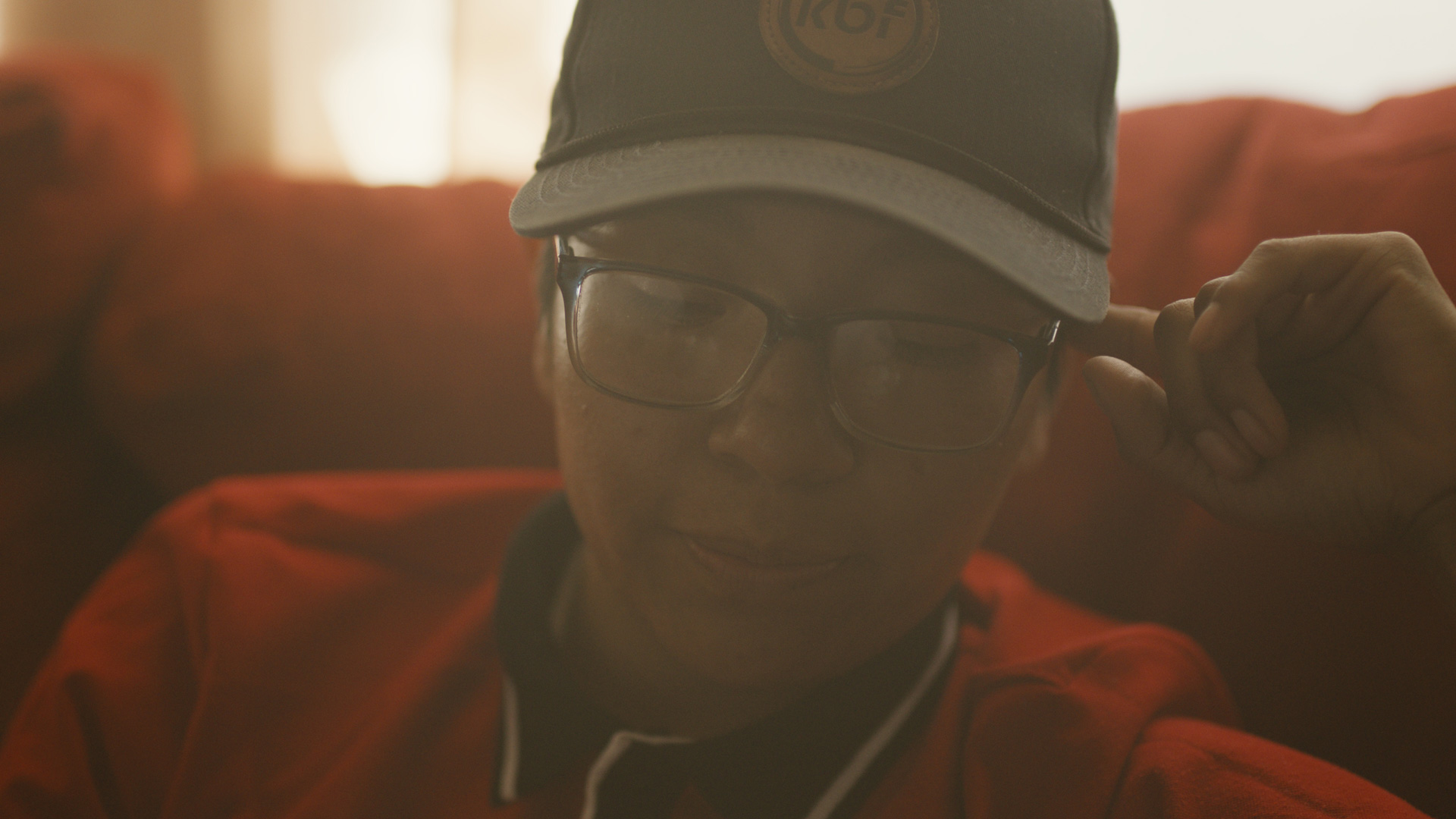
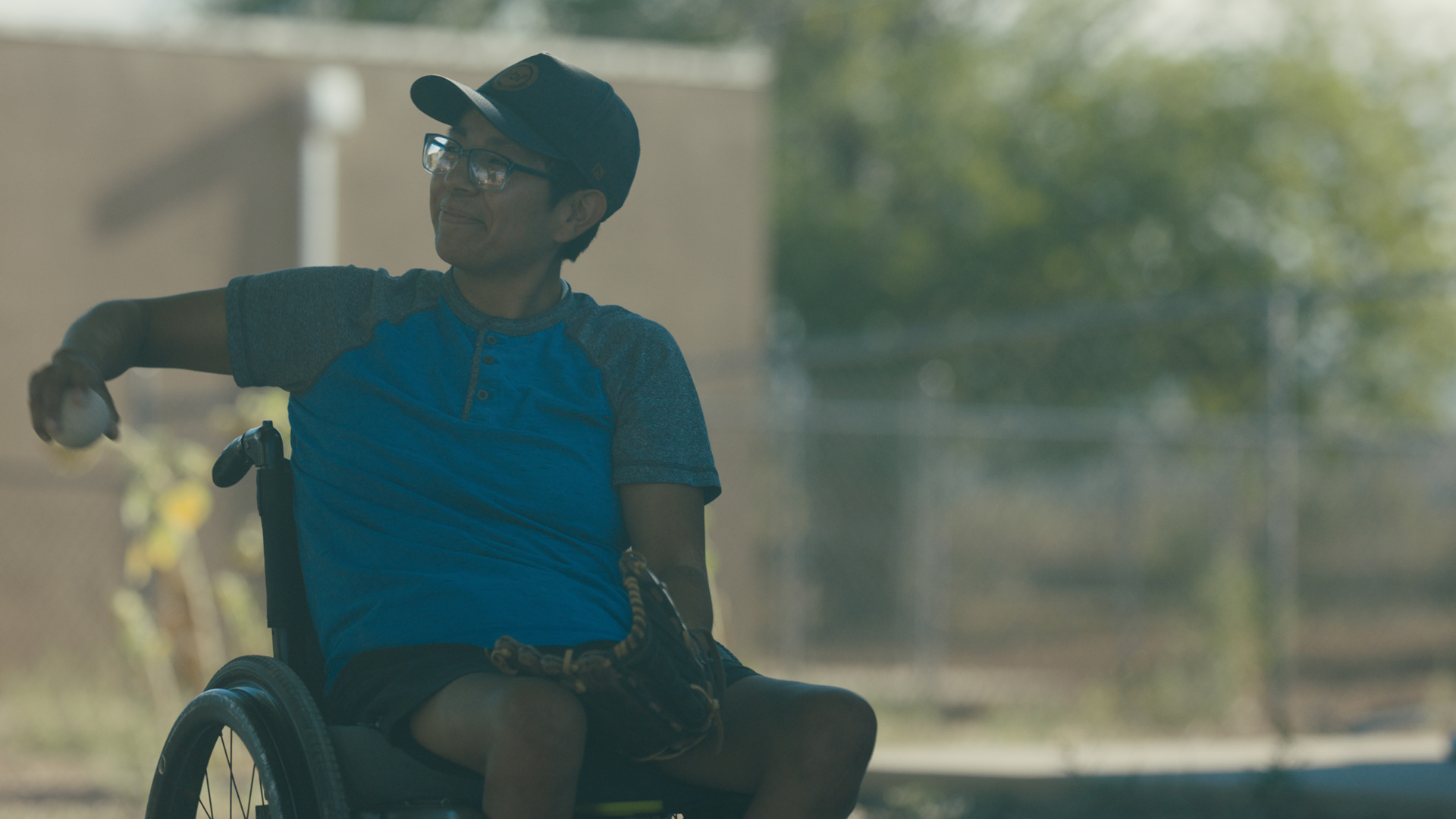
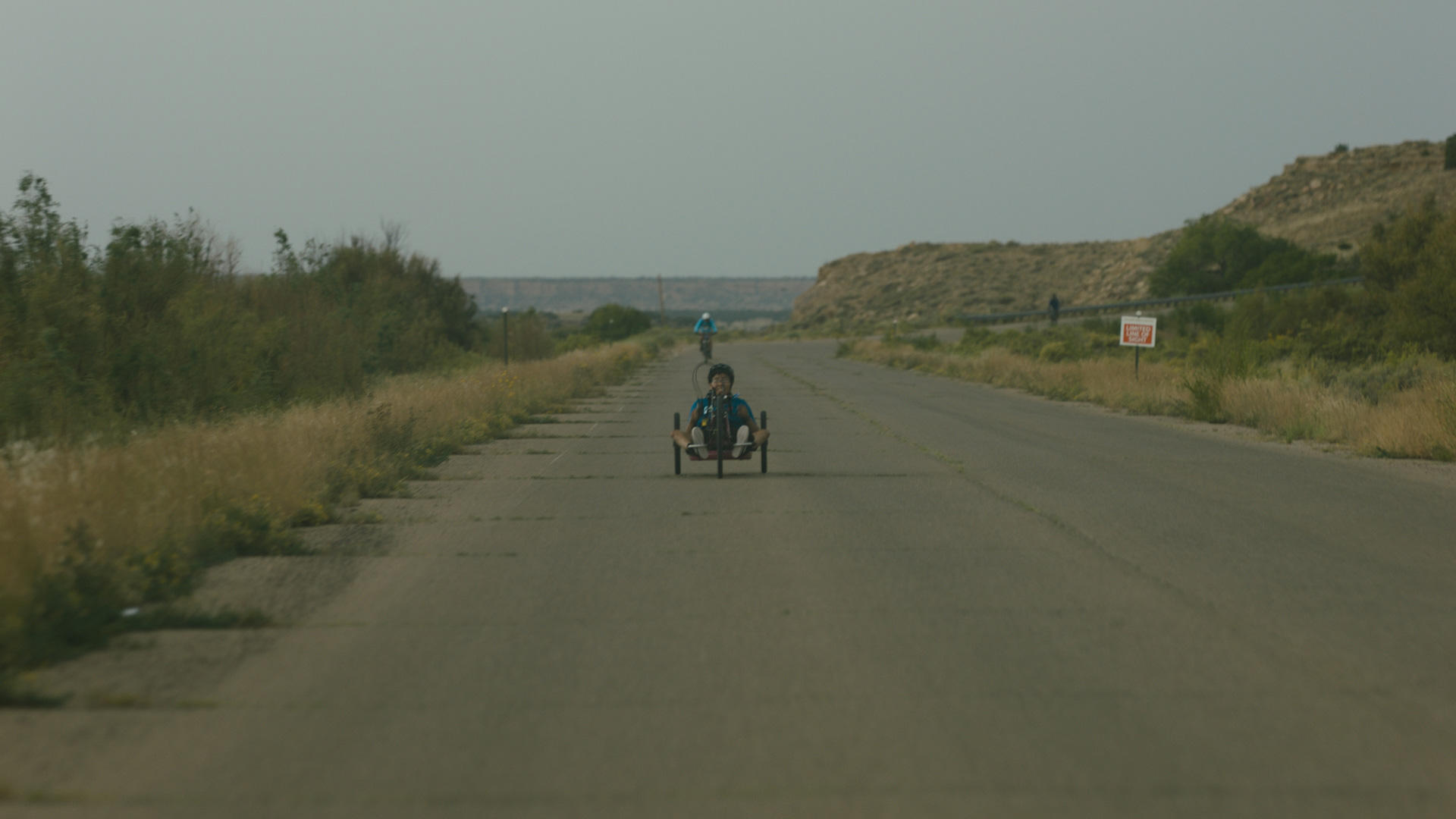
Yeah. Well, for one of the documentaries that we shot with Devyn Kazhe, which follows her journey as an adaptive athlete—you know, we shot on the Sigma FF Classic Primes, and those just blew me away. They are so beautiful. Stunning.
Sigma: They do have a lot of character.
Bethmann: Oh my gosh, so much character.
Devyn and I wanted to approach the story in a different way. Because it’s a short film, it’s told through her voice—almost like her poetry. I mean, she’s a very poetic speaker. She tells stories about her recovery and healing in a way that allowed us to craft more space in how we set up the shots, a lot more than we did in Remaining Native, which covered two years of literally chasing a teenager around—who’s a runner.
Scenes from a film featuring Devyn Kazhe, by Paige Bethmann, shot with Sigma Cine Classic lenses.
With Devyn’s film, we were able to bring a lot more intention. To say, you know, let’s set this shot up—and reset it again, get the tights and the wides, and slow things down a little bit, knowing that the lenses were going to play such a role in the artistic vision of the film. We really wanted it to feel warm and dreamy, and those lenses helped us achieve that.
With the other films, we mostly used the Art lenses that we have—so a lot of the 24-70mm, having more range. Those were also pretty fast shoots. They were very quick, so we wanted to be able to transition lenses incredibly fast and not miss moments while resetting a shot.
We also shot on different cameras. Remaining Native was shot mostly on the ALEXA and the FX9, whereas these shorts were shot with a much smaller FX3. We wanted that because a lot of the kids in the film weren’t used to being around production sets, and we didn’t want to feel so intrusive with a huge crew. So, it was just myself and Zack holding the camera, making it feel intimate, and not making people nervous by constantly switching gears, resetting, and reshooting—which can make people clam up.
The approach was a little different. Mostly, we spent a lot of time on the land, shooting on the 35mm and the 24mm, as well as the 85mm for more intimate close-ups.
Behind the scenes from Remaining Native
I want to share one more story because it was very fun. Zack and I were out filming in Montana for one of the mini docs, and we were on the longest lens we had—I think it was the 100-400mm—but we were just kind of panning across, and then suddenly, I saw a swish of a tail, and there was a pack of wild horses right there. They were drinking water, and it was so cool to come across things like that, hidden in the landscape. Sometimes you don’t see it when you’re far away or distant from the land but having that closeness with a tight lens like that… it was magical to stumble across.
We had a team of about six people shooting the run because covering 50 miles is incredibly challenging. We had to spread out, position ourselves strategically, and communicate via walkies to capture everything. I believe this particular shot was filmed by either Shai or Adam Conti. We each had assigned locations, and we were stationed along the route to get different angles. I wish I could take credit for it!
Sigma:
Those are truly unexpected pieces of magic that make producing documentaries so exciting. And it leads me to the next question, which is a perfect segue. Shooting docs is often guerrilla filmmaking at its finest—low budgets, small crews, and shooting in real locations with or without permits—particularly for independent projects. You prepare and budget as best you can to try and predict what you’ll need in terms of focal lengths, speeds, even format—spherical / anamorphic—but often (and speaking from experience) this can change rapidly depending on opportunities that present themselves. Were there any Sigma lenses that stood out from the rest that the production leaned on more than the others in this regard? Any surprises?
Bethmann:
That’s a great question. Like you said, everything is extremely unpredictable. I would say that we took a lot of learnings from having to film over the course of two or three years.
I think one thing we used a lot that cinematographers sometimes, you know, scoff at is the idea of needing to use autofocus so much. You know, they spend time on craft and want to control everything. But when you’re trying to follow someone as quick as Ku, needing to be able to catch him using autofocus was something we relied so heavily on, especially with the Sigma photo lenses, to do that efficiently.
Behind the scenes from Remaining Native
So that was surprising—and not surprising—because as much as the craft is so important, it’s about capturing the story in the best way you can. That could be with a small camera that you just powered on quickly so you could catch a moment, or, you know, you could spend time waiting for the ALEXA to wake up for 30 seconds before you’re able to use it.
Figuring out what we needed at certain times—we had to adapt over the course of filming. As much as we loved using such an amazing camera like the ALEXA Mini, when you’re in the desert and must charge all the batteries, set up, and predict those things, it’s not always the best run-and-gun type of camera. So being able to adapt and interchange different lenses was good.
But primarily, we stuck to some of the Cine prime lenses, knowing that we were going to get exactly what we needed in those moments. Because we were spending so much time in the community—we weren’t just there for a quick interview or shoot. We were spending time with and without the camera. A lot of the time without the camera certainly helped us think about how we approached filming a scene—or even not knowing it was a scene until the edit.
You know, there are so many things we shot, like the fishing scene. We were actually fishing for the majority of that scene in the film, and then we picked up the camera for a little bit just to show what was going on. So it was nice to be able to take our time.
And then, Zack, didn’t we also have access to the 24… what was it? The really wide lens? Which one was that?
I was just going to add one thing, too, about something surprising—the PL mount of the cine lenses. We didn’t have PL for the whole shoot; we had different times when we had PL versus—other mounts. Having the PL was nice because we could adapt it to either our Sony mirrorless cameras, or if we had access to an ALEXA, we could mix and match as we saw fit. And those Sigma PL lenses are super light, too. But overall, an amazing thing about the Sigma lenses, across the Cine and the still lines, is the consistency between lenses.
Scene from Remaining Native
Sigma:
As expansively thematic as Remaining Native is about legacy, trauma, and the Native American experience, at its core, Remaining Native is rooted by a young runner. As such, the film features a lot of dynamic and physically intense moments, particularly during the running scenes and track meets. Tell us about the collaboration and challenges with your co-DP Shai Ben-Dor here. Was there a synergy between you two in terms of visual storytelling and the use of specific Sigma lenses to capture his craft on-the-fly? And tell us a bit about pre-production…
Bethmann:
We didn’t really have pre-production.
We got permission to go out and film once we decided that we wanted to try to capture the story, and then we were just kind of out there…doing it.
But the thing is, my cinematographer, Shai (DP Shai Ben-Dor) —you know, we had a relationship beforehand. We went to college together, and I had worked with him several times before. We had a shorthand with one another, and I think Shai is someone who is, well, he’s a runner. That was a no-brainer. He ran cross-country, so he was willing to get right up close with Ku. I trusted his decisions in wanting to really capture the more visceral aspects of the cinematography—to make it feel like running. He was the perfect fit to do that.
We were also using an electric skateboard. I can’t skateboard, but he used one to track Ku around. When Ku was on the track or the road, Shai was literally shooting on the skateboard, holding the control, pulling focus, and operating the camera at the same time. It was very impressive.
I think there was a lot of synergy and trust. I knew that if he was going to fall off the skateboard, the camera would be protected—he’d sacrifice himself first. Those things were really important, and I think we both had skills that complemented each other.
I wasn’t planning on shooting at all when I first started the doc because I didn’t particularly have a background in filming, other than small videos I would make myself. But Shai noticed that the people in the film—Ku’s family and community members—reacted very differently to me holding a camera than to him. He was the one who empowered me to say, “Here, pick up this camera. Why don’t you shoot?”
Scenes from Remaining Native
Because I was able to access more intimate moments with the family that he couldn’t, that gave me more confidence, and I started learning along the way—starting to make more decisions on how I wanted to shoot something. Shai’s cinematography has a lot of energy, whereas I’m a little more contemplative. I want to sit there, hold a shot longer, and focus on details—on landscapes and sitting in a moment—versus chasing the moment.
I think we actually had a great dynamic. He taught me so much—same as Zack. Zack really played the role of assistant camera, was flying the drone, and was in there doing all the sound. We all had to have a solid team dynamic to make it happen.
Impact and future work
Sigma:
Speaking of introspective moments and the difference between your approach to a scene compared to Shai’s… There’s an incredibly special, incredibly vulnerable sequence in the film on the eve of the race where Ku and other tribal members share stories about their familial ties to the Stewart Indian School and other boarding school experiences. As the stories unfold, day quickly slips into night, but the visual quality remains so striking and crisp. Can you tell us more about that sequence and how shooting in low light affected the approach? Did the high-speed capabilities of the Sigma lenses, for example, help capture those intimate moments as night fell, and were there any challenges shooting into the night that the lenses helped you overcome?
Scene from Remaining Native
Bethmann:
I think for the circle—when we first went to film the run, that circle moment was so powerful. By the second run, which is what’s featured in the film, we had a better idea of what to expect and anticipate.
The first year we tried to film it, no one was mic’ed, and we were completely unprepared—especially for the changing light. This time, we were able to plan better. We actually had three cameras running simultaneously, shooting on Sony FX9s, which handled low light much better.
We also stopped down to T2 in order to capture everything. And because the community was familiar with us—we had been filming with them for the past two years—they knew we were there and were comfortable with our crew. That allowed us to be more front and center for some of the close-up shots without being invasive. We didn’t want to take away from the healing happening in front of us, so we tried to stay in the background as much as possible. For that scene, we primarily used prime lenses.
Kiszka: We used little lanterns. That’s where all the artificial light was coming from—just lanterns.
Bethmann: The hardest part of the scene was the transition of light. It made editing difficult, but we ultimately let the scene play out in real time in the edit. The biggest challenge, though, was the audio.
Out of nowhere, these crickets appeared, and they were so loud. But it was also quite powerful to see people gathering intentionally—not because there was a fire to keep warm, but simply to be together.
I remember asking, “Where are they even coming from?” And when we worked with our sound designer, his first pass included a fire crackling sound. I had to tell him, “Actually, there was no fire there.” It was illegal to have one in northern Nevada during fire season. It was really about finding a different way to bring that sense of presence and gathering into the scene.
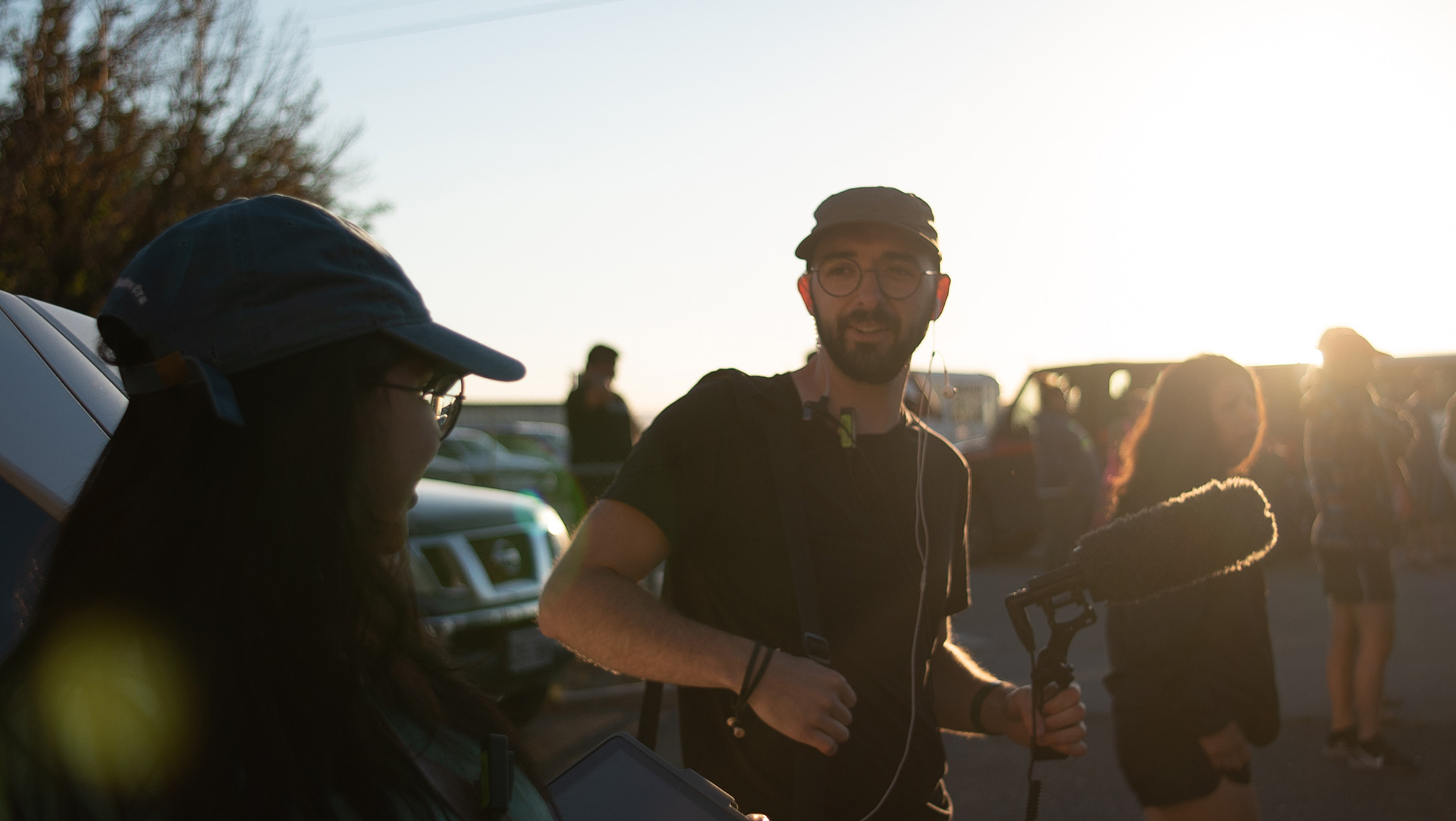
Behind the scenes from Remaining Native
Sigma:
Having your first feature film premiere at a major festival, let alone receiving awards, is a dream for most filmmakers. Can you tell us about your, and the Remaining Native team’s, overall experience at SXSW, in terms of the reaction to the film as well as the overall spirit of the festival?
Bethmann:
Yeah, we were excited to be at SXSW — not just because it’s a large festival with a big platform that would help launch our film, but because it’s Austin, Texas. A place historically responsible for much of the erasure of Indigenous people.
Bringing a Native presence there, along with the collaborations and partnerships we formed for the premiere, made it truly special. Before coming to South By, we reached out to the Austin Powwow Committee, and they came out to support our 5K run and attended the screenings. They were able to talk about what it means to be Indigenous in Austin on a platform like that. We also partnered with the Indigenous Cultures Institute and the UT Indigenous program. Having them as on-the-ground support helped us feel welcomed at the festival, ensuring we were using our platform to speak on real issues happening in that space. The film became a tool for education and a way to share Ku’s story—what it means to be a Native American teenager today.
Austin also has a huge running community, and being in a place where runners were excited to join us and attend the screenings was incredible. Each screening had a different energy—one had a strong runner presence, where the audience laughed at insider jokes about split times and reacted to Ku’s speed. Another had more Indigenous audience members, who connected deeply to their own family histories and stories. Hearing people share about their families was incredibly moving and powerful.
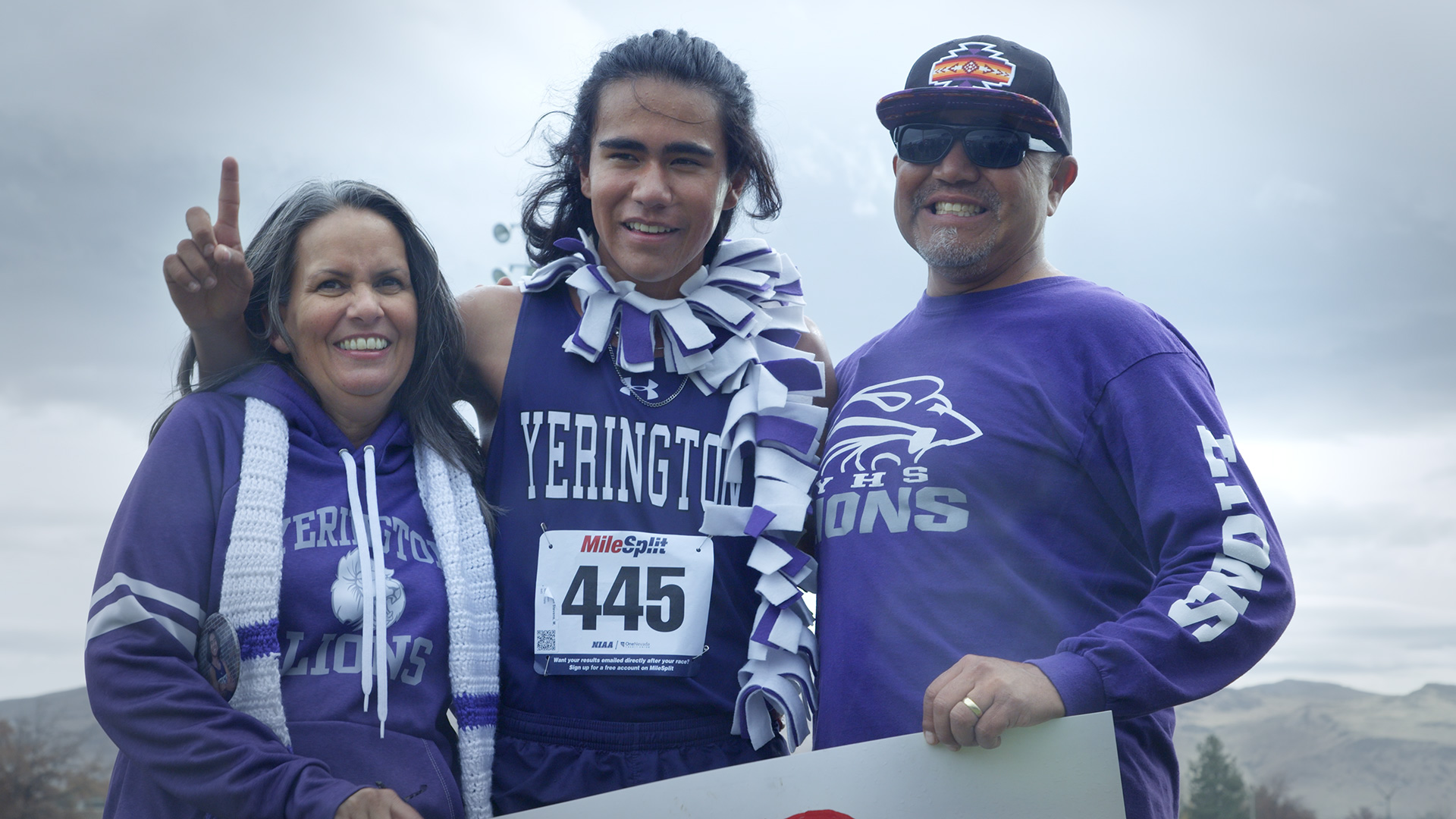
It was also significant for Ku himself. He’s grown so much since we started filming, and watching the film captured such a pivotal time in his life—his transition to college. Now that he’s about to be a senior, the film offers a space for him to reflect on that year. Seeing so many people come up to him, tell him how inspiring he is, and offer their support was deeply meaningful.
We were also grateful for the festival’s partnership. They were incredibly accommodating—when we asked for tickets to share with the community or help with promotions, they stepped up. We also had our own photographer with us to document everything, which was fun. And using the Sigma BF, we were able to capture our premiere in a special way, continuing our connection with the Sigma family.
Scenes from Remaining Native
Sigma:
It obviously seems as though you’ve had a positive experience working with Sigma lenses. And now seeing the continued success of Remaining Native on a festival tour, do you see them playing a part in any of your upcoming projects? What’s next on the horizon for you, Paige?
Bethmann:
If Sigma continues their partnership with me, then of course! I would absolutely love to continue that because I think what we achieved with this film was making it as beautiful as possible. Too often, Indigenous stories are shot in a way that focuses on trauma, what some call “tragedy porn.” I wanted to ensure we captured a lived-in experience—one that highlights the beauty in the lives of the people in the film. While the film acknowledges the historical struggles of Native people, its focus is not on tragedy. Ku’s family is incredibly supportive, with strong, healthy relationships—not just with each other, but with the land. We wanted to bring that to light, showing the beauty, hope, and resilience in Indigenous communities.
Knowing we could visually reflect that beauty was powerful. Even while working on Devyn’s film, we were able to be more intentional—thoughtful in composition, capturing details, and slowing down the visual flow. Moving forward, I can see myself taking that approach even further, focusing even more on intimate details.
Right now, especially in today’s world, Indigenous stories hold solutions—solutions for health, for relationships with the land. They help answer questions like: What does a healthy river look like? What does a thriving community look like? How do we return to the ways our ancestors cared for the earth? I want my work to bring these stories forward in a cinematic and deeply immersive way—something that allows people to connect with aspects of the world they might walk past every day without noticing.
Scene from Remaining Native
One idea I have is a film about maple syrup. I’d love to shoot it in a way that’s rich, slow, and immersive because maple syrup is part of our (Haudenosaunee) creation story. The process behind it is all about hard work—distilling something to perfection over time. To do that, you have to slow down and be patient. As a filmmaker, I want my craft to mirror that experience—to put in the same level of dedication, patience, and care to bring out the essence of the story.
Beyond filmmaking, we also have plans for community screenings. Impact is a huge part of our work—not just in how we share the film after its release but in how we make films. I truly appreciate having ongoing partnerships, like the one with Sigma, because cameras can be tools for storytelling and education. Ku himself became interested in filmmaking through this process. At one point, after being followed by cameras for so long, we handed him one and said, “Here, try it.” He started shooting his own footage and got really excited about it.
Encouraging younger storytellers to explore this technology—to experiment with it, get familiar, and create something of their own—is just as powerful as the finished film itself. That community-driven approach has been central to this whole process.
We have big plans for this film, and this is just the beginning.
Sigma:
Now that the film is out and Ku is beginning to see its impact—the stories being told around it, the conversations it’s sparking—does he feel like he’s growing into his name? Has he shared any reflections on that with you?
Bethmann:
Yeah, it’s funny because at the Q&A at South by, someone asked Ku that exact question. He said, “Maybe I’ve put a dent in it,” but he still doesn’t feel like he’s fully achieved his name. He knows there’s a lot more work to do, and he’s ready to put in that effort. Hopefully, one day he’ll feel like he’s lived up to it. That mindset is so reflective of who he is—not just as an athlete but as a person. He’s ambitious, determined, and humble, yet fiercely competitive and always striving for more. That relentless drive is what pushes him forward.
Ku’s father, Delmar Stevens, says Kutoven is a Paiute word that translates to “bring light from the darkness.”
“When you look at that name, and the responsibility that comes with it, it’s big,” Delmar Stevens said. “But I see Ku is up for that. He has been doing that already.” (this is a scene in the film and also referenced here:
Thank you so much. Paige, do you have any closing thoughts and can you tell us where can people go to watch Remaining Native, as well as the rest of your work?
Bethmann:
We’re really proud of the result, and it’s exciting to see what we were able to accomplish, especially given how expensive high-quality camera packages can be. Having support from partners made a huge difference, allowing us to achieve the level of quality we envisioned. It was truly a team effort, and we’re grateful to everyone who believed in the project. And thankfully, the lenses held up—even after all that time in the desert!
On our website we have been posting our screenings and there’s going to be more posted up there if anyone wants to buy the film, they can do that. And hopefully the film will get sold and distributed to be able to be seen widely.
Learn more about Remaining Native and find screenings
Heidi: You’re a multifaceted creative, synthesizing photography, filmmaking, painting, composing, and creating music. How does each skill inform the other? Joseph: For me, it all began with the piano. I started playing at a very young age, and at the same time, I was the kid that sat in the back of the classroom sketching everything, with my head in the clouds. As I progressed musically and artistically through many years of classical piano training, I found that being a pianist unlocked a series of other doors in the realm of creativity. I became more attuned to nuance, emotion, atmosphere, and the contrast of light and shadow. This innate understanding, thanks to studying the likes of Satie, Ravel, and Rachmaninoff, as well as diving into the works of Sargent, Bouguereau, Avedon, Lindbergh, Koudelka, and Salgado allowed me to jump right into painting, photography, and cinematography, spending many years honing each skill to the point where I find myself “medium-agnostic.”
I’ve been told many times that I risk being a jack of all trades when I don’t focus on one thing. That never sat well with me. I’m much happier and more productive when I can switch mediums depending on what I want to express. I look at the Renaissance for inspiration, where multi-faceted creativity was celebrated and surpassed the limitations imposed by the expectations of a single and defined profession. When I was training as a cinematographer with the late Vilmos Zsigmond, he taught me to paint a set with light. First with the wide brush strokes of large sources, creating deep contrast that can be felt with eyes closed, then rendering details with smaller sources. Vilmos was widely known for his distinct visual style, often referred to as “poetic realism” and his mastery of cinematography came from a deep understanding of the human condition. A reflection here, a shadow there, making a composition sing with light and shadow, and somehow tapping into the unknown. That felt just like composing for the piano to me, or connecting deeply with a subject matter in photography.
Even as my photography and cinematography careers took off, I never stopped making music, having released two full-length albums of original piano compositions and currently working on my third. I’m deep into painting as well, studying at an atelier in Los Angeles with a focus on realism. I strongly believe my work in other mediums has ultimately made me a better photographer and cinematographer. Being a multi-disciplinary artist has also heightened my sensitivity and empathy substantially, and I find that I can usually connect with my subjects and clients effortlessly when making portraits or photographing commercial campaigns or assignments.
How do you manage your creative resources as you’re wildly prolific? It’s always a challenge, but with the right amount of time management, anything is possible! When not on set, my days are divided into 4-hour sections where I balance client interactions, admin time for my business, personal creative projects, and most importantly, parenting. I also have “seasons” where I’m focused on one medium over another. For example, a typical week would entail prepping for a shoot, being on set capturing campaigns for major brands, managing post production, and being present and very much focusing on my seven-year old daughter. I’ve also recently joined the board of directors at APA-LA, so that’s been keeping me busy with new opportunities to serve our photo community. So I tend to compose at night, with headphones on, and after many months when I’ve had everything dialed in and written down, I would go to a fantastic studio here in LA and record everything in just a few days. On weekdays when I’m not on a shoot or in pre-pro, I will typically be painting or working on a personal photography project.
For inspiration, I find that the ocean does incredible things. I’ve taken up sailing, and will hop on my friend’s timeshared 36-foot sailboat once or twice a month to cut through water with some dolphins in Santa Monica Bay whenever I feel creatively stuck. It’s also been tough to stay creative with the horrific current state of the world, so lately I’ve been turning my lens onto environmental issues I care deeply about, such as the human impact on the polar regions and ocean conservation. That comes with an inherent sense of purpose, which is even more fuel for creativity. No matter what it is I’m doing, it always feels like a race against the clock as I tend to work in big bursts of energy, which I somehow channel like an antenna in a thunderstorm!
When you are composing music, are you seeing images? Yes! It’s hard to describe perfectly. Sometimes I’m seeing nostalgic images that have velvet edges and blue, purple and magenta hues. Other times, I feel a heavy weight in my chest that flows through my fingers until it all exists outside of me. I also see light and shadow, or more accurately, I sense contrast. There is a lot of pain and beauty inside and outside of us, it’s everywhere, and I tap into it very deeply. Sometimes that manifests as colors and imagery, other times as a force that propels you or pulls you in like a freight train or a black hole.
Is the inverse also true, that by creating imagery you hear music? I don’t hear music when making images, though I love to have good music on in a portrait session. Especially something that will influence the direction I want to take the work in. I do often get the same feeling in my chest while on set though, that intuitive push/pull towards the desired outcome of the work, especially when it comes to light and contrast.
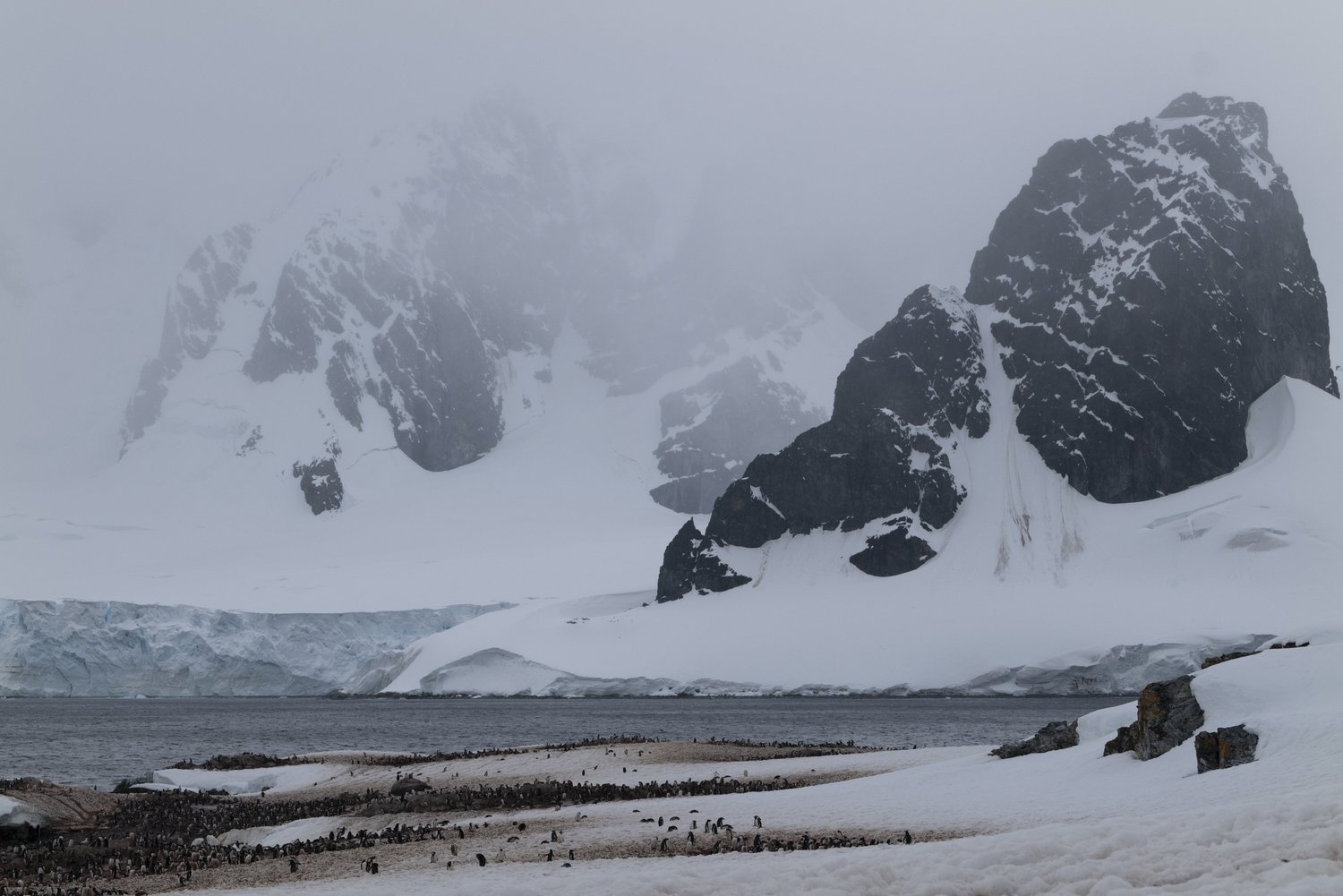
Tell me about your upcoming project Midnight Sun, what is it and how did it come about? I began work on Midnight Sun three years ago. It’s essentially a collection of personal images captured during assignments in Antarctica and the Arctic. In this work, I wanted to not only focus on the epic natural beauty of these remote regions but also the pressing issues of human impact, militarization, over-tourism, mining, and the effects of colonization on indigenous communities. The experience of visiting the Antarctic and the Arctic have been nothing short of life-changing for me. It ignited a sense of purpose and urgency to take my personal work in this direction, despite being a commercial photographer and cinematographer for most of my career with little experience in landscape photography and reportage. So I tried to keep everything authentic to how I see and feel things, which led to shooting this typically more documentary-style subject matter with more of a fine art aesthetic.
Midnight Sun is taking the form of a book and a music record – the images for the most part are devoid of people, a contrast to your commercial work. How did you expand creatively during that project? Midnight Sun, while (mostly) devoid of people, is really all about humanity! It’s about our relationship to nature, our need to dominate and conquer resources, and our incessant urge to impose our way of life on indigenous communities. But it’s also about the beauty and fragility of our planet, our responsibility as stewards of the Earth, and our spiritual growth as a species going through some tough transitions. I experienced all of those things while in the polar regions and it completely transformed me and how I view my role as an artist in this era. The work is complete and is currently being shopped around with several publishers in proposal form. I am also deep in the process of composing my third record, which will accompany the book as a “soundtrack” of sorts. Unlike my last two albums, which were primarily classical piano records, the Midnight Sun record will have a more orchestral and “cosmic” sound that comes from the use of analog synthesizers along with acoustic pianos. It is influenced by more modern composers such as Vangelis, M83, Yann Tiersen and Max Richter, but infused with my own personal style of classical piano. Like the last two albums, I’m planning on releasing it on vinyl along with the book, as well as a boxed set.
How did the Lecia relationship begin, and what are you working on now? I’ve been photographing my personal work with a Leica M6 since the mid-2000’s. This led to a book I published in 2019 called “Onward,” which is a collection of black and white images captured while on the road for 12 years as a cinematographer on travel assignments, mostly taken with my M6. Along with several great bookstores such as Hennessey + Ingalls, Skylight Books, and William Stout Architectural Books, Leica LA and Leica NY began to carry the book, which has done really well and almost sold out the first edition. I also had the opportunity to work with the late John Kreidler early on in my photography career, and he became Leica’s director of education well before he passed away last year. He was kind and gracious to me as always, and introduced me to some wonderful people at Leica. Then there’s the amazing Paris Chong! The curator at Leica Gallery LA, who is an absolute gem in our industry. She has been instrumental in guiding the direction of my Midnight Sun project, and I’m very grateful for her insight and encouragement.
On a related note, I use Leica’s SL-series cameras and lenses for all my commercial photo assignments, and all of Midnight Sun was captured with the same cameras and lenses as well. Those cameras and lenses have been incredibly compatible with how I make images, with beautiful color science and deep, rich blacks that make the images feel like you can dive right into them. I also often use Leica cinema lenses in my cinematography work. Essentially, I view Leica as a partner on both the artistic and the technical side to keep my photography evolving into the future.
With commercial work, have you found it necessary to narrow down what you’re known for? My commercial photography and cinematography work is also wide-ranging. I’m interested in so many things, especially in authentically capturing images of people doing things. So in a given month, I find myself working on fashion campaigns, editorial portrait assignments, automotive campaigns, advertorial portraiture for healthcare and technology companies, lifestyle image libraries for brands, and even underwater work, such as the two Toyota commercials I shot for the Olympics featuring members of the USA swim team. I’ve always been a hybrid shooter, so while I’ll either come onto a union commercial as cinematographer, or capture an advertising campaign as a photographer, I’m most often doing both and have been developing and building a signature workflow for hybrid campaigns for many years, to the point where it’s what I’ve become known for and what I naturally gravitate to, work-wise.
Scientists Find New Evidence That South Korea’s Female Freedivers Evolved for a Life Underwater
By Ian Bongso-Seldrup, May 8, 2025 @ 10:00 AM (EST) Source: CNN
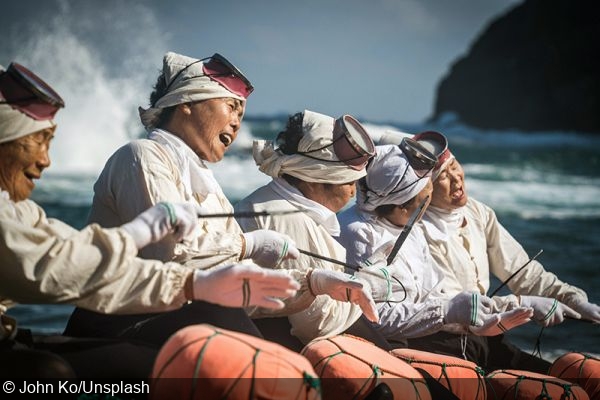
Haenyeo sing traditional songs before heading out to sea to harvest abalone, sea urchins, seaweed, and other seafood from the waters around Jeju Island, South Korea
Scientists studying the DNA of the famous female freedivers of Jeju Island—the haenyeo—have discovered there are unique genetic differences that the women have evolved to cope with the physiological stress of freediving. Published in the scientific journal Cell Reports on May 2, 2025, the research was led by Melissa Ann Ilardo, a geneticist and assistant professor in biomedical informatics at the University of Utah.
Ilardo and her colleagues recruited 30 haenyeo divers, 30 non-diving women from Jeju Island, and 31 women from the South Korean mainland for the study. The participants’ average age was 65. As well as sequencing their genomes from blood samples, the researchers compared their heart rates, blood pressure and spleen sizes. In order to simulate dives, participants held their breath while submerging their faces in cold water, stimulating the mammalian dive reflex. As a result, the heart rate slows, blood pressure increases and the spleen contracts.
The analysis showed that the participants from Jeju—divers as well as non-divers—were more than four times more likely than the participants from the mainland to have a genetic variant associated with lower blood pressure. “Your blood pressure increases as you dive,” explains Ilardo. “Their [Jeju residents’] blood pressure increases less.” The scientists suggest that the genetic trait may have evolved to keep unborn babies safe—since the haenyeo dive throughout pregnancy, when high blood pressure can be dangerous.
Previous research has linked cold and pain tolerance to another genetic variation, and this study revealed that the participants from Jeju were more likely to have this genetic variant. However, the researchers weren’t able to say with certainty whether the variant may be important for the haenyeo’s ability to dive throughout the year, since the participants’ ability to withstand low temperatures was not measured in the study.
Genetics wasn’t the only factor to explain the haenyeo’s impressive diving capabilities. During the tests, the researchers also found a dramatic difference between the heart rates of the divers versus the non-divers. A reduced heart rate would help the haenyeo conserve oxygen during their dives. “Actually, their heart rate dropped about 50% more over the course of the dive than the control (participants),” says Ilardo. “We know that it’s because of training, because it’s something that we only saw in the haenyeo.”
While much more work needs to be done, the research could potentially lead to the development of new drugs for lowering blood pressure.
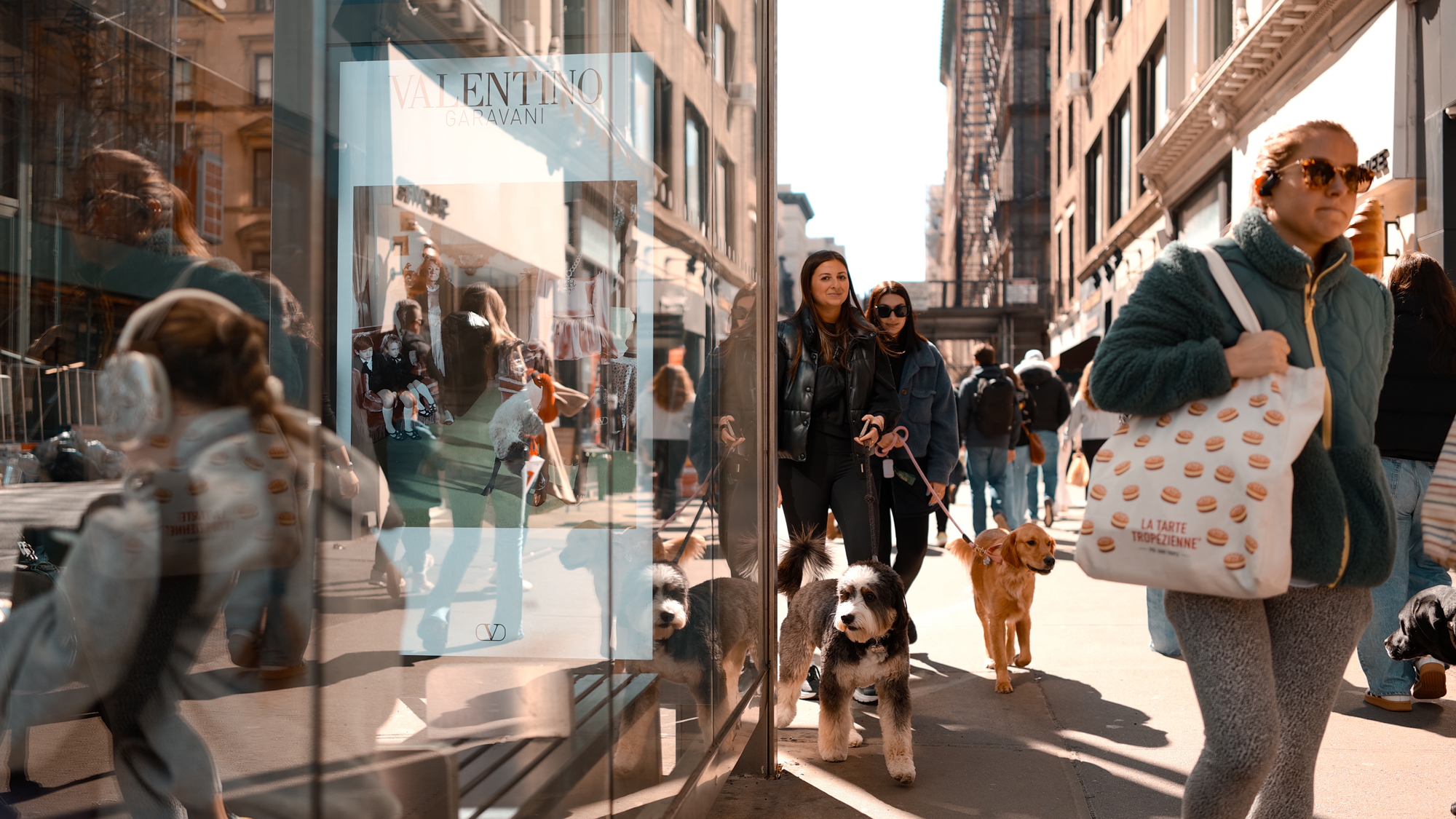
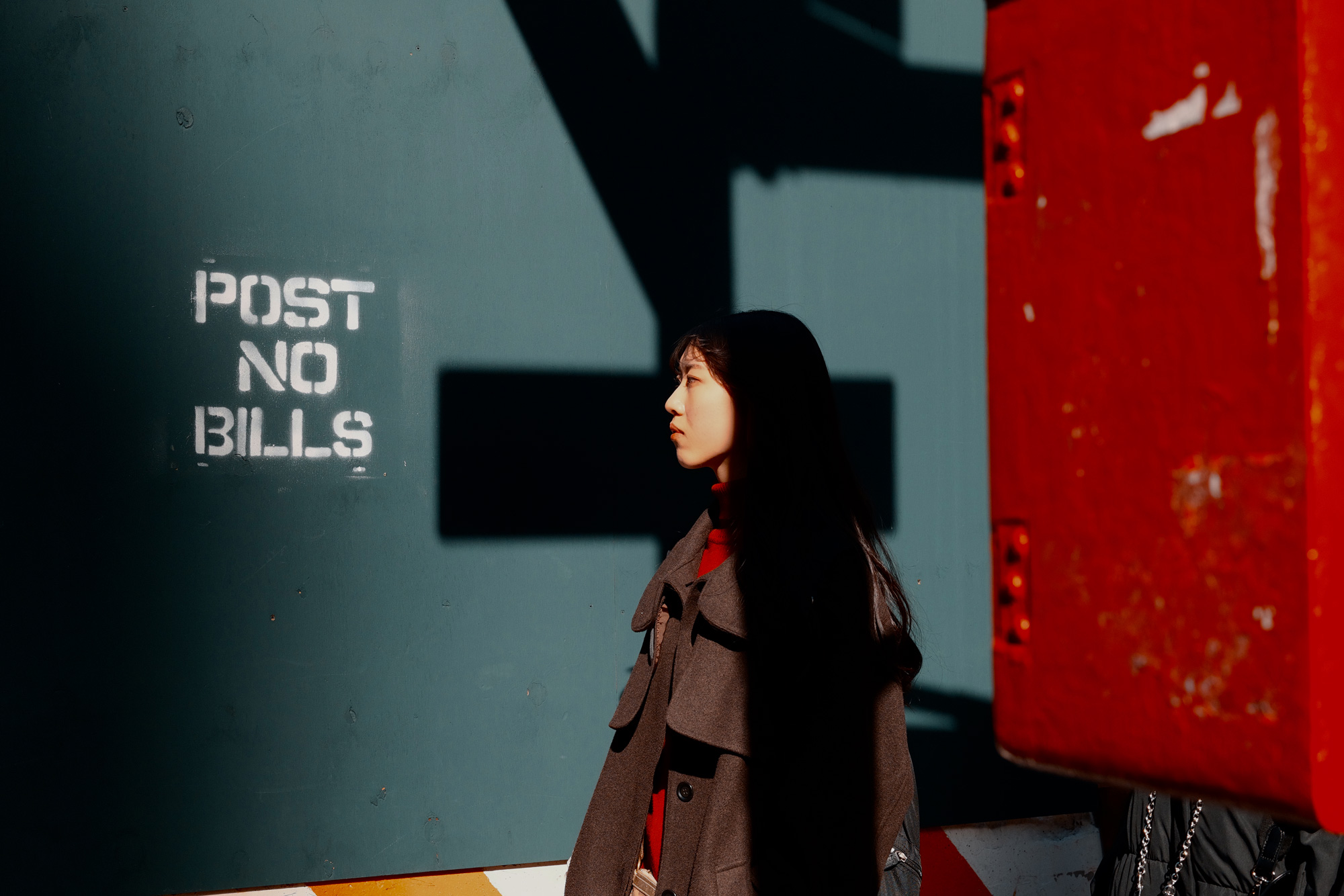
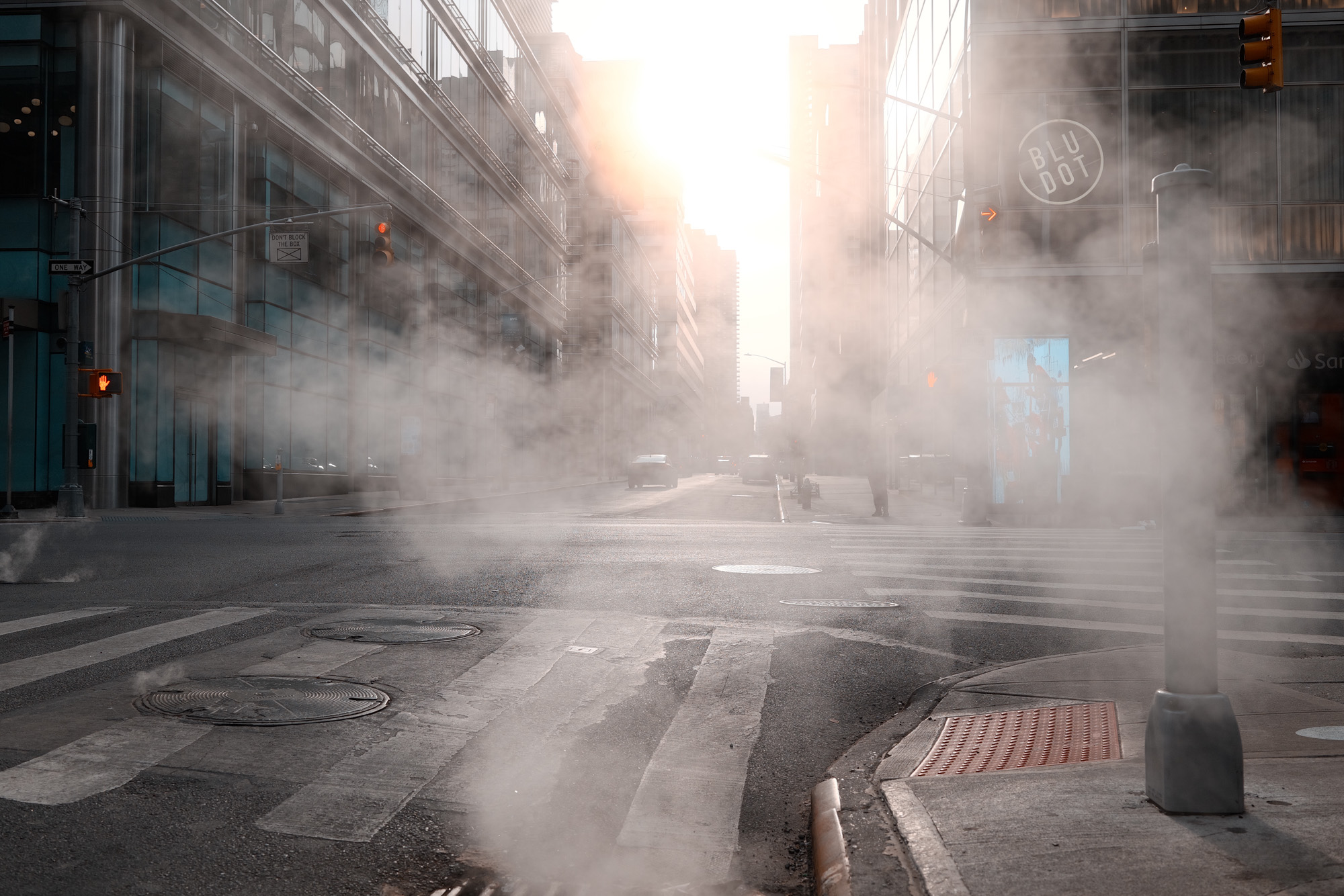
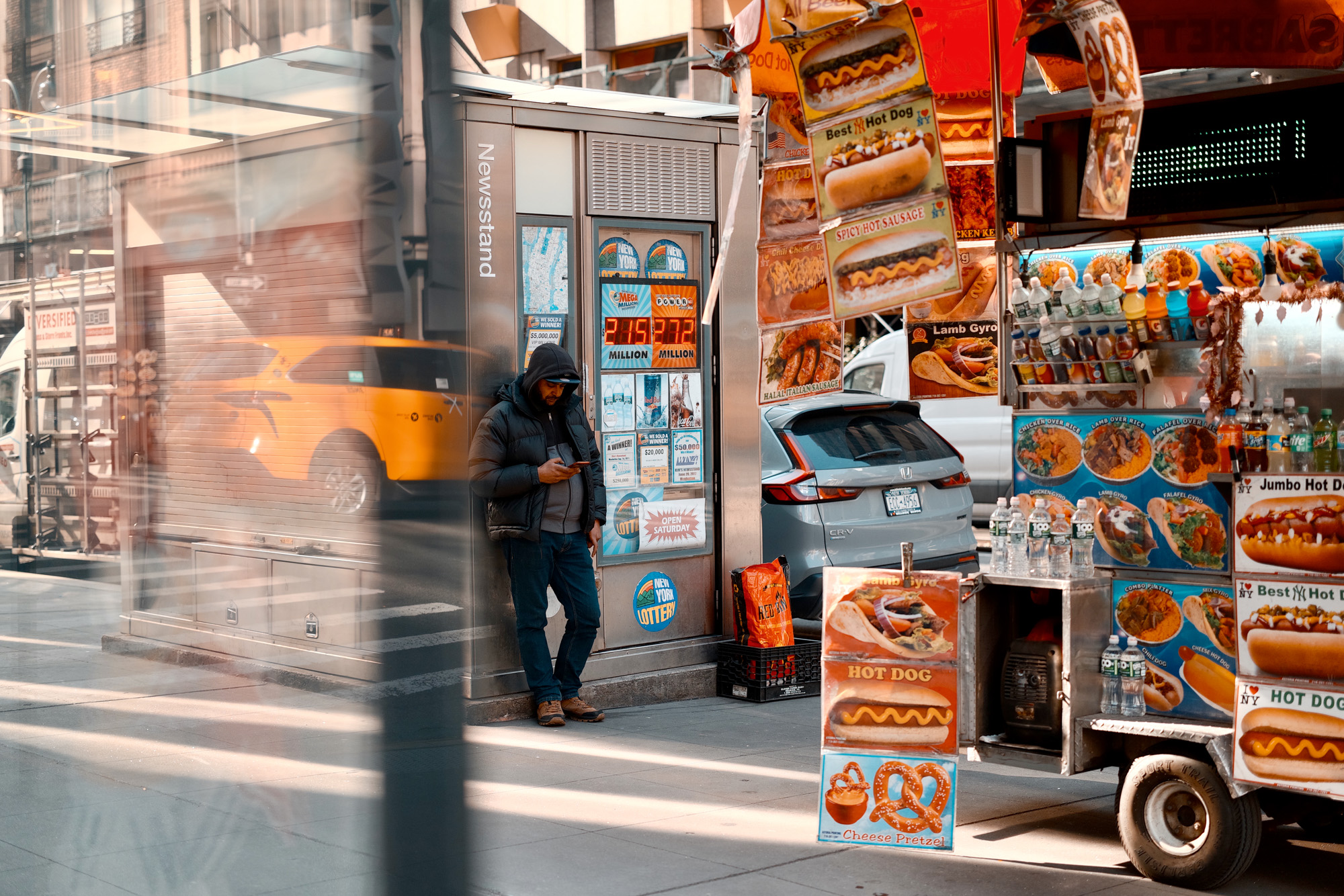
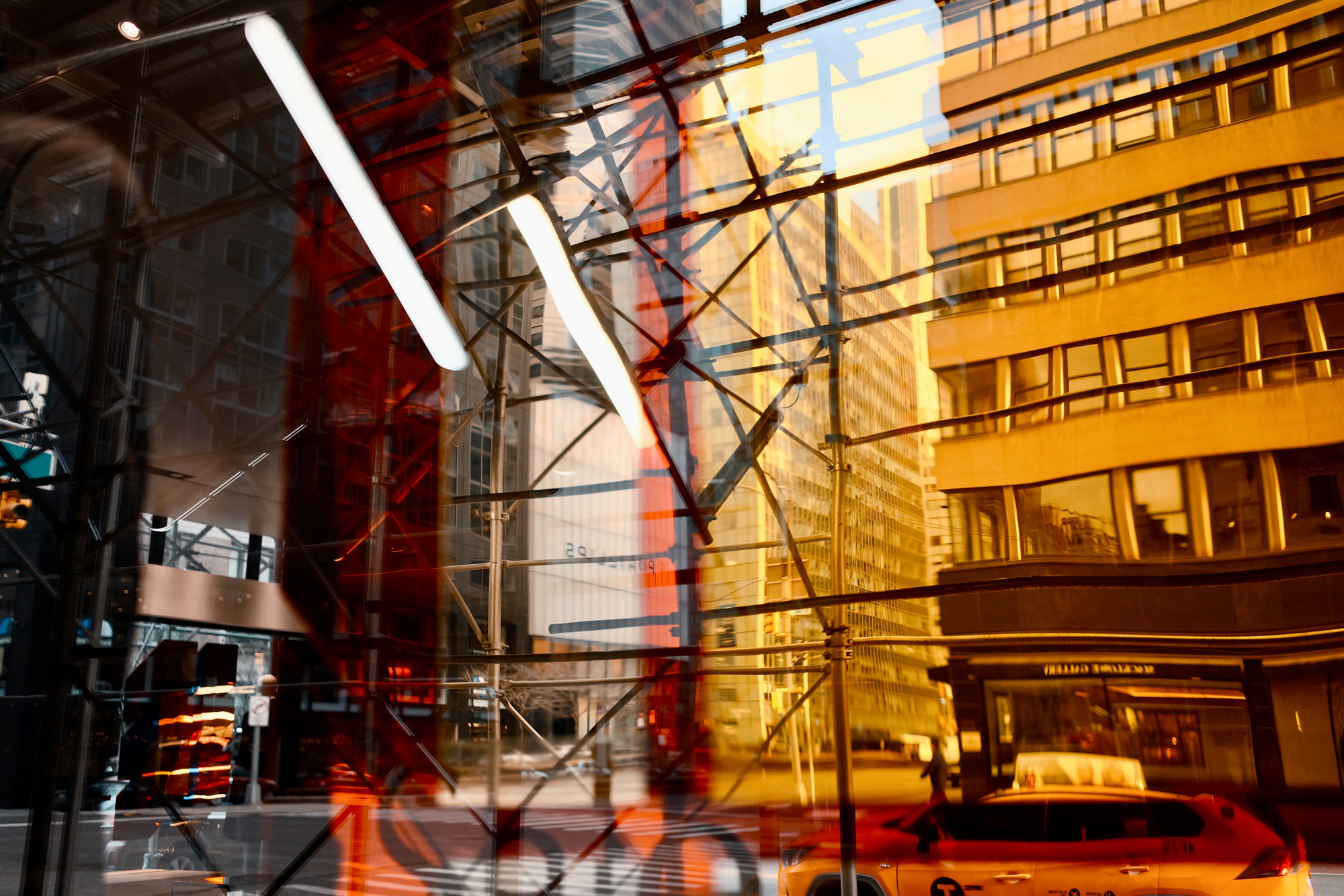
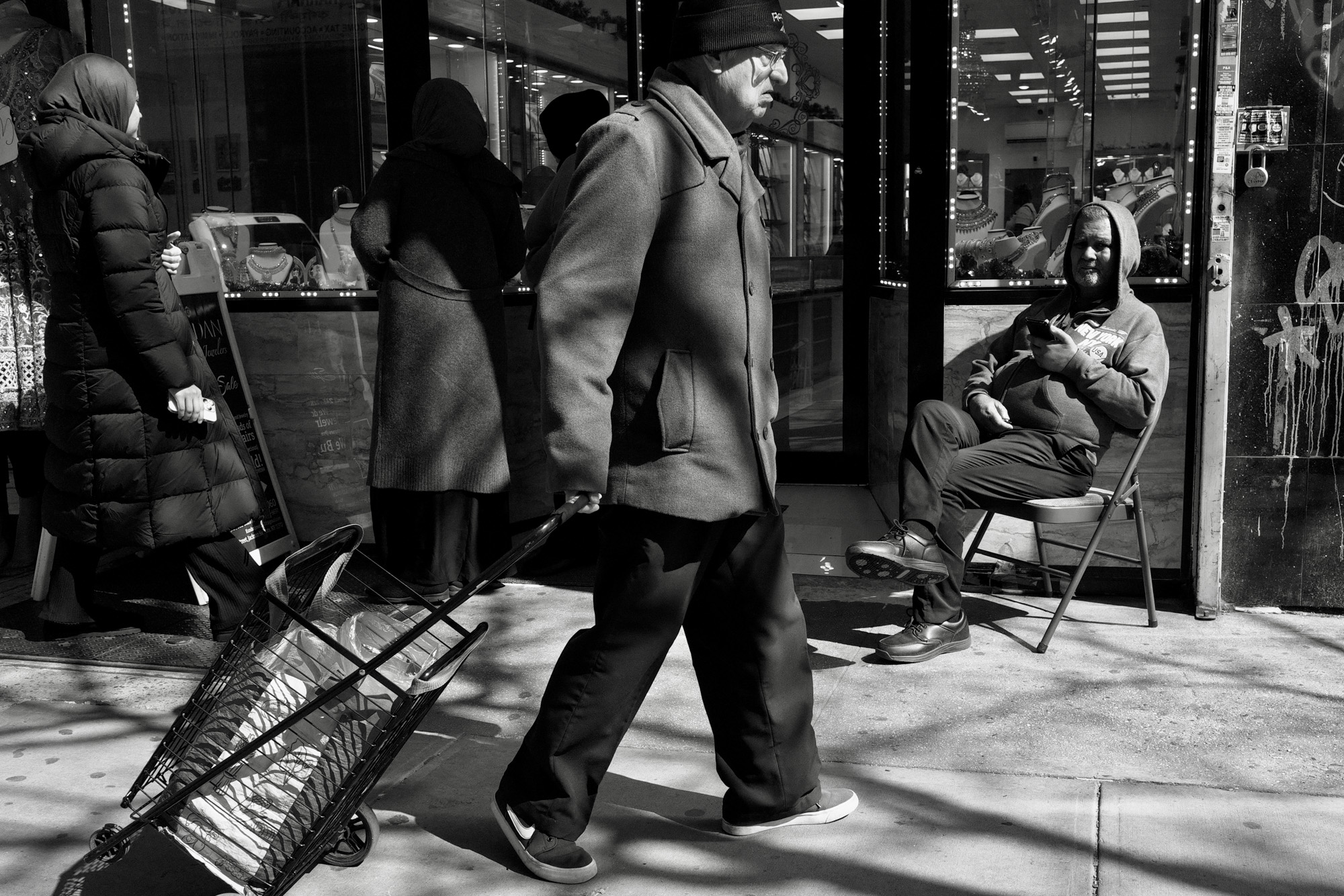
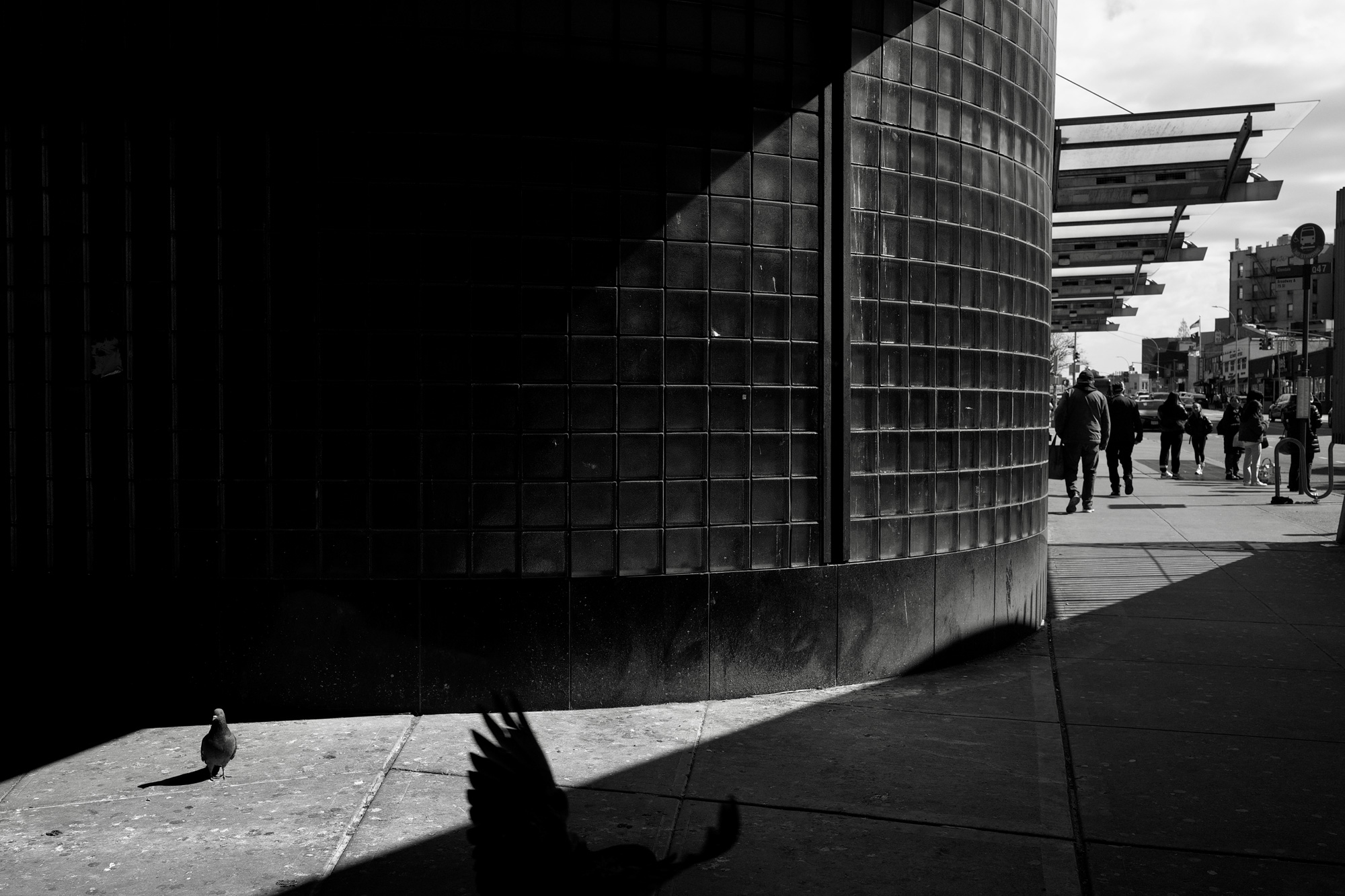
I recently took to the bustling streets of New York City with Sigma’s revolutionary new BF camera, putting this innovative device through its paces in one of the world’s most iconic and photogenic urban environments. The Sigma BF, with its philosophy of “Radical Simplicity,” proved to be an intriguing tool for capturing the essence of New York’s vibrant street life.
The compact and simple Sigma BF enables you to react to a split-second moment.
The Sigma BF: A New Era of Simplicity
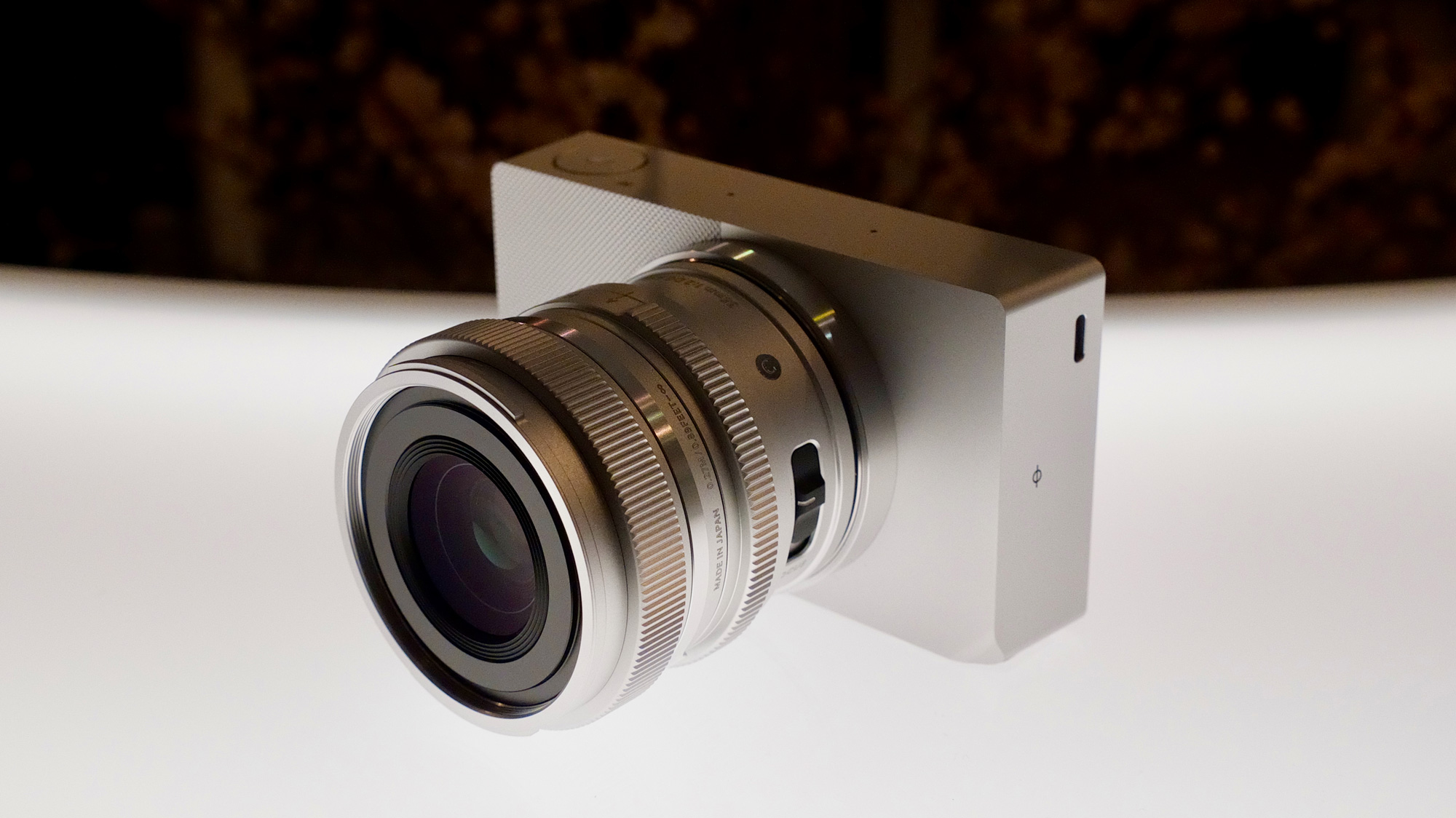
The Sigma BF, launched in February 2025, represents a paradigm shift in camera design. With its sleek unibody aluminum construction and minimalist interface, the BF stands out as a testament to Sigma’s commitment to simplicity and style.
Stylish yet understated, the Sigma BF camera is a beautiful piece of equipment.
Unibody Construction: A Solid Foundation
The Sigma BF’s unibody construction immediately caught my attention. Carved from a single aluminum block over seven hours, the camera boasts unprecedented rigidity and durability. This seamless, all-metal body harmonized perfectly with the attached I series lenses, providing a reliable and comfortable weight that I found ideal for long days of street photography.
From right to left, solid aluminum block to final BF camera body.
Single Finger Operation: Streamlined Shooting
One of Sigma BF’s standout features is its emphasis on single-finger operation, which was designed to offer the easiest and simplest user interface for daily use. I appreciated this streamlined approach, allowing me to focus more on capturing fleeting moments rather than fiddling with complex controls.
Just a few controls are required, and the most common operations are handled with the thumb wheel alone.
Dual Layer Menu System: Intuitive Control
The Sigma BF’s dual-layer menu system impressed me with its intuitive design. All essential settings are organized into two screens: the Main Menu and the Optional Menu. This configuration allowed me to quickly access critical shooting parameters without diving into convoluted menu structures.
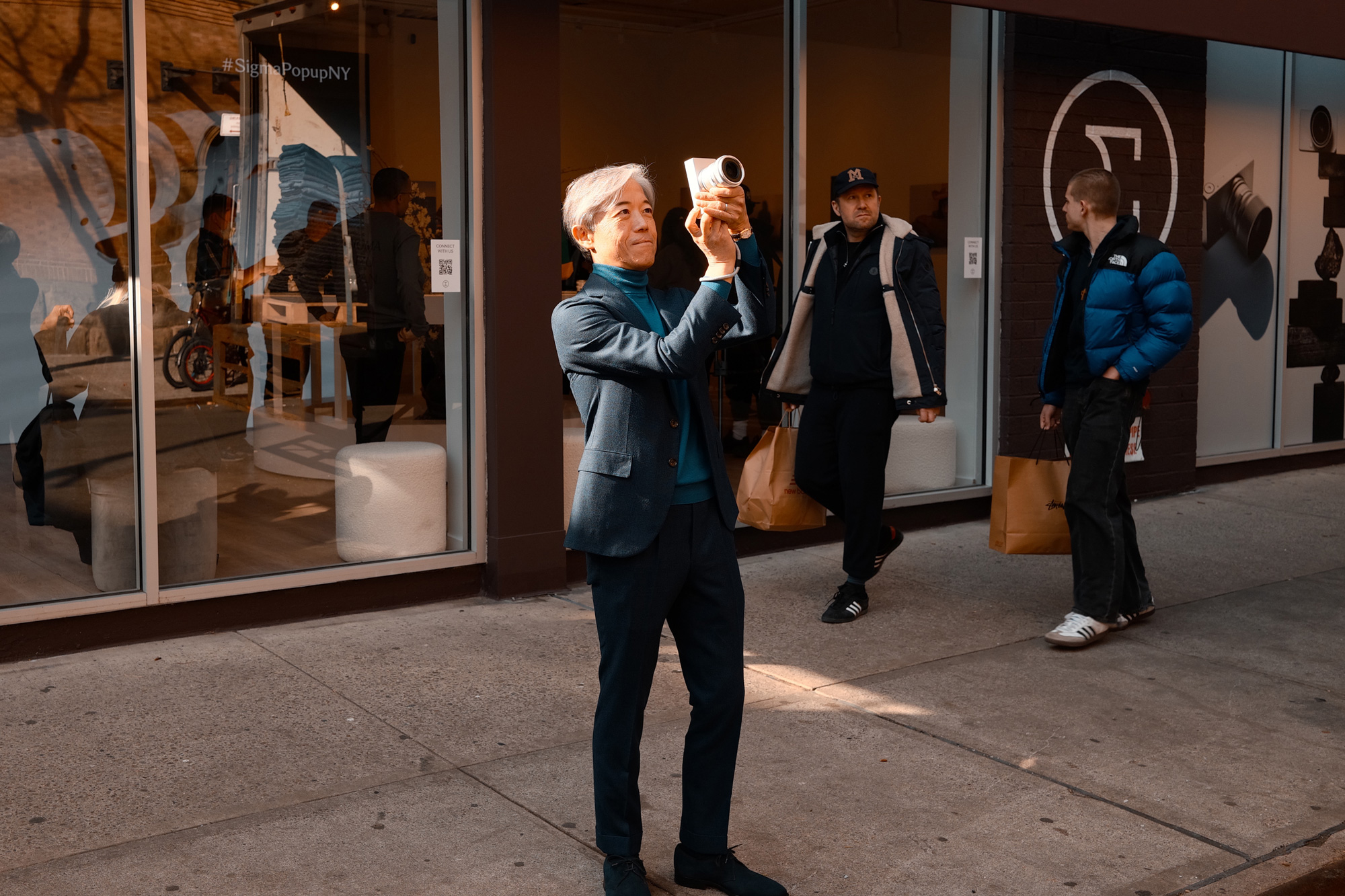
The Sigma BF was designed to be easy to use, even on a busy NYC street (pictured, my friend and Sigma CEO Kazuto Yamaki)
Street Photography Performance
The Sigma BF’s 24.6MP full-frame, backside-illuminated CMOS sensor delivered excellent image quality, particularly considering street photography’s challenging lighting conditions. The camera’s wide dynamic range and native ISO sensitivity of 100-102400 proved valuable in capturing the nuances of New York’s diverse urban scenes.
The hybrid phase detection and contrast detection autofocus system ensured quick and accurate focusing, crucial for my style of capturing spontaneous moments. The ability to shoot continuously at up to 8 fps allowed me to easily capture fast-moving subjects.
The Sigma BF’s striking design didn’t go unnoticed on the streets of New York. I noticed numerous curious glances and pointed fingers from passersby, intrigued by the camera’s unique appearance. However, the Sigma BF proved to be more than just a pretty face, offering practical features like 230GB of internal storage, eliminating the need for memory cards, and providing ample space for a full day of shooting.
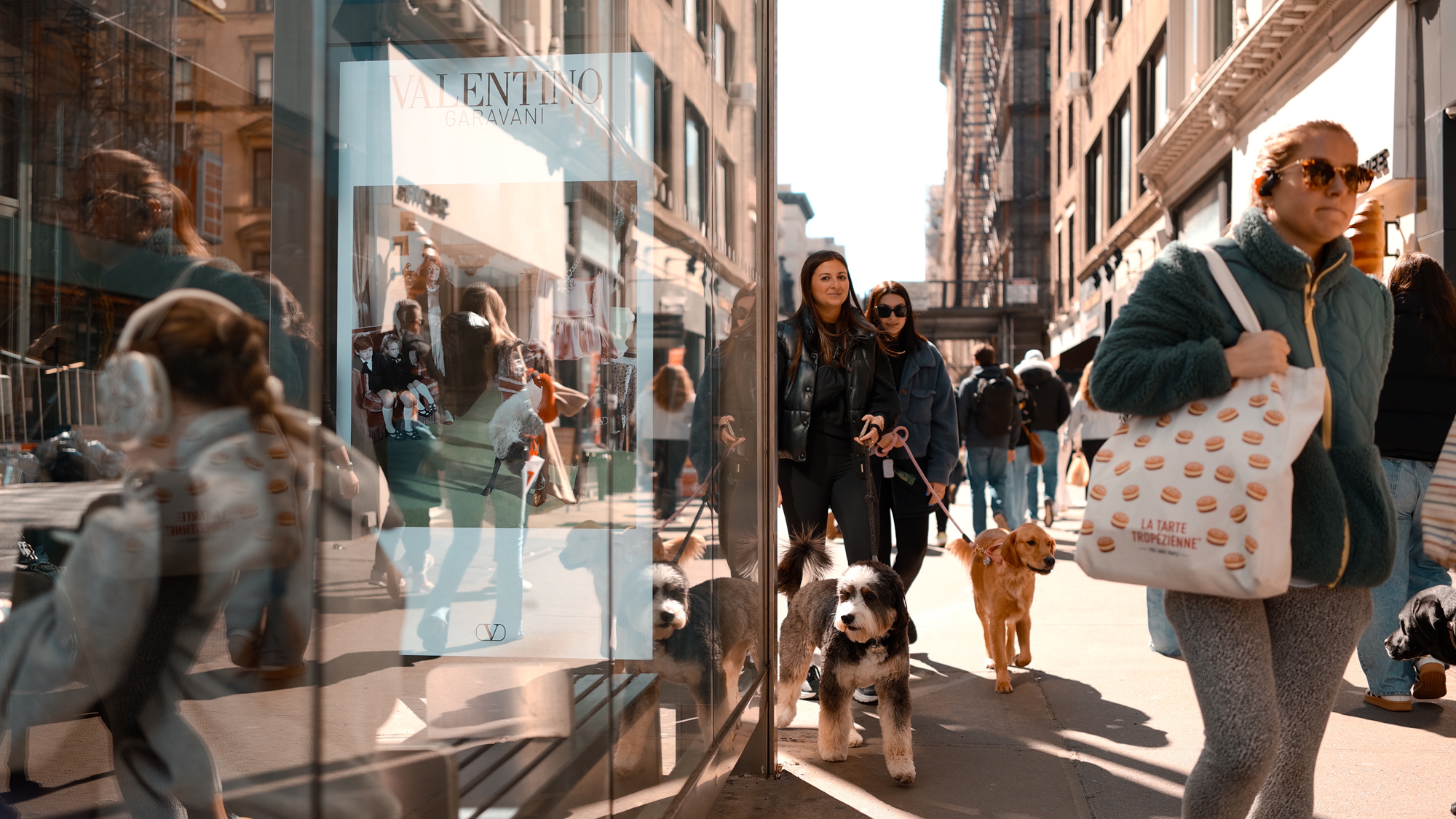
Sigma BF + 35mm F2 DG | Contemporary
Color Profiles and Creative Options
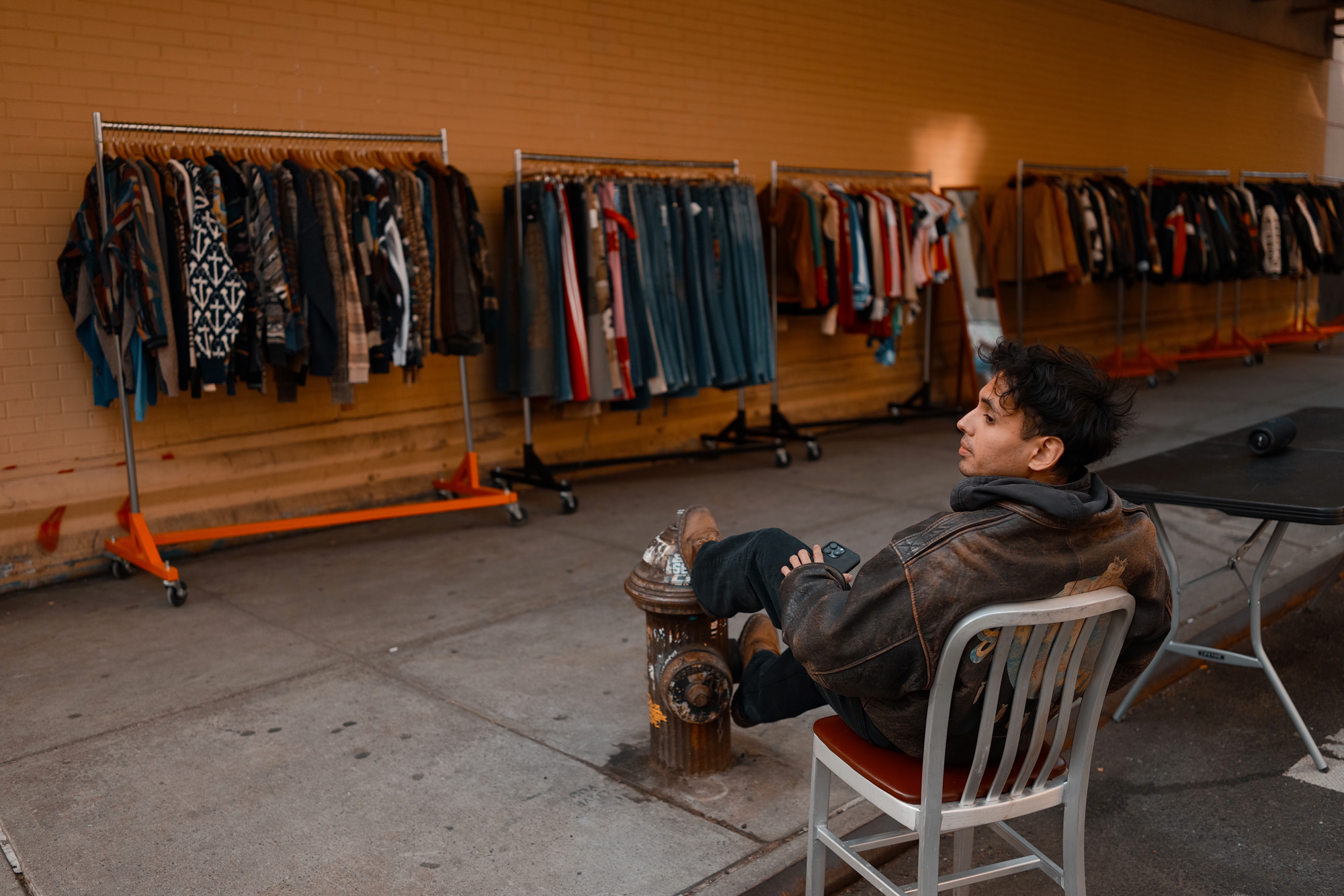
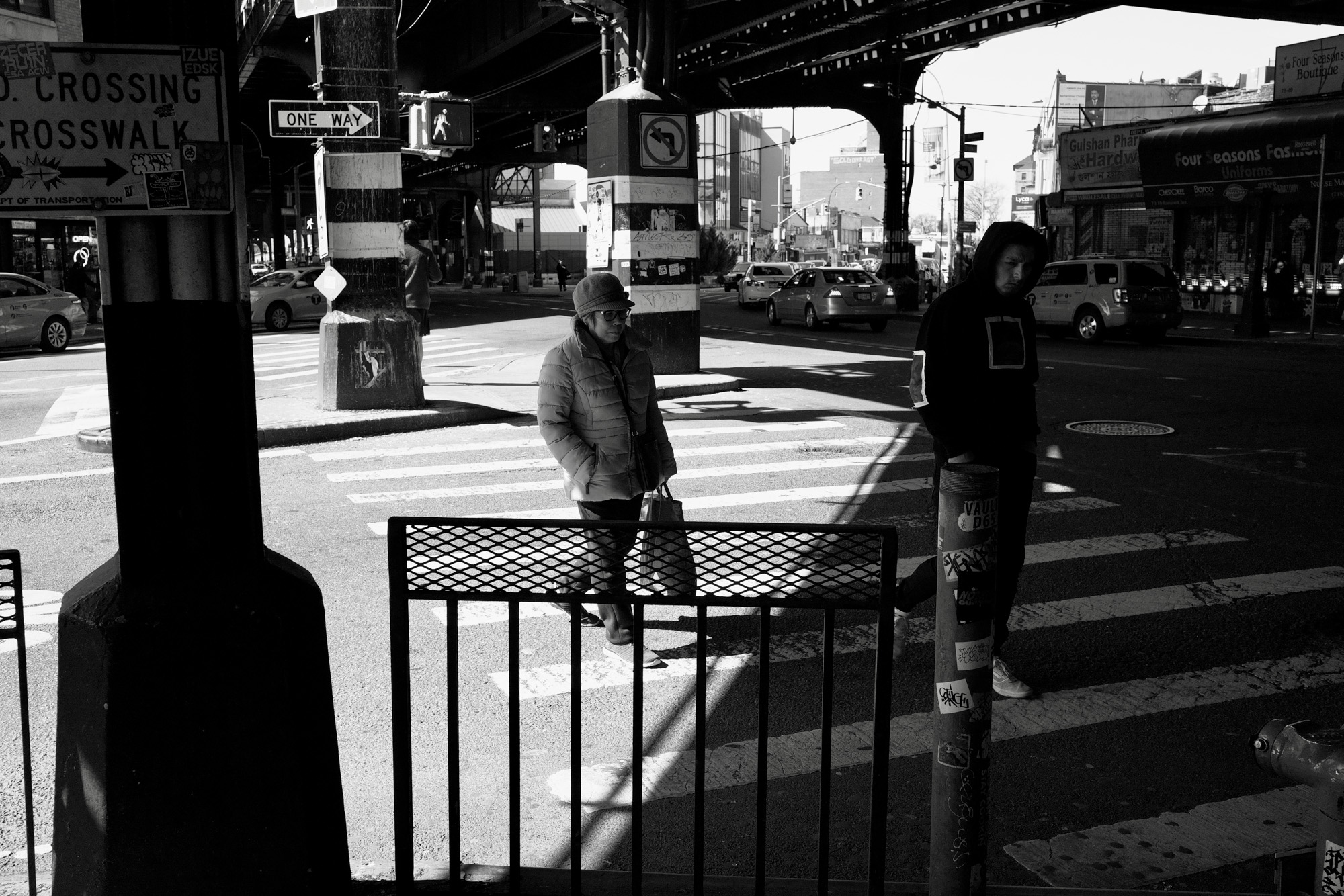
I was particularly impressed with the Sigma BF’s color profiles, including the new “Calm” and “Rich” modes. These options allowed me to experiment with different looks, from muted and low-contrast to vibrant and dramatic, directly in-camera. Monochrome mode, with its various toning options, also proved to be a valuable tool for creating striking black-and-white street images.
My favorite color mode is “Teal & Orange” which yields a nostalgic feel.I believe that black and white is the “color” of street photography, so the easily-accessible Monochrome mode was especially useful.“Rich” mode provides saturated colors, ideal for photographing in a city with diverse cultures.
Final thoughts on the Sigma BF
This camera’s unique philosophy of “Radical Simplicity” resonated with my approach to street photography. The camera’s intuitive operation, distinctive visual style, and seamless integration with modern lifestyles made it an excellent companion for capturing the essence of New York City’s streets.
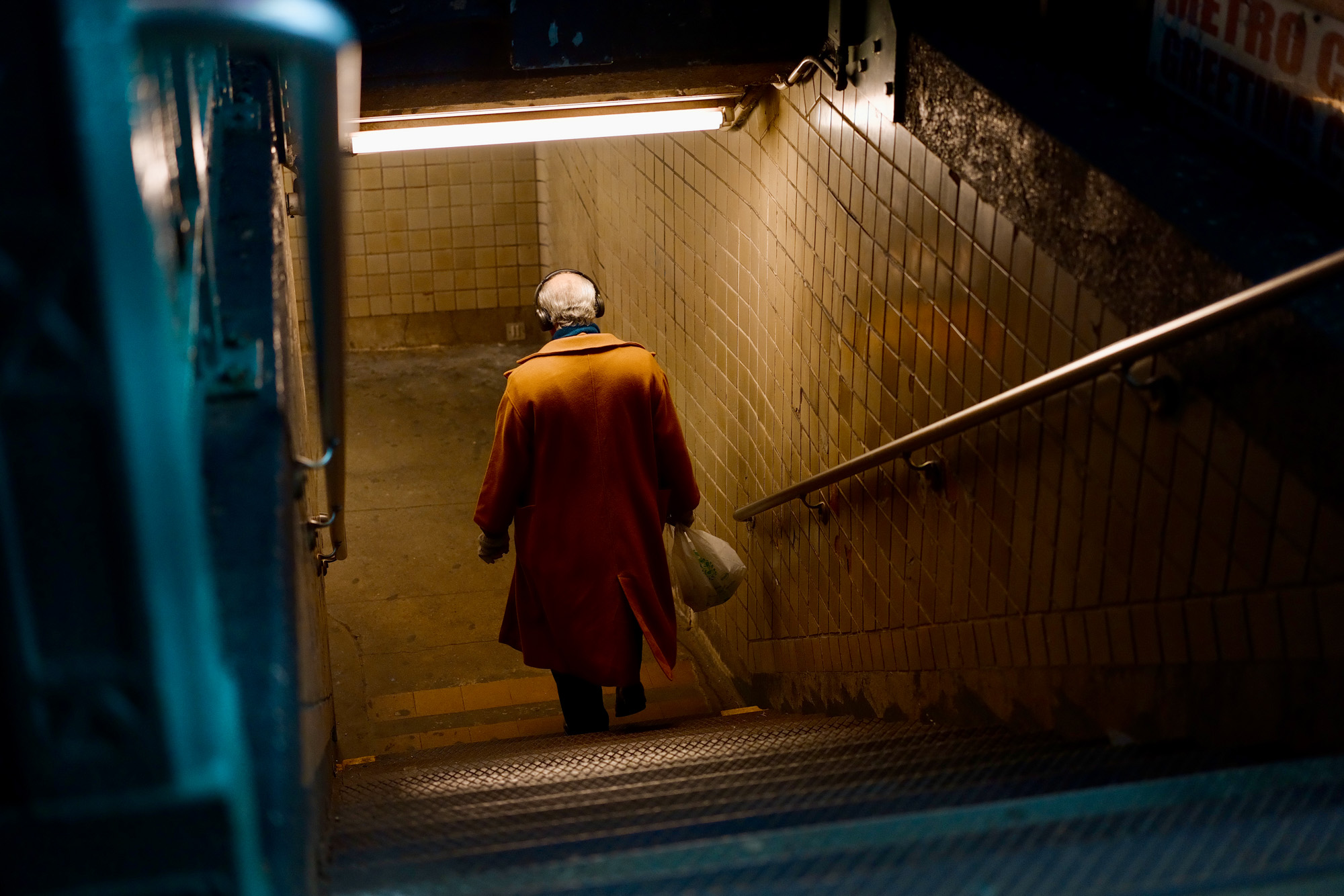
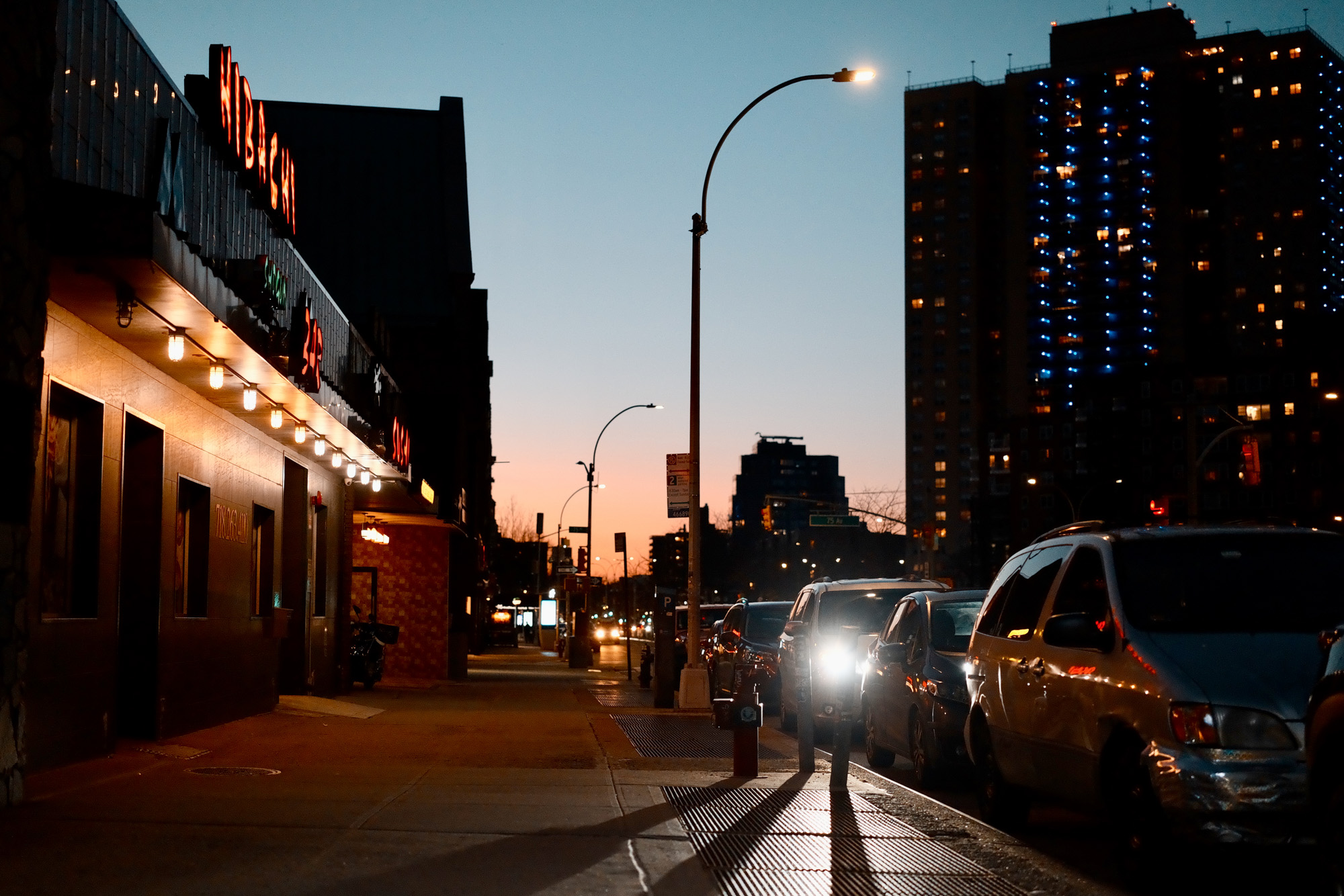
The Sigma BF and the accompanying I series lenses (35mm F2 & 50mm F2) also turned out to be excellent low-light performers.
I found that the purposeful limitations of the Sigma BF encouraged creativity, leading me to focus on composition and timing rather than relying on complex features. As a tool for the discerning street photographer who values simplicity and style, the Sigma BF proved to be a compelling option in my hand.
Each month, we explain a recent cost estimate, contract, or purchase order in the form of a Pricing & Negotiating article. By redacting the names of the photographer and the client, we can share useful information that would otherwise be confidential. You can read more about our Building Estimates service on the Consulting Services page of our website.
Concept: Executive Headshots and Environmental Portraits Licensing: Perpetual Publicity and Collateral use of 7 images Photographer: Portrait and Lifestyle Specialist Client: National Grocery Store Chain
Summary
I recently collaborated with a photographer to develop an estimate for a corporate portraiture photoshoot for a US-based grocery retailer. The project’s goal was to capture the authenticity, approachability, and leadership of the company’s Chairman/CEO and President/Vice-CEO.
We planned for the shoot to take place in a single day at a store location in the Southwestern US. The client would plan to coordinate the schedule to minimize disruption to store operations and, at the same time, allow the photographer to accomplish everything they needed to.
Deliverables included 4 high-resolution headshots and 3 environmental portraits, all licensed for perpetual publicity and collateral use. They intended for these visuals to enhance the company’s marketing materials, reinforce its brand ethos, and connect with its customer base on a more personal level.
Fees
The client’s brief outlined a need for Publicity and Collateral use for the imagery, which informed the pricing structure. We determined that perpetual usage rights were appropriate for this particular project.
Perpetual usage relates to the duration the client can use the images. Perpetual usage means the client can use the images indefinitely. But, the usage is still confined to the agreed-upon media (in this case, publicity and collateral).
Unlimited usage, on the other hand, implies no restrictions on the type of media placement, often making it broader usage for things like paid advertising.
Why Perpetual Usage?
Leadership portraits don’t stay relevant forever. Executives update their photos every few years, so setting a time limit on usage would likely expire after the images are already outdated.
It simplifies things for both the client and the photographer. No need to track expiration dates or negotiate renewals for images that won’t be used long-term anyway.
It encourages repeat business. Even with perpetual rights, occasional leadership changes (just in the age and look of the person, or who’s in the actual role itself) mean new photos will be needed. Making the process easy builds goodwill and increases the chance they’ll return to the same photographer.
The intended use is long-term but not commercial. Since these images are for PR and internal branding (not paid advertising), perpetual licensing makes sense — it’s a one-time cost for the client, with not much downside for the photographer.
The creative and licensing fee was set at $3,500, a rate reflecting the project’s somewhat smaller scope balanced with the longevity of the usage rights. We also included a tech/scout day, priced at $500, to allow the photographer to familiarize themselves with the location and refine logistical details.
Crew
We included a first assistant at $500/day, with an added 25% payroll fee, bringing the total to $625 for the shoot day. Given the shoot needs, the inclusion of the photographer’s trusted first assistant to handle equipment setup, lighting adjustments, and management of digital workflows was of great importance.
Styling
We allocated $875 for a men’s groomer/hair and makeup stylist to be present on shoot day. This role would also include light wardrobe adjustments, providing the professional polish necessary for high-quality headshots and portraits.
Equipment
We allocated a conservative budget of $250 to cover any supplemental equipment needs. The photographer owned most of the required equipment, but additional backdrops were necessary to achieve the desired aesthetic for the headshots.
Misc.
To cover incidental costs such as meals, parking, and mileage, we included a budget of $200. We noted these expenses were to be billed at cost to provide flexibility while maintaining transparency.
Post-Production
We budgeted $300 for the initial edit and client review, hosted on a web gallery. We allocated an additional $700 for retouching seven selected images, priced at $100 per image to include up to one hour of retouching work each. This process ensured each image met the client’s expectations and upheld the brand’s standards.
Results
The photographer was awarded the project, and the shoot was scheduled to take place within the following weeks!
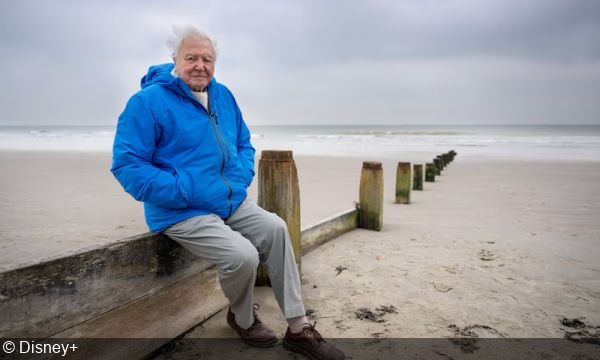
May 8th is David Attenborough’s 99th birthday, and in his new documentary, Ocean, he’s marking the occasion with a veritable call to arms. “If we save the sea, we save our world,” says Sir David.
Over the last seven decades, the beloved English presenter has made many films focused on our marine world, but this latest one is something different. Of course, there’s awe-inspiring cinematography aplenty, as you’d expect, but this time, the camera shows us the full extent of the tragedy occurring on the high seas today: The colorful reefs teeming with fish abruptly give way to vast deserts of broken, gray, lifeless coral—the aftermath of dragging huge nets along the ocean floor, killing everything in their path.
“When I first saw the sea as a young boy, it was thought of as a vast wilderness to be tamed and mastered for the benefit of humanity,” says Attenborough in Ocean. “But now, as I approach the end of my life, we know the opposite is true.” Elsewhere, he admits: “After living for nearly 100 years on this planet, I now understand the most important place on Earth is not on land, but at sea.”
While Sir David may have been criticized in the past for not doing enough to sound the alarm regarding the destruction of the natural world, in this documentary he doesn’t mince his words as he explains all the shocking ways we are harming our seas—with a particular emphasis on the blanket destruction caused by bottom trawling. Not only is he enraged that this practice is legal, but he’s also incensed by the fact that it is actively encouraged by governments through subsidies. “Three billion people rely on our ocean for food,” he points out in Ocean. “But ships sent by a few wealthy nations are starving coastal communities of the food source they have relied on for millennia. This is modern colonialism at sea.”
Ultimately, though, Sir David is still hopeful. What he calls the “most remarkable discovery of all”—that the ocean can “recover faster than we had ever imagined”—has kept him from despair. He remembers a time, as a young man, when large-scale commercial whaling had all but wiped out our ocean’s largest inhabitants, but how—against all odds—a global powers bowed to public pressure and worked together to save the whales by enacting a moratorium on commercial whaling. In Ocean, he shows us places where conservation measures have been effective and marine life is thriving, and he’s optimistic about the global commitment to protect 30 percent of the world’s ocean by 2030, established at the 2022 UN Ocean Conference.
At 99, Attenborough’s mellifluous voice is still strong: “It is my great hope that we all come to see the ocean, not as a dark and distant place with little relevance to our lives on land, but as the lifeblood of our home,” he says.
Ocean is in cinemas from May 8th, and will stream on Disney+ on June 8th—UN World Oceans Day.
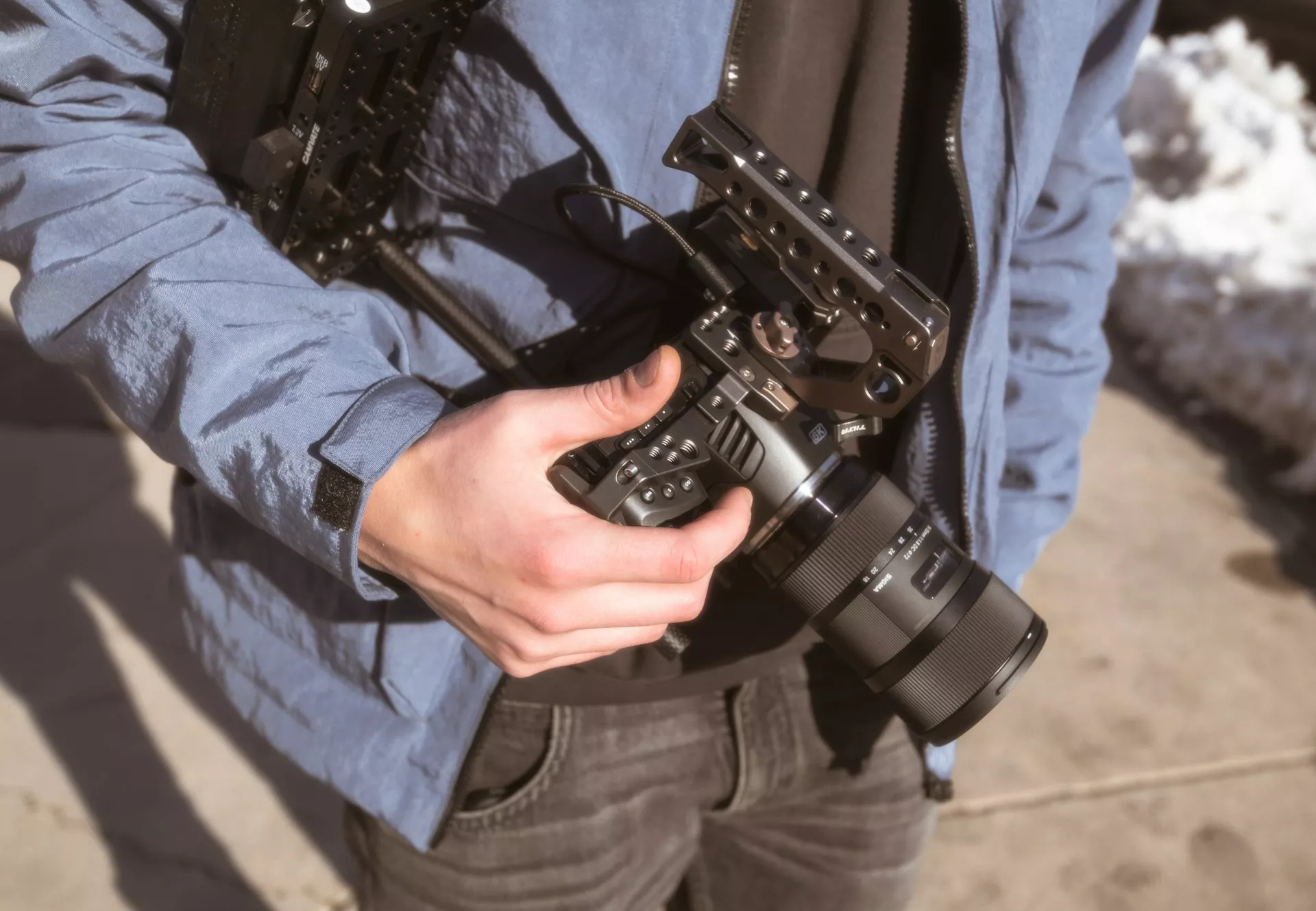
When photographers travel abroad, one of the most crucial matters they need to be aware and take care of is safety for their gear and themselves. There are many incidents of thieves snatching cameras from photographers all around the world and a very few are usually able to get their equipment back.
Photo by Filtergrade
In Barcelona, Spain, a Chinese photographer, Jia Daming, was able to choke down the thief who snatched his camera and this news has gone viral for his heroic act. Footage of the incident can be found here on X. The photographer was not harmed and was able to get his equipment back.
The photographer who travels the world to shoot for fashion, celebrity brands and wedding photography, was filming a newlywed couple in a famous landmark in Barcelona, Spain, when a group of three men tried to steal the camera. The photographer got hold of one of the thieves while the other two fled the scene.
Witnesses in that area, besides capturing this incident, quickly called the local police to report the incident. The thief was choked by the photographer in an act of self-defence and to restrain him till the police arrived. The police handcuffed the thief and according to other reports, the police are investigating this matter.
The footage from the scene have been shared on social media and has attracted millions of views. Onlookers and social media users applauded the photographer for his brave act. While it can be very dangerous to restrain a thief, it looks like the photographer used martial arts to neck choke hold the thief and this can sometimes even cause death because of the restricted air and blood flow to the brain.
We have more news for you to read if you are interested at this link here.
The Art of the Personal Project is a crucial element to let potential buyers see how you think creatively on your own. I am drawn to personal projects that have an interesting vision or that show something I have never seen before. In this thread, I’ll include a link to each personal project with the artist statement so you can see more of the project. Please note: This thread is not affiliated with any company; I’m just featuring projects that I find. Please DO NOT send me your work. I do not take submissions.
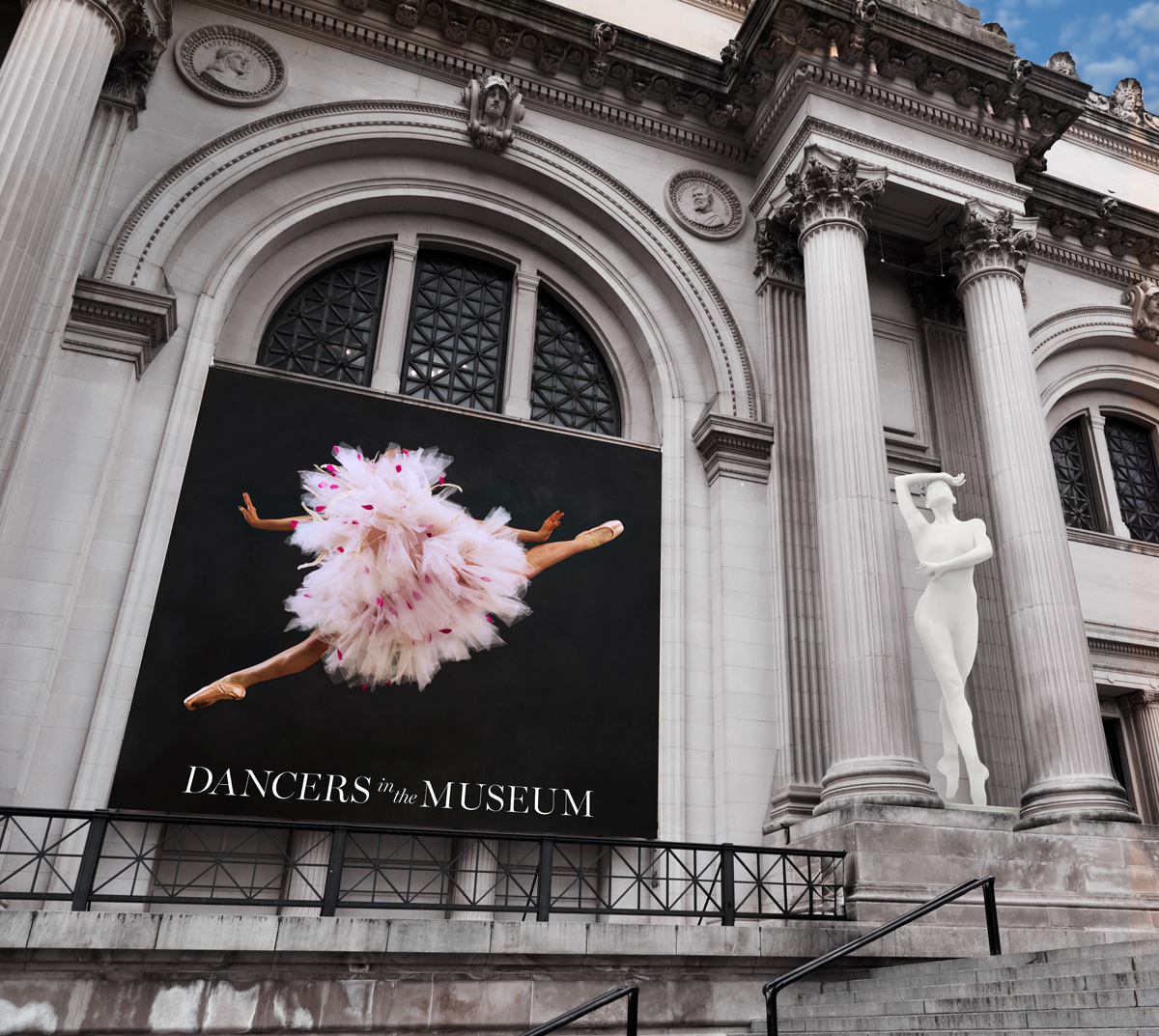
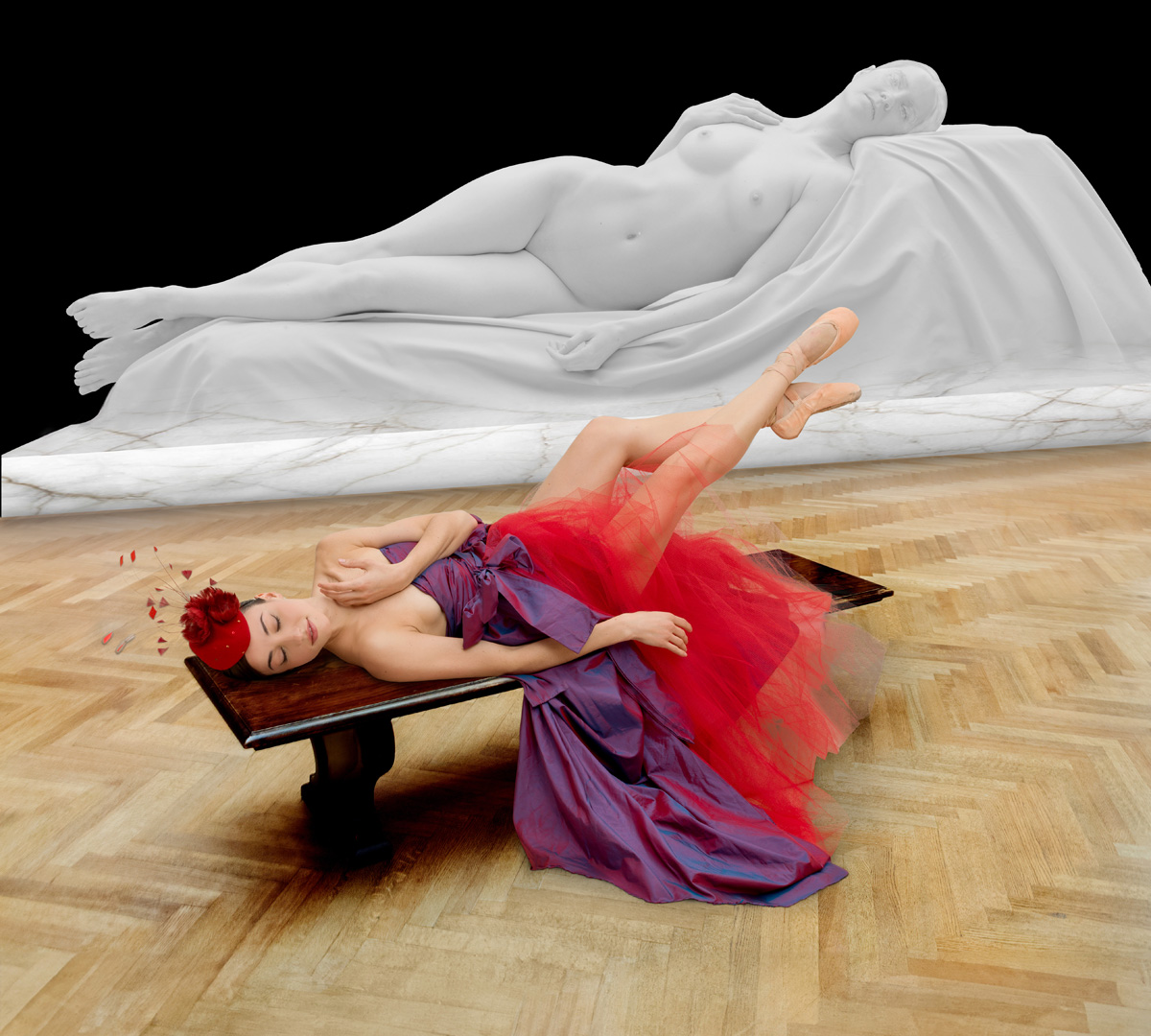
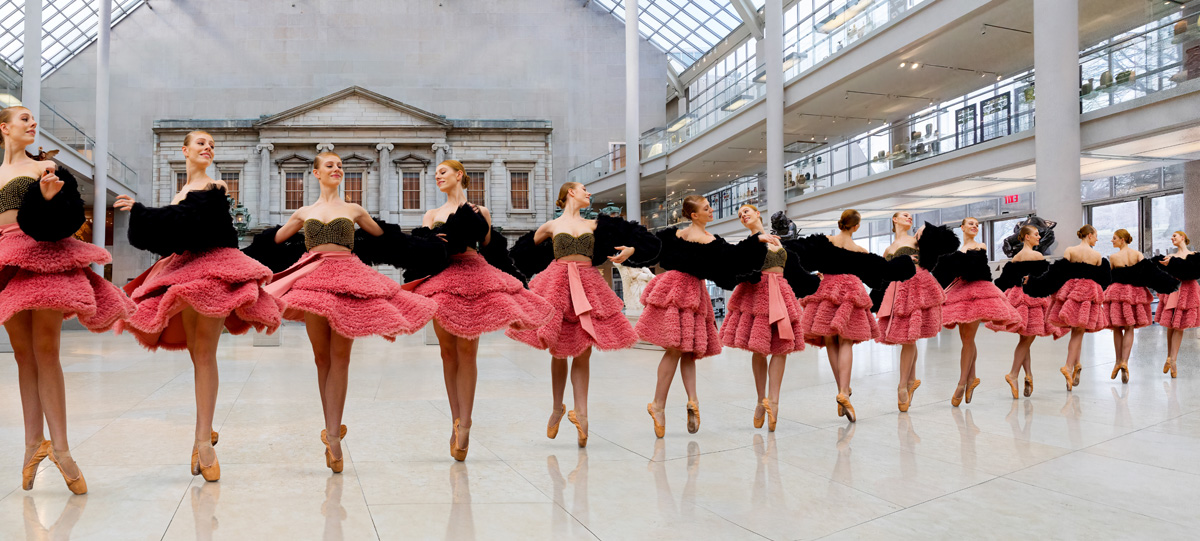
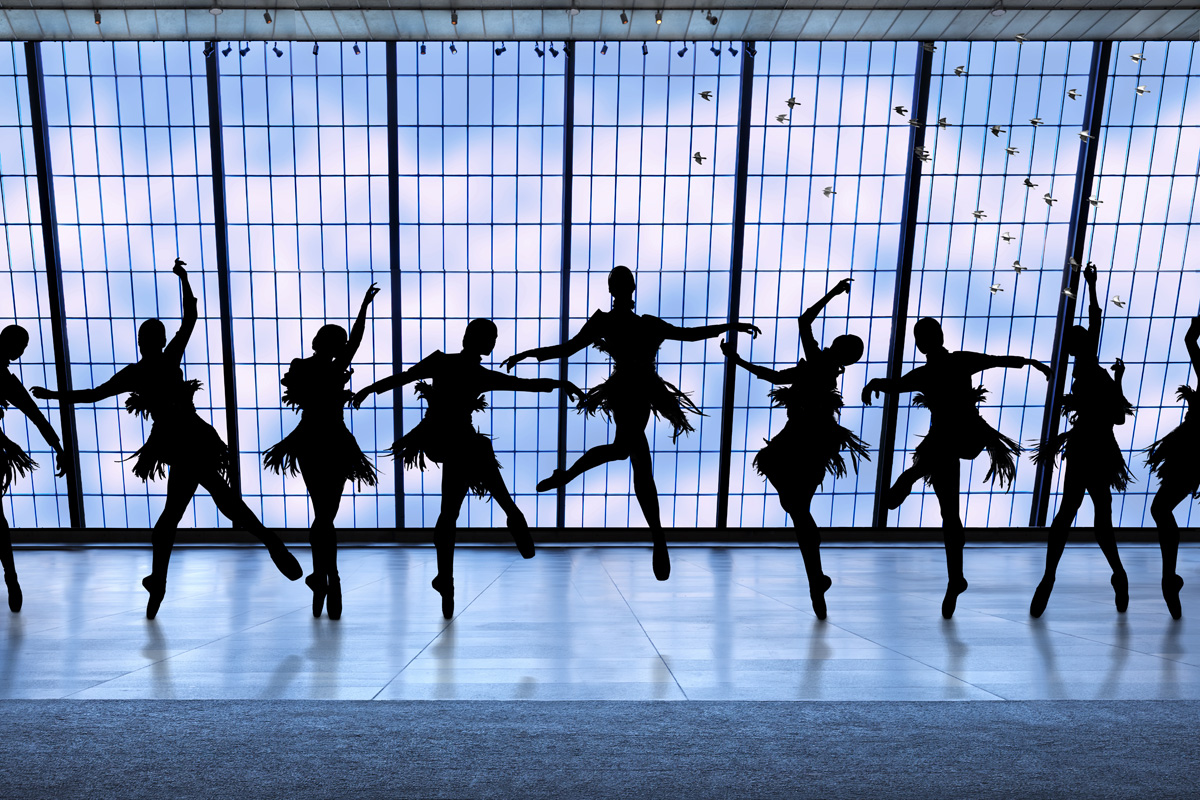
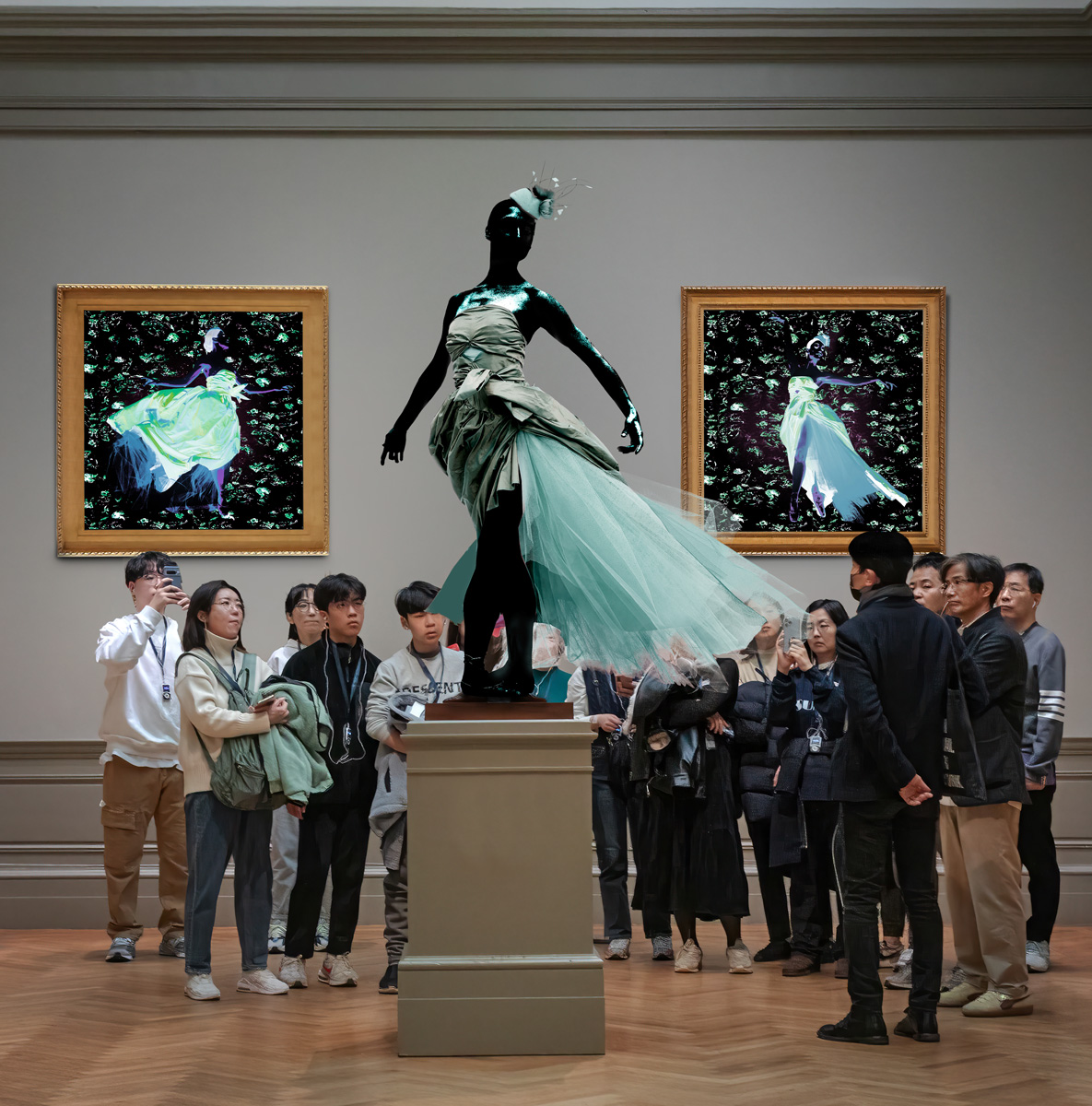
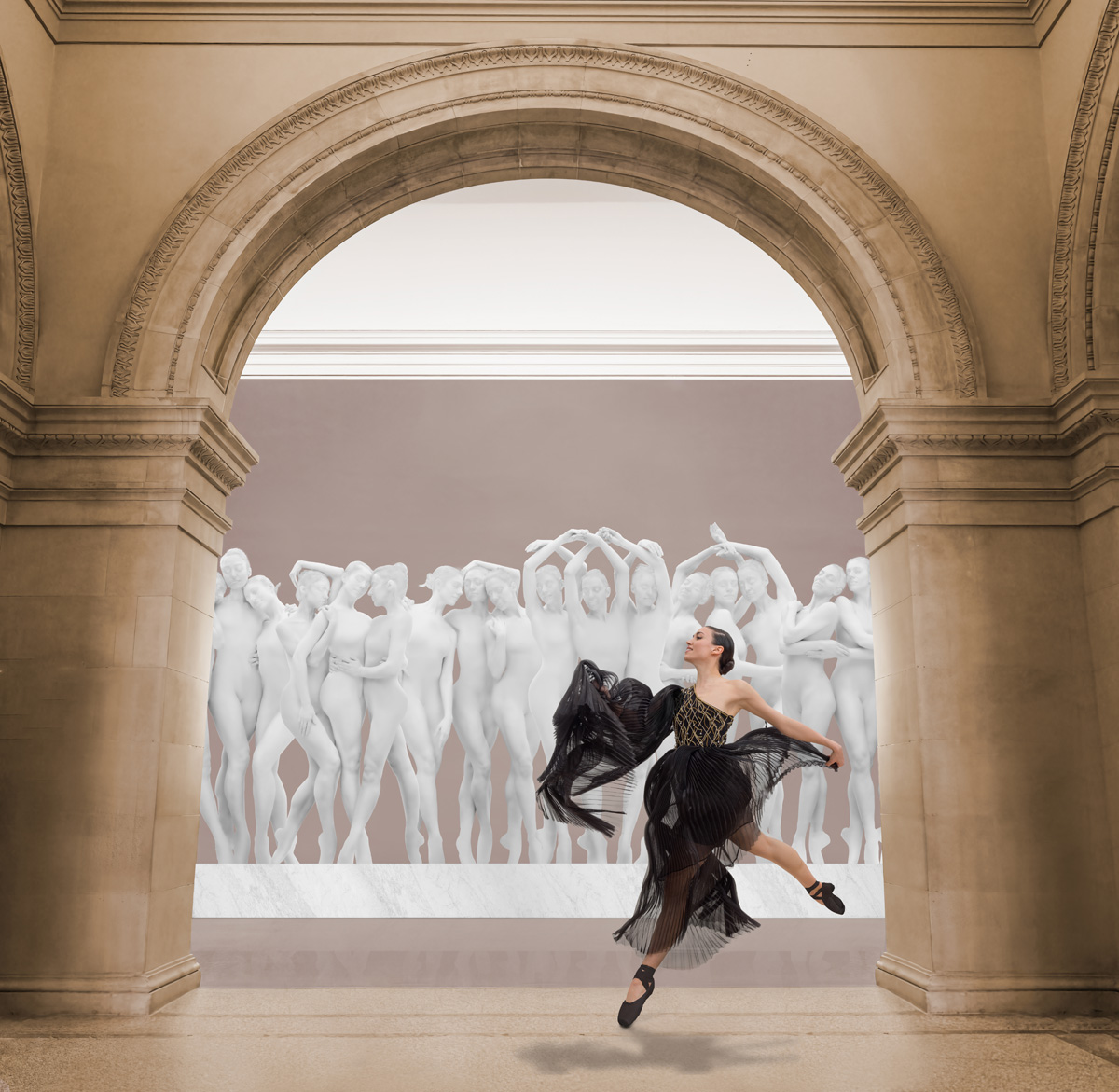
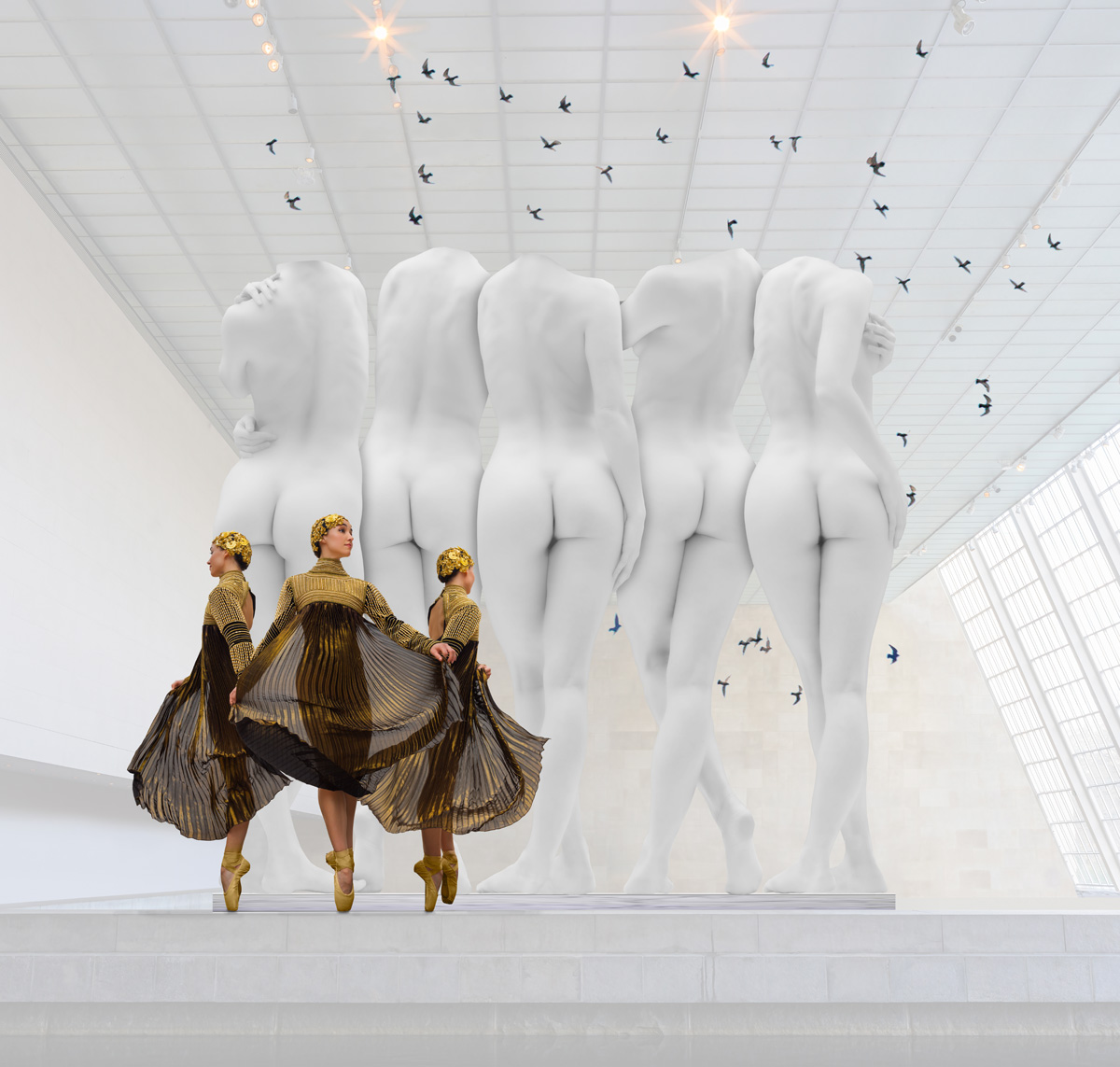
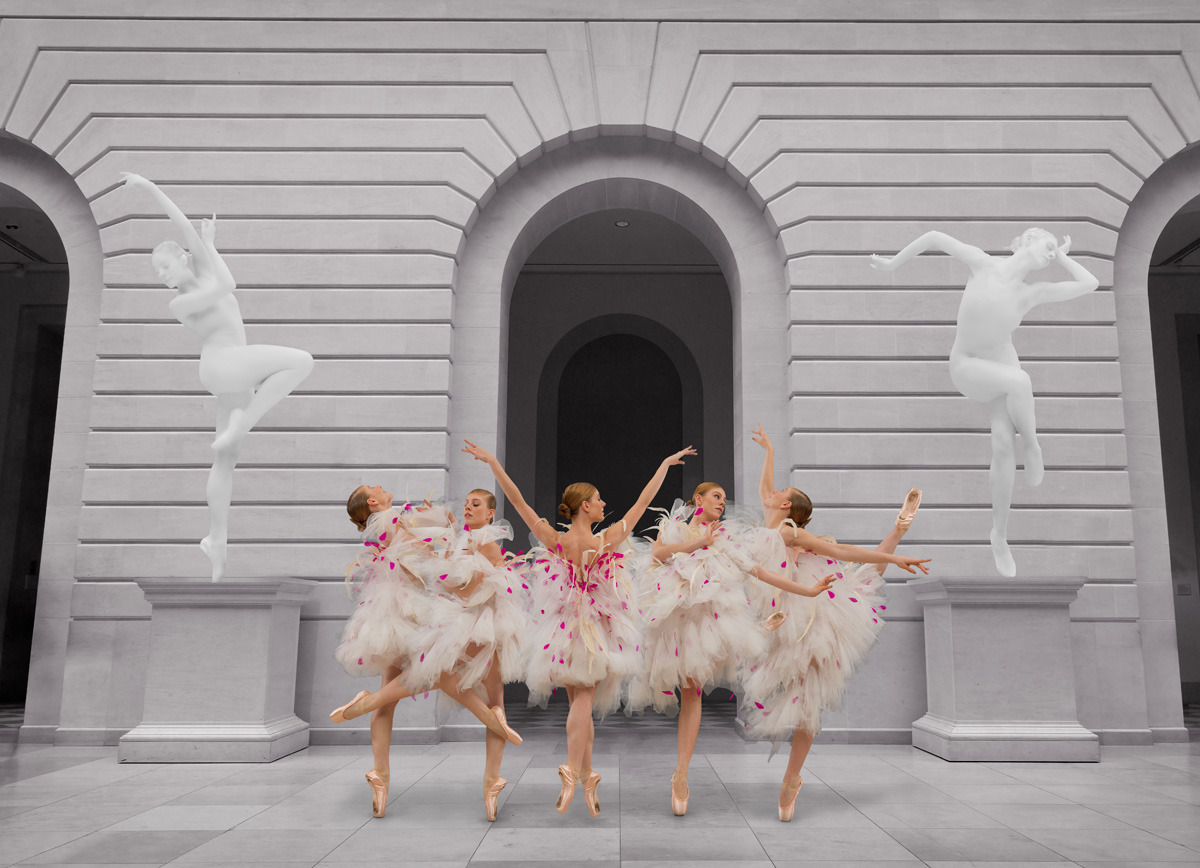
I worked for three days making photographs of the innumerable spaces and galleries at The Metropolitan Museum of Art in New York City, using my imagination to “picture” what it would look like with ballerinas in the various spaces.
In my studio, working with two dancers from The American Ballet Theater, Camila Ferrera and Betsy McBride, as well as a fashion stylist, Nikko Kefalas, hair stylist, Anike Rabiu, and make-up artist, Magdalena Major, I made images that would “fit” in the Museum’s spaces.
Suzanne Sease is a creative consultant and former ad-agency senior art buyer. She works with both emerging and established photographers and illustrators to create cohesive, persuasive presentations that clients can’t resist. Suzanne offers something rare: an insider’s perspective on how client’s source creative talent. Her deep understanding of the industry is underscored by her impressive resume: 11 years as senior art buyer at The Martin Agency, seven years as an art producer for Capital One, and stints with the art-buying department at Kaplan-Thaler and the creative department at Best Buy, where she applied her expertise to reviewing bids to see which were most likely to come in on budget. Over the years, Suzanne has worked with a wildly diverse range of clients, including Seiko, Wrangler, Bank One, AFLAC, and Clairol Herbal Essence. Now, as a consultant, she is equipped to problem-solve for her clients from an unusually dynamic point of view.
As a longtime member of the photo community, Suzanne is also dedicated to giving back. Through her Art of the Personal Project column on the popular website aphotoeditor.com, she highlights notable personal projects by well-known and up-and-coming photographers. The column offers these artists excellent exposure while reflecting Suzanne’s passion for powerful imagery.
SeaLife Shipping Red, Magenta and Yellow Filters for SportDiver Smartphone Housings
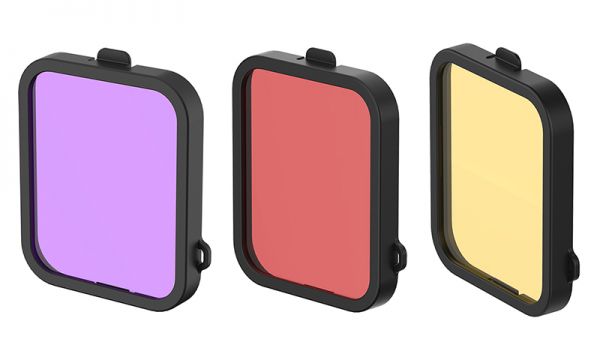
Alongside the release of the SportDiver S, SeaLife has announced a trio of color filters that can be used with all models of the underwater smartphone housing, including the original model and the “Ultra” model as well as the new “S” model. The original red filter—which ships with the SportDiver Ultra but not with the SportDiver S—is joined by a new magenta color-correcting filter for green water applications and a yellow barrier filter for fluorescence imaging. Each filter comes with a lanyard.
Priced at $20 each, the red, magenta and yellow are available from Backscatter and other good retailers.
When purchasing underwater photography equipment like the products mentioned in this article, please support DPG by supporting our retail partner—Backscatter.com.
PRESS RELEASE
SeaLife Offers Color-Correcting Filters for Popular SportDiver Smartphone Housings
MOORESTOWN, NJ – SeaLife, the maker of the SportDiver Underwater Smartphone Housings for iPhone and Android smartphones, has added color correcting filters to their accessory assortment including the original Red color filter for most diving applications; a new Magenta color-correcting filter for green water; and a Yellow filter is available for Fluorescence and UV Imaging, and certain blue water applications.
The filters are designed to restore and correct for color-loss underwater, especially in the red color spectrum. They’re made of an optical acrylic that uses proprietary color pigments. The filters are most effective at depths of 10ft/3m to 60ft/18m and are easily attachable and removeable to the SportDiver optical lens frame while underwater. The filters fit all SeaLife SportDiver models, including the original SportDiver, SportDiver Ultra and the new SportDiver S.
The color filters may be used with or without external underwater lights, depending on the shooting distance and water conditions. The filter also serves as a protective cover for the SportDiver’s optical glass port.
A lanyard is included for attaching the filter to the housing to prevent loss.
Item
Description
US Retail
SL40007
SportDiver Red Color Filter – for most Blue water applications
$20
SL40003
SportDiver Magenta Color Filter – for Green water
$20
SL40005
SportDiver Yellow Color Filter – for UV, Fluoro Lights, Blue water