One of the great photographic challenges is making a photograph that is different: different from what others are making and different from the images you’ve made so many times before.
Taking the same photograph over and over doesn’t appeal to me. I want to go further, learn more, and get closer and closer to images that feel uniquely my own. I’m betting you do, too.
So how do we do that? It takes a conscious effort. It takes a recognition that the “same old, same old” isn’t scratching the itch it once did. And it also takes some risk. After all, we do the same old, same old because it works. It’s safe. It’s obvious to us. Approaching things a bit more obliquely isn’t obvious—at least not at first. But being in the moment and then thinking, “I need to do things differently!” isn’t much help, either. Which things? Different how? Asking more specific questions and looking for interesting answers has always been my starting point of departure from my norm.
Here are five questions I ask myself to get unstuck and discover new directions.
How Can I Change My Point of View (POV)?
Often, the easiest way to change things is to get the camera into a new place—to go against your first instinct just to raise it to your eye.
I spent my last safari in Kenya bent over the side of the vehicle or shooting low through an open door after removing one of the seats. Two years ago, I finally caved in and bought chest waders so I could get my camera closer to water level. I’ve started playing with putting my camera in places where I can only control it with a remote app on my iPad. I’ve seen some photographers do the same, but with the camera mounted high on a boom pole. Why not get a drone if it can be used without disturbing others? All these efforts began by asking, “How could I change my point of view?”
Moving the position of the camera changes so much in the image, and it’s often just that one change that makes the biggest difference.
How Can I Change My Technique?
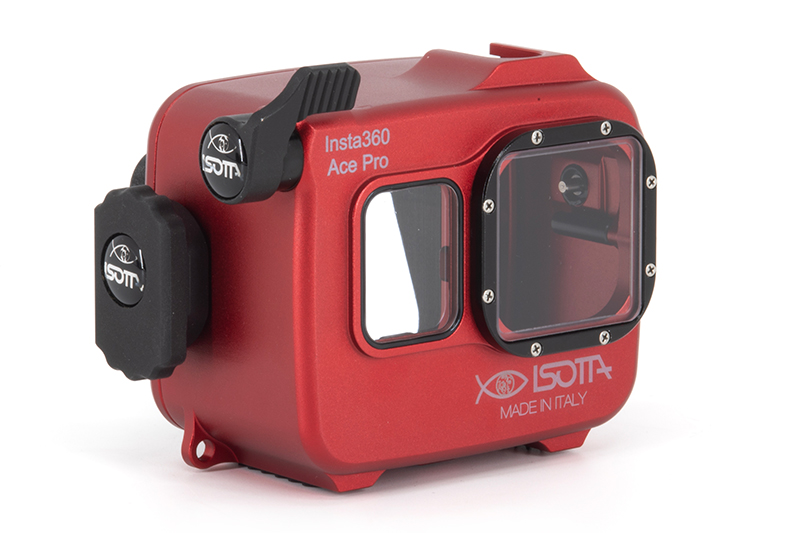
We’re such creatures of habit, aren’t we? We can spend all day shooting one way and only later think, “Oh man, I was going to play with some slower shutters and a sense of movement!” It’s hard to pull out of the rut, I know. But a different technique is a great way to mix things up. Could you play with strobes? Could you learn to shoot underwater? Have you ever used a tilt-shift lens? When was the last time you really dove into macro? I like this approach because it can be playful; I enjoy trying new things and playing with new gear.
Part of this change in technique could just be a different lens. If you’re the photographer who is always out there with your 600mm, try using your 70-200mm and forcing yourself into different compositions.
Learning new techniques is risky because it means trying something new, and the “failure rate” is high. I prefer to think of it as a “learning rate,” but either way, you’re not immediately going to succeed at making images you love, so there’s a risk of losing those opportunities. But remember, you set out on this adventure because something about your existing approach left you unfulfilled. Better to swing and miss but learn and get better, no?
How Can I Change the Light?
Maybe what most needs to change are your habits. Could you go out earlier in the day when the light is moodier or stay later at night? Maybe you’ve written off one kind of light as “bad” and decided only one kind of light is “good.” Creative thinking is thinking differently about a problem, so maybe you need more problems, like “How can I shoot in more challenging light?” Maybe you need to learn to shoot in backlight or light that is more dramatic. Soft light is easy, but is it the only light that satisfies you?
Take a look at your best work. Is it all shot in the same kind of light? Maybe it’s time to mix things up a little.
How Can I Change the Story?
This is a big one, but think in terms of choosing different moments or different compositions from what your first instinct tells you to do. Maybe you’re the wildlife photographer who always shoots super-tight portraits of bears, and it’s time to include moments where the animals interact. I found just that one change made my photography more interesting and gave the images a stronger sense of story. Maybe it’s time to play with a greater sense of scale or wait for moments with a greater feeling of energy. Sure, you might miss the shot at first, but that’s the very impulse or worry we’ve got to fight against if we’re ever going to approach our craft differently.
The impulse to get the safe shot over taking the risky shot is the same impulse that keeps you in your rut. You’ve got enough safe shots. Safe shots don’t teach you, and they don’t satisfy.
How Can I Change the Way I Develop My Images?
Lastly, is there a way you can set your images apart by changing how you develop or post-process them? We all have our preferred workflows, but if you’re like me, you developed yours ages ago, and things change. We change, and so should the tools we use if they’re just better tools.
One of the things I like to do is watch one YouTube video a week about something in Lightroom. Pick a tool, go to YouTube, and search for a video about it. “How to use Tone Curve in Lightroom,” for example. Spend 15 or 30 minutes watching the two most popular videos on the subject and learn something new. See how others are solving some of the problems we all face or how they’re using colour. Maybe it’s time to up your game with black-and-white conversions.
One of the most significant changes I made over the last two years is a shift from doing most of my developing work as global adjustments to using masking tools for most of that work. Once very blunt instruments that were hard to use with any real accuracy, the masking tools in Lightroom have become incredibly powerful and make it much easier to now adjust different areas of the image differently and in a much more refined way.
My development in Lightroom is much stronger—and I think my images are becoming stronger—because I’m doing things differently. Not for the sake of being different, but because doing so allows me to get closer to my own voice, my own vision. If you haven’t dug into the new masking tools in Lightroom, I encourage you to do so.
We’ve all got ruts we fall into. Sometimes, they look suspiciously like a creative groove until one day, they aren’t. The easiest way to escape that rut is to take a risk, shake things up, and do things differently.
Learn a new thing and see where it fits. Try putting the camera somewhere else. Use a slower shutter speed or a different lens. Shake your habits up, and get curious.
Stop playing it safe. If, like me, you feel like you don’t need any more safe photographs, it’s time to stop being such a safe photographer.
Safe shots don’t move the heart, and they probably don’t give you the thrill you used to get when things were all a little newer, a little less familiar and certain. So mix things up a little, try a new thing or a new way of doing the old thing, but if you want different images, you’ve got to make them differently.
For the Love of the Photograph,
David