نویسنده: AliBina

  • DJI Releases Its First 360 Degree Camera – The Osmo 360

    DJI Releases Its First 360 Degree Camera – The Osmo 360

    [ad_1]

    We know of a few 360 degree cameras in the market with Insta360 being the best overall and then the GoPro Max and Ricoh Theta X also in line. DJI which did not have a 360 camera so far, has filled the gap with its recent release of the Osmo 360 that is capable of capturing 8K videos at 50fps.

    Image via DJI

    The Osmo 360 camera comes with a square 1 inch HDR image sensor, that provides great image quality while consuming low power and also helping with the ultra compact and lightweight design. This is the first of DJI’s cameras that offers 360 videos at up to 8K, 50fps and comes with a good dynamic range to help capture high contrast scenes, for example during sunrise and sunsets.

    One of the most interesting features is that the user can switch between front and rear cameras without the need to stop recording. The camera is very compact and weighs only 183g and comes with 105GB storage.

    The camera can record in extreme temperatures as low as -20 degree Celsius and can also be used underwater up till a depth of 10 meters without a protective case.

    Here are some of the most important features of the Osmo 360:

    • Square sensor design with dual 1 inch 360° image fields
    • Large f/1.9 aperture for maximum light intake in even low light situations
    •  SuperNight mode to capture all details in night scenes
    • 105GB of built-in storage
    • High-frame-rate with 4K 100fps 360° video
    • Up to 4x slow motion
    • Ultra-clear 360° photos up to 120 megapixels
    • Video format supports 10-bit color depth
    • D-Log M mode to capture all details and for flexibility when postprocessing
    • Continuous 8K/30fps recording for up to 100 minutes and 190 minutes of continuous recording when capturing 6K 360° video
    • Pair the camera with invisible selfie stick to make it vanish from the 360° videos without the need for editing, also third person views will make it look like the footage was captured by a cameraman
    • Switch between front and rear camera without the need to stop recording
    • Magnetic quick release design to pair with accessories

    If you are interested, here is a first impression and a hands-on comparison of the Osmo 360 with a leading 360 degree camera.

    https://www.youtube.com/watch?v=vEDncuegfmQ

    The camera is out of stock on DJI’s website, but is available to pre-order from resellers. It is priced at $549.99. More details about this product can be found here. We have more news for you to read if you are interested at this link here.


    [ad_2]

    Source link

  • The Life of a Tuts+ Editor: Meet Sharon Milne

    The Life of a Tuts+ Editor: Meet Sharon Milne

    [ad_1]

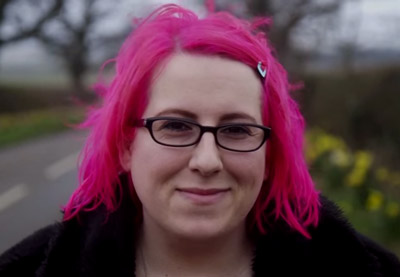
    Ever wondered what it’s like to work remotely as a Tuts+ Editor? The latest Envato Stories is all about the life of Sharon Milne, Design & Illustration Editor for Tuts+. She lives in Newcastle upon Tyne in the United Kingdom and has been obsessed with vector for over 14 years. Sharon works from her home most of the time, but recently visited the Envato headquarters in Melbourne, Australia. 

    https://www.youtube.com/watch?v=HCWNXkfyxBA


    As the Tuts+ Design & Illustration Editor, Sharon works with a team of instructors from all around the world, and still has time to make art (including this portrait of fellow Envato-er Jordan McNamara) and pass on her considerable vector skills with stunning illustration courses. She also changes her hair colour more than anyone else at Envato!

    More Envato Stories

    Meet Jordy Vandeput who teaches video production, Tuts+ Editorial Manager David Appleyard, or see all previous Envato Stories episodes. There are more to come, so stay tuned!

    [ad_2]

    Source link

  • Estimate Review Of An Employee Lifestyle Library For Global Beauty Brand – A Photo Editor

    [ad_1]

    By Andrew Souders, Wonderful Machine

    In addition to helping photographers build price quotes from scratch, Wonderful Machine offers an Estimate Review service on existing quotes that photographers have created themselves. It’s often helpful to have an extra set of eyes and credible insight to polish up your price quote before sending it off to a client.

    Just as with our other Pricing & Negotiating case studies, we redact the names of the photographer and client, which allows us to share valuable and educational information that would otherwise be confidential.

    Concept: Two-day employee portraiture and lifestyle library shoot for social, internal, and recruitment materials
    Licensing: Perpetual worldwide Web Advertising, Publicity, and Collateral use of up to 100 images
    Photographer: West Coast-based lifestyle and portrait photographer
    Client: International beauty and personal care brand

    A West Coast-based photographer was recently approached by a global beauty brand to capture candid and environmental portraits and lifestyle images of employees over two shoot days. The 100 final images would be used across a broad range of platforms — including career websites, social media, digital ads, internal presentations, publicity, and print collateral like career fair flyers.

    While the scope of the project resembled other projects this photographer had worked on in the past with other clients, this project was for a more high-profile client with greater licensing needs and a bigger budget. The photographer asked us to help refine their estimate and determine appropriate creative and licensing fees commensurate with the project’s scale and client expectations.

    Scope & Usage

    The project called for two shoot days. The first would take place at a local retail location before business hours as a shortened half-day, while the second was planned as a full day at the brand’s nearby corporate offices. The client would handle casting, scheduling, styling, and shot list development.

    While the requested usage rights were broad, they were primarily planned for web collateral, internal communications, and printed materials for recruitment efforts such as career fair flyers, with the exception of some digital advertising, which we expected to remain relatively limited and would not include any POS, OOH, or Broadcast use. Given the compressed timeline for shoot days and the volume of final deliverables, there was a clear need to structure the shoot efficiently. At the same time, it was important to balance the project’s production needs with an appropriate creative and licensing fee that reflected both the scope and intended use.

    To help add context to what we reviewed and advised on, I’ll include the photographer’s original estimate format and agreement language below:

    Photographer’s Draft Estimate

    The expense total came to $12,040 and was modeled after past projects for similar clients with similar deliverables, but those projects had more limited usage and smaller client budgets. Recognizing that the licensing in this case was broader and likely held more long-term library value for the client, the photographer also consulted with me for guidance on how to properly structure the creative and licensing fee portion of the estimate alongside the rest of the production costs.

    After reviewing the intended usage and factoring in the compressed timeline for capturing such a high volume of deliverables, we recommended introducing a creative and licensing fee in the range of $20,000 to $30,000. This range felt like a fair balance that accounted for the breadth and duration of usage for a library of images, while still reflecting the relatively straightforward nature of the shoot from a creative standpoint.

    Revisions and Recommendations

    After a detailed review of the scope of the project and the licensing terms, I worked with the photographer to revise the estimate. We incorporated a $22,000 creative and licensing fee that reflected the value of the deliverables and requested usage. We also recommended increasing the retouching budget to $5,000 to account for additional retouching and polishing work that might be required for final selects, such as potential logo removal from employee outfits. The fee for preparing a gallery for client review was adjusted to $1,000 to better represent the time and labor involved for this number of images. We also added scouting fees for both shoot locations – $750 for the photographer and $650 for their assistant.

    The rest of the production expenses, including crew and equipment rentals, remained consistent with the photographer’s original approach, although we reorganized how it was presented to provide more clarity. While we discussed the possibility of bringing on a second assistant to help maintain an efficient pace on set, the photographer chose to keep the crew lean to remain flexible in potentially tight environments.

    We see this a lot, where a photographer has experience working on smaller projects for smaller clients. When a big client comes along with a big project, they’re often not sure what to charge. Once we took the expanded licensing and long-term library use into account, there was a clear opportunity to revise the fee structure to better match the value being delivered. These revisions brought the total estimate to $38,440.

    Below is a revised version of the estimate that reflects my recommendations.

    Treatment

    We also encouraged the photographer to submit a treatment to accompany their estimate. Though not specifically requested by the client, it helped communicate the photographer’s interest, approach, aesthetic, and overall sophistication. The document featured example images, described lighting and post processing, and showed that the photographer understood the brand.

    Outcome

    The photographer submitted the estimate and treatment, and shortly afterward, was awarded the project. Reflecting on the process, the photographer shared that our collaboration helped them feel more confident in how they framed the value of their work, especially for high-profile clients

    While the core production approach remained largely unchanged, the creative/licensing fee, retouching budget, and presentation were strategically refined to better reflect the project’s scope and value.

    This project is a strong example of how a modest investment in estimate refinement can help land a significantly higher fee for the photographer and set a new benchmark for pricing future projects.

    Follow our Consultants @wonderful_at_work.


    [ad_2]

    Source link

  • Vintage Canon 80-200mm f/2.8 L “Magic Drainpipe”

    Vintage Canon 80-200mm f/2.8 L “Magic Drainpipe”

    [ad_1]

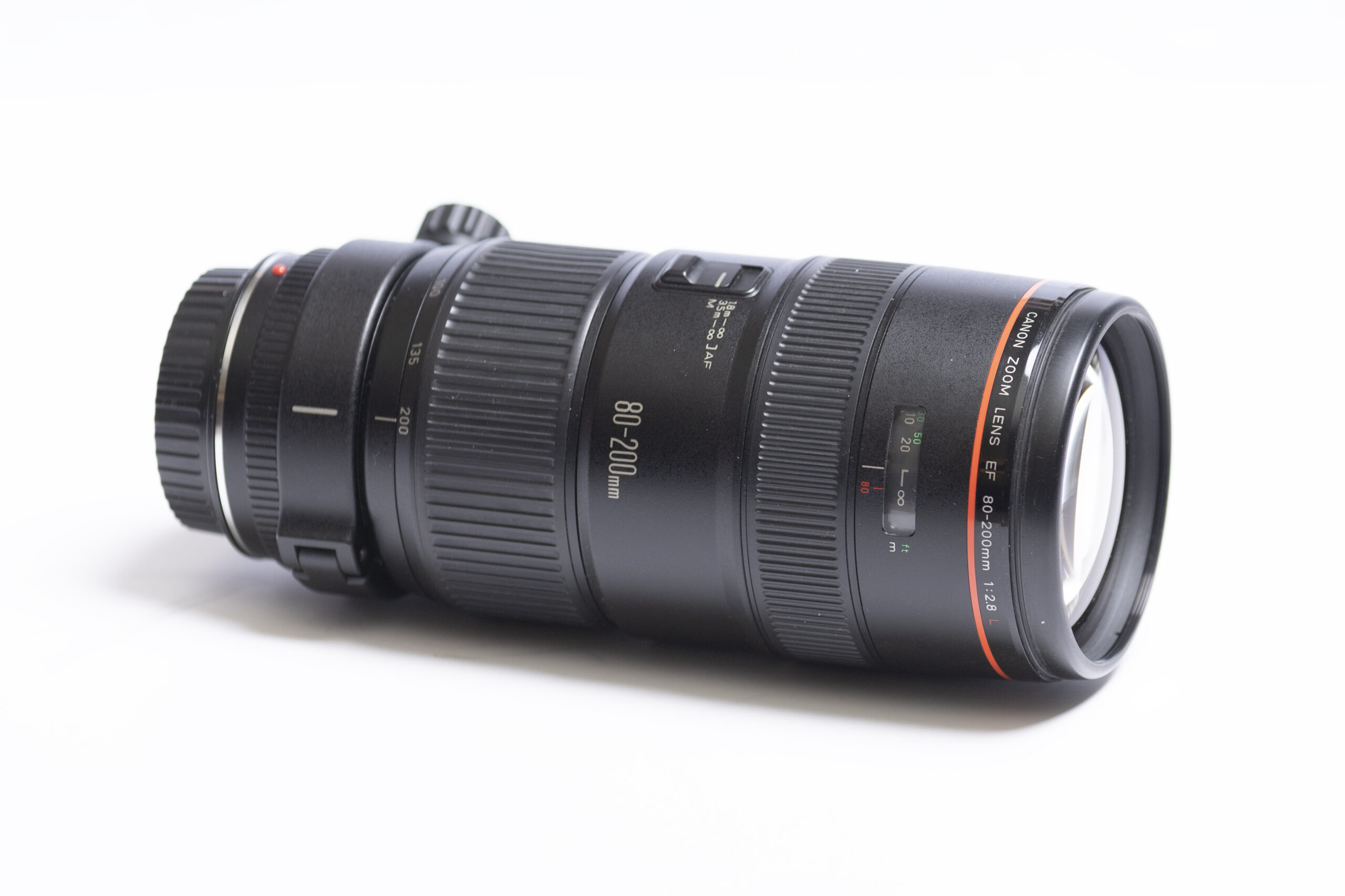
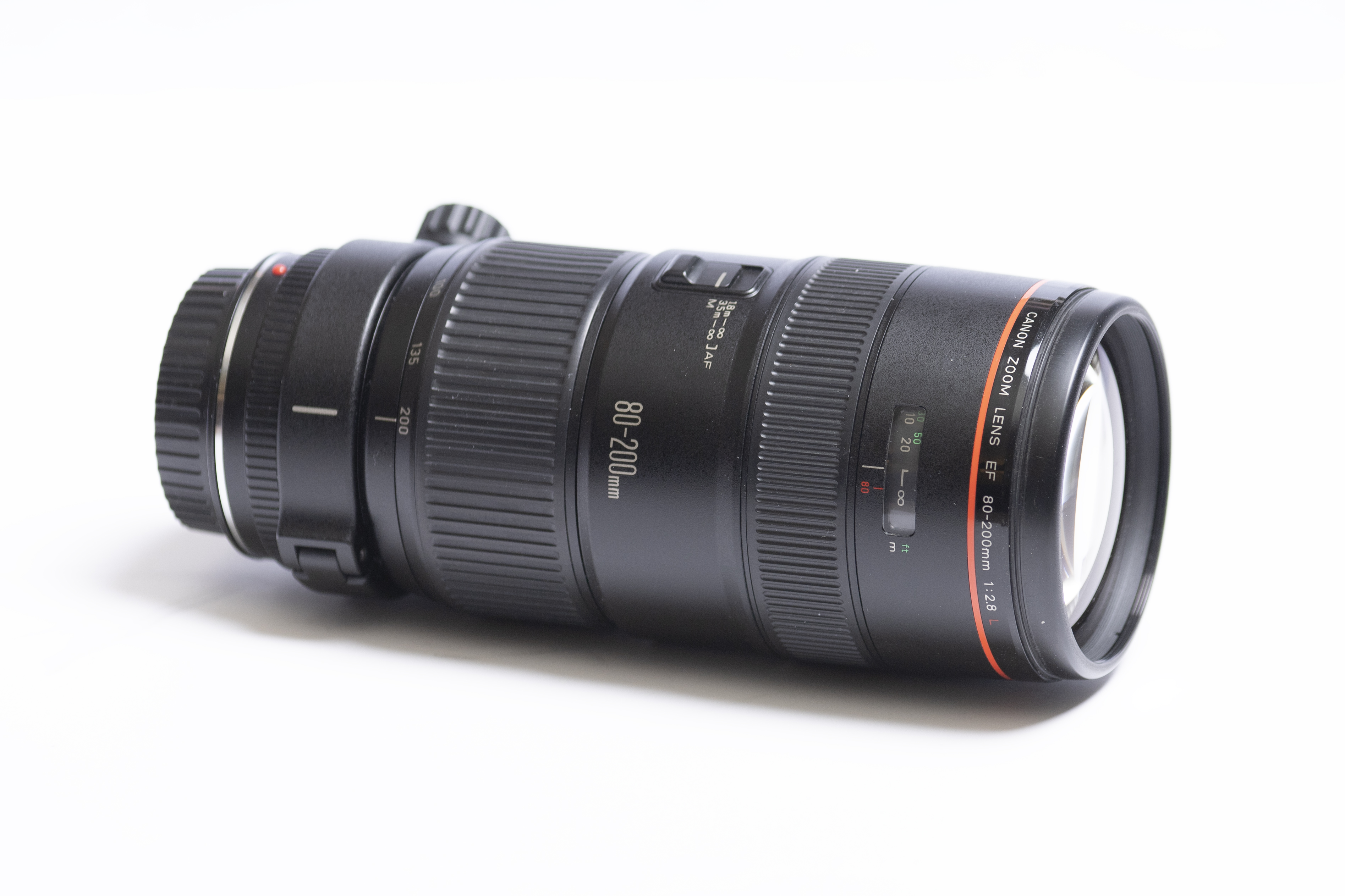
    In an era of perfect everything, vintage lenses offer a unique perspective on image making. Many old lenses are built to last and are still great lenses optically, even if some of the technology like autofocus is not as good. The Canon 80-200mm f/2.8 L is such a lens.

    Physical Aspects

    This tank of a lens was built in a way that modern lenses just aren’t. Big, heavy, solid, in many ways it was built to last. Ultimately though it’s probably not as survivable as later EF 70-200mm f/2.8 L’s. But this one feels every bit the part.

    Optical Image Stabilization

    Being 30+ years old, the lens was made before IS became
    available in Canon lenses. So, you’ll have to maintain the correct shutter
    speed when shooting with this lens. This can be a challenge when shooting in
    low light, but I don’t really have a problem with this overall. I can usually
    get shake free shots at 1/200th of a second if I’m careful.

    Zoom Range

    The range is a slight drawback being that it’s only 80-200mm. Of course, most modern zooms of this type are 70-200mm, or even 70-210mm. Tamron even makes a 70-180mm lens. The obvious difference is this lens doesn’t zoom out as wide as a modern fast zoom so if you’re using the typical f/2.8 24-70mm with this lens you may be missing the range from 70-80mm. If you’re annoyed by that Canon did make a 28-80mm f/2.8-4 L lens to go with this lens.

    Focusing

    Autofocus on this lens is a bit of a mixed bag. It is fairly accurate but also very noisy on the EOS R and R5. I tried this lens on an old EOS 1N RS though and was nearly as fast but a lot quieter. I didn’t get every shot tack sharp with this lens, but the majority of shots were very well focused.

    Manual focusing is accurate and easy with this lens.

    Optical Performance

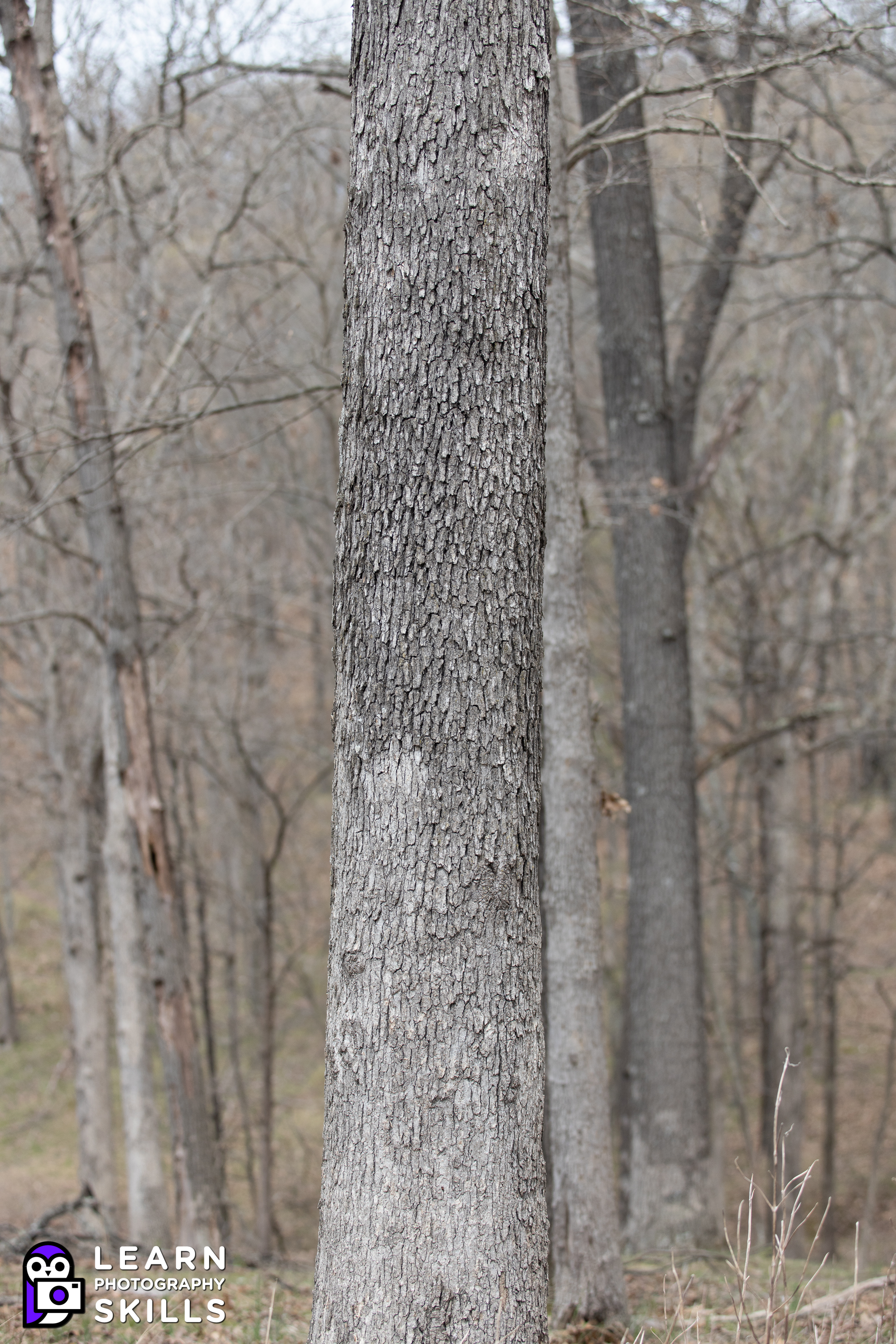
    Optically the lens is pretty good and comparable to a more modern 70-200mm lens when stopped down. Some people report that the lens is a little soft at 200mm wide open, that is probably true, but there are other 70-200’s that are just a smidge soft at 200mm. I have two copies and one is a little sharper than the other. Stopped down to f/4, both are sharp. Below are a series of shots at different apertures demonstrating basic sharpness, bokeh, and vignetting.

    Wide open the lens does have some vignette in the corners, especially at 200mm. Portrait shooters will probably appreciate a little vignette in the corners. If you don’t want it, it clears up when stopped down to about f/5.6.

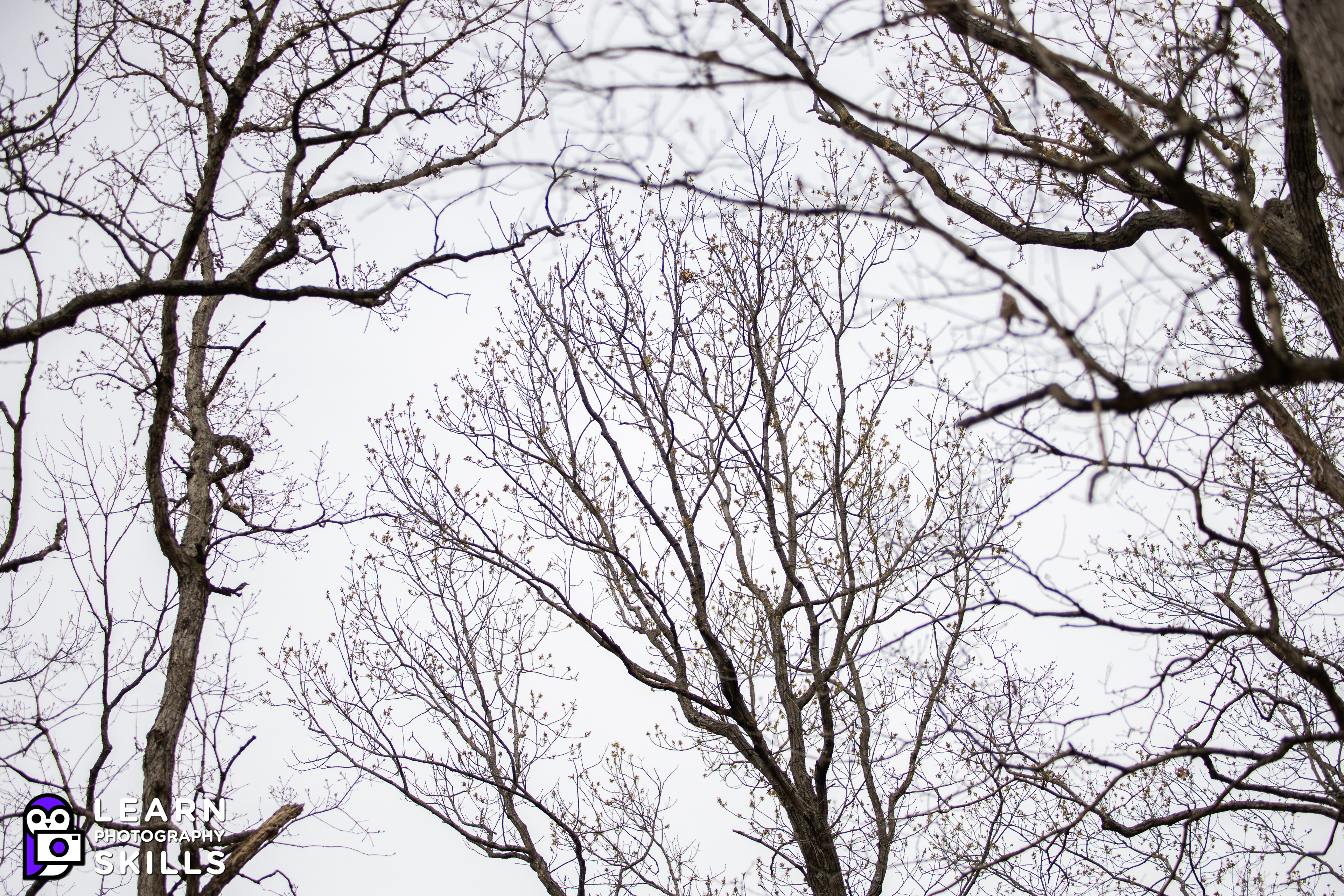
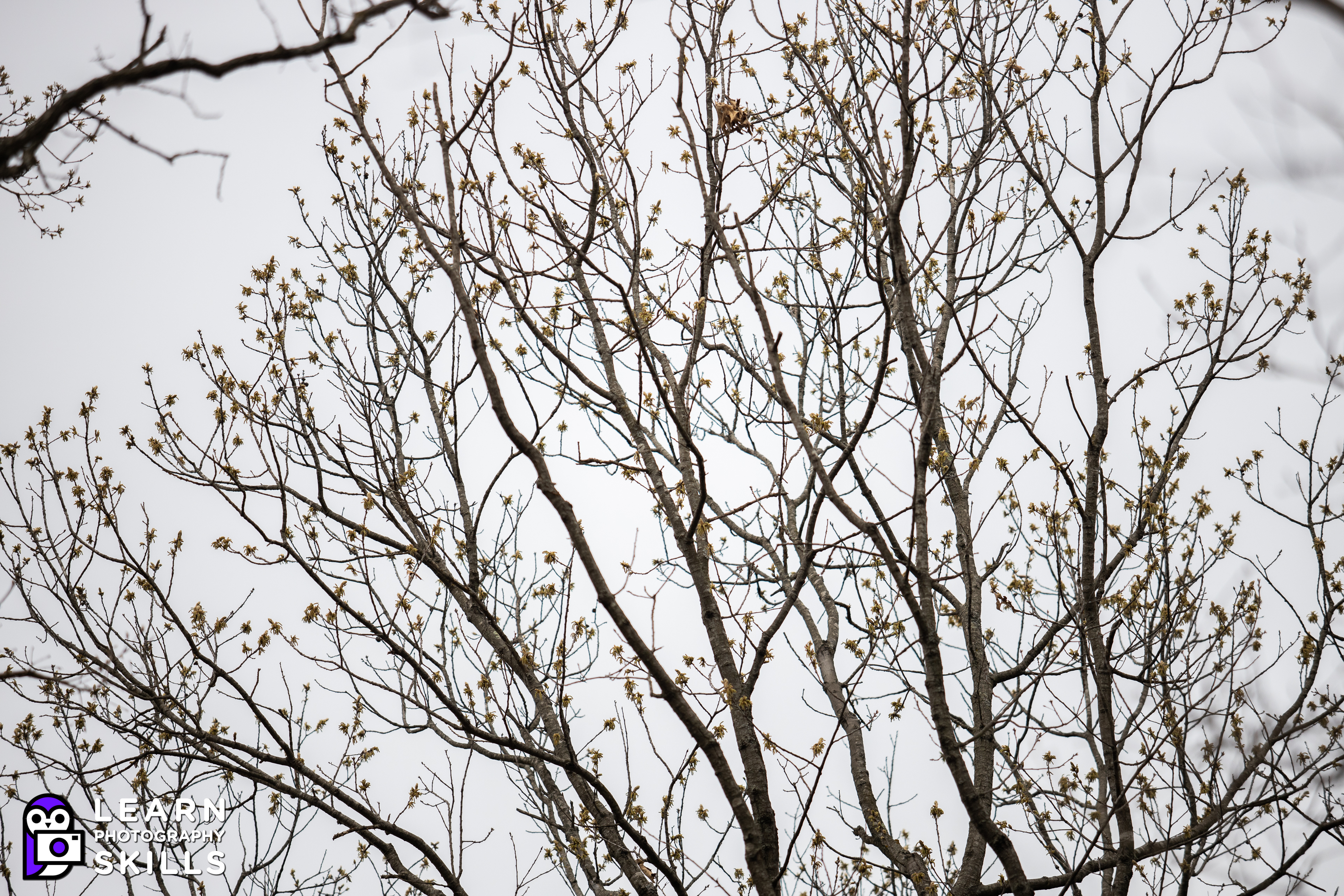
    There is some CA present wide open at 80mm, but it’s most evident in worst case scenarios like shooting tree branches against a bright sky. At 200mm the CA is well corrected on my copy. Check out these two example images at 80mm and 200mm.

    Despite the minor optical issues, its pretty obvious that this lens has some nice glass in it. As lens making has evolved with computers its become easier to design complicated lenses that solve problems using cheaper glass formulations. Although, it’s not entirely fair to say that, the cheapness is a matter of saving time and ensuring consistency rather than sheer quality. Back then, for whatever reason, they put more time and effort into making each lens right, even if they didn’t know as much about what they were doing, in some ways, they accidentally knew a lot more.

    Focus Breathing

    The lens has substantial focus breathing which is sure to bother some people. It’s different from the newer RF 70-200mm in that it breathes longer as you focus closer. While the minimum focus distance is a fairly big 1.8 meters, the fact that it breathes to a longer focal length negates that somewhat, and it also means that zoomed in to 200mm there’s usually a lot of pop off the background at portrait distances even if you can’t get as close as you might want.

    Bokeh Quality

    The bokeh on the lens is great, especially up close. I think that aspect of this lens is one of my favorite things about it. It’s a “character” bokeh that is bordering on distracting sometimes but it also has faster falloff with a crispy optical quality to it that is more and more rare in modern lenses. Many modern lenses seem to have slow falloff which is fine for some situations.

    Color

    Shooting on the EOS R I felt like the colors on this were as expected, decently accurate but overall subdued and natural looking. On the R5 however images were coming through with near nuclear saturation levels. Which you prefer is up to you, perhaps you can pick out which files are which in the gallery below.

    Decentering

    I actually have 2 copies of this lens and both of them are slightly decentered which is visible at f/2.8 when focusing on flat subjects. The fact that both of them have it leads me to believe the lens has probably gone out of alignment for one reason or another. The issue is mild enough that stopping down removes most evidence of the decentering. I won’t say it can happen to any lens, but I will say some expensive modern lenses I have purchased new had centering issues as well.

    Where’s the “magic”?

    The magic is simply that it was a telephoto zoom with prime level performance for the time. Many prime 200mm lenses in the 1980’s were only f/2.8 anyway so having a zoom lens that was sharp and was a zoom and was f/2.8 throughout the range, that was basically “magic” according to the standard of the day.

    Conclusion

    One thing this lens proves is that the new RF cameras are impressively flexible in what lenses they can work with. That much is certainly true. The fact this old banger still works is a minor miracle. It’s fun to be able to take an old lens from so long ago and use it with no trouble at all. Another thing this lens showed me is that even an old, loud, slow focusing lens like this can take pretty nice pictures. On an absolute scale it has to be punished for the poor autofocus performance, but if you have the eye for it, the manual focus is very usable.

    Rating

    Overall: 3.0 out of 5: Certified BRONZE

    Canon EF 80-200mm f/2.8 L Sample Images

    Canon EF 80-200mm f/2.8 L Sample Video

    https://www.youtube.com/watch?v=WvBC2_BNsdA

    The video is shot in 4k on the EOS R which has a 1.8x crop in its 4k video mode. With the crop the effective focal length is 360mm. The good news is the lens is still very sharp in the center of the frame.

    [ad_2]

    Source link

  • Underwater Whale Photography with the Sigma 14mm F1.4 DG DN Art Lens

    Underwater Whale Photography with the Sigma 14mm F1.4 DG DN Art Lens

    [ad_1]

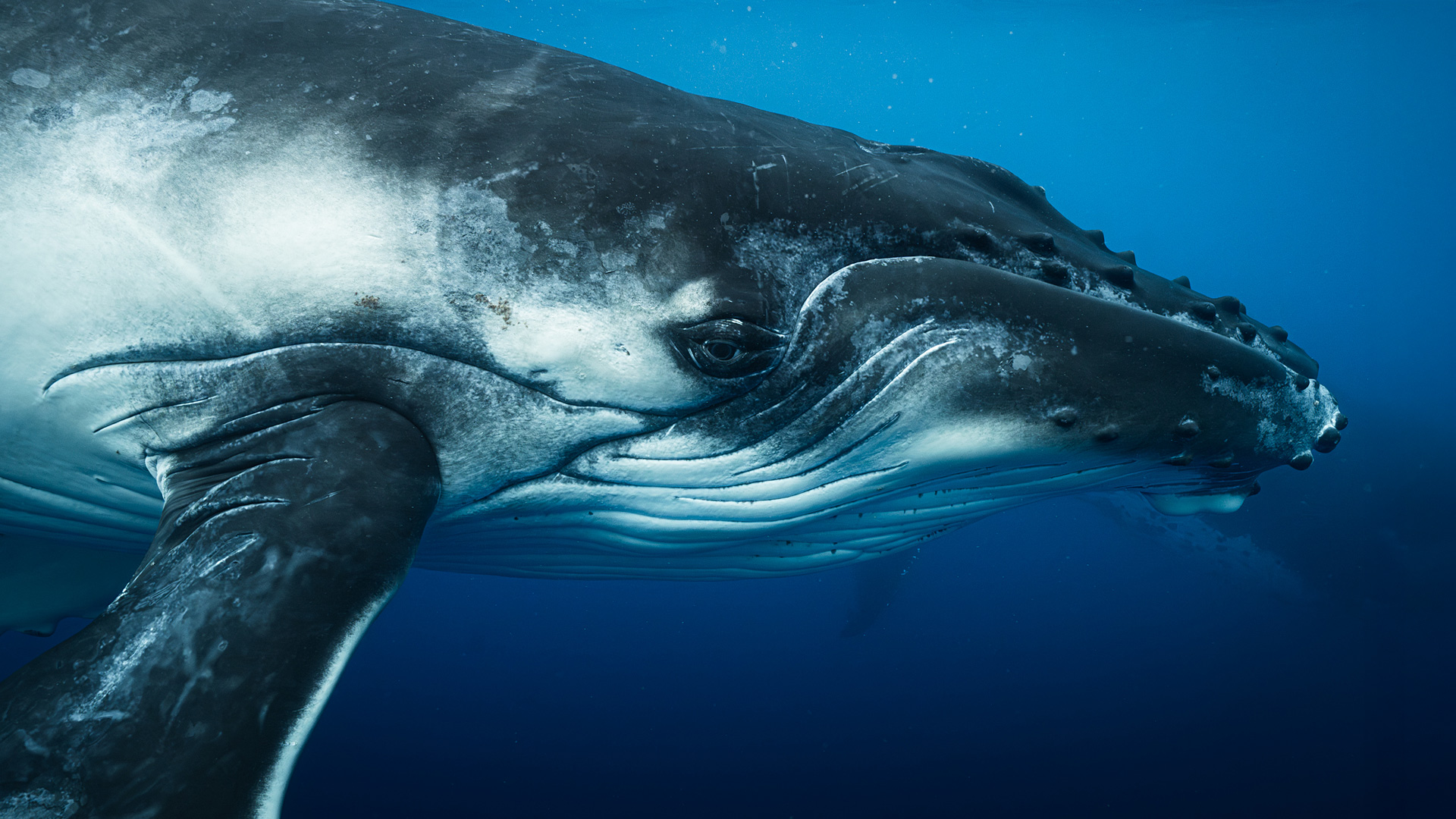
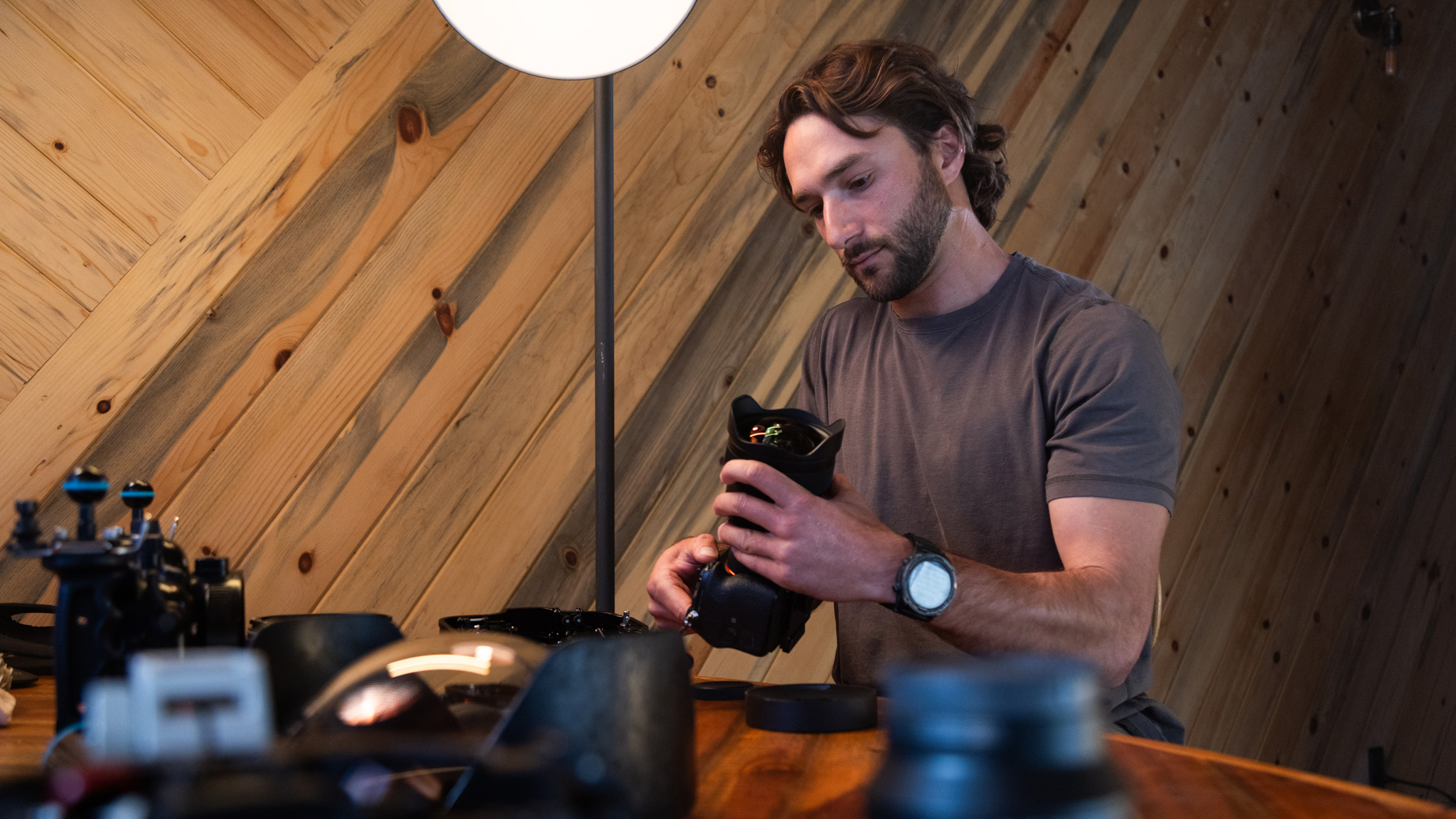
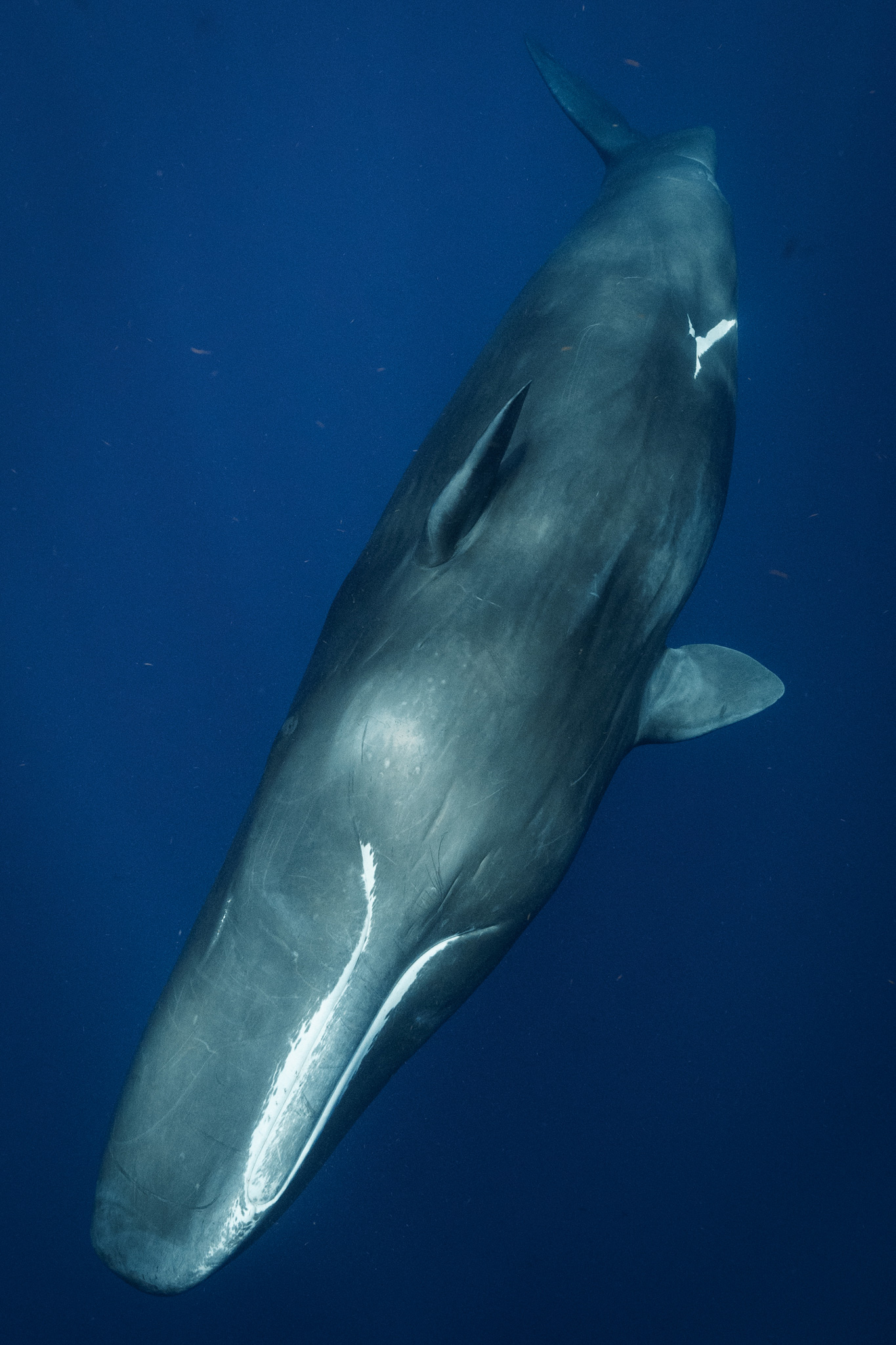
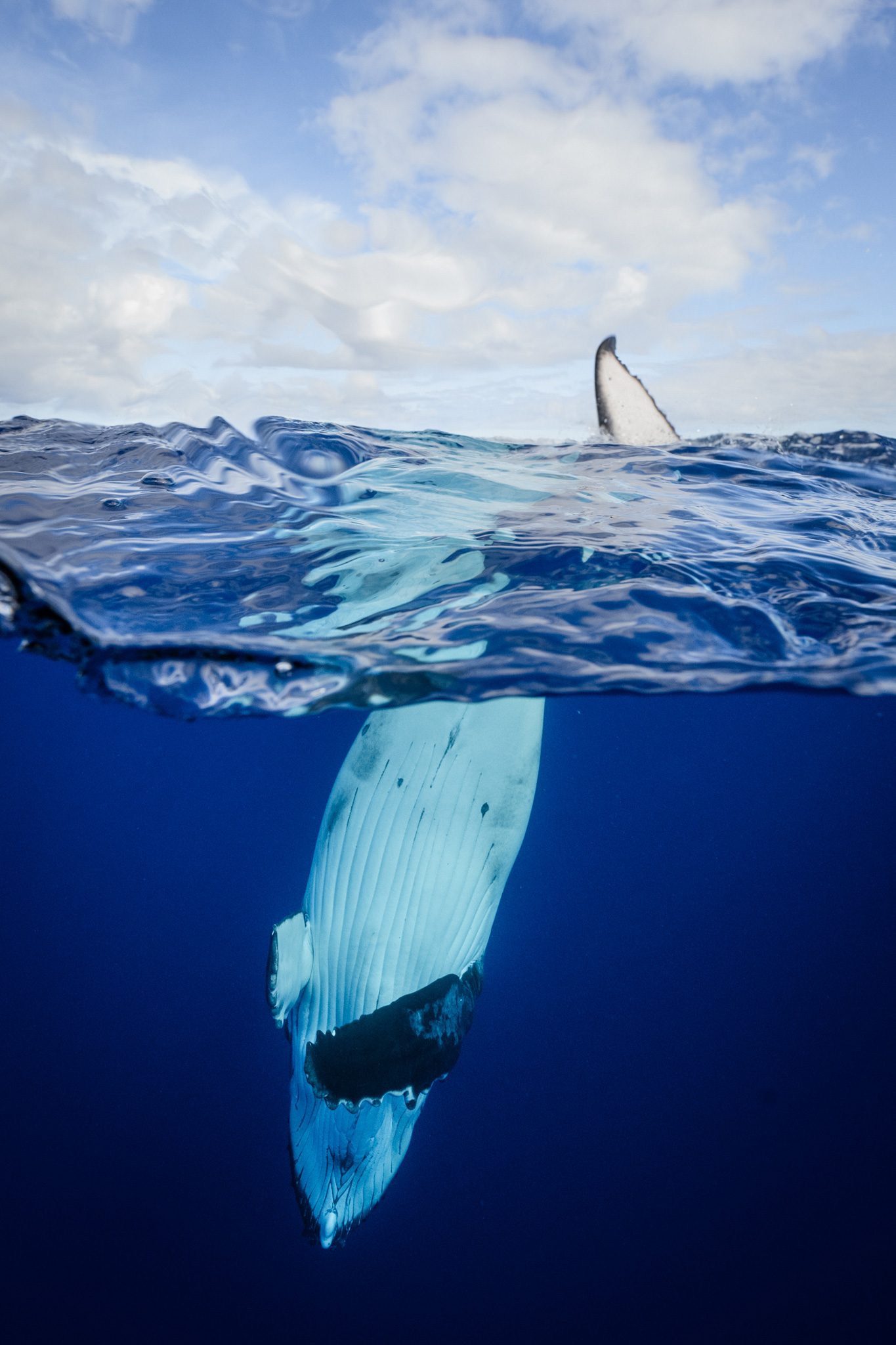
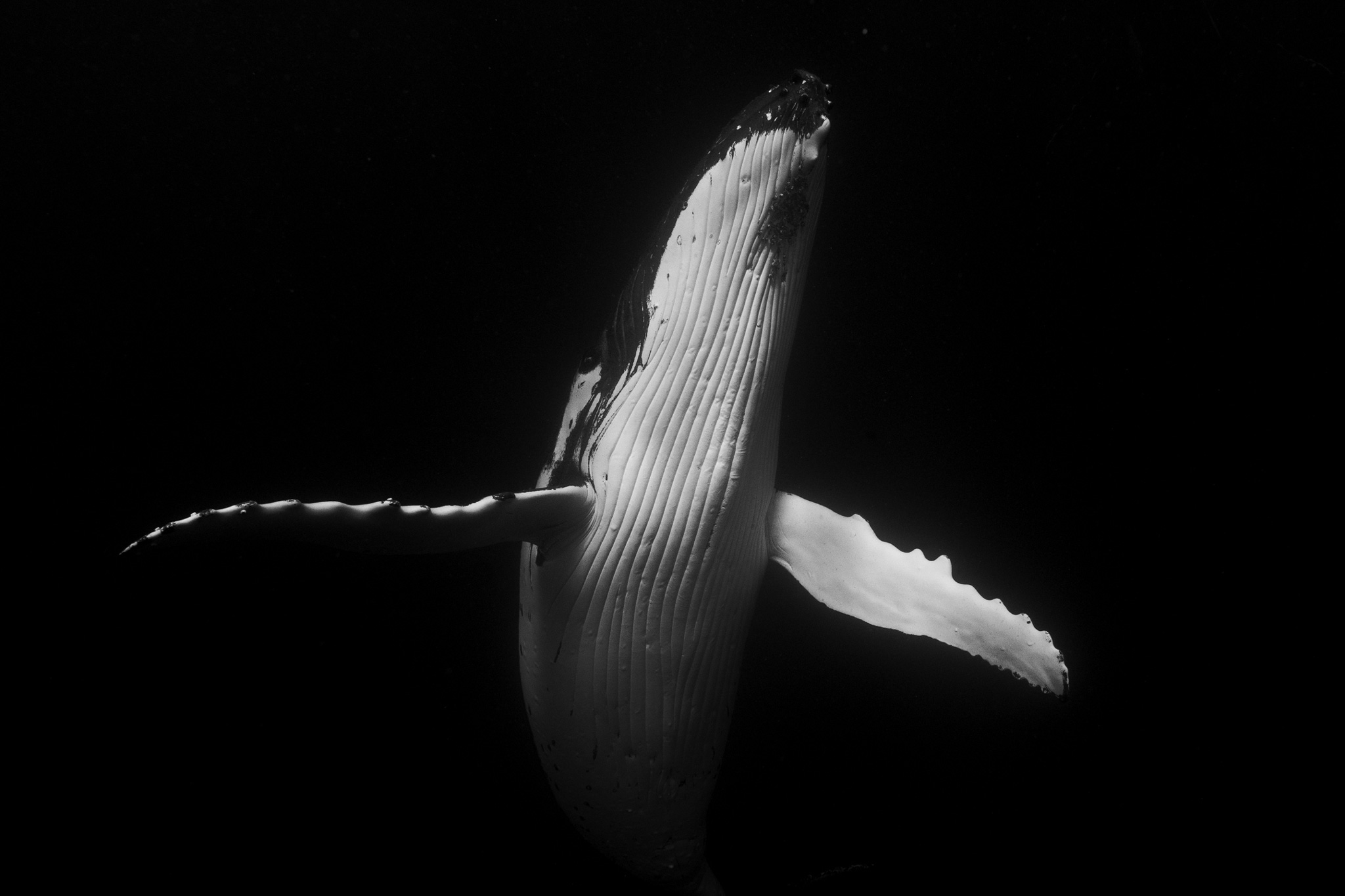
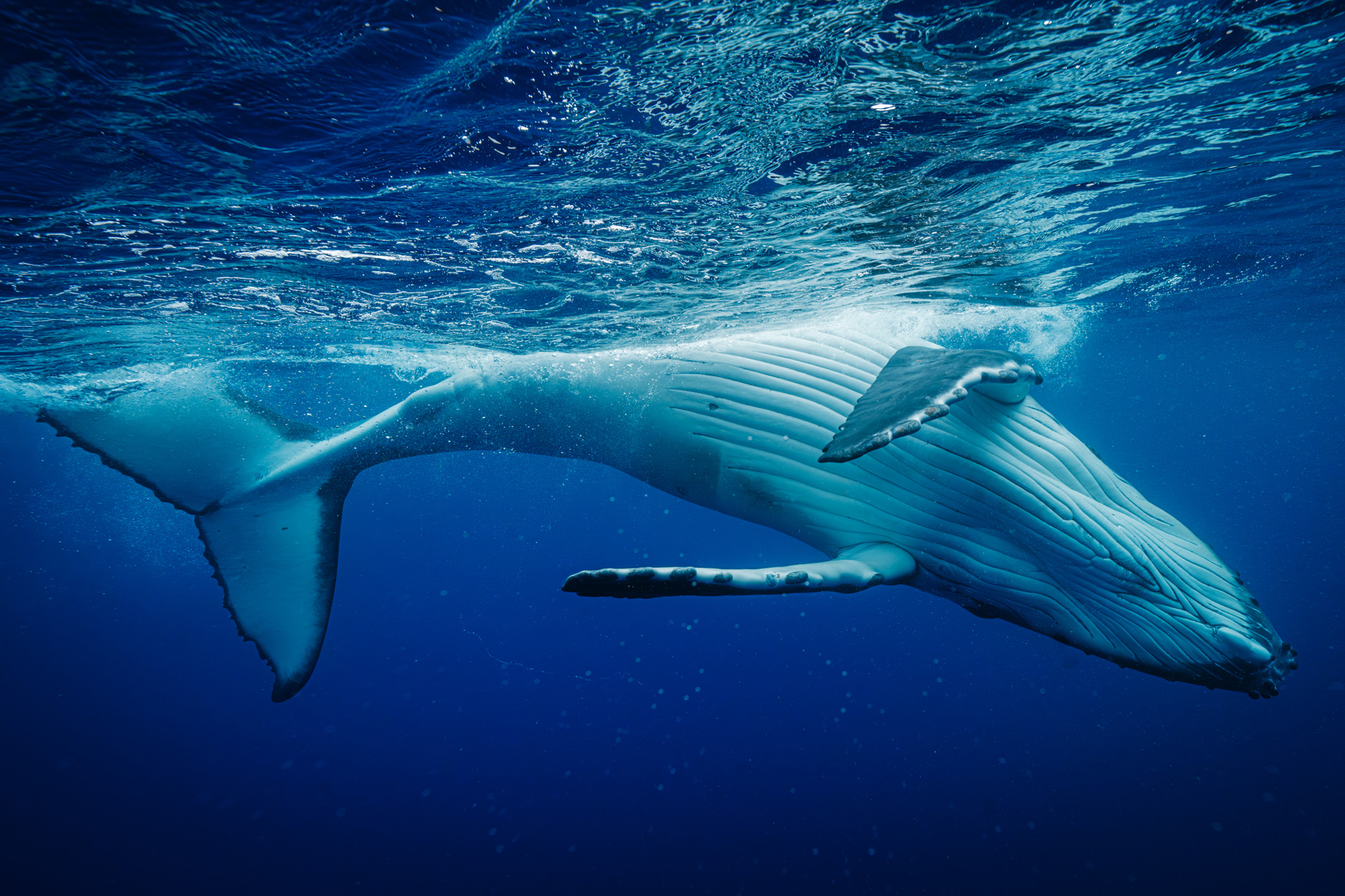
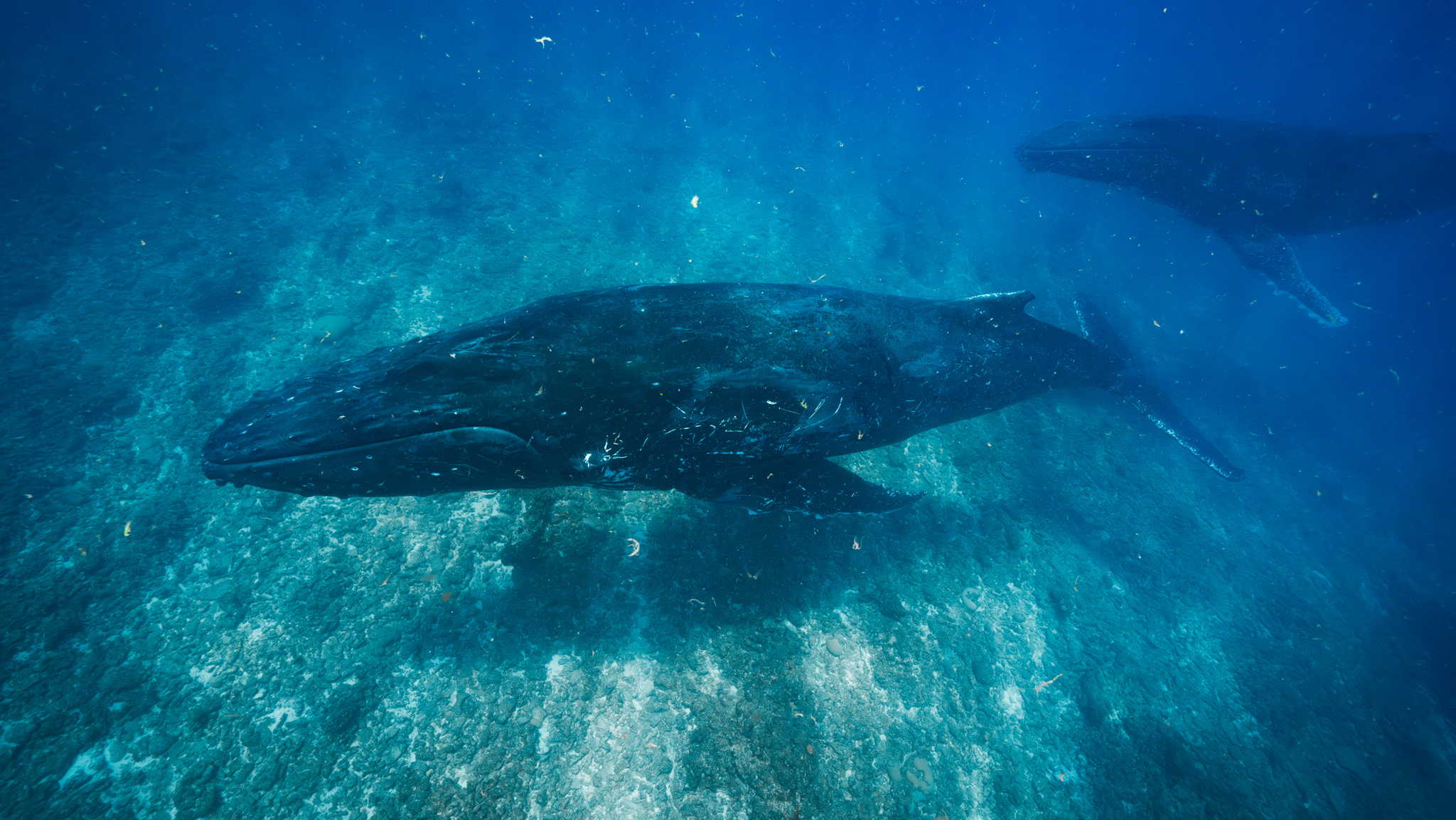
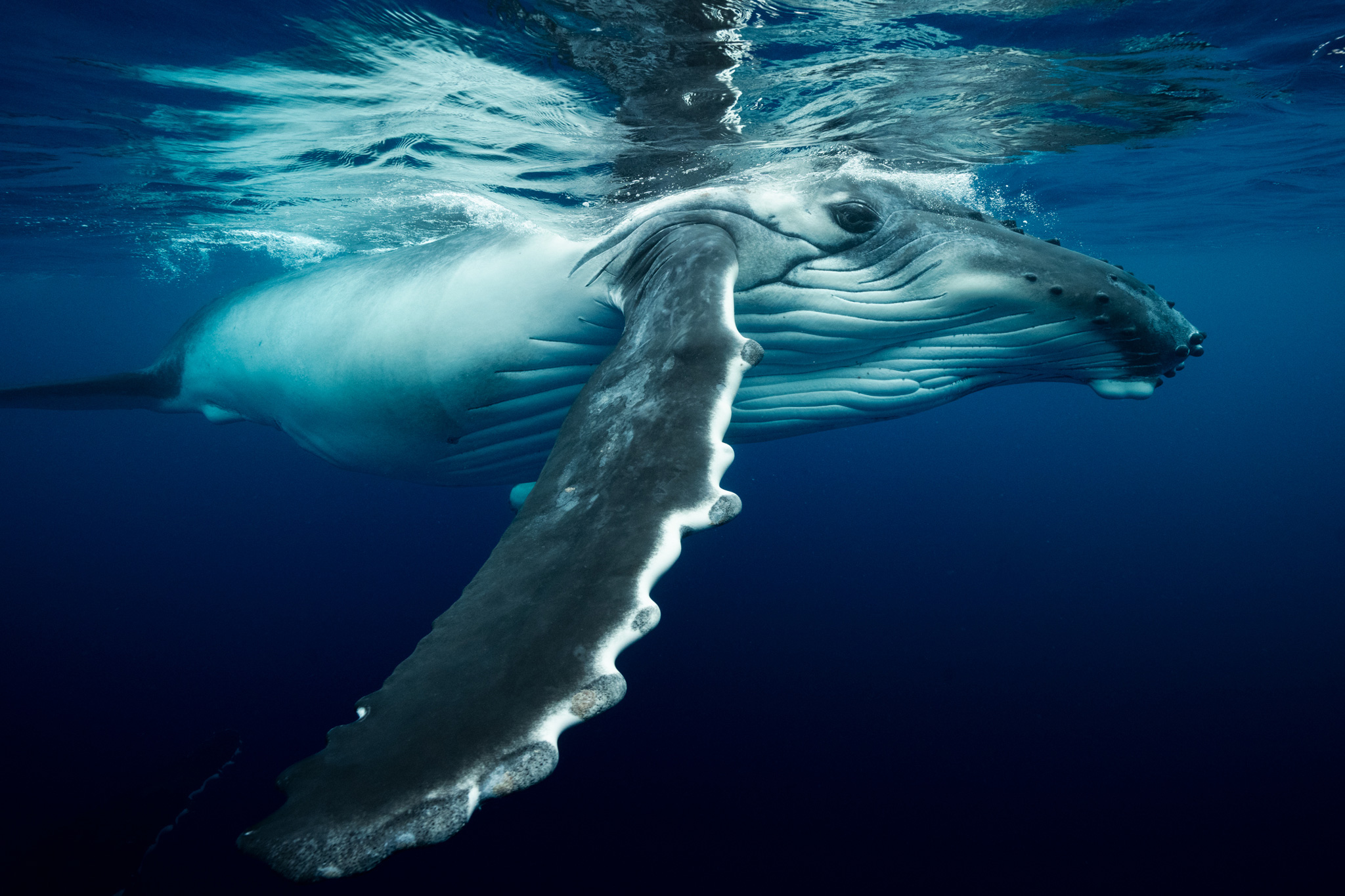
    I recently returned from two months of guiding, photographing, and filming ocean safaris in the South Pacific and Caribbean. I work for Just the Wild, a company that specializes in ethical in-water whale and other marine megafauna encounters. Akin to that, I also work as a professional nature and adventure photographer and filmmaker with a specialty in underwater imagery. Before departing, I felt like my underwater images had stagnated in look and aesthetic. Before leaving, I wanted to get my hands on a lens that few underwater shooters have yet to discover. I quickly honed in on the Sigma 14mm F1.4 DG DN | Art.

    This lens stood out to me because of its design for astrophotography. The night sky and underwater imagery world overlap a lot. When shooting underwater, you need to be using a lens that’s extremely wide, has fast and accurate autofocus, and, most important to me, satisfies my greed for sharpness.


    My underwater setup:

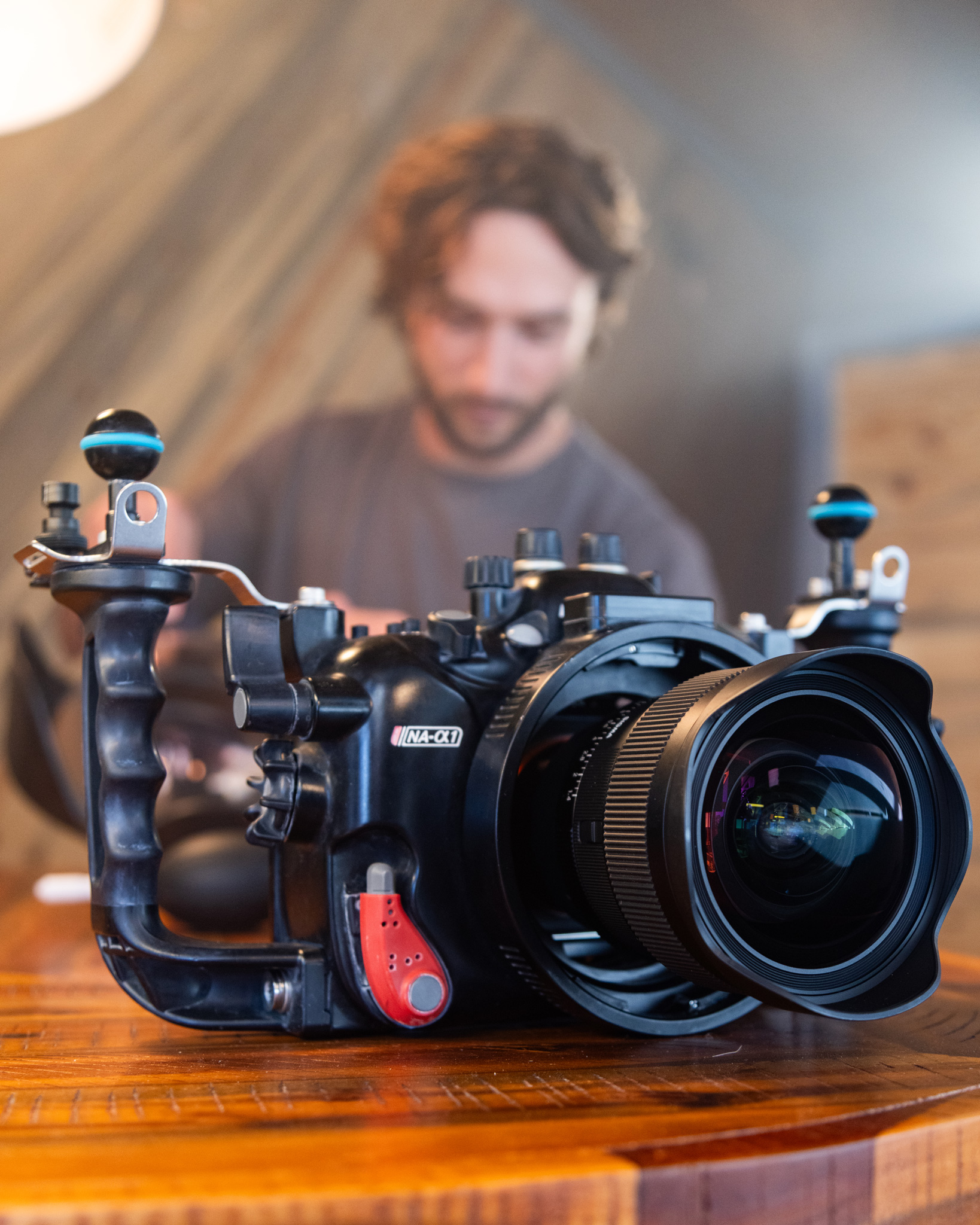
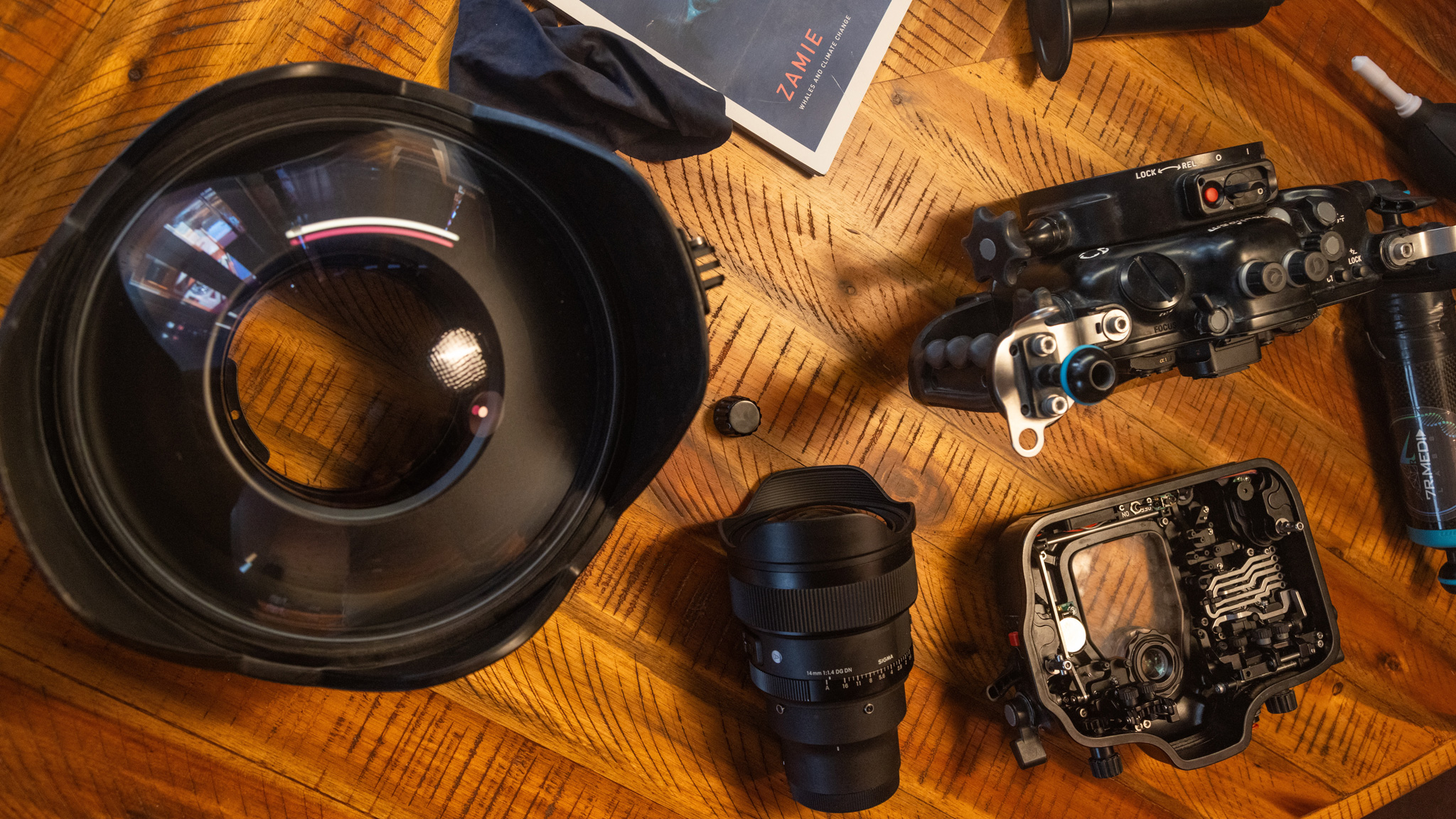
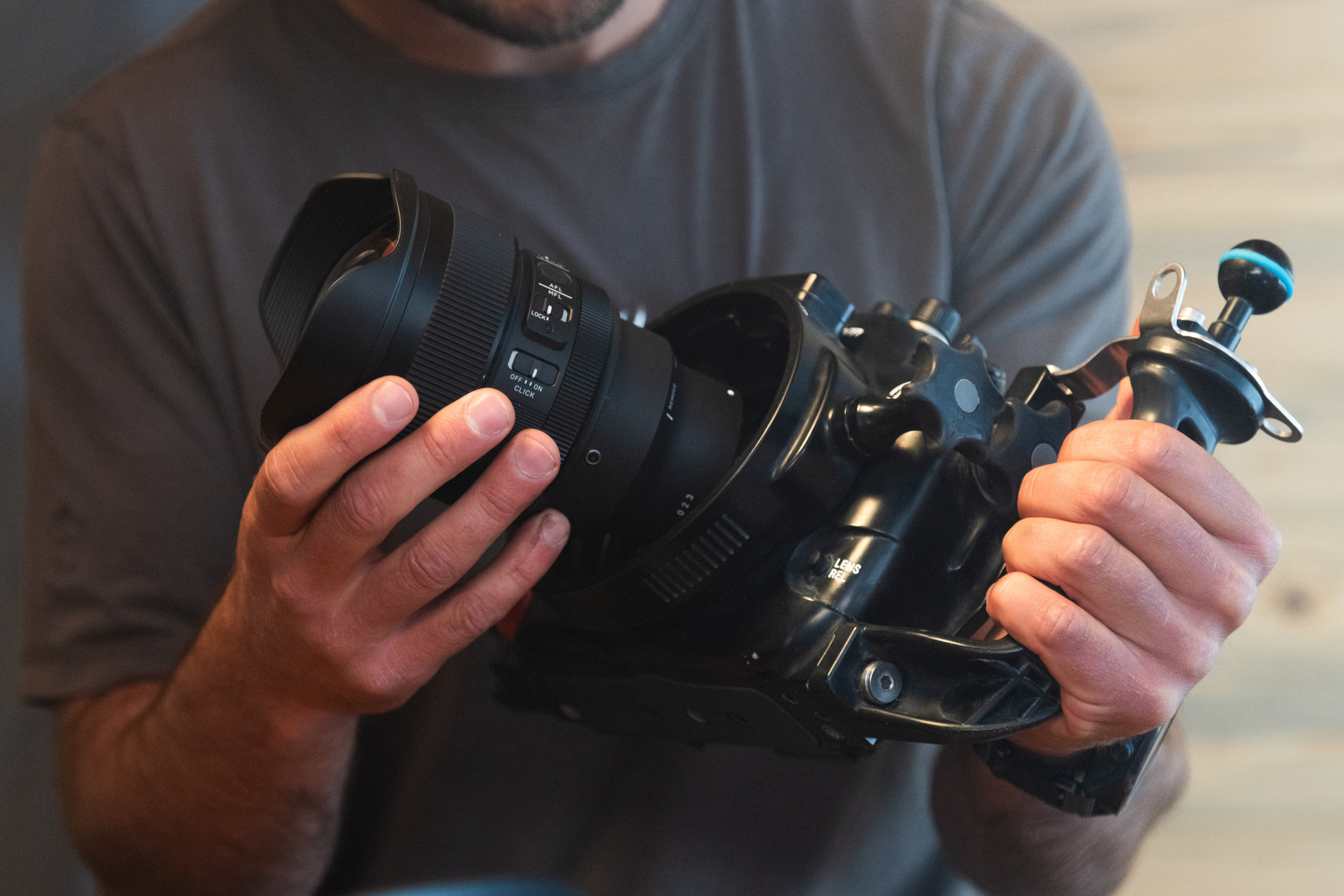
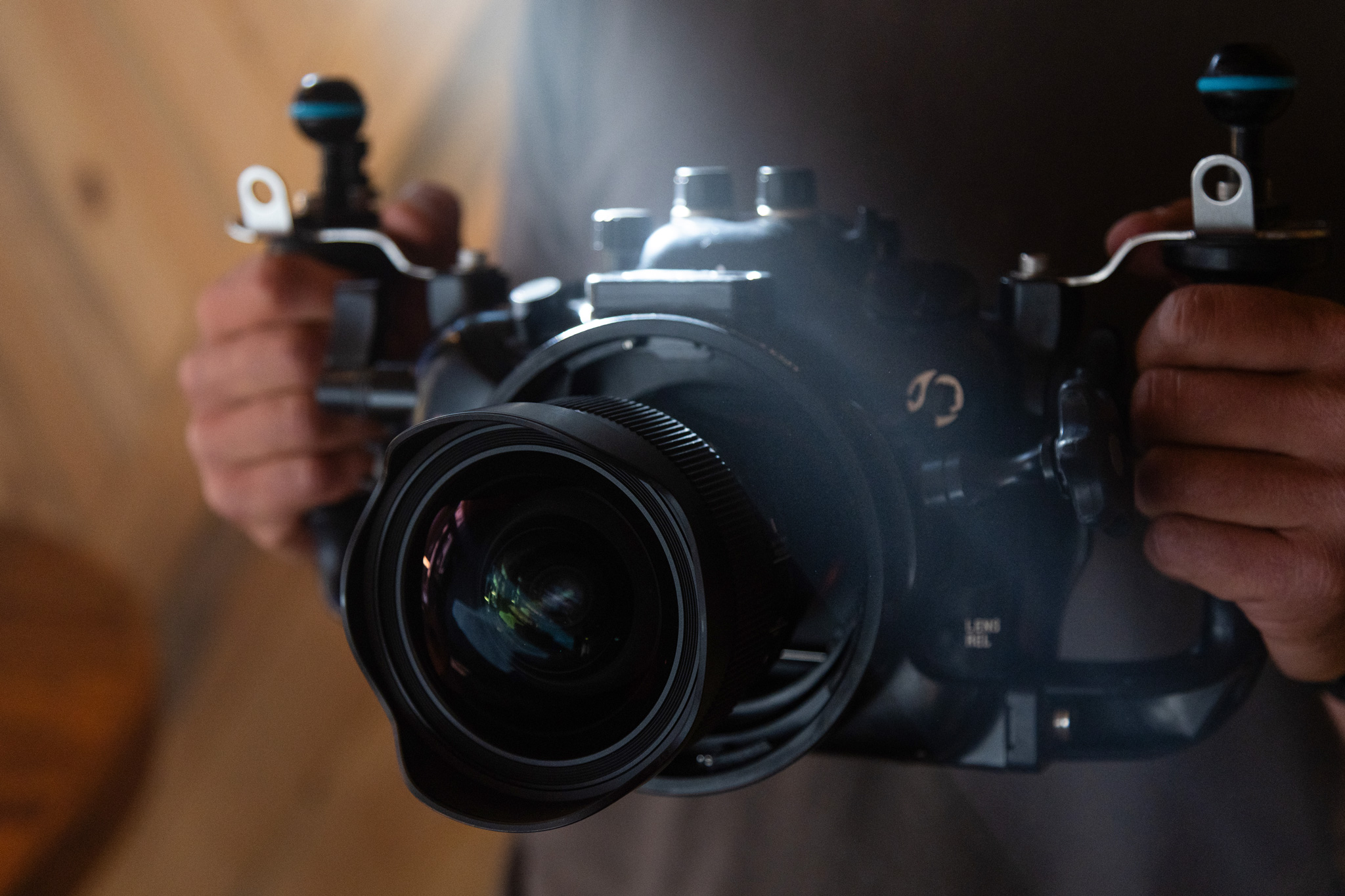
    My current go-to underwater setup is the Sony Alpha 1 with a Sigma 14mm F1.4 DG DN | Art contained within a Nauticam housing with a 230mm dome port. While my setup changes depending on what I’m shooting, I rarely make changes when it comes to shooting large animals such as whales.

    For anyone looking to get into the underwater world, there are now numerous great housing options. You can’t go wrong with Nauticam, Marelux, Isotta, Aquatica, and for entry-level, I’ve seen great results with Sea Frogs housings. Whatever you go with, make sure you get a housing with a vacuum pump. This will ensure you never flood your housing. I’ve lost a few cameras before I spent the extra money on that safety feature. I’d also recommend consulting distributors like Reef Photo & Video (an authorized Sigma dealer as well) on getting the proper dome and extension ring setup for your lens (I’ll come back to this on maximizing the sharpness for lenses like the 14mm F1.4).


    General tips and settings:

    Like I said earlier when it comes to underwater, you have to adapt your setup and settings to fit your target subject. That being said, these are the settings for 98% of my whale and other large animal species. The golden ticket to never missing a shot: 1/800 shutter or faster, F8 or above depending on light, and auto ISO.

    Now I know you’re scratching your head with the auto ISO. Isn’t it better to manually adjust? New mirrorless cameras give you the ability to set a range for your auto ISO. I limit my camera from being able to shoot above 6400. New mirrorless cameras can easily handle that ISO with very little noise. This allows me to worry more about my composition rather than my settings, which is essential in a dynamic situation like snorkeling with a whale.


    Standout features of the Sigma 14mm 1.4:

    BUILD QUALITY:

    Upon getting the lens, the first thing that stood out to me was the craftsmanship of the build. This lens boasts meticulous and detailed care the engineers put into it. You can’t help but marvel at the beautiful front element and the design of the aperture ring. The other must for me is the weather resistance. This lens is designed to be left outside all night photographing stars, making it tough. Every now and then, I have to open my housing on a boat, a not-so-dry environment, I might add. This lens gives me the peace of mind that my day won’t end in catastrophe if I get water on it.

    FOCAL LENGTH:

    As I mentioned before, the front element of this lens is a work of art. Boasting a 114-degree field of view, this lens is very wide. When shooting underwater, you want as little space between you and your subject as possible. The water and the particulates in it distort your color and detail, so have to be right up in the action. When you’re close to a 35-foot-plus giant, this lens assures that the entire animal will be in view.

    F1.4 APERTURE:

    For most other underwater shooters, having the ability to shoot at F1.4 isn’t a big sell. When shooting underwater with a dome port, you typically want an aperture of F8 or smaller, otherwise, your edges will become soft. However, I find it extremely useful when filming. When it comes to video, I don’t focus as much on the absolute sharpness I desire with my photos. Especially if I’m shooting a subject I can’t use lighting on, the F1.4 aperture allows me to film later in the day and in darker water. There’s now also the advent of new dome ports by Nauticam called WACP ports. These ports now allow you to shoot much sharper and wider apertures. These ports allow you to use your lenses at a wider aperture without sacrificing corner sharpness. While a port like this doesn’t yet exist for the 14mm, Nauticam has been consistently innovating, and I wouldn’t be surprised if they come out with one soon.

    EXAMPLE OF VIDEO SHOT AT F1.4

    SHARPNESS:

    Have I mentioned I’m a sharpness snob? One of the reasons I wanted to switch from a 16-35mm to a wide prime like the Sigma 14mm F1.4 DG DN | Art is the sharpness. Aside from this lens being insanely sharp on its own accord, the fact that it’s a fixed length makes it that much sharper underwater.

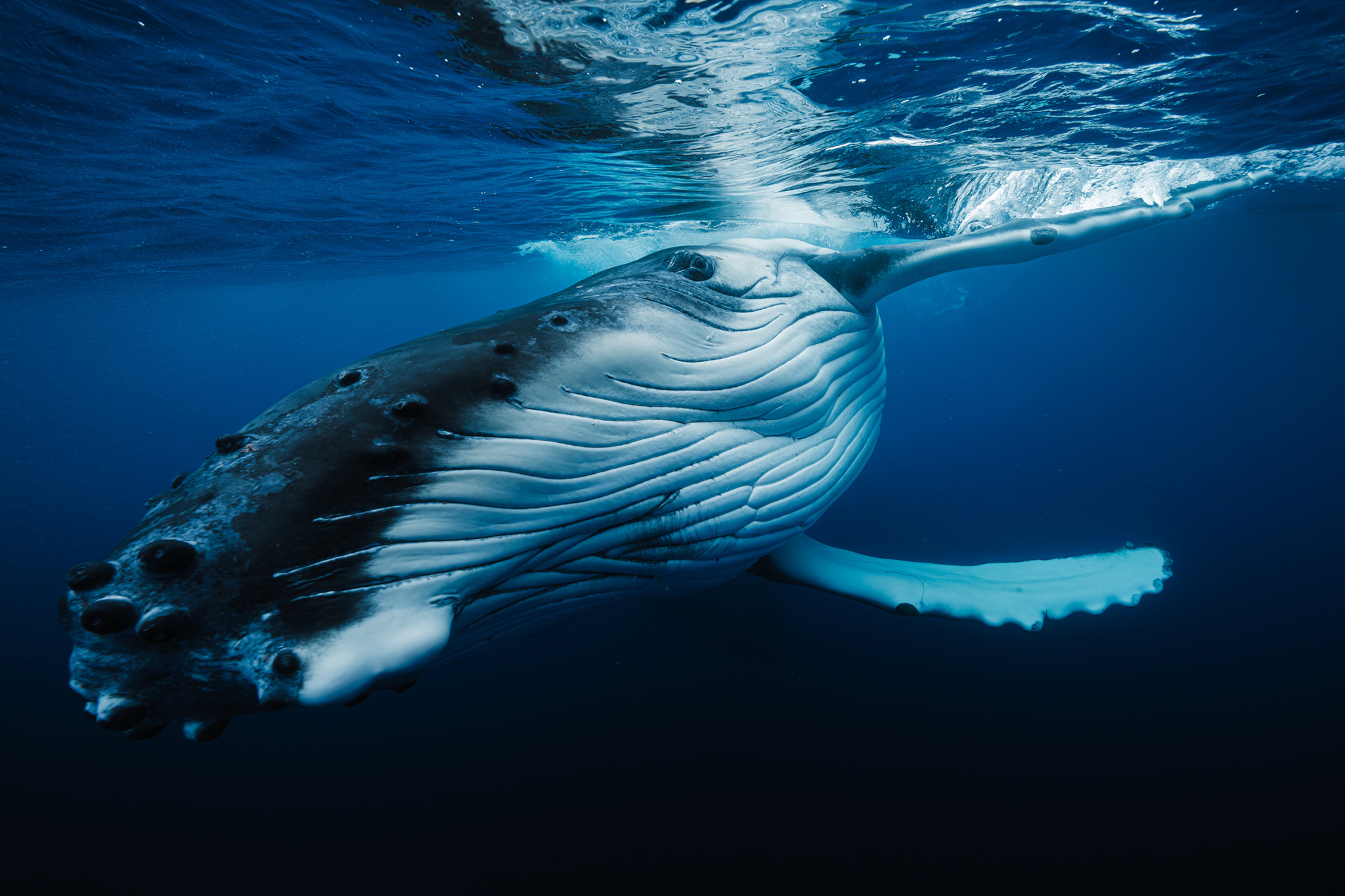
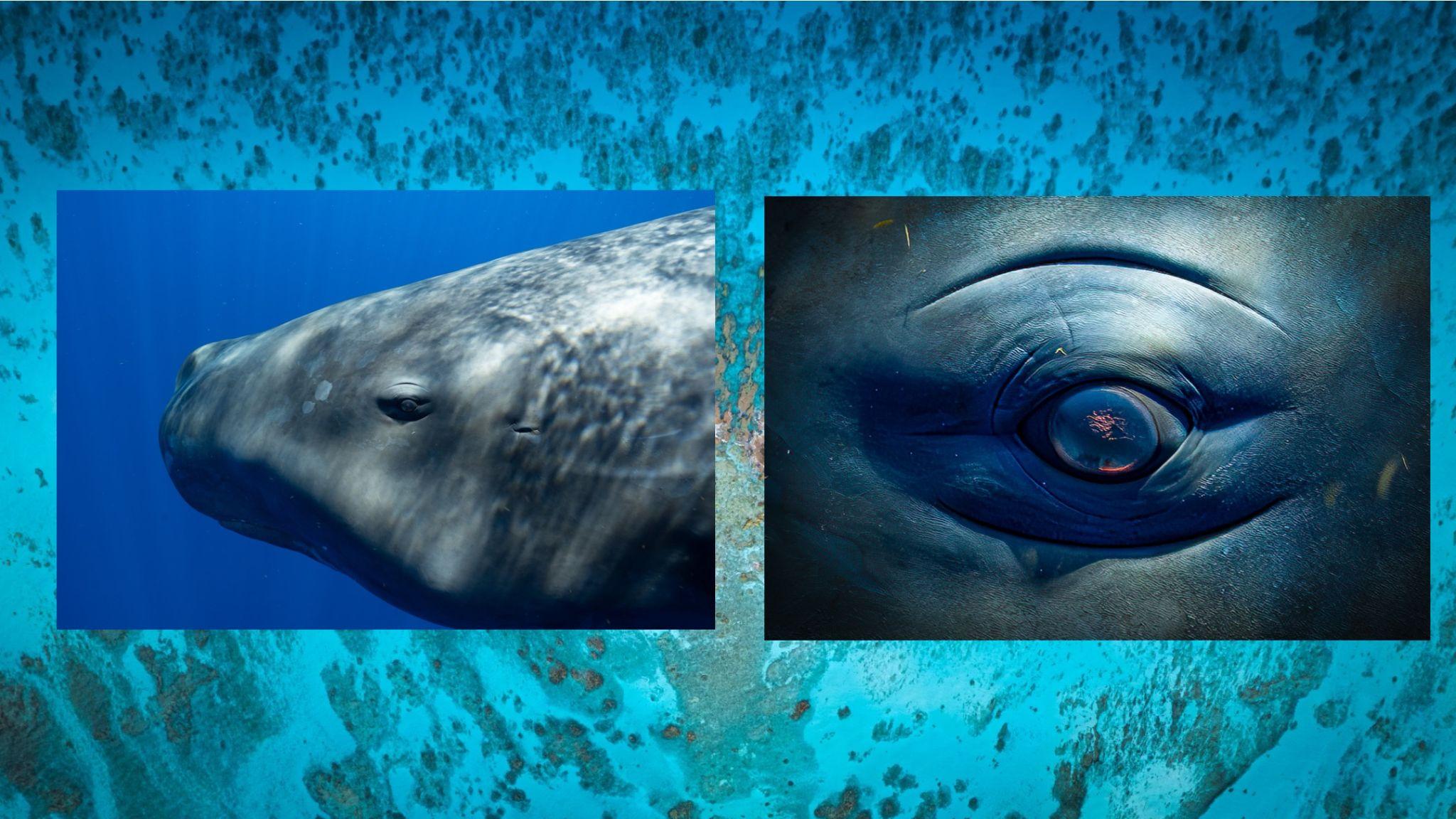
    When building your underwater rig, the distance between the front element and the dome port is a huge factor in how sharp your images will be. If you’re changing that distance by zooming in and out, you’ll affect how sharp your images are. By having the 14mm sitting at the perfect distance from the dome port at all time, it maximizes the sharpness of the lens. So much that I can massively crop in on my images and see things like sea lice and other parasites hitching a ride on our giant friends. It’s also extremely valuable for me to crop in on other details of these animals, such as their eye, or pectoral fin, to derive unique compositions. This is only possible with glass this sharp.

    EDGE-TO-EDGE QUALITY:

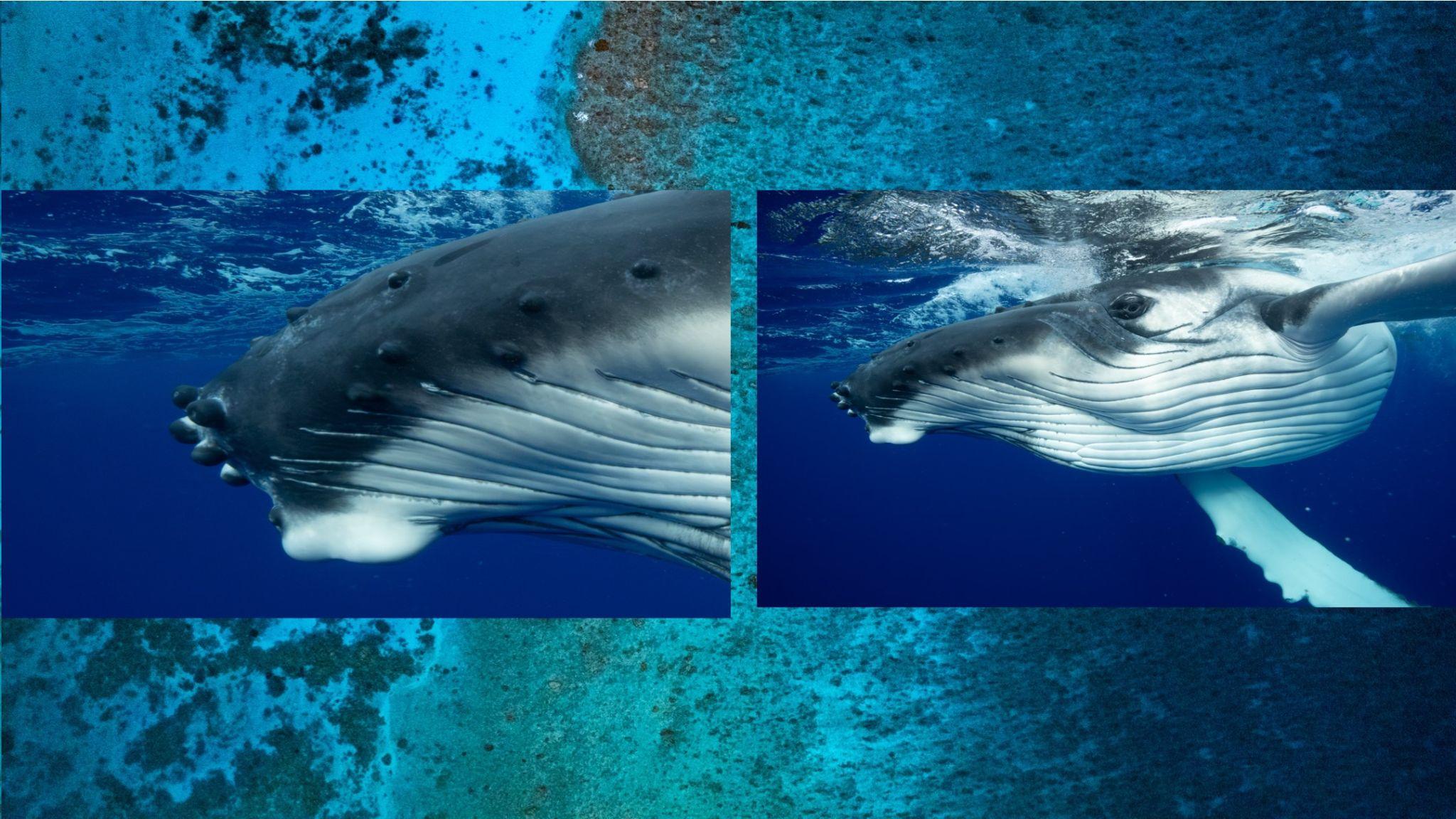
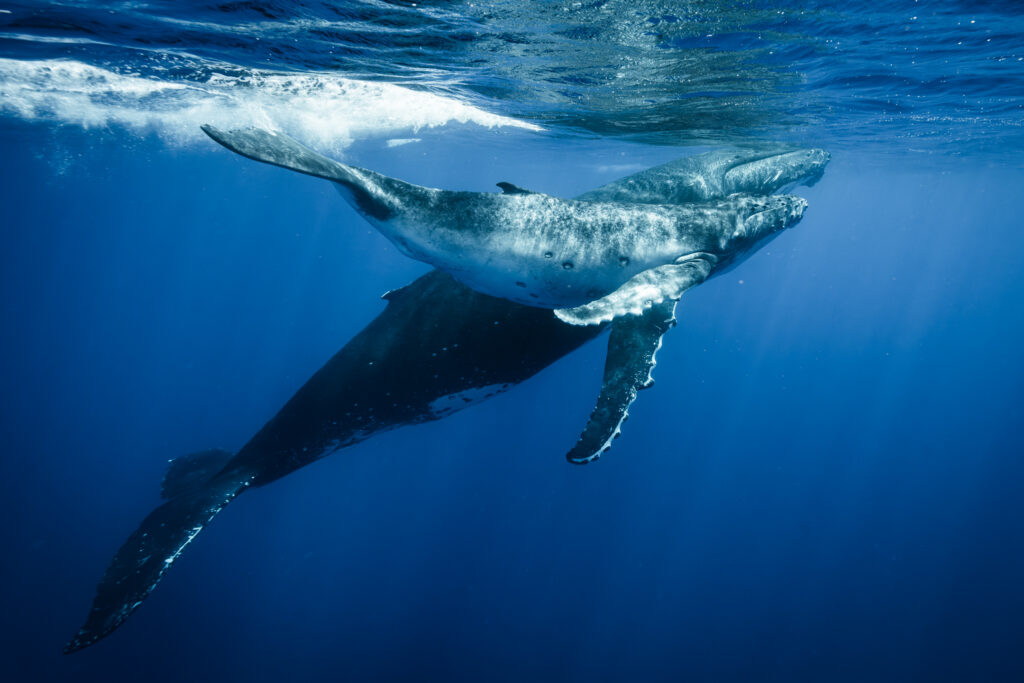
    Another huge draw to this lens for underwater shooters is the edge-to-edge quality. As underwater shooters, we’re constantly battling soft and distorted edges in our images. My first day with the lens, I had a humpback calf inches from the front of my lens. After reviewing the images, I quickly noticed the edges preserved almost all their detail, so much so that I could see the hair follicles on the whale. While still a little soft, something that’s inevitable underwater, the effect is leagues better than shooting on a fisheye or a zoom lens.

    AUTOFOCUS:

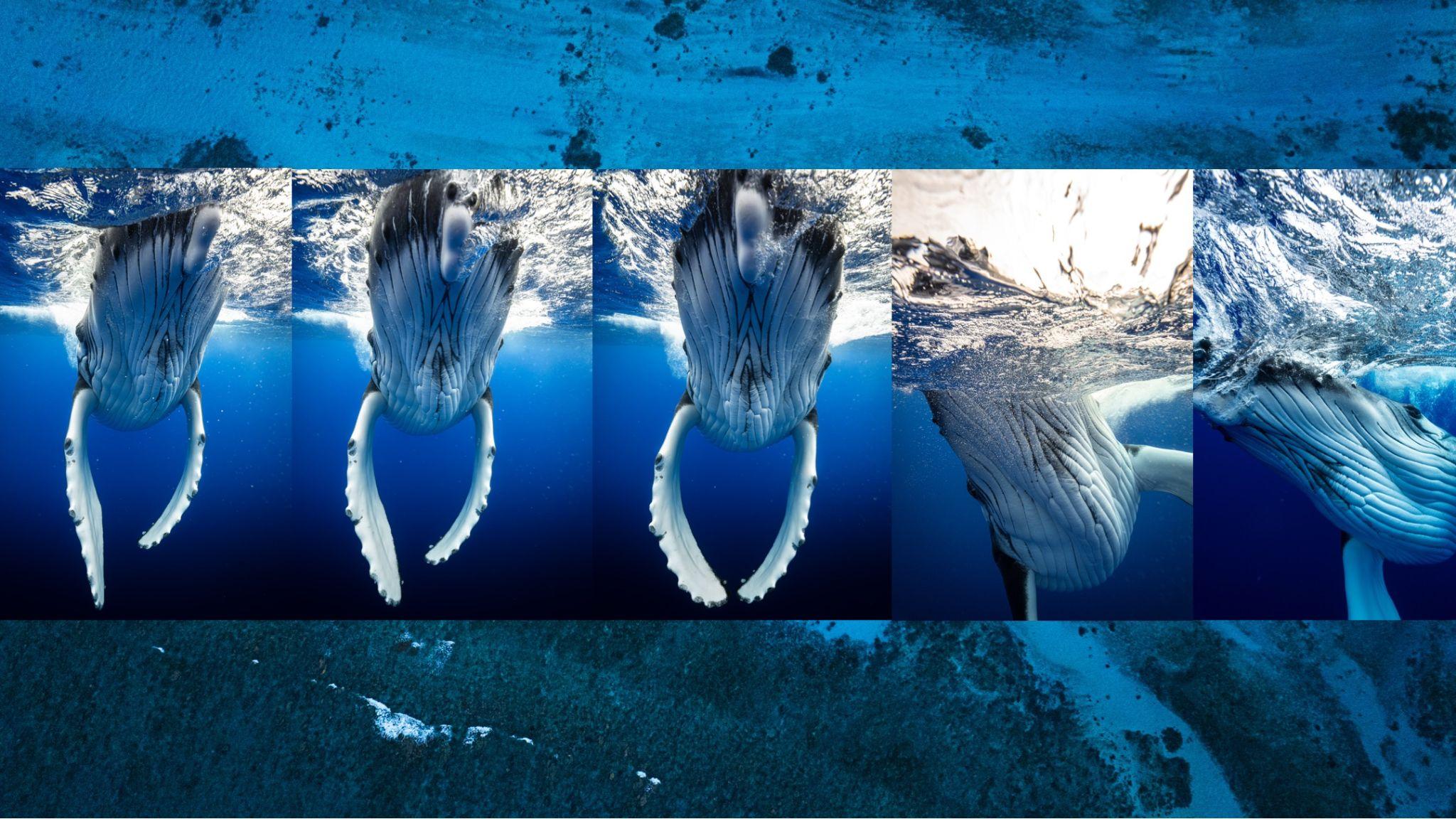
    There’s not much to say here besides that the autofocus is flawless. Once I have a whale in frame, I hold down the trigger and let the continuous autofocus go to work. Of the 20,000+ images I took over the two months, I don’t think I had a single miss. While I encounter a lot of animal guiding, every moment is unique and fleeting. Having the ability to capture every unrepeated moment might mean the difference between a good image and an exceptional one.


    Conclusions and final thoughts:

    My favorite aspect of the images the 14mm F1.4 DG DN | Art produces is the dimensionality of the photo’s aesthetics. After my first day with this lens, I sent a video I filmed with it to a colleague of mine, and his response was, “That whale looks like it’s about to pop out of the screen.” This was the look I’ve been craving in my images, which wasn’t possible with a 16-35mm. I’d recommend this lens to any underwater shooter who’s looking to obtain peak sharpness, flawless autofocus, and wants to add a unique aesthetic to your imagery.

    It’s safe to say that this lens will be my go-to workhorse on my future underwater adventures.

    [ad_2]

    Source link

  • 30+ After Effects Video Intro Templates (Downloads for Your Company 2025)

    30+ After Effects Video Intro Templates (Downloads for Your Company 2025)

    [ad_1]

    * { box-sizing: border-box; } body {margin: 0;}*{box-sizing:border-box;}body{margin-top:0px;margin-right:0px;margin-bottom:0px;margin-left:0px;}

    [ad_2]

    Source link

  • 26th Annual San Diego Undersea Film Festival Coming in October 2025

    26th Annual San Diego Undersea Film Festival Coming in October 2025

    [ad_1]


    The San Diego Undersea Film Exhibition (SDUFEX) returns this October for its 26th year. Featuring some of the best underwater short films from around the globe, the exhibition takes place on Friday, October 10th and Saturday, October 11th at the Irwin M. Jacobs Qualcomm Hall in San Diego, California. More than 70 submissions from 20 countries were received this year.

    The exhibition’s carefully curated programs, each night offering a unique lineup, feature captivating films ranging from encounters with sharks and whales in the deep sea to vibrant coral reefs and California’s own kelp forests. The festival highlights both acclaimed filmmakers and emerging talent, with opportunities to meet many of them during intermissions and at Saturday’s post-screening reception.

    Tickets go on sale August 25th at www.sdufex.com. For those unable to attend in person, a virtual festival will be available to stream from October 15th through November 30th.


    [ad_2]

    Source link

  • Hate Editing? Try These Lightroom Tips

    Hate Editing? Try These Lightroom Tips

    [ad_1]

    For some, poring over Lightroom for hours on end to create the perfect edit, is the only way to go. For others, the mere thought of sitting down at a computer and fashioning raws into something more usable is at best an inspiration for procrastination and at worst something to avoid all together.

    Lightroom, particularly if you do not use it much, can be a daunting and overwhelming program. But it doesn’t have to be that way. If you adhere to the 1/99% rule you will soon find yourself getting great shots with minimal effort. The 1/99% rule suggests that you use 1% of the features, 99% of the time. That is something that is perfectly possible with Lightroom. Today we are going to tell you how.

    Preselection

    One of the biggest mistakes you can make, and one that will definitely put you off editing, is to simply sit with Lightroom and edit each and every photo. This is a time consuming and fruitless pursuit.

    It’s much better to use Lightroom’s simple but powerful rating system to find the best images to edit. In the Library module, open the first image of the shoot. You can create your own system but for simplicity, if the image is not worth editing, do not give it a rating. If it’s a maybe, assign it a 3 star rating. If it’s a must edit, give it 5 stars. You can easily assign the star rating using the number keys on your keyboard. Then hit the right arrow to advance to the next image and rate that. In no time at all you will have a selection of 5 star images to edit. Use the filters at the top of the Library module to filter 5 star images only.

    Screenshot of Lightroom Library Moduile with images rated by stars
    Knowing which images you want to edit is half the battle.

    Make Use Of Presets

    If you really do struggle with editing, then presets are the way to go. Whilst there are a number of photographers that sell presets, there is also a very good selection provided by Adobe.

    To apply a preset open the image in the “Develop” Module. On the left side of the screen you will see a plethora of different types. You don’t actually have to click on a preset to see what it will look like on your image. Instead simply roll your cursor over each of them. When you find one that you like, click it and the preset will be applied.

    If there is a particular preset that you find yourself gravitating to often, you can choose to apply it on import. To do this, in the import window, to the right click on “Develop Settings.” You will see all the presets that you have installed in a drop down list. Simply select the one you like and all images will have that preset applied as they are imported.

    Don’t worry if you are not happy, you can clear any preset by right clicking on it in the “Library” module and selecting “Develop Settings” – “Reset.” This will return the image to its out of camera look. You can do this to multiple images by holding “CMD/CTR” and left clicking all the images you wish to reset. Then with the mouse over one of the selected images, use the same procedure.

    Screenshot of before and after images using Lightroom Presets
    Carefully chosen presets can save large amounts of time

    If you prefer not to use a preset, Lightroom allows you to make automatic corrections. These can be very useful for very quick edits.

    In the “Develop” Module under the “Basic” tools there are two “Auto” options. The first, at the very top is called “Auto.” When you click this, Lightroom will work out what it thinks the image needs based on the histogram. It will apply exposure, contrast and saturation as well as lifting shadows and dropping highlights. It’s not a perfect tool, but for quick edits, it does a decent job.

    The other very useful tool is the “White Balance dropper” tool. It is found at the top left of the White Balance section.

    To use this tool simply click on it and move the dropper to a section of the image that you know to be a neutral grey. Lightroom will then correct the white balance to make sure that grey area becomes neutral.

    Screenshot of Auto tools in the Lightroom Develop module
    Make use of Lightroom’s auto tools

    Use The Basic Editing Sliders

    If you want to have a little more control over your images, then confining yourself to the basic correction tools is a good way to go. These are Exposure, Contrast, Highlights, Shadows, Blacks and Whites.

    For a very simple, fast edit, first move the Exposure slider, to get the bulk of the Histogram to the middle. Then simply move the Black slider until the edge of the histogram hits the left side. Do the same with the White slider until the histogram hits the right side. This will give you optimum contrast and exposure. If you want to edit a touch more, use the Highlight and Shadow tool to get the look you want.

    If you like that look you can then apply it easily to the other 5 star images in your shoot. To do this, simply right click on the edited image, select “Settings” – “Copy Setting” then from the window click ‘Check All.”

    Now you can scroll through your 5 star images and apply that setting to each one. To do that, bulk select the images in the “Library” Module, right click on one of them and select “Develop Settings” – “Paste Settings.” You might need to go back and tweak one or two, but overall this should give you a fast and consistent edit.

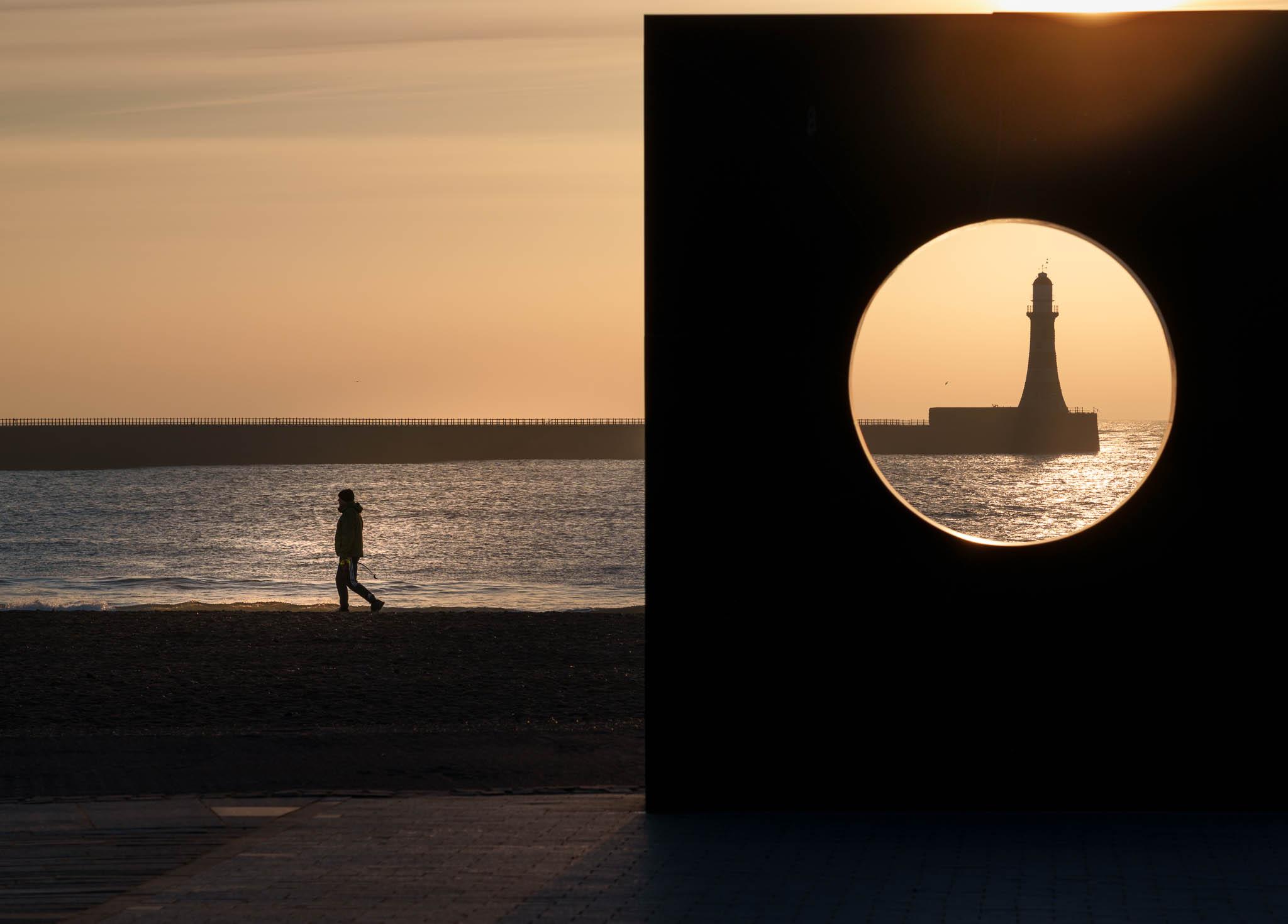
    Screenshot of a simple, basic edit in Lightroom
    Roker lighthouse in Sunderland showing a minimal edit in Lightroom
    Use just the 6 basic sliders. By Jason Row Photography

    Find A Workflow That Suits You

    Repetition is a good way to get efficient in Lightroom, so developing your own short workflow will help you breeze through the editing process. It doesn’t have to be complicated, just import, rate, quick edit and export the ones you want to show.

    By repeating the same workflow you will soon find yourself being able to edit images in minutes rather than hours.

    Editing can be an off putter to some photographers. It can be time consuming and frustrating. However using some or all of the tips above, you will soon find editing in Lightroom doesn’t have to be a chore. The end benefit will be a definite upturn in the quality of your images. That has to be a win-win.

    Further Reading


    [ad_2]

    Source link

  • How to Choose the Right Photo Editing Services

    How to Choose the Right Photo Editing Services

    [ad_1]

    When you need photo edits and see a long list of editing services and techniques, it’s easy to feel a bit overwhelmed. With so many options plus multiple ways to combine them, where do you even start?

    It makes perfect sense to go with what feels familiar, like basic retouching or background removal. But we’ve learned from working with thousands of photographers and business owners that your photos often benefit from multiple services working together. Combining services gets you better results with less hassle, since you can handle everything in one order instead of juggling separate projects. Let’s show you how to pick the right edits for your photos.

    How to identify what your photos actually need

    Before you start combining services, let’s figure out what you’re actually working with—it’ll save you time and help you get better results.

    Photo diagnosis checklist

    Take a look at your images and ask yourself if you spot any of these:

    • Background issues: Is the background distracting, the wrong color, or inconsistent across your batch? Does it look messy or unprofessional?
    • Subject problems: Are there imperfections, poor lighting, or color issues with your main subject? For apparel, does it need to show fit and drape without a model?
    • Technical fixes: Is anything crooked? Are shadows missing or looking unnatural? Any dust, dirt, or glare issues?
    • Brand requirements: Do you need multiple product colors? Specific formats? Transparent backgrounds for marketing materials?

    Common photo problems and their solutions

    Here are some scenarios we see all the time:

    • “My product looks flat and boring” → clipping path + shadows
    • “The background is messy and distracting” → background removal + retouching
    • “I need to show this product in 5 different colors” → clipping path + color change
    • “The model’s hair isn’t looking right” → image masking + retouching
    • “My apparel needs to show shape without the mannequin” → ghost mannequin + retouching + symmetry

    Most photo challenges need two to three services working together, not just one by itself.

    How Path services work better together

    Here’s why thinking in combinations instead of individual services makes more sense:

    • Save admin time: Upload everything you need edited in a single order and get it all back together, ready to use. No juggling multiple orders or trying to keep track of which image versions are where.
    • Speed up your workflow: Everything gets delivered together in the formats you need. Your designer handles all the edits for each image, so there’s consistency across the entire batch.
    • Keep all photos consistent: When the same designer handles all your edits, you get cohesive results. Colors match, shadows look natural together, and the overall style stays consistent.
    • Keep costs down: We offer discounts when you bundle multiple editing services together.

    You can combine pretty much any of our services together—two, three, four, or more. What matters is understanding which combinations work best for your specific type of photography.

    Service combinations by photography type

    Every photography project has different needs, and you might even use the same image for different purposes. Here are some proven editing combinations that work well for different situations:

    Sports photographers

    When you’re dealing with high-volume shoots and tight deadlines, you need services that work fast and handle the most common issues in sports photography.

    Your typical service combo:

    • Image masking for complex backgrounds, hair, equipment details, etc.
    • Background removal for clean, professional shots and official team photos, etc.
    • Photo retouching for spot removal, color correction, skin touch-ups, etc.

    There may be time-critical events such as championship coverage where you need polished images fast, or you might need to update and create consistent team roster headshots across an entire squad, just like this photographer does. You can choose different services depending on what each batch of images needs, whether that’s processing 200+ action shots or creating headshots with a uniform, professional look.

    We offer turnarounds from 6 hours, so you can deliver images to your clients, magazines, or publications fast.

    Product and ecommerce brands and photographers

    For ecommerce, consistency is everything. Your product photos need to look professional, meet marketplace (like Amazon) standards, and convert browsers into buyers.

    A standard combo:

    • Clipping path for clean cutouts that meet marketplace requirements or create a clean website look.
    • Shadow services add depth and dimension so products don’t look flat.
    • Color change shows all available product colors without reshooting every single variant.

    Advanced ecommerce stack (add these for even more polished results):

    New ecommerce brands often start with the foundation combo (clipping path + shadows + color change) and add ghost mannequin as their apparel inventory grows. Established retailers may go with the full stack approach for complete consistency across their entire product catalog.

    Portrait and headshot photographers

    Professional portraits and headshots need to look polished but still natural. The goal is enhancing what’s already there, not creating something fake.

    Typical professional edits for portraits and headshots include:

    • Background removal/clipping path gives you versatile backgrounds for different marketing uses.
    • Photo retouching helps with natural beauty enhancement, color correction, and flyaway hair fixes.

    Corporate headshot scenarios may include:

    • Basic combo of background removal + basic retouching.
    • Premium package, adding advanced retouching and multiple background options for different brand uses.

    Advanced portrait combination (for high-end clients or special projects) may include:

    • Image masking for complex hair or clothing details.
    • Color change for different outfit variations or brand color matching.
    • Multiple background options so clients can use the same headshot across different marketing materials.

    Wedding and event portrait combinations may include:

    • Image masking for intricate dress details and flowing fabric.
    • Retouching for flawless, natural skin and perfect lighting.
    • Background removal for ceremony photos that need to work in albums and marketing.

    How to choose your perfect edit combination

    Use this simple framework to figure out which services make sense for any project:

    1. What’s your end goal? Are these photos for marketplace listings, marketing materials, portfolio work, or client galleries?
    2. What’s your biggest time constraint? Do you have a tight deadline, a high volume of images, or particularly complex edits?
    3. What’s your budget priority? Are you focused on cost per image, or is premium quality and time savings more important?

    Consider your photo use case

    Sometimes the same photo needs different sets of edits depending on how you plan to use it. For example, a product photo might need:

    • For marketplace listing: clipping path + white background + basic retouching.
    • For social media: same photo but with different background + enhanced colors + shadows.
    • For print: higher resolution + color matching + vector conversion.

    How to mix and match your edits

    Use this simple approach to figuring out which services work best for your projects:

    • Start simple: Pick two to three core services that address your biggest pain points.
    • Test combinations: Try different combos on smaller image batches to see what works best for your workflow.
    • Scale up when it makes sense: Add more services as you see results and understand how they improve your final images.

    When to add each editing service

    Not sure which services you actually need? Here’s a quick reference for what each one does best.

    Clipping path: When you need hand-drawn, crisp clean cutouts that you can use on any background.

    Background removal: When you want clean white (or any color) backgrounds for product photos.

    Image masking: For intricate shots with hair, fur, or complex borders that need precise, natural-looking cutouts.

    Shadow: When products look flat or unrealistic—shadows add depth and dimension, and they actually help generate more sales.

    Ghost mannequin: For apparel that needs to show natural fit and drape without models or mannequins, essential for consistent ecommerce catalogs.

    Color change: When you have multiple color options and need to show true-to-life colors without reshooting every single shade.

    Photo retouching: When imperfections distract from your subject—this corrects flaws and makes every element shine.

    Multi-clipping path: When you need to select multiple areas within images for separate editing (like changing just the shirt color but not the pants).

    Vector conversion: When you need scalable graphics and logos that maintain quality at any size.

    Symmetry: When product alignment matters for brand consistency and that premium, professional look that converts better.
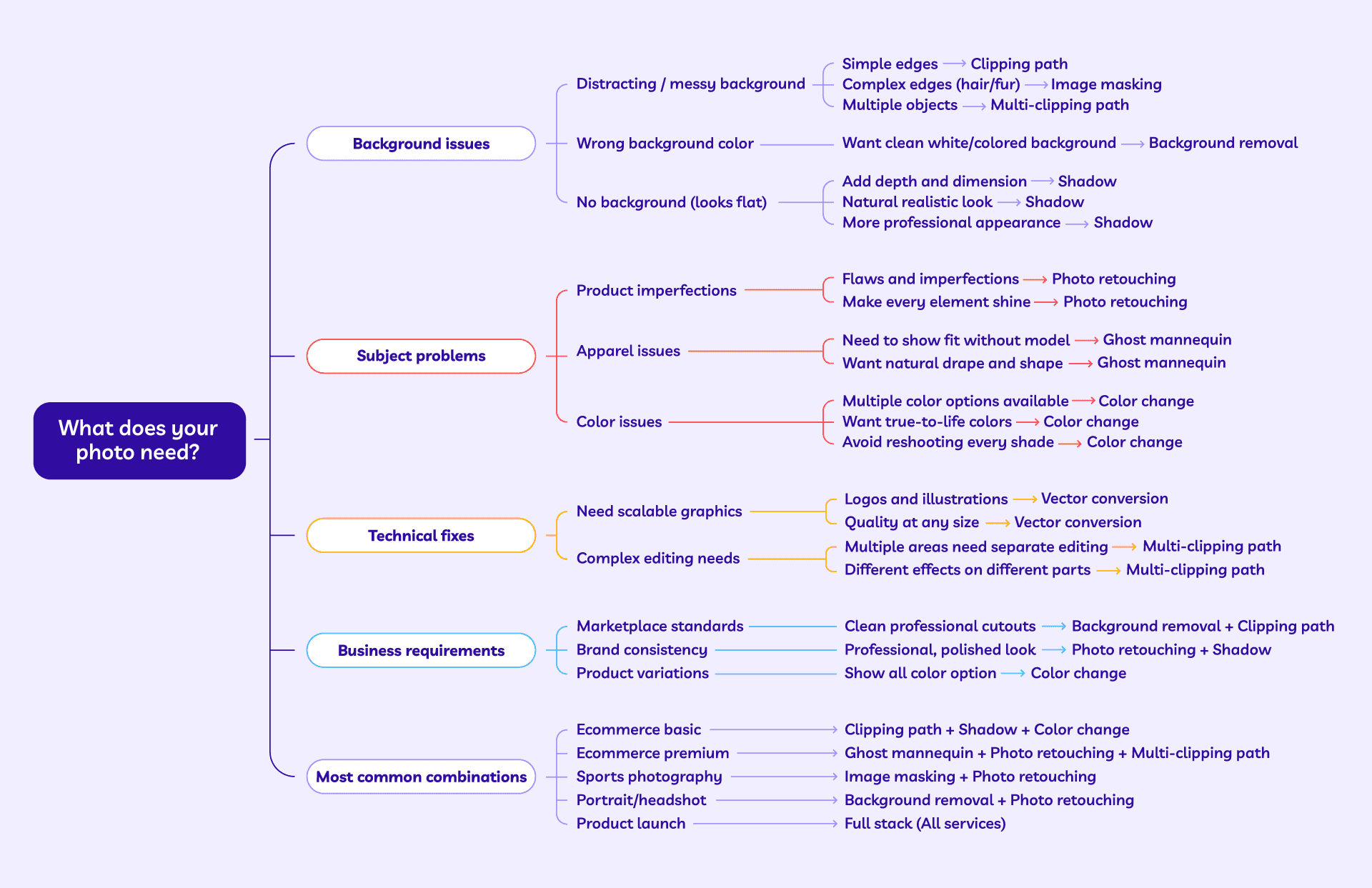
    Flowchart titled “What does your photo need?” showing how to choose photo editing services like clipping path, image masking, shadow, ghost mannequin, and retouching based on background issues, subject problems, technical fixes, and business needs.

    How to place your Path order

    Ready to try combining services? Here’s exactly how to do it and how it works:

    Getting started

    1. Sign up for your Path account
    2. Top up Path credits (optional but recommended—you get bonus credits when you top up)

    The ordering process

    1. Click “new order” to start your project
    2. Select all the services you need for this batch—you can choose as many as you want
    3. Upload your images using drag and drop
    4. Get instant quote and you’ll see your total cost immediately
    5. Set preferences like:
      a) File format for your edited images
      b) Additional comments or instructions
      c) Upload any supporting files if needed
    6. Select turnaround time (longer turnaround means cheaper pricing, or choose rush for time-sensitive projects)
    7. Review and approve your quote
    8. Choose payment method and submit your order

    If you need 1,000+ images edited a month, we offer bulk pricing with better rates and priority support.

    Ordering edits with Path couldn’t be any easier

    Now that you know which combinations work for your type of photography, placing an order is straightforward. Try Path free with 2 free edits and see how much better your photos look with the right services working together.

    Let us look after your image edits, so you can get back to the fun stuff. Try Path free.

    [ad_2]

    Source link

  • Announcing the Sixth Think Pink Photo Competition

    Announcing the Sixth Think Pink Photo Competition

    [ad_1]


    DPG is very proud to announce the opening of the Sixth Think Pink Photo Competition, organized by nonprofit organization Dive into the Pink, and hosted by DPG, with proceeds used to support the fight against breast cancer. This year, the judging panel is made up of pro underwater shooters Shane Gross, Richard Barnden, and Tanya Houppermans.

    We’re once again talking all things PINK! We want to see your most eye-popping images featuring the color pink, from the hue of your foreground subject to the pink polyps in the background reef, from an intense fuchsia to a delicate rosé. Photos may be entered into two categories, Macro and Wide Angle, and may have been taken anywhere, anytime. (For inspiration, see the winners of the First, Second, Third, Fourth, Fifth Think Pink Photo Competition.)

    This year’s awesome prize sponsors include Crystal Blue Resort, Anilao, Philippines, Lissenung Island Resort, Kavieng, Papua New Guinea, Backscatter Underwater Photo & Video, Marelux, Kraken Sports, and Ultralight Camera Solutions.

    ​Entry is via donation to Dive into the Pink ($15 per single entry, $35 for three entries, $50 for five entries). The deadline for submission is August 31st, 11:59pm EST.


    Please read the full Rules and Guidelines (on DiveIntoThePink.org) before entering.


    Thank you for supporting Dive into the Pink! 100% of the proceeds from this effort will be used to support the fight against breast cancer.


    About Dive into the Pink

    Dive into the Pink, Inc. was started in 2015 by Allison Vitsky, a breast cancer survivor, veteran scuba diver, and underwater photographer, who wanted to raise money to fight cancer in an unconventional way—by going scuba diving with friends.

    Most of its funds are split between the Young Survival Coalition (YSC) and the Guise Laboratory at M.D. Anderson Cancer Center. The YSC is an international organization dedicated to the critical issues of young women with breast cancer—specifically, Dive into the Pink supports and promotes the YSC’s incredible patient support network. The Guise Laboratory is part of the Department of Endocrinology at Indiana University; funds are earmarked for a project examining whether characteristics of the bone marrow microenvironment can alter or promote the spread of breast and other cancers to the bones.

    Dive into the Pink is a salary-free, low-administrative cost 501c3 organization.


    [ad_2]

    Source link