برچسب: Wildlife

  • Wildlife Photographer of the Year 2025 Winners

    Wildlife Photographer of the Year 2025 Winners

    [ad_1]

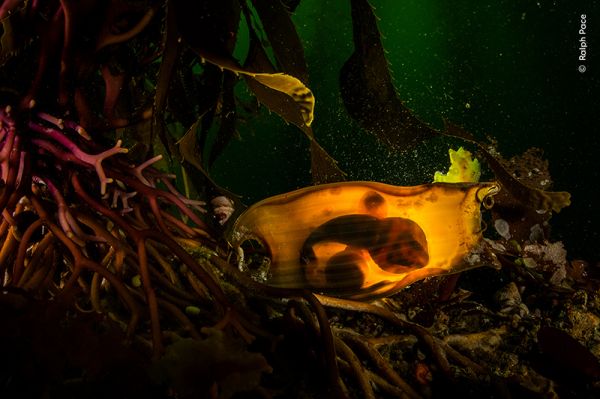
    “Survival Purse” by Ralph Pace (USA): Winner, Underwater (Nikon D850, Nikon 28–70mm f/3.5–4.5 lens, Nauticam housing, 2x Sea&Sea strobes, f/14, 1/125s, ISO 640)


    The Wildlife Photographer of the Year Competition has announced the 2025 winning images at an awards ceremony in London. The winners were selected from over 60,000 entries from 113 countries and territories. While underwater photographers claimed the title of Wildlife Photographer of the Year in 2023 (Laurent Ballesta) and 2024 (Shane Gross), this year’s overall winner, photographed by Wim van den Heever from South Africa, was an atmospheric image of a brown hyena on the prowl in an abandoned diamond mining town on the desert coast of Namibia.

    This year’s winner in the Underwater category was American conservation photographer Ralph Pace for his unique shot of a swell shark egg case attached to a giant kelp in Monterey Bay, California. Ralph lit the egg case—aka “mermaid’s purse”—from behind to reveal the swell shark embryo within, its gill slits and yolk sac clearly visible among the dark kelp forest. Researchers estimate that kelp forests in Monterey Bay have declined by more than 95 percent over the past three decades. Swell sharks depend on kelp to lay their eggs, making them especially vulnerable to such losses.

    It would be remiss of us if we didn’t also mention last year’s Wildlife Photographer of the Year, Shane Gross, taking home an award again this year. Shane’s winning shot in the “Animals in their Environment” category shows fascinating, rarely photographed behavior—a peppered moray eel scavenging for dead fish at low tide. Well adapted to the intertidal zone, peppered morays can hunt both above and below the water’s surface using their keen senses of smell and sight—staying out of water for as long as half a minute.

    Congratulations to Wim, Ralph and Shane, and all the other winners! Check them out below and here.


    PRESS RELEASE

    Ghostly shot of rare hyena in abandoned mining town wins Wildlife Photographer of the Year 2025

    Selected from a record-breaking 60,636 entries from 113 countries and territories, the category and overall winners of the world’s leading wildlife photography competition, Wildlife Photographer of the Year, run by the Natural History Museum, London, were revealed at an awards ceremony this evening.

    Wildlife Photographer of the Year 2025

    South African wildlife photographer Wim van den Heever has been announced as Wildlife Photographer of the Year 2025 for his powerful image, ‘Ghost Town Visitor’.

    Highlighting how nature interacts with urban spaces in often unusual ways, Wim’s photograph is a haunting yet mesmerising view of a brown hyena visiting the skeletal remains of a long-abandoned diamond mining town in Kolmanskop, Namibia. Testament to the photographer’s determination and patience, using camera trap technology, it took Wim a decade to get this single shot of a brown hyena after first noticing their tracks at the site.

    The rarest hyena species in the world, brown hyenas are nocturnal and mostly solitary. They are known to pass through Kolmanskop on their way to hunt Cape fur seal pups or scavenge for carrion washed ashore along the Namib Desert coast. Brown hyenas are rarely seen, so camera trap technology is an effective way for scientists to monitor behaviour and better understand the species.

    Kathy Moran, Chair of the Wildlife Photographer of the Year Jury, says: “How fitting that this photograph was made in a ghost town. You get a prickly feeling just looking at this image and you know that you’re in this hyena’s realm. I also love the twist on this interpretation of ‘urban’ – it was once but is no longer a human-dominated environment. Abandoned by miners, wildlife has taken over. Repopulated, if you will. Is it still a town – it would seem that way to me – just no longer ours.”

    Akanksha Sood Singh, Jury Member for the sixty-first Wildlife Photographer of the Year competition, says: “This image is an eerie juxtaposition of the wild reclaiming human civilisation. The image is haunting yet mesmerising because the solitary hyena takes centre stage as a symbol of resilience amid the decay. This picture is a multi-layered story of loss, resilience and the natural world’s silent triumph, making it an unforgettable piece of wildlife and conservation photography.”


    “Ghost Town Visitor” by Wim van den Heever (South Africa): Wildlife Photographer of the Year 2025 and Winner, Urban Wildlife (Nikon D810, Nikon 17–35mm f/2.8 lens at 17mm, 2x Nikon SB-800 Speedlight flashes, Camtraptions motion sensor, f/2.8, 15s, ISO 3200)


    Young Wildlife Photographer of the Year 2025

    The competition’s Young Wildlife Photographer of the Year 2025 was announced as Andrea Dominizi, the first ever Italian to land the prestigious award for wildlife photographers aged 17 and under.

    Andrea won for his image ‘After the Destruction’ which tells a poignant tale of habitat loss. Framed against abandoned machinery, the image spotlights a longhorn beetle in the Lepini Mountains of central Italy, an area once logged for old beech trees.

    As longhorn beetles tunnel into dead wood, fungi make their way inside, helping to break it down and recycle nutrients. If the beetles’ habitat is disturbed or destroyed, the effects ripple across the entire ecosystem.

    Andy Parkinson, Jury Member for the sixty-first Wildlife Photographer of the Year competition, says: “An image filled with as much narrative and importance as it is with detail. A compelling, but harrowing photograph, it’s one that encourages the viewer to contemplate the nature of this fraught relationship. This image, so beautifully and compositionally crafted will, I hope, stimulate conversation, discussion and an acceptance that we must deviate from our current path because it’s not just our own futures that we’re jeopardising.”


    “After the Destruction” by Andrea Dominizi (Italy): Young Wildlife Photographer of the Year and Winner, 15–17 Years (Nikon D7100, Tokina 10–17mm f/3.5–4.5 fisheye lens at 17mm, Godox TT350 off-camera flash and diffuser, f/8, 1/80s, ISO 400)


    Impact Award 2025

    Now in its second year, the competition’s Impact Award recognises a conservation success, a story of hope or positive change. This year, the award was given to Brazilian photographer, Fernando Faciole, for his image ‘Orphan of the Road’.

    Spotlighting an orphaned giant anteater pup following its caregiver after an evening feed at a rehabilitation centre, Fernando’s photograph highlights the consequences of road collisions, a leading cause of the decline in giant anteater numbers in Brazil. The pup’s mother was killed by a vehicle, and the hope is that it will be released back into the wild after being encouraged to develop crucial survival skills by its caregiver.

    Alongside rehabilitation centres, the Anteaters and Highways project of the Wild Animal Conservation Institute is developing strategies to reduce anteater deaths on Brazil’s roads. These include erecting fences and building underground tunnels to allow the anteaters to cross safely.

    Hans Cosmas Ngoteya, Jury Member for the sixty-first Wildlife Photographer of the Year competition, says: “The anteater depicted in this image symbolises many endangered animals that require our assistance. These animals, without the ability to express themselves verbally, rely on us to ensure their protection and care. This image conveys that message effectively.”


    “Orphan of the Road” by Fernando Faciole (Brazil): Impact Award Winner 2025 (Nikon D850, Nikon 24–70mm f/2.8 lens at 28mm, Nikon Speedlight flash with Greica CT-16 transmitter/receiver, f/22, 0.8s, ISO 31)


    Category Winners and the 61st Wildlife Photographer of the Year Exhibition

    The winning photographs will be showcased in an exhibition at the Natural History Museum, London, from Friday 17 October 2025, including 19 category winners across topics ranging from underwater to urban wildlife, and photojournalism to mammal behaviour.

    The exhibition will also help visitors understand how our planet’s habitats are changing. Alongside the award-winning photographs, the sixty-first exhibition will provide insight into some of the habitats pictured by including the Natural History Museum’s groundbreaking metric, the Biodiversity Intactness Index (BII). BII measures how much of a region’s natural biodiversity remains on a scale of 0 to 100%. Adopted as an official Global Biodiversity Framework indicator for decision-making, it is an essential tool for understanding, monitoring and communicating biodiversity changes on a global scale and tracking international progress towards conservation goals.

    Dr Doug Gurr, Director of the Natural History Museum, says: “Now in its sixty-first year, we are thrilled to continue Wildlife Photographer of the Year as a powerful platform for visual storytelling, showing the diversity, beauty and complexity of the natural world and humanity’s relationship to it. With the inclusion of our Biodiversity Intactness Index, this year’s exhibition will be our best combination of great artistry and groundbreaking science yet, helping visitors to become inspired to be advocates for our planet.”

    The category winners, as well as the full 100 images selected for the competition’s sixty- first portfolio, were selected anonymously by an international panel of experts across the disciplines of wildlife photography, filmmaking, conservation and science. The images were selected for their originality, technical excellence, and creativity.

    The 19 category winners across young and adult categories are:

    • 10 Years and Under: Jamie Smart (UK)
    • 11–14 Years: Lubin Godin (France)
    • 15–17 Years: Andrea Dominizi (Italy)
    • Animals in their Environment: Shane Gross (Canada)
    • Animal Portraits: Philipp Egger (Italy)
    • Behaviour: Birds – Qingrong Yang (China)
    • Behaviour: Mammals – Dennis Stogsdill (USA)
    • Behaviour: Amphibians and Reptiles – Quentin Martinez (France)
    • Behaviour: Invertebrates – Georgina Steytler (Australia)
    • Oceans: The Bigger Picture – Audun Rickardsen (Norway)
    • Plants and Fungi – Chien Lee (Malaysia)
    • Natural Artistry – Simone Baumeister (Germany)
    • Underwater – Ralph Pace (USA)
    • Urban Wildlife – Wim van den Heever (South Africa)
    • Wetlands: The Bigger Picture – Sebastian Frölich (Germany)
    • Photojournalism – Jon A Juárez (Spain)
    • Photojournalist Story Award – Javier Aznar González de Rueda (Spain)
    • Rising Star Award – Luca Lorenz (Germany)
    • Portfolio Award – Alexey Kharitonov (Israel/ Russia)

    The sixty-first Wildlife Photographer of the Year exhibition at the Natural History Museum, London, will open on Friday 17 October 2025 until Sunday 12 July 2026. The exhibition will also embark on a UK and international tour to inspire millions to appreciate and conserve the natural world.

    Our Wildlife Photographer of the Year exhibition is supported by Lead Corporate Sponsor, Nuveen.

    Tickets are available here.


    “Like an Eel Out of Water” by Shane Gross (Canada): Winner, Animals in Their Environment (Nikon Z6, Nikon Z 24–70mm lens at 24mm, Godox AD400 Pro flash with 24-inch diffuser, f/5.6, 1/250s, ISO 2500)


    “The Feast” by Audun Rikardsen (Norway): Winner, Oceans: The Bigger Picture (Canon EOS R5, Canon 15–35mm f/2.8 lens at 15mm, Canon Speedlite 600EX II flash, LED torch, f/4.5, 1/200s, ISO 10000)


    “Synchronised Fishing” by Qingrong Yang (China): Winner, Behaviour: Birds (Nikon Z9, Nikon 400mm f/2.8 lens, f/5, 1/2500s, ISO 110)


    [ad_2]

    Source link
  • Wildlife Portraits That were Captured Under Wonderful Side Lit Conditions

    Wildlife Portraits That were Captured Under Wonderful Side Lit Conditions

    [ad_1]

    Wildlife photography is quite difficult but once you get the hang of it, you will be able to come home with photos that you can add to your portfolio. When you understand light, photography becomes all the more interesting and using this for wildlife photography can help to capture portraits of animals and birds in unique ways. Here are some stunning wildlife portraits that make wonderful use of side lighting so you can get ideas and some inspiration for your next wildlife photography session.

    Side lighting is one of the most interesting and common types of lighting set up that works great for many genre of photography. Side lighting helps to add depth and drama to the photo also enhancing the textures through light and shadows. If you are struggling to understand light or use it to your advantage, we recommend you to check out this eBook “Understanding Light” by Photzy that will help you to discover the secrets to controlling, manipulating and reading light used by the professionals.

    Photo by John Cox
    Photo by  Tim Mossholder
    Photo by Colin Watts 
    Photo by Geranimo 
    Photo by Kartik Iyer
    Photo by Patrick Baum

    When using side light, especially out in nature, in the wild, you may not always be lucky enough for the light to fall at the desired angle. You need to move around and shoot from different angles, perspectives to get the light falling in the right direction to capture the shot that you intended. You need to study the light in the location and then control or manipulate it to your desire. To learn more about this process, check out this eBook “Understanding Light” by Photzy.

    Photo by Geranimo
    Photo by jean wimmerlin
    Photo by Abhijit Sinha
    Photo by Clayton Hafer 
    Photo by Ratanjot Singh
    Photo by mana5280

    Light in the wild cannot always be great for a photographer’s advantage. There are times when photographers choose a particular time of the day, for their shots – early mornings and late afternoons mostly. But, what about other times of the day when actions happen in the wilderness and many interesting subjects are out and about in the wild? You do not want to miss those opportunities. Check out this eBook “Understanding Light” by Photzy and this guide will give you the ability to recognize, control, and manipulate light. The course is taught through 155 pages of easy learning, packed with illustrations, case-studies and assignments to verify your knowledge.

    Photo by Lewie Embling
    Photo by Sammy Wong
    Photo by Colin Watts 
    Photo by piera riva
    Photo by Francesco Ungaro 
    Photo by Tim Umphreys

    Further Reading


    [ad_2]

    Source link
  • Check Out These Tutorials To Add Magic To Your Wildlife Photography

    Check Out These Tutorials To Add Magic To Your Wildlife Photography

    [ad_1]

    Wildlife photography is capturing photos of birds, animals and other critters in the wild, in their natural habitat. It is completely different from capturing photos of animals or birds in the zoo. Wildlife photography is not easy and requires a lot of patience and skills. It also needs educating oneself about different animal behaviours and having great respect towards wild animals.

    Photographing wildlife will require special gear like a long lens and a camera that has continuous autofocus and can shoot in burst mode. In this article we have put together a set of tutorials that will help you to get started in wildlife photography.

    Photo by Pieter van Noorden 

    Wildlife photography is one of the most rewarding genre in photography and working with such stunning subjects requires a lot of observational skills, research and understanding of the subjects, to get the best shots. Scouting for locations, working with the light and elements and wisely choosing compositional techniques are some of the most important factors that will help to capture the best wildlife photos. In this article, we have put together some tips that will help you to capture beautiful wildlife photos.

    Photo by Jeremy Hynes

    Wildlife photography is quite different compared to other genre of photography in the sense you cannot always predict the behaviour of your subjects and it is also difficult to spot them in the wild. You may have heard of wildlife photographers who have spent days, weeks and months looking for their favourite or a particular subject. Besides you will need to take into account a few other factors as well in order to capture the best shots. If you are a beginner in wildlife photography, this article will help you get started.

    Photo by Harsh Singh 

    In the early days into wildlife photography, you may be practicing with a smaller lens like your kit lens that came with your camera. Most of the time when this lens is used with a crop sensor camera, it will work well for shots of bigger animals that are not too far away and also for good environmental shots. Wildlife photography can be done better with the right gear if you are planning to take it up seriously and this article discusses the gear you need to get started.

    Photo by Polina Koroleva

    Some wildlife photos can be done better if you take care of some little things when out in the field. All animals portray attitudes and behaviour and capturing these against a good background can result in compelling photos. You just need to move around a bit and look at your subject from a different angle and perspective. This article provides some tips to add a wow factor to your wildlife photos.

    Photo by Frida Lannerström

    You may have started wildlife photography and shot a few photos but found that they are not very interesting. Following a few tips and techniques can help you capture better wildlife photos. This article talks about research, patience, backgrounds, light, settings for creative shots, composition, ethics and gear for wildlife photography in the form of short tips.

    Photo by Alpha Perspective

    If you are someone who lives in urban areas, you would have come across a few species off wildlife in public places. Photographing these wildlife is a way to get started in wildlife photography. Most of the urban wildlife are not very shy and come quite closer to humans compared to the animals and birds in the wild. Practicing wildlife photography in an urban area, is a great way to start wildlife photography. This article gives a few tips to shoot urban wildlife

    Photo by Max Zaharenkov 

    There are times when photographers plan safaris or other wildlife expeditions and they will need to be in locations where they will need to work with the gear in hand for a few days or even more. Even if you go out for a day safari or wildlife adventure, you will need to pack the necessary gear in order to capture the shots without any stress. This article talks about the gear you need to pack when you go out for wildlife photography.

    Photo by Debjoy Biswas

    Once you have captured your wildlife shots, you will need to edit them to give the image a pop and the right colours. Remember to always shoot raw for effective post processing. A slight adjustment in exposure, contrast, adjusting the white balance, highlights and shadows will help to bring out the best from your raw files. Depending on the files, you may need to make further adjustments like vibrance, sharpness, clarity etc. This article talks about editing wildlife photos in Lightroom for visual impact.

    Further reading


    [ad_2]

    Source link

  • Black And White, Landscapes And Wildlife – The Weekly Light Stalking Community Wrap-Up

    Black And White, Landscapes And Wildlife – The Weekly Light Stalking Community Wrap-Up

    [ad_1]

    Welcome to our weekly community wrap-up.  It’s been another exciting and creative week on the Light Stalking forums with some stunning photography by the community.

    Let us start with the Photo Of The Week that is judged by Federico every week. This week’s photo of the week is by Michael. You can read about what Federico had to say about this photo in the link here – Photo of the Week – August 29th

    Copyright Michael

    The weekend photography challenge from last week, had some very interesting and creative shots. Take a look at the submissions here – “Framed by Nature

    This week, we have a new challenge that has some very beautiful submissions already. Join the challenge here – “Cityscapes Framed

    If you are someone who captures images with your smartphone, we have a Mobile Photography Challenge where you can post your mobile photos and also check out the works by other photographers. The images must be captured and edited on a smartphone. Join to submit the photos over here.

    There are also some members’ picks that are featured. These can be chosen by any of the members and are put in in a whole new thread of their own and called out as being a great addition and shot for the forums. Check out those stunning captures here.

    Patrick started a thread late last year – “Community Inspired Photo Story Challenge” – capture a story in 3 to 6 photos that hold personal significance and post them with a brief description. While that thread was started to be completed within a week, it has been open with ongoing submissions for the past year and is till open where members can post their stories.

    Here are some stunning shots from the past week that we thought were amazing and should be included here:

    Marty captured some stunning photos of the Canadian geese taking flight from a lake in Michigan. Check out the remaining images here – Geese Taking Flight

    Copyright Marty

    Bug On A Bud by Robert Apple. The subjects boast of beautiful contrast and stand out against the beautiful complementary background.

    Copyright Robert Apple

    Mango Order, by Rob Eyers is a fun photo and Rob had a very interesting caption for this photo. You can head over to the forums to read and engage in the conversation.

    Copyright Rob Eyers

    Evening Skies Over The Big Horn Mountains by Robert Apple – See the rest of the images here. Some dramatic sunset sky photos there.

    Copyright Robert Apple

    Daniel shared a cute moment of these baby animals.

    Copyright Daniel Kruger

    Elin”s photo of the craters in Snæfellsnes, Iceland, are a treat to the eyes in terms of colours, light and atmosphere.

    Snæfellsnes, Iceland – Copyright Elin Laxdal

    Rhonda shared a beautiful reflection photo of a sunrise over Lake Louise.

    Sunrise @ Lake Louise Copyright Rhonda E

    Pat’s photo of a bog landscape with the sunlight shining over it, looks a bit dreamy with the colourful foreground adding more interest and textures.

    Sunlight framed Bog – Copyright Pat Garrett

    Max shared a beautifully composed photo of one of the faces in Mount Rushmore, framed through a crevice, looking on onto the mountain, from an interesting perspective.

    Copyright Max

    Elin has used beautiful light in the image below to frame her subject. The light and shadows cast on the pathway work great as a leading line.

    Copyright Elin Laxdal

    Marty’s photo from the Yosemite National Park looks great as if ready to be printed and hung on a wall.

    Copyright Marty

    Robert shared this black and white photo of a rocky terrain with so many layers of interesting textures, under beautiful light.

    Beam ME Up Now Scotty – Copyright Robert Apple

    Stylized Sunflower Edit by Patrick is a beautifully executed shot and is processed well. The film look adds more drama and atmosphere to the photo.

    Copyright Patrick

    Patrick also has a few threads in the forums where he posts his black and white images and other series. They’re very unique, creative and worth a look!

    The Ethereal Mist by Light and Shadow looks almost otherworldly.

    Copyright Light and Shadow

    Rob started a Throwdown: Your Pets – Share photos of your pets here. Rob and Patrick have already shared their pets’ photos.

    Eddie and Marty – Copyright Rob Wood
    Olly – Copyright Patrick

    And, there are images posted in the Shark Tank forum where members request for constructive criticism on their photos.

     If you’d like to join in with our members, feel free to join us on the forums.  We’d love to see you there, and we are a friendly bunch.


    [ad_2]

    Source link

  • British Wildlife Photography Awards 2025 Winners Announced

    British Wildlife Photography Awards 2025 Winners Announced

    [ad_1]

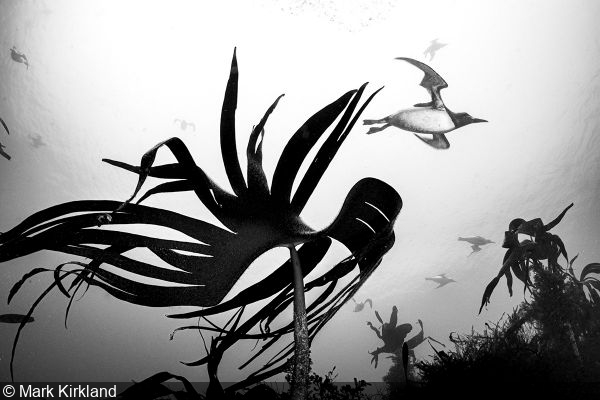
    Winner, Black & White: “Guillemot Kingdom” by Mark Kirkland


    The winners of the British Wildlife Photography Awards 2025 have been announced, and Simon Withyman took the overall win with a delightful capture of a fox patrolling the city center of the southern English city of Bristol. The shot, which was one of more than 13,000 other entries, also won the Urban Wildlife category.

    But, of course, there were winning images in other categories that underwater shooters will find particularly interesting. Two underwater images stood out in the Black & White category, for instance: category winner by DPG Photographer of the Week Mark Kirkland and a Highly Commended shot by regular DPG contributor Henley Spiers. In the Coast & Marine category, it was another DPG Photographer of the Week, Nick More, who took the category win. It was great to see underwater shots being recognized in other categories, too, including Habitat and Urban Wildlife.

    To see all the winning images, head over to the British Wildlife Photography Awards website.


    Highly Commended, Black & White, “Underwater Flight” by Henley Spiers


    Winner, Coast & Marine, “Blue Shark” by Nicholas More


    Highly Commended, Coast & Marine, “Crab Ride” by Kirsty Andrews


    Runner-up, Habitat, “Hunter, Hunted” by Sandra Stalker


    Highly Commended, Habitat, “Catshark” by Henley Spiers


    Highly Commended, Urban Wildlife, “Urban Rainbow” by Paul Colley


    [ad_2]

    Source link