We need more women in all facets of creativity in the outdoor industry as directors, producers, photo editors, filmmakers, and photographers. I hope that with this influx, we can broaden narratives and perspectives in outdoor media.
As a commercial photographer, my shoots are usually highly structured and charted out, often involving weeks or months of planning and strict guidelines from the Creative Director. During Roam, most of my focus was on supporting and guiding my mentee. But in the pockets of time when she was working, I had rare moments to step back.
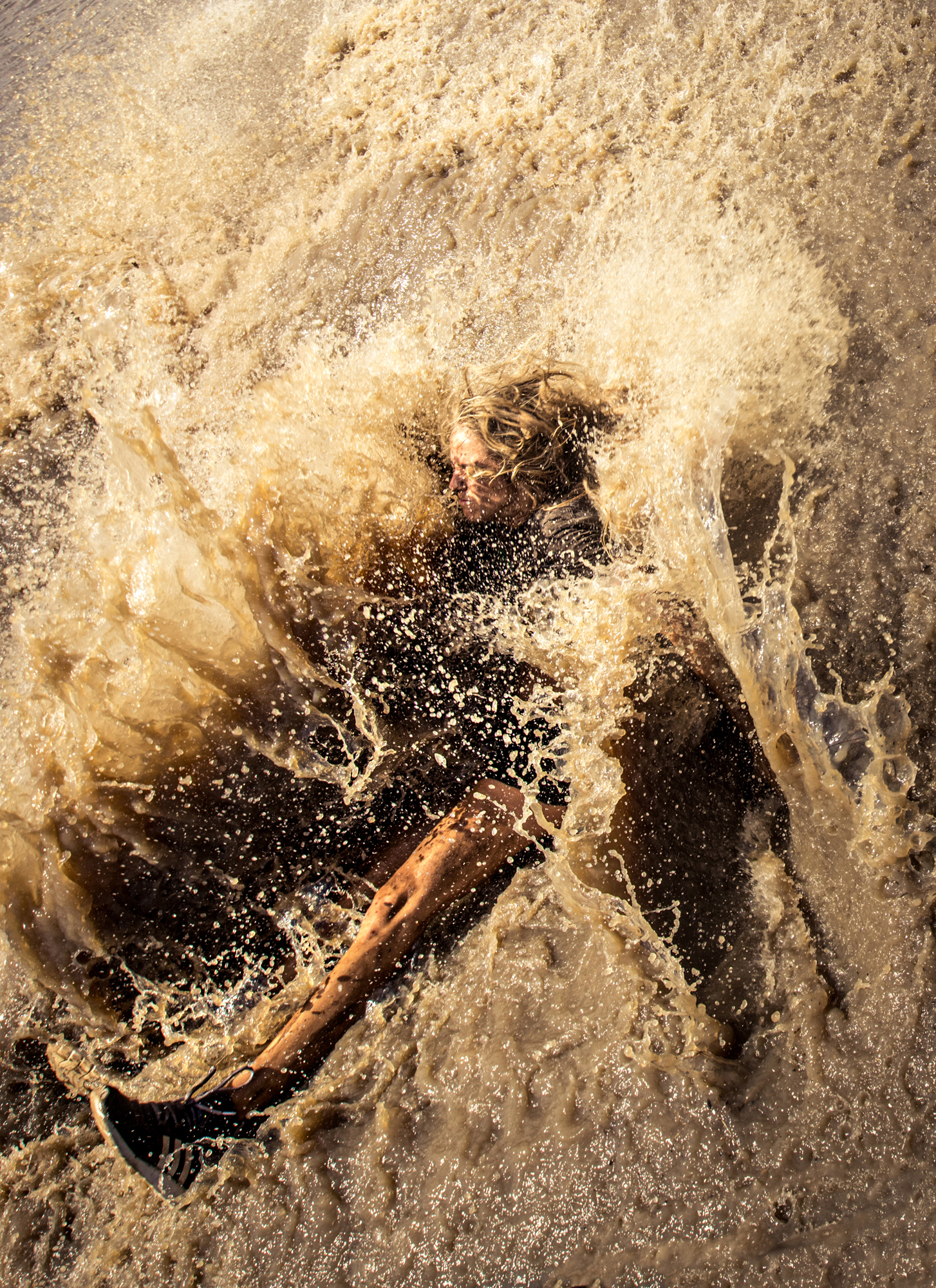
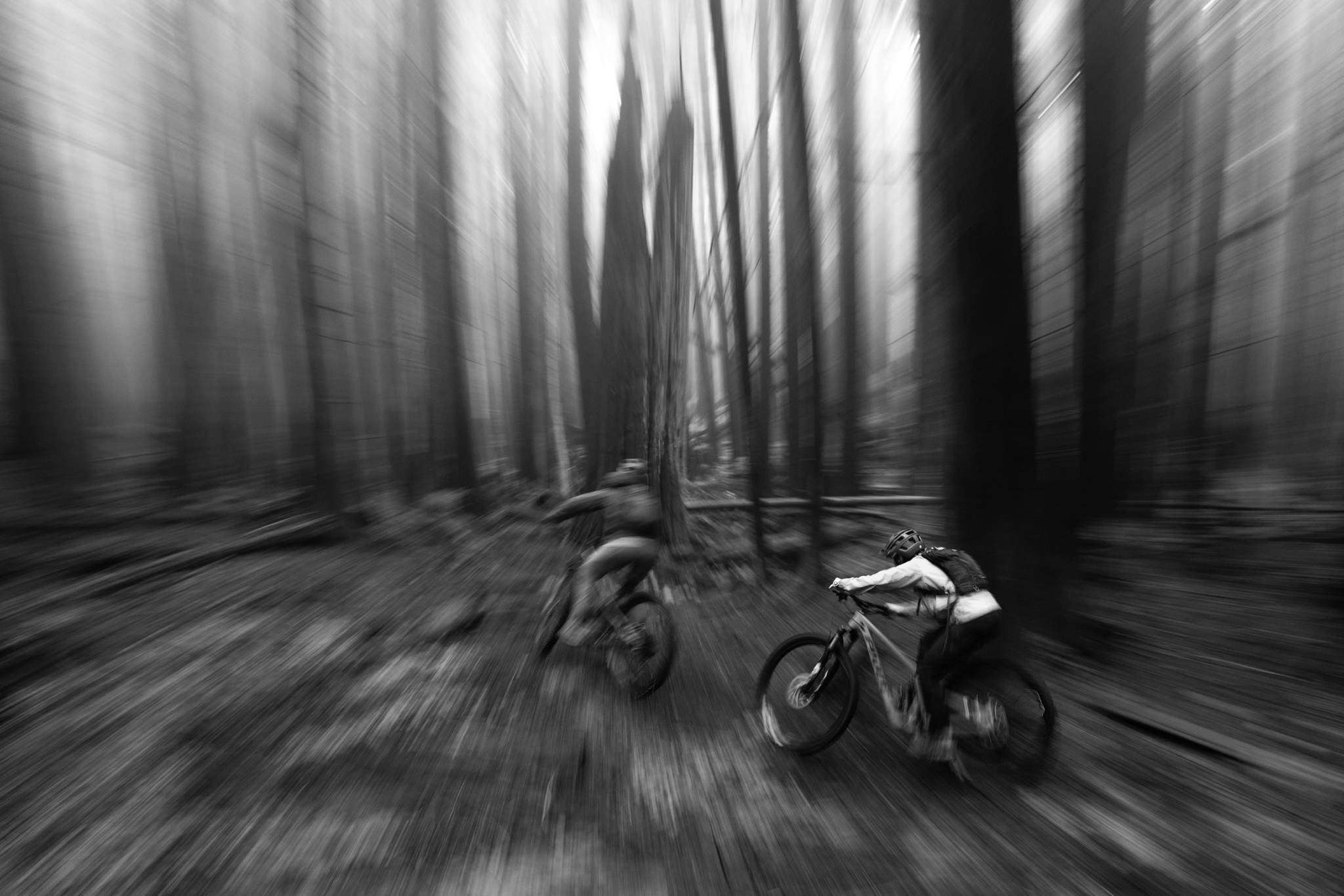
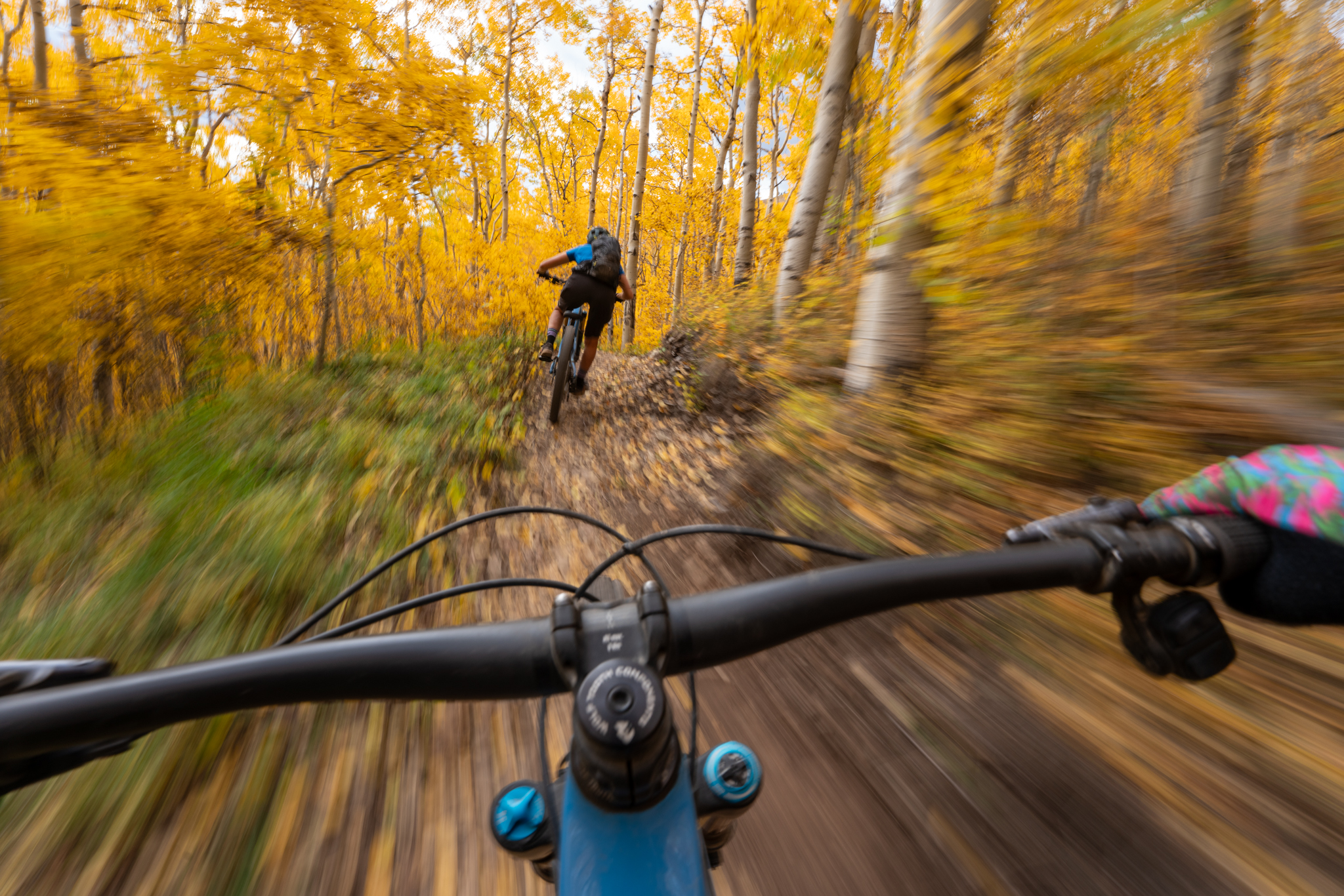
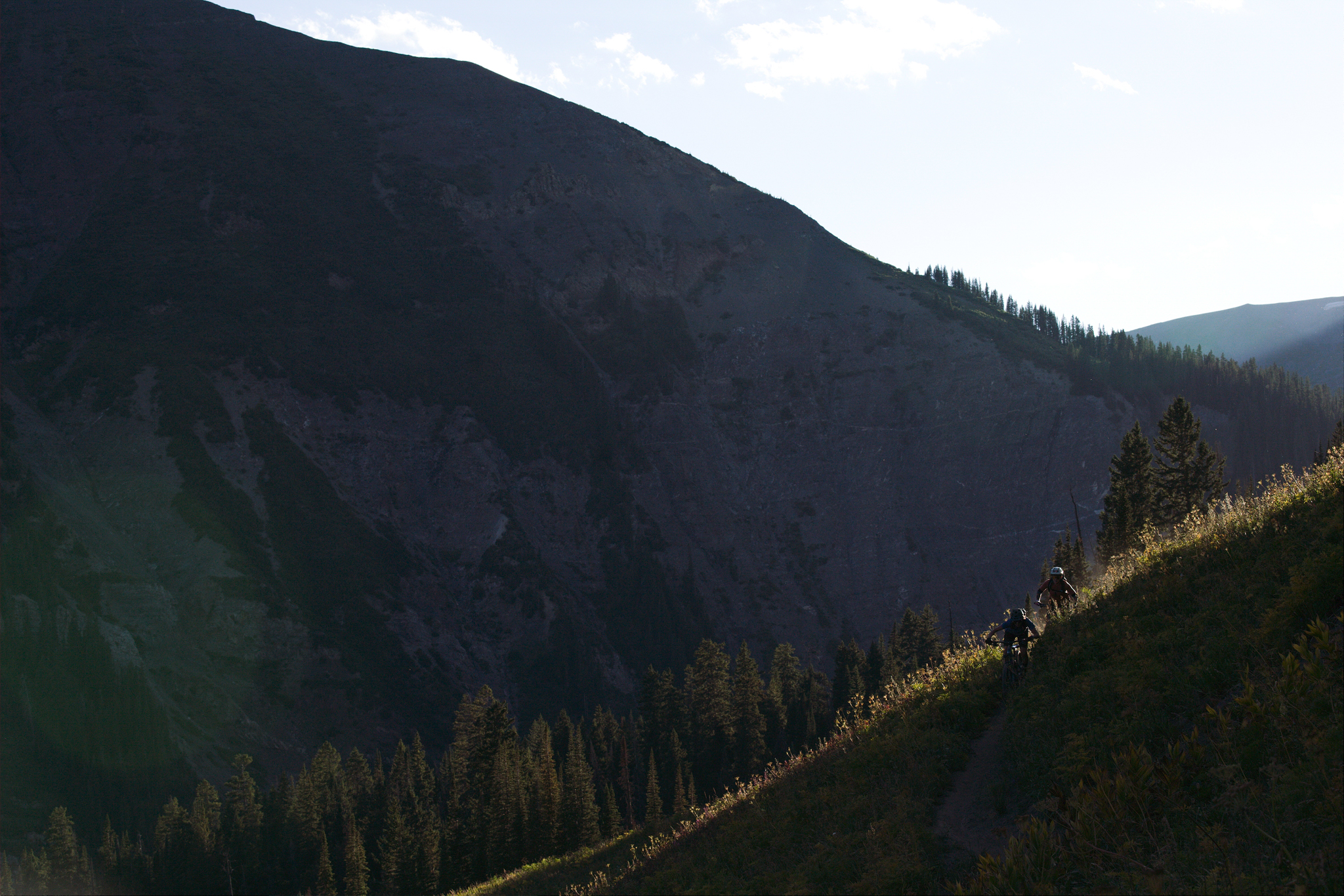
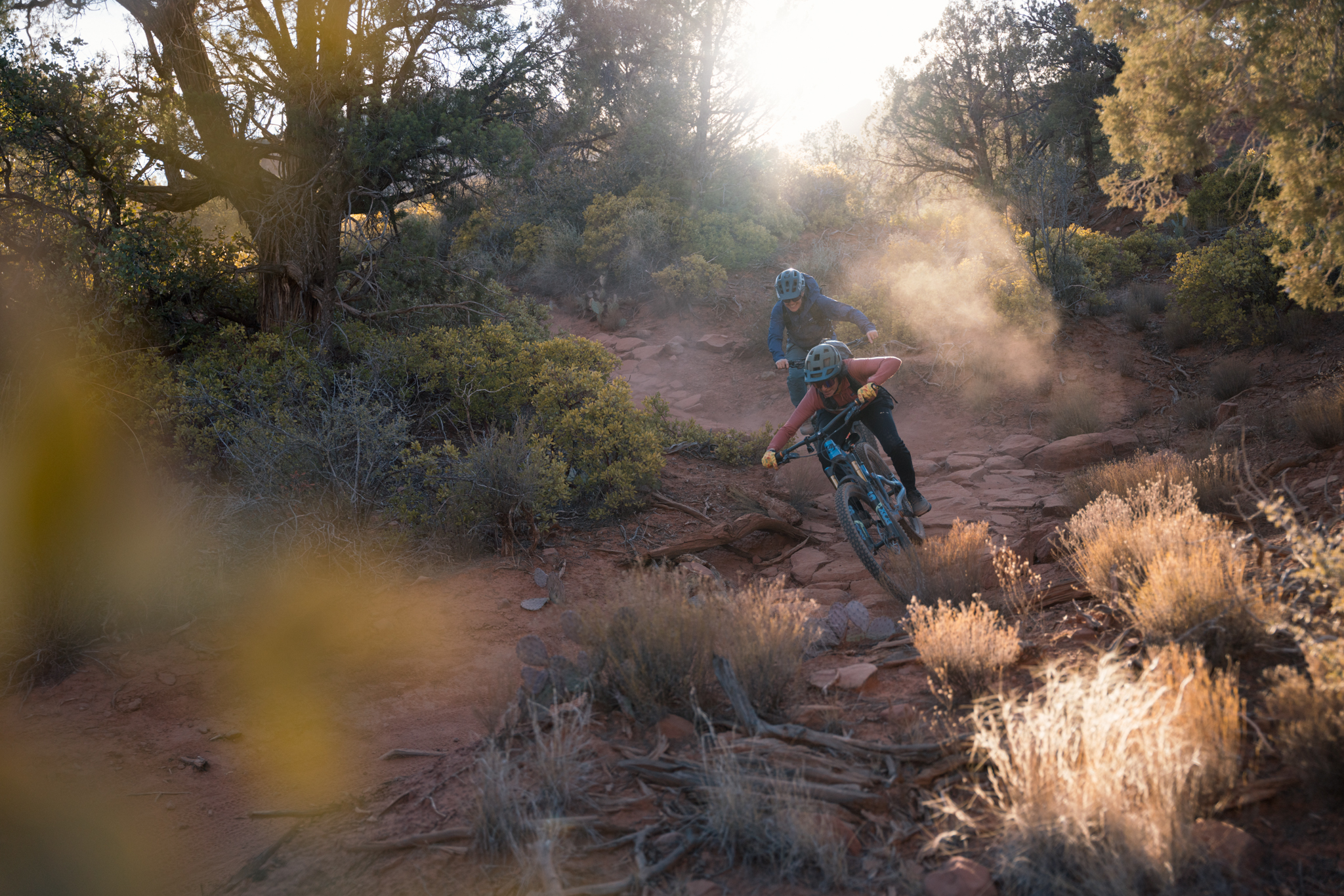
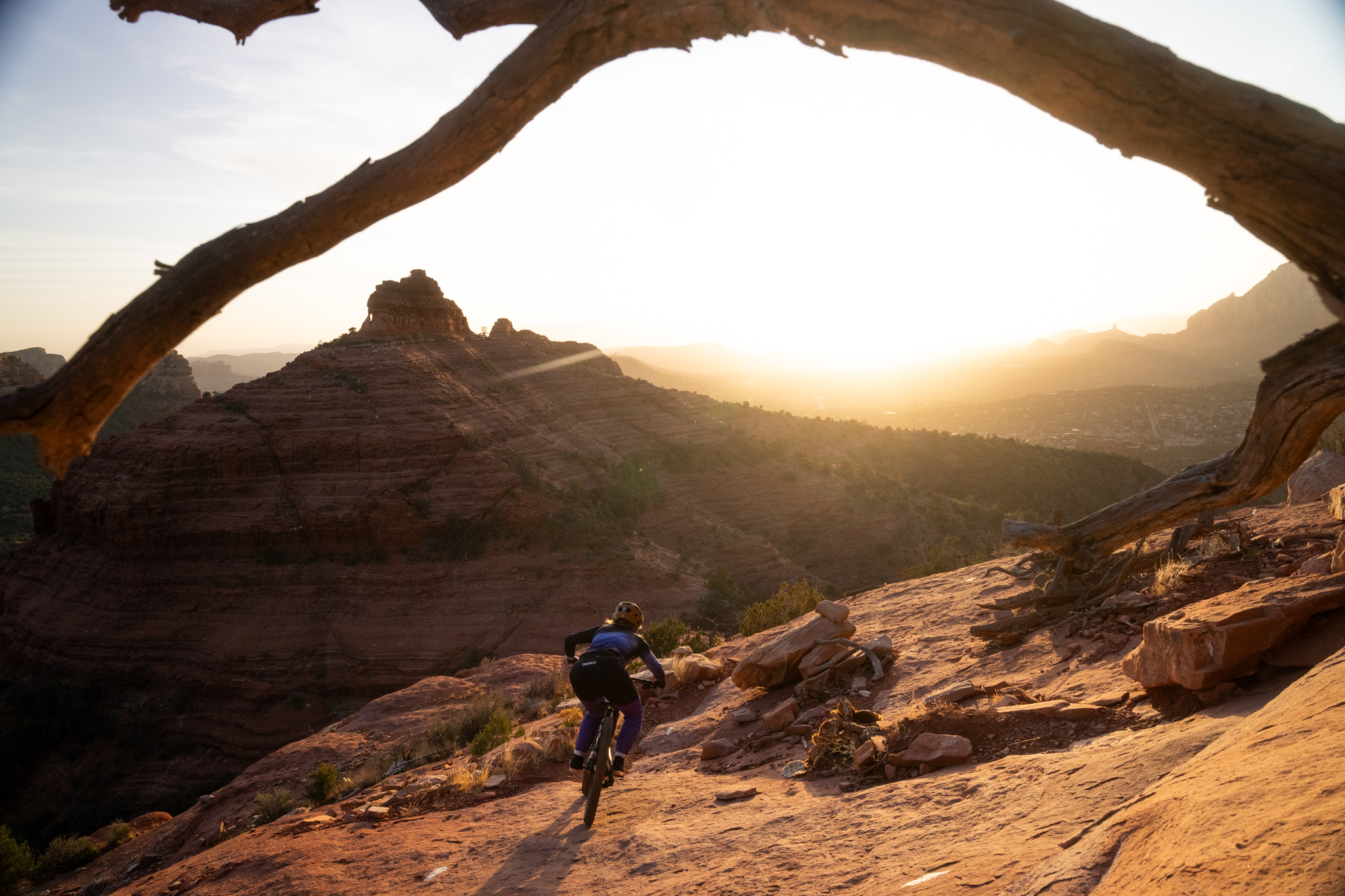
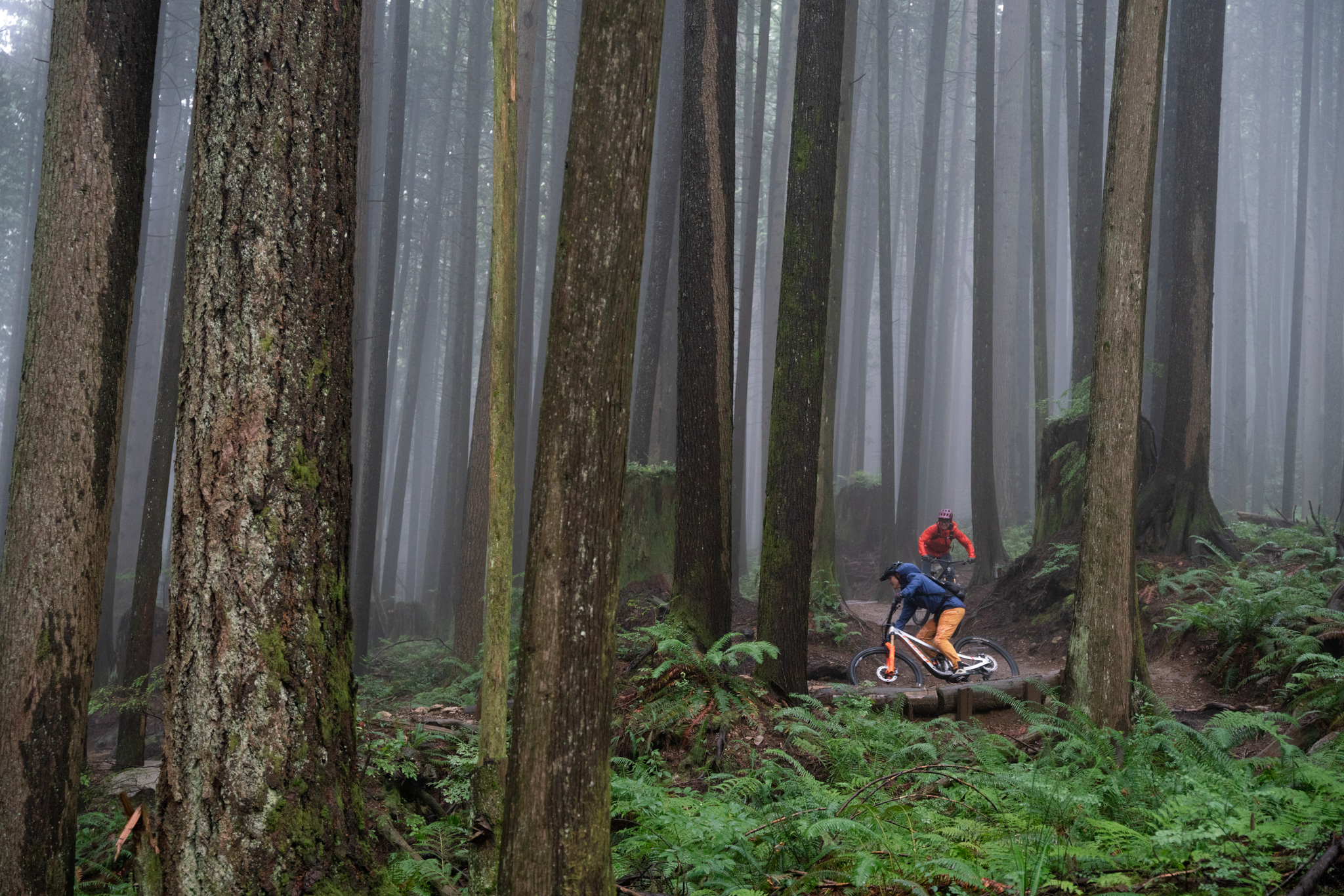
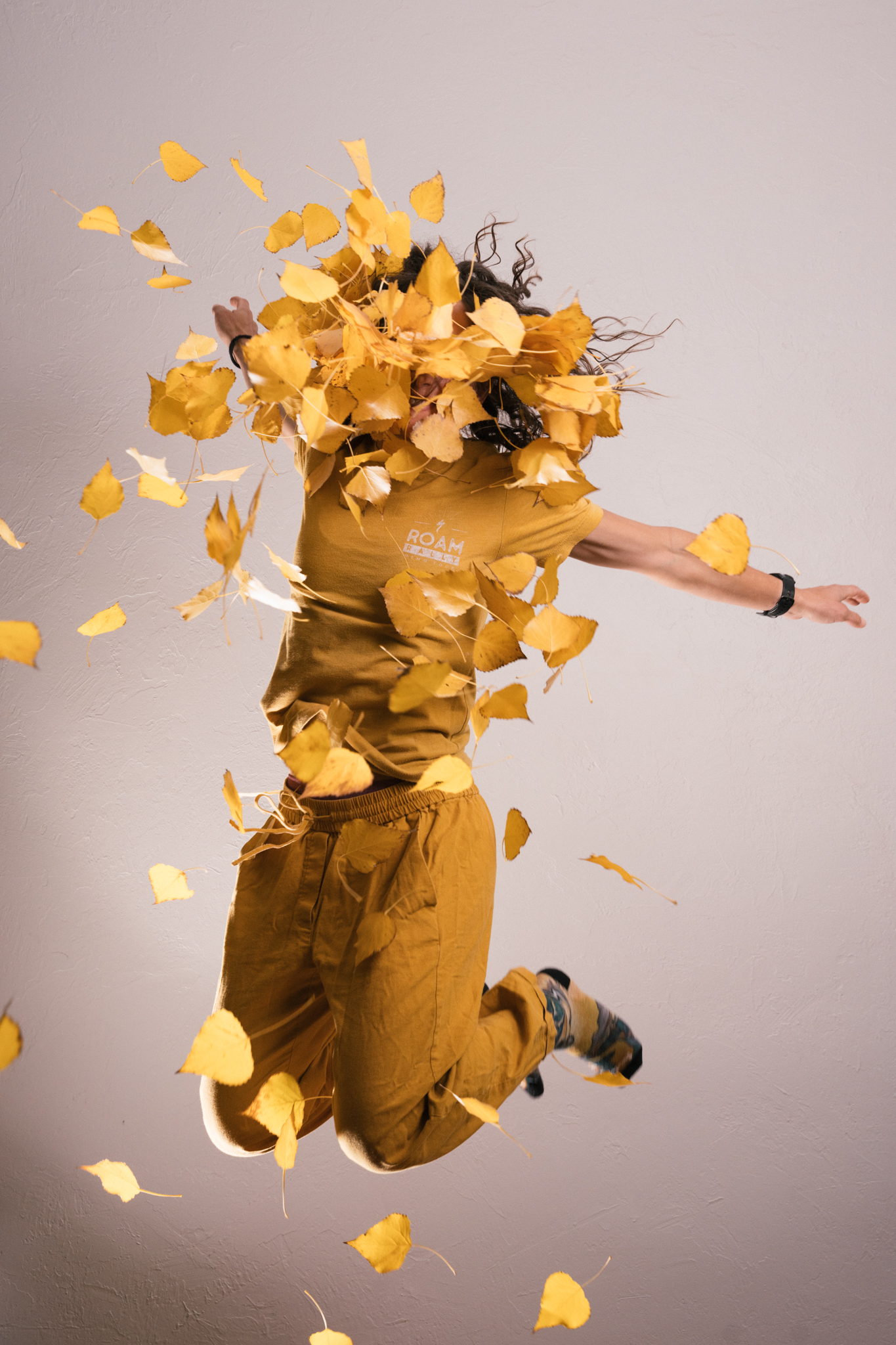
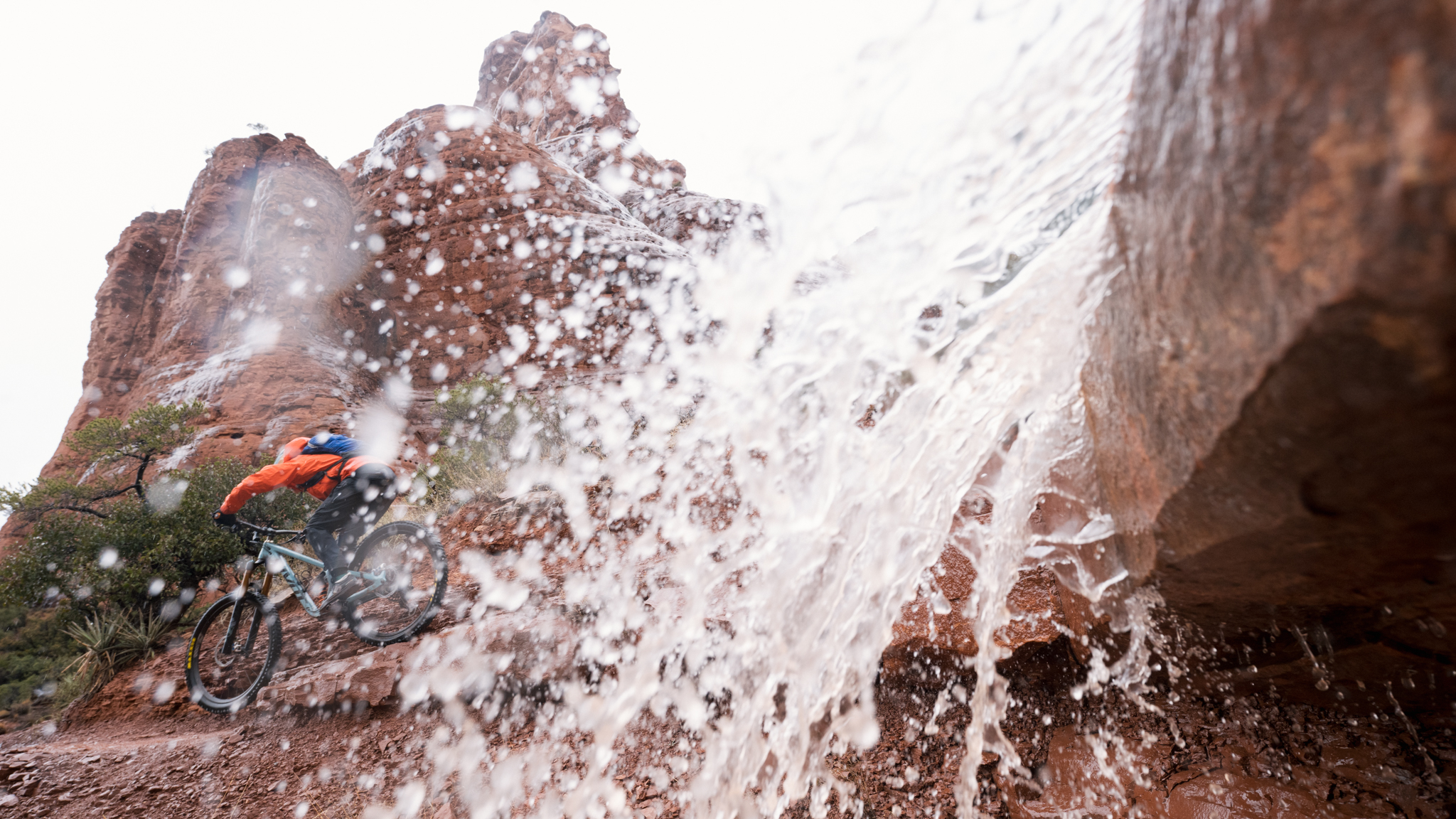
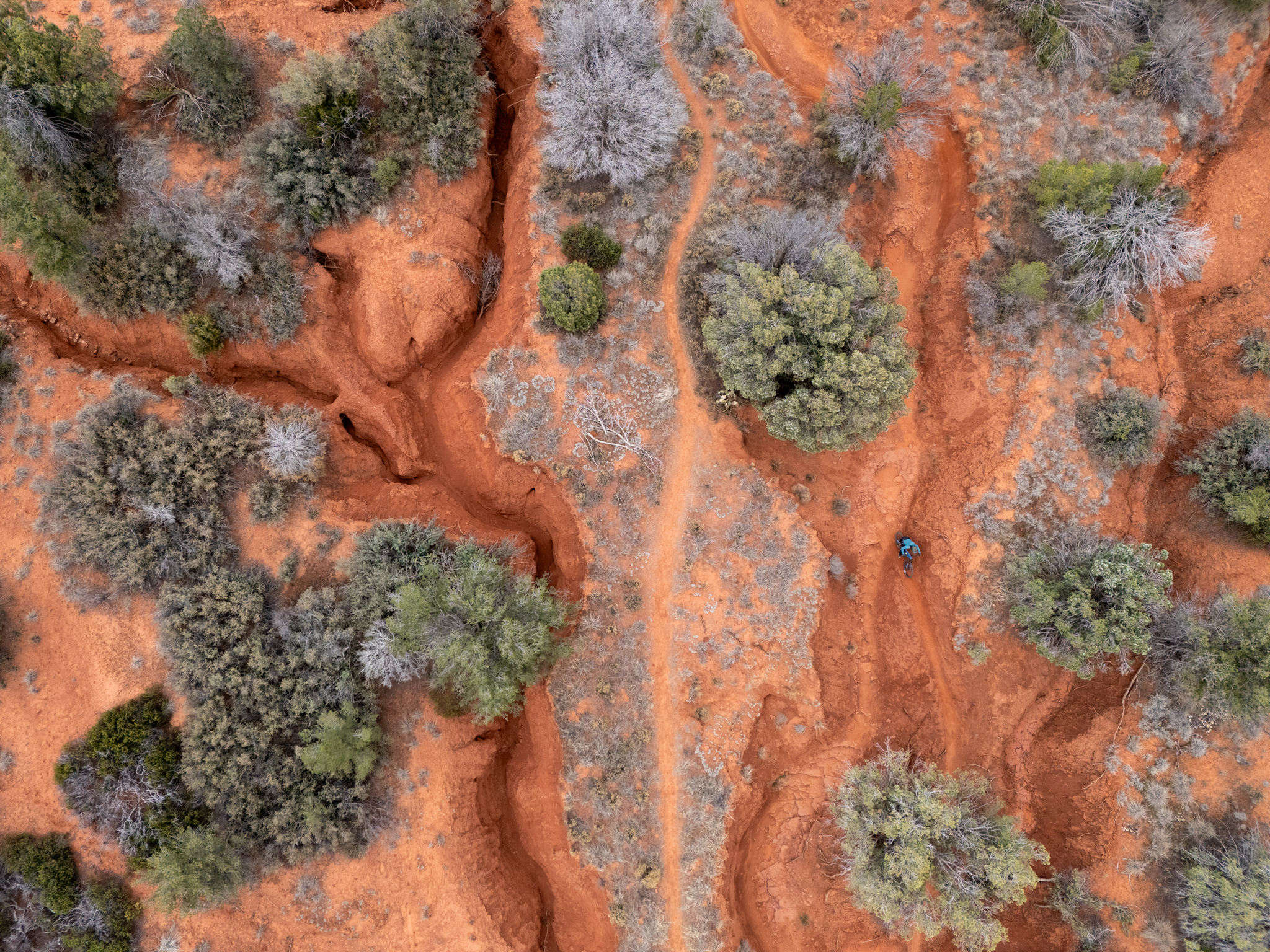
I used that time to follow my curiosity—without the looming thought of a client reviewing the images or waiting on deliverables. I asked myself questions like, “What if I combined panning with ICM (intentional camera movement)? Would it be too much distortion, or could it work in some odd but interesting way?” Looking at the bikers against the landscape, I wondered if there was a new way to pair the two. I pulled out in-camera double exposures from my bag of tricks—a technique I hadn’t touched in years.
I took the opportunity to be an artist without a client at the end of it, to let ideas succeed or fail with no pressure to show the work to anyone. My biggest creative takeaway is the importance of carving out space to explore with no job on the line, no expectations, and not even the thought that anyone will see the images—just letting my imagination run loose to see what it creates.
Michelle VanTine (mentor) I once read something to the effect of ‘representation isn’t charity—it’s the map that lets dreamers know a route exists.’
For years, as a sports photographer, I stood in front of billboards at places like Dick’s Sporting Goods or the Nike outlet, wondering ‘But how?’ and having absolutely no idea what the route was. That uncertainty isn’t unique to me—women make up only 5–15% of sports photographers in the U.S., and because we so often work alone, it’s easy to feel like no one else like us exists and we have no road map to where we want to arrive. Since we are always the minority, there’s often a pressure to be tough or prove that we belong in our workspace. Roam Media Core is the only program I’m aware of that women can let their tough exterior down and ask, “I don’t know how to do that—can you show me?” without the fear of being discredited which we already have to battle simply by walking on the job site. Here, women can strategize, share struggles, overcome obstacles, and gain hope. It’s the kind of community that makes the impossible and lonely road feel possible and that others are walking alongside us. Now, if someone asks me, “How do I get a billboard?” I can actually tell them how as a mentor who has walked through the journey.
I would love to see more programs that support spaces like this for women to grow in an environment that doesn’t feel threatening. The change we need is enormous, and at times the gap feels too wide to bridge. I believe though, that the only way to close it is one person, one program, one opportunity at a time. I hope to see more programs that help raise the next generation of women in sports and outdoor industries.
Linette Messina (mentee) My biggest personal take away is the overwhelming feeling of acceptance. Working and learning alongside such incredibly talented women in the photography/ film industry, sharing stories through their lens was an experience I have never had before in my 20+yrs of working as a photographer. I felt accepted from my Media core peers and everyone I met at the Roam fest. But most importantly, I accepted myself for where I am in my life, my age, my body, my mindset on giving myself grace, and the work I must continue to put in to help create the change I hope to see in all parts of media and advertising, which is inclusivity and authenticity.
Heidi: As a photographer and former mentor with Roam Media Core, what are your hopes for emerging femme creators working in outdoor photography? Anne: I started shooting photos in the bike industry in 2004. At the time, there was literally like one other woman shooting bikes. While I definitely felt supported by some of my male peers, I never had the experience of someone holding my hand and guiding me through the awkward first steps, or second steps, or third, etc. I didn’t even know that might have been a helpful thing to ask for. My experience last year as a mentor, and my hope for this year, is that we can create a safe space for that stumbling to happen, and for those hesitant questions to be asked. I think the experience of gaining entry is fairly universal. If this program helps provide any sort of guidance on how one builds a career in the outdoor world and hands over a few tools along the way, that sounds like success to me. It’s clear the industry needs more women behind the lens. The statistic I’ve heard is that in the world of action sports photography, participation hovers around 15%. That’s pretty low, so anything that can help reduce those barriers is a good thing.
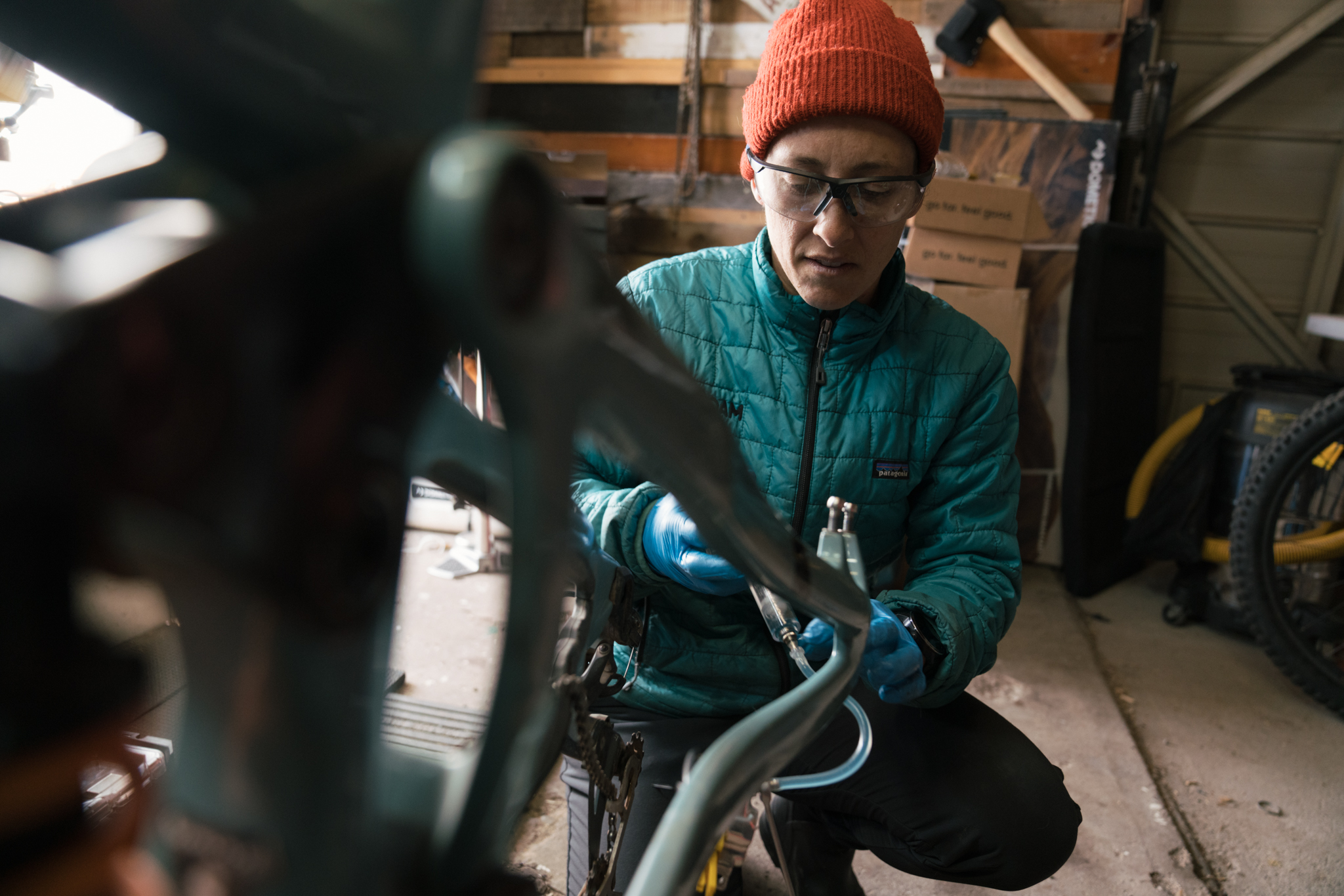
Andi Zolton bleeds a set of bike brakes in her garage and is one of only two US based women who wrench professionally on the MTB race circuit, and in her spare time co-operates the Roam women’s bike fest, and fixes stuff on her friend’s bikes
How do the mentor and mentee relationships work? The program brings on six experienced mentors. This year we have four photo mentors and two video mentors, each paired with a mentee. Applications opened in early May, and we had over 120 people apply, which to me speaks to the need for programming like this. The idea behind selecting mentees was to find folks with a solid foundation of skills who were career-focused and genuinely interested in working in the outdoor industry. This isn’t a beginner program, and it’s not meant for someone who just wants to learn how to shoot bikes. We wanted this to feel like a valuable experience for both mentees and mentors, like the mentors could be instrumental in providing guidance that may help further someone’s career objectives. The mentor and mentee teams begin virtual work about three months before Roam Fest. They spend that time getting to know each other, talking about goals, career ambitions, and building some trust. Then, each team is paired with two outdoor brands and works virtually with the brand’s marketing team to develop guidelines for a shoot. The program all comes together at Roam Fest, where everyone gathers in person to execute a series of brand product and athlete shoots.
Have mentees developed brand relationships as well as community support? Yes, that’s absolutely the goal. The hope is that mentees can develop relationships with brands that show up at Roam Fest, and that some of those turn into long-term work. Community support happens a little more naturally, through time spent with their cohorts and mentors. Each mentee gets paired with one mentor, but much of the festival time is spent as a full group, which gives everyone the chance to learn from each other. Last year, that group dynamic ended up being one of the most impactful parts for both mentees and mentors.
You’ve been based in Fruita, CO, a trail-centric town, since 2002. How has living there shaped your photography projects and creative aspirations? Well, for one thing, it’s forced me to spend a lot of early mornings or late evenings out on the trail, because our lovely desert environment looks flat and shitty in mid-day light… haha. Fruita and the greater Grand Valley are unique-looking places, and I think that’s been helpful from a visual standpoint. There’s a whole swath of the country that, while beautiful, starts to look pretty similar from one location to the next. The desert southwest is a far cry from that. Our landscape is distinct, and while it comes with some lighting challenges, it’s also a fun place to shoot. Nothing else really looks like it. From a brand and media standpoint, the Grand Valley’s also a great location. It’s a good spot to product test, there’s a range of trails, and it’s gotten a decent amount of media attention. While travel is always possible, it’s nice when your backyard is already on the radar and is a desirable place for brands to visit.
You helped build Fruita’s sense of community through Hot Tomato Pizza. Now as a photographer, how do you use your photography in building community? That’s a great question, and maybe one I haven’t given a ton of thought to. But I think there’s something to be said about how much community already exists in the cycling world. It’s honestly one of my favorite things about the sport. It’s so common for surface connections to turn into friendships, just from time spent on bikes. Most of my favorite people have come into my life that way, and the way those threads weave through other circles is kind of amazing. While there might be six degrees of separation between us and Kevin Bacon, I’d argue it’s only one or two degrees between most people in the mountain bike world. So maybe it’s less about building community with a camera, and more about celebrating the community that already exists.
What do running a crankin’ pizza business, developing a fiercely loyal MTB community, and photography have in common? Well, for starters, I no longer smell like garlic every day or fall asleep with dried flour crusties in my eyes, so that’s a plus. I don’t know that we were responsible for developing the MTB community. It was on its way. But I can definitely speak to the connection between running a business and being a photographer. The outside view is always the fun stuff. That’s about 10 percent of either job. It’s invigorating to be behind the bar pouring beers and laughing with your customer friends, just like it’s fun to be out in the woods behind the camera on a shoot. But that’s such a small percentage of the work. The rest is the grunt stuff. And I think being able to accept and embrace that part might be what separates the romantics from the realists. I loved making pizzas. I love shooting photos. But I’m pretty indifferent about staring at my computer editing for hours, entering invoices in QuickBooks, cutting onions, or washing dishes. The behind-the-scenes is rarely glamorous, and also where the majority of the work happens. It might sound cooler to talk about the passion behind both things, but I try not to. Both the food and creative industries are passion-driven, and I’ve seen a lot of people dive in because of that. But I’ve also seen a lot of those efforts fail, because the reality of running a business is about a lot more than being passionate. It’s a lot of muck, and I’d rather help people be ready for that than glorify it. So maybe the commonality is to be passionate, but be even better at the mundane.
The Patagonia film Life of Pie features your story. What was it like seeing your entrepreneurial success translated into film? Oh gosh, it was a wild ride. While the film had premiered at a few smaller festivals before the bigger outdoor ones, 5Point in Carbondale was the first one that really felt like a launch. We were packed into an auditorium with over a thousand people, all laughing at the same scenes, cheering at others. When the film ended, people stood up clapping, cheering, stomping. It was so loud. That moment was probably the first time I actually felt the gravity of our story being told in that way. We never thought much about our success from an outside perspective. We were just in it, running the business. I think that’s true for most small business owners. You’re just doing the thing, not stepping back and thinking about the bigger picture. There was never any meta-level cognition about trying to ‘create something.’ But seeing that response was like holding up a mirror. It made the community impact feel very real.
You mentioned loving rides “headed toward disaster but not quite tipping over.” How does that sense of edge translate into your photo work? Yes, I totally love Type 2 fun. How does that show up in photo work? The other day, I was crouched so close into the trail corridor that my friend clipped my helmet with his handlebar as he passed. Thankfully I had the helmet on. I’ve been hit by pedals, handlebars, crashed with packs full of camera gear, been caught in hailstorms, had to light fires to stay warm, been stuck out in the dark, destroyed lenses, soaked cameras in rainstorms or at stream crossings, etc I really believe that the best action sports photographers actually do the sports themselves, usually at a higher level. I think you kind of have to, in order to access those special places and know what to do once you get there. Mother Nature isn’t always cooperative, and the same sort of experience you’d have on a big adventure ride is often what happens on a remote shoot. Give me someone suffering up a rain-soaked, muddy hike-a-bike any day. That’s where the emotion shows up. Even if it’s not pretty.