برچسب: Resources

  • Learn How To Capture Better Architectural Photos With These Resources

    Learn How To Capture Better Architectural Photos With These Resources

    [ad_1]

    Architectural photography is not about capturing photos of just buildings, but also about capturing meaningful photographs of structures, their stories and sometimes closer photos of cityscapes as well. A lot of photographers consider it to be a boring genre or one that is used for real estate purposes but if you look closely and work with the best light conditions, while also using the right focal length, architectural photographs can be stunning and very interesting subjects for photography. These can also be combined with other genre like portraits, street, documentary, etc.

    When it comes to architectural photography, it almost always involves geometry in it and using geometry in compositions can be a powerful way to capture compelling photographs. Architectural photography can be of both interior and exterior photographs of architecture and if you are new to architectural photography, learn how to capture better architectural photos with the resources listed below.
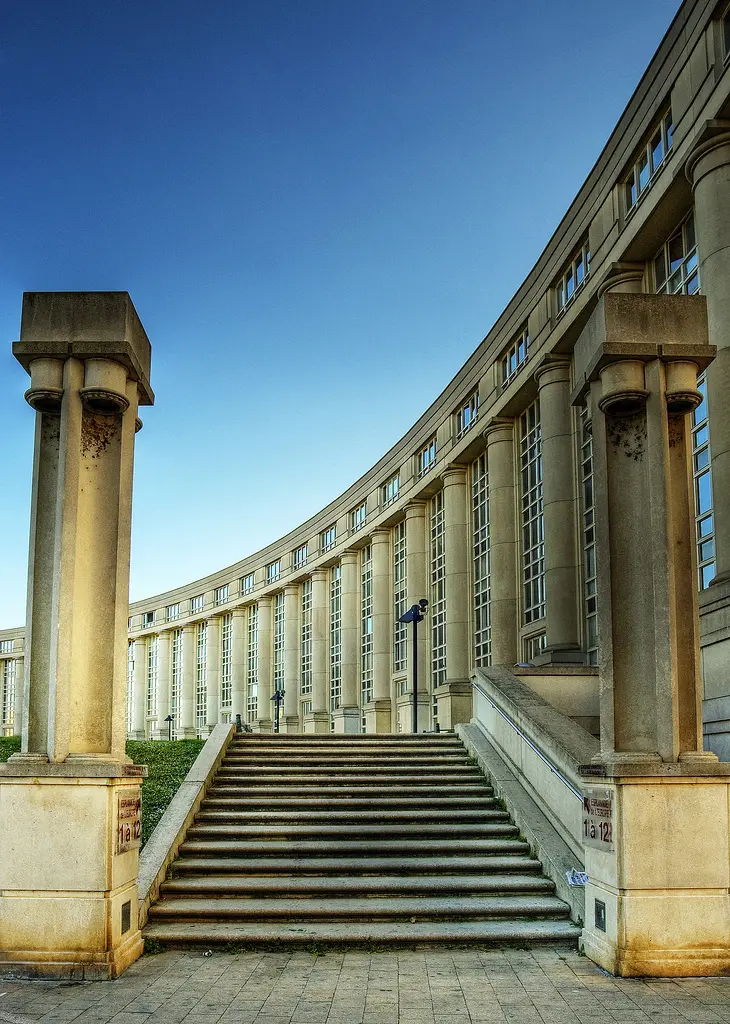
    Photo by Wolfgang Staudt

    When it comes to architectural photography, there are quite a lot of factors that need to be taken onto account. Depending on what you wish to shoot and the results you are looking to achieve, starting from the focal length used, you will need to take care of the aperture values, iso, shutter speed, stabilisation, the verticals and so on. This article discusses seven tips to capture perfect architectural photographs.

    Photo by Hector Falcon

    Outdoor architecture is one where the photographer captures the exteriors of an architectural structure, be it the entire structure or part of it. When capturing outdoor images of architectural structures, do not just point and shoot what is right in front of you or just capture the entire building and stop with that. Close observations under the right light conditions will reveal the intricate details and colours in architectural structures and this article talks about five things you need to consider when photographing outdoor architecture.

    Old and new, contrast and juxtaposition are good architectural subjects. By Jason Row Photography

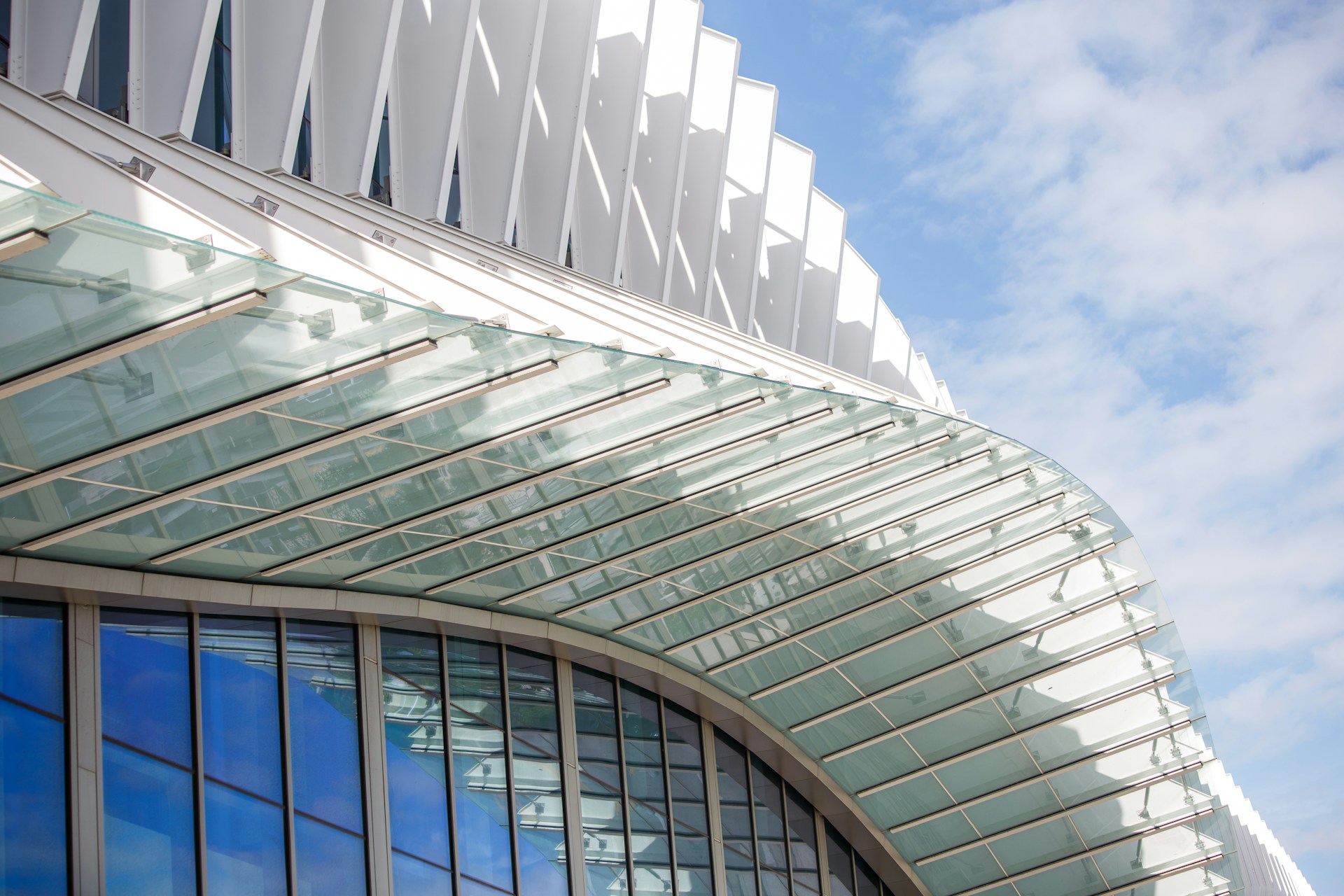
    There was a time when photographers thought that architectural photographs could only be captured using a wide angle lens, because most photographers, even when closer to the structure, thought that the structure needs to be completely included in the frame. Architectural structures come with stunning details and colours – the patterns and the geometry can be very compelling and there are many ways in which a photographer can photograph a part of an architectural structure and this article discusses a few.
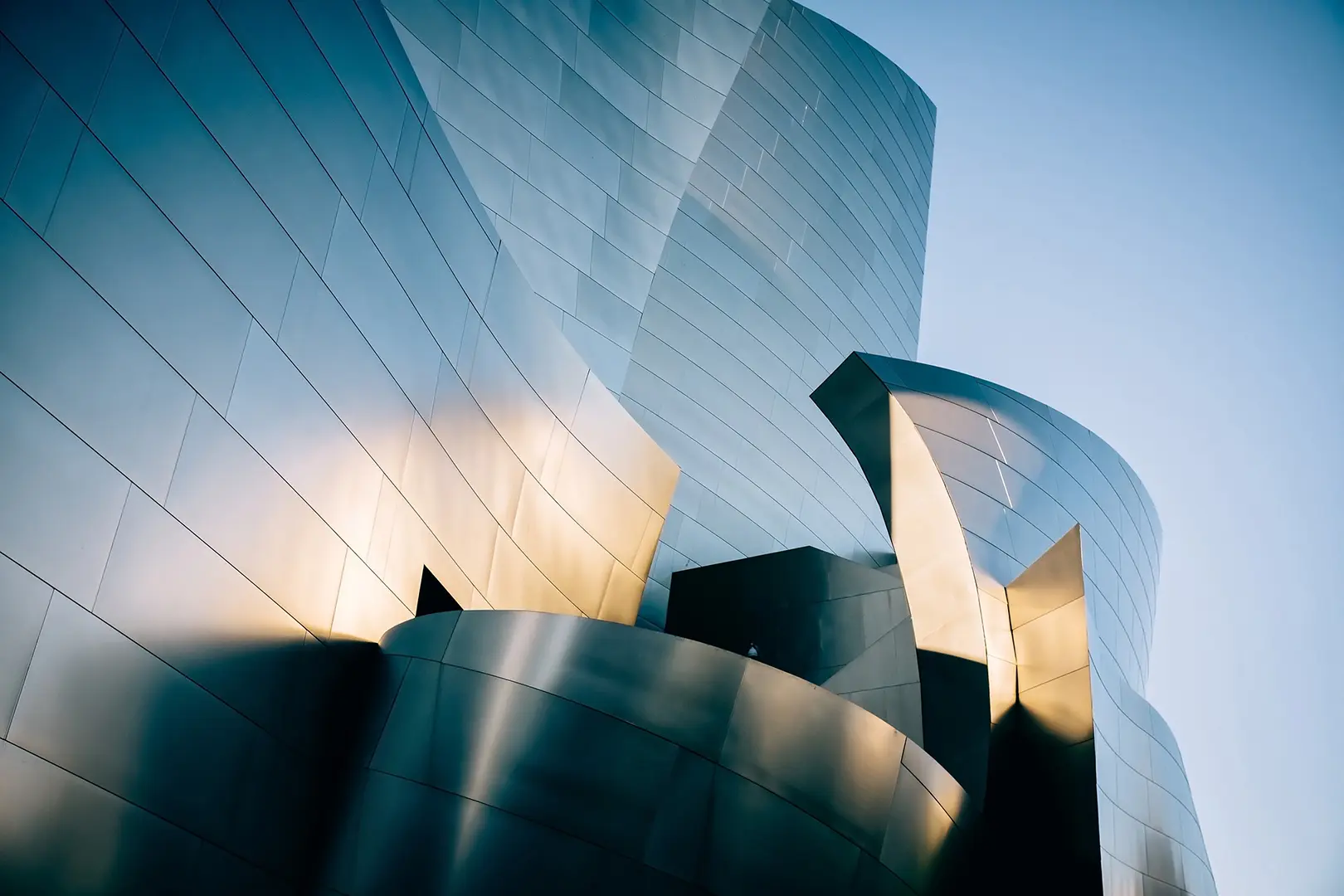
    Photo by Ashim D’Silva

    Landscape and nature photography are stunning and there are a ton of opportunities to photograph subjects in nature. The same applies for buildings that range from ancient historical structures, ruins, religious structures, cultural architecture to modern architecture. Architectural photography can also help the photographer slow down and learn to use the camera, especially if you are beginner as there are buildings and structures all around us. This article provides eight reasons why you should try architectural photography.

    Photo by Germán Rodríguez

    There are a multitude of religions across the world and they all have places of worship or other religious structures built for various purposes. Religious structures can look complicated both on the inside and the outside, but the intricate details are stunning to photograph, if taken time to observe and compose. This article shares some secrets to capture amazing religious architecture.
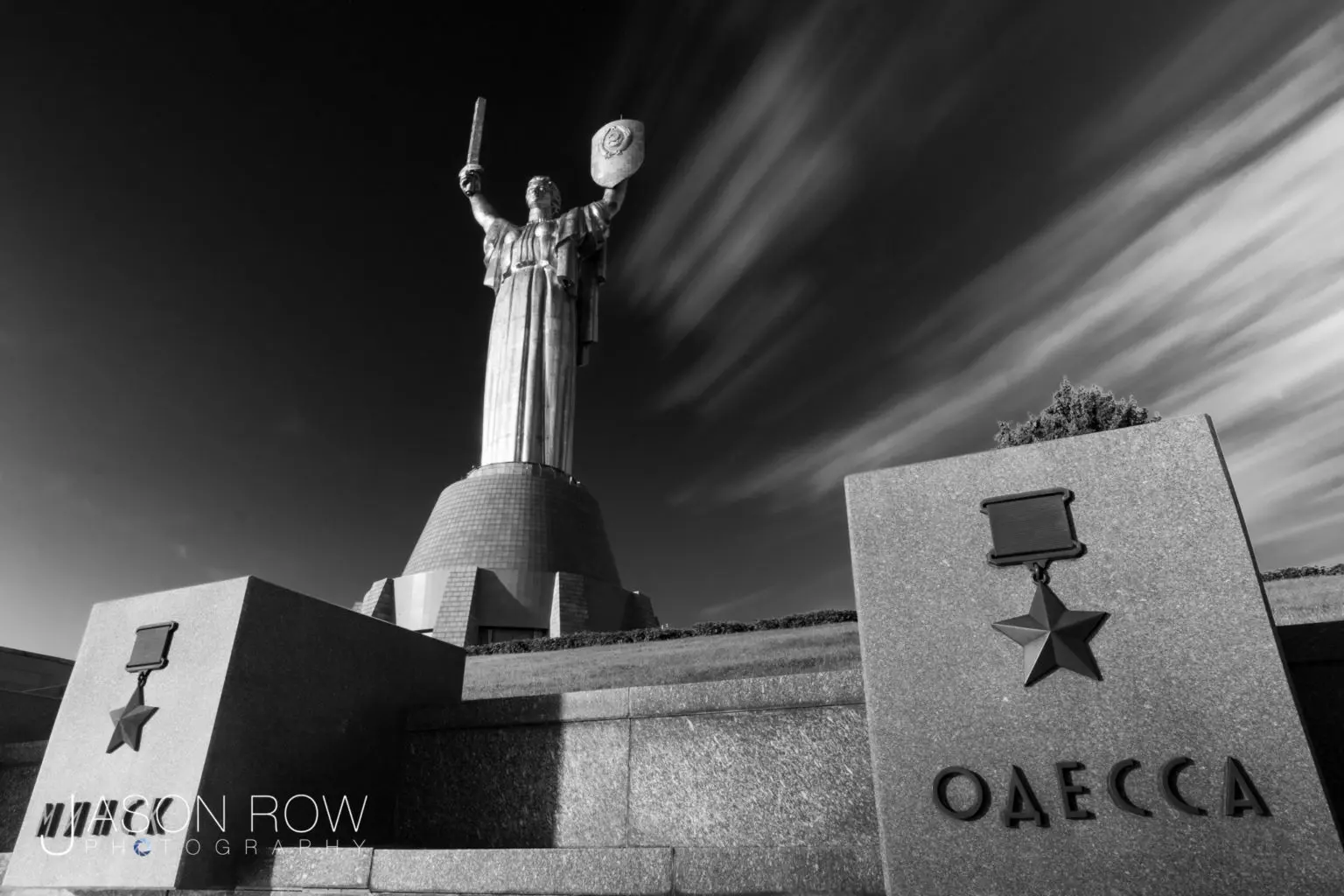
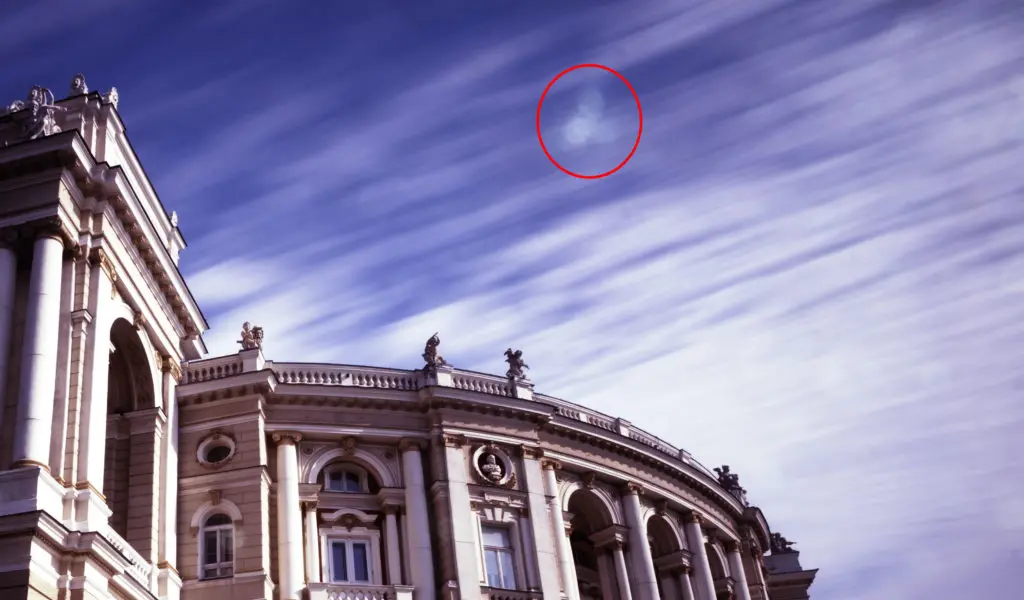
    A four minute exposure using 16 stops of ND was enough to create movement in these slow moving clouds. By Jason Row Photography

    Architectural subjects can be great for long exposure photography, where you have a powerful static subject which is your architectural structure, and then you can capture the movements around the structure, be it people, swaying trees in the wind, clouds, water, traffic light trails and so on. Capturing long exposure images of architecture can boost the visual impact of the frame itself and this article is a good guide to long exposure architectural photography.

    Photo by Medhat Ayad

    Whether you are a real estate photographer or someone interested in capturing the interiors of buildings and other structures, interior architectural photography brings out the character of a building, and shows what the great structures really look like on the inside. It can be quite tricky to capture interiors because of the limited light, sometimes also the limited or huge space inside and composition can also be quite tricky. This article provides some tips to capture indoor architecture easily.

    If you are someone who is interested in black and white photography, architectural structures can be great subjects for black and white photography, if done well. Good light, tonal range, patterns or textures, composition, are some important factors to look out when shooting for black and white conversion. This article discusses the art of urban black and white photography.

    Photo by William Warby

    Converging verticals can be a problem in architectural photography and when shooting certain buildings and structures, it can look stunning and artistic for some buildings/structures but quite odd for the others. Architectural photographers most of the time try to get those verticals right, in order to get the best results. If you are looking for ways to get the verticals straight in your architectural images, check out this article that discusses a few tips.

    Further Reading


    [ad_2]

    Source link
  • Want To Use Sunlight Creatively In Your Photography – Check Out These Resources

    Want To Use Sunlight Creatively In Your Photography – Check Out These Resources

    [ad_1]

    Sunlight is the best light for photography because it is the only natural light available for us during the day time and at night we also have the moonlight to capture moonlit landscapes. Using natural light in photography can be the best way to make use of available light and it costs nothing. When there are unfavourable light conditions natural light can always be manipulated to our liking with a good understanding of how light works.

    Here are some resources that will help you to use sunlight creatively in your photography.

    Photo by Samson Katt

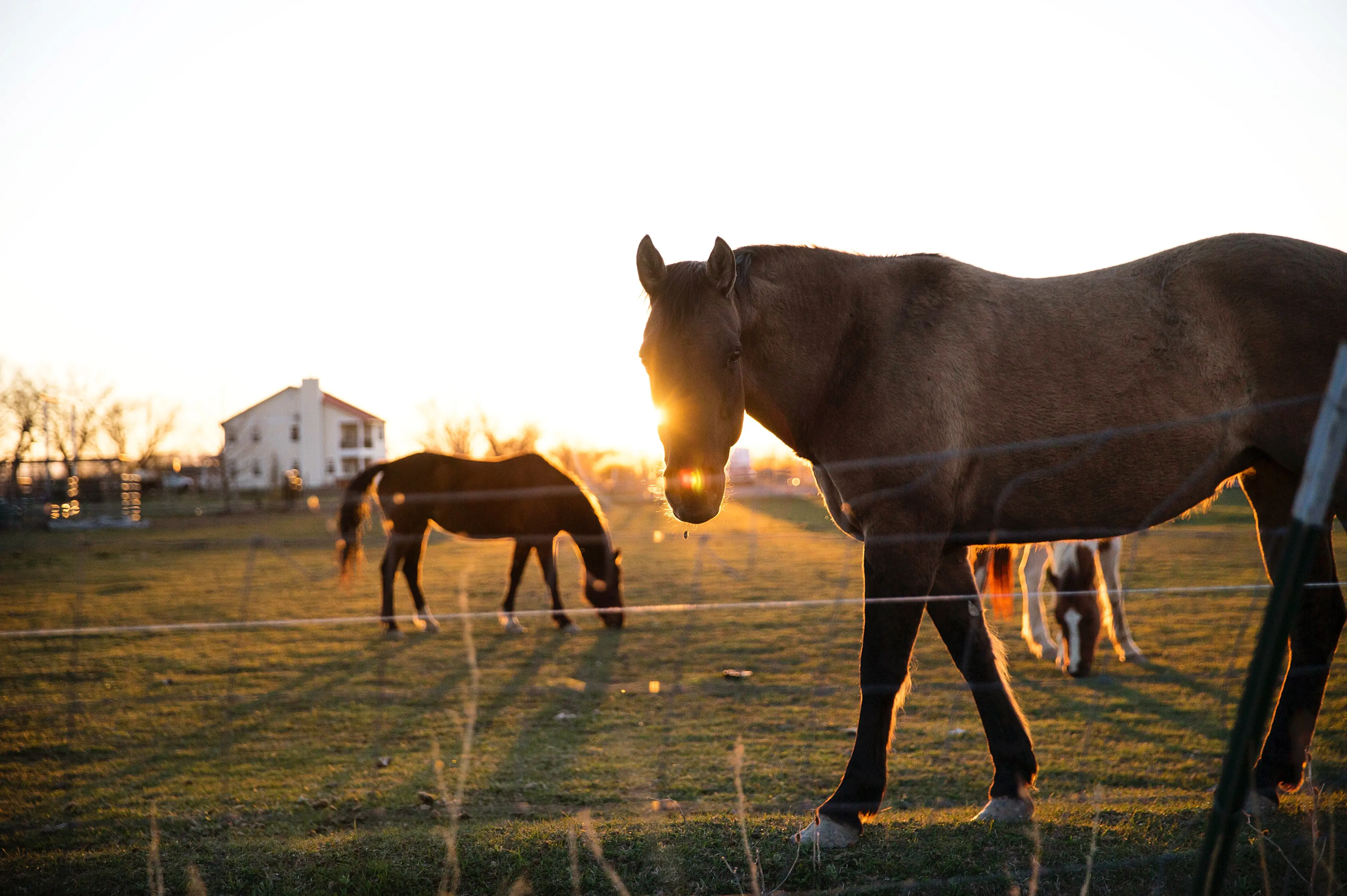
    Lens flare is something that most lens manufacturers tend to minimise when manufacturing lenses, but it is also something that can give a cinematic and dreamy look to a shot or footage if used well. Usually when backlighting your subjects, it becomes almost impossible to eliminate lens flare if the sunlight is falling straight on the lens. So this article talks about how you can embrace lens flare and control it.

    Photo by Omar Prestwich

    Backlighting is a very beautiful way to illuminate your subjects because of the stunning rim light that can make your subject’s outline glow. Depending on how you backlight your subject, you may come across a bit of lens flare and this can be used creatively in your photography. This article provides five simple ways to use lens flare for creative photography.

    Note: If you wish to reduce lens flare, check out this article – How To Reduce Lens Flare

    Photo by Sheen

    You may have seen those stunning photos where the sunlight may look like starburst. Did you know that it is very easy to capture starbursts in your photo by just setting your camera’s aperture and/or moving around to position the sunlight in a certain way? This article discusses two easy ways to capture brilliant starbursts in your photographs. Here is another article if you wish to read more – How To Create A Starburst Effect In Photographs

    Photo by Panoramas

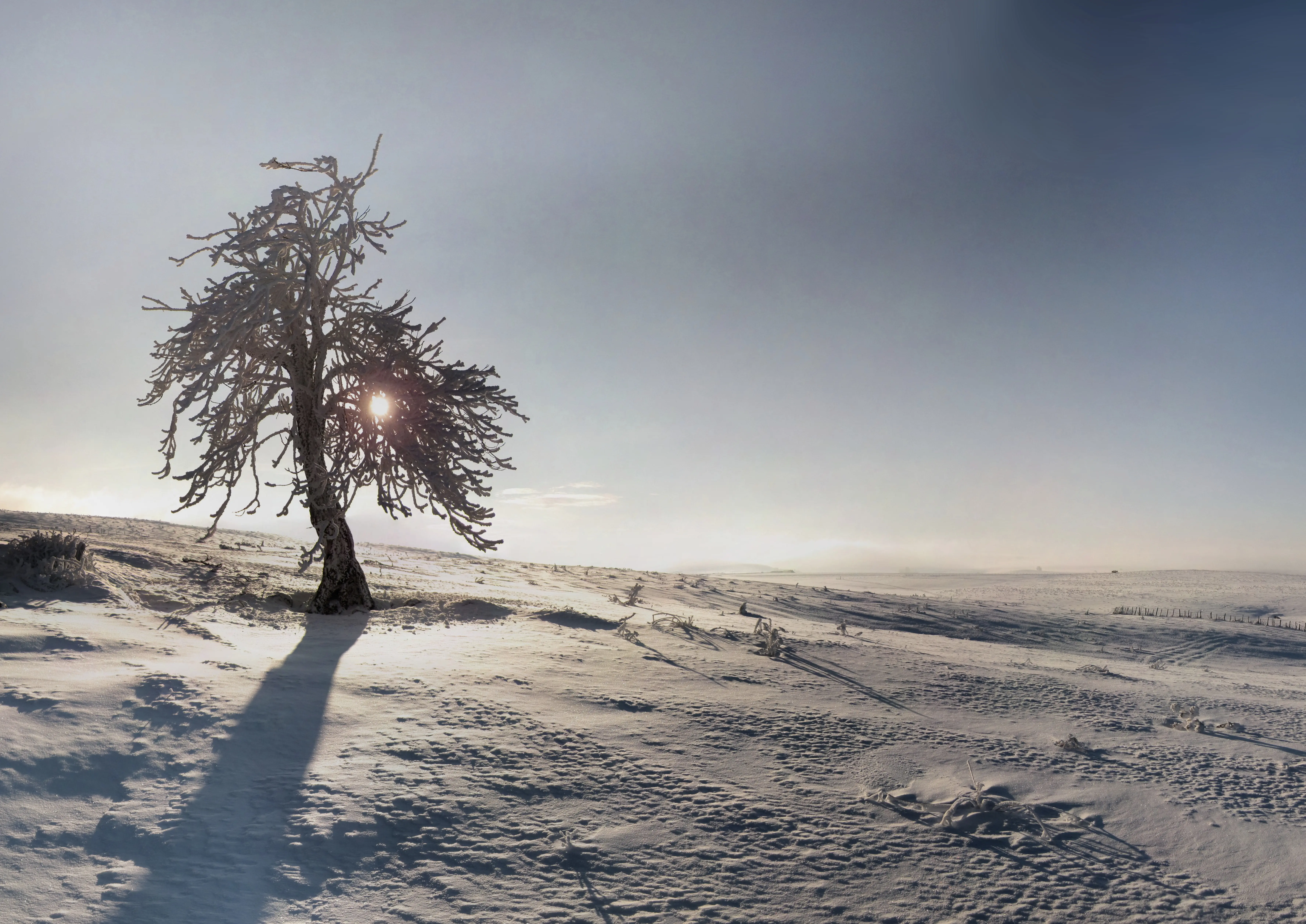
    We all know that most of the time, shooting into the sun, and exposing for the sun will give us silhouettes. Silhouettes are beautiful if shot well, but it is not always intentional. There are times when you want to shoot into the sun for dreamy images especially when shooting portraits. Instead of a silhouette, you will want to capture details in the photo and this article discusses that.

    Photo by Ben Kelsey

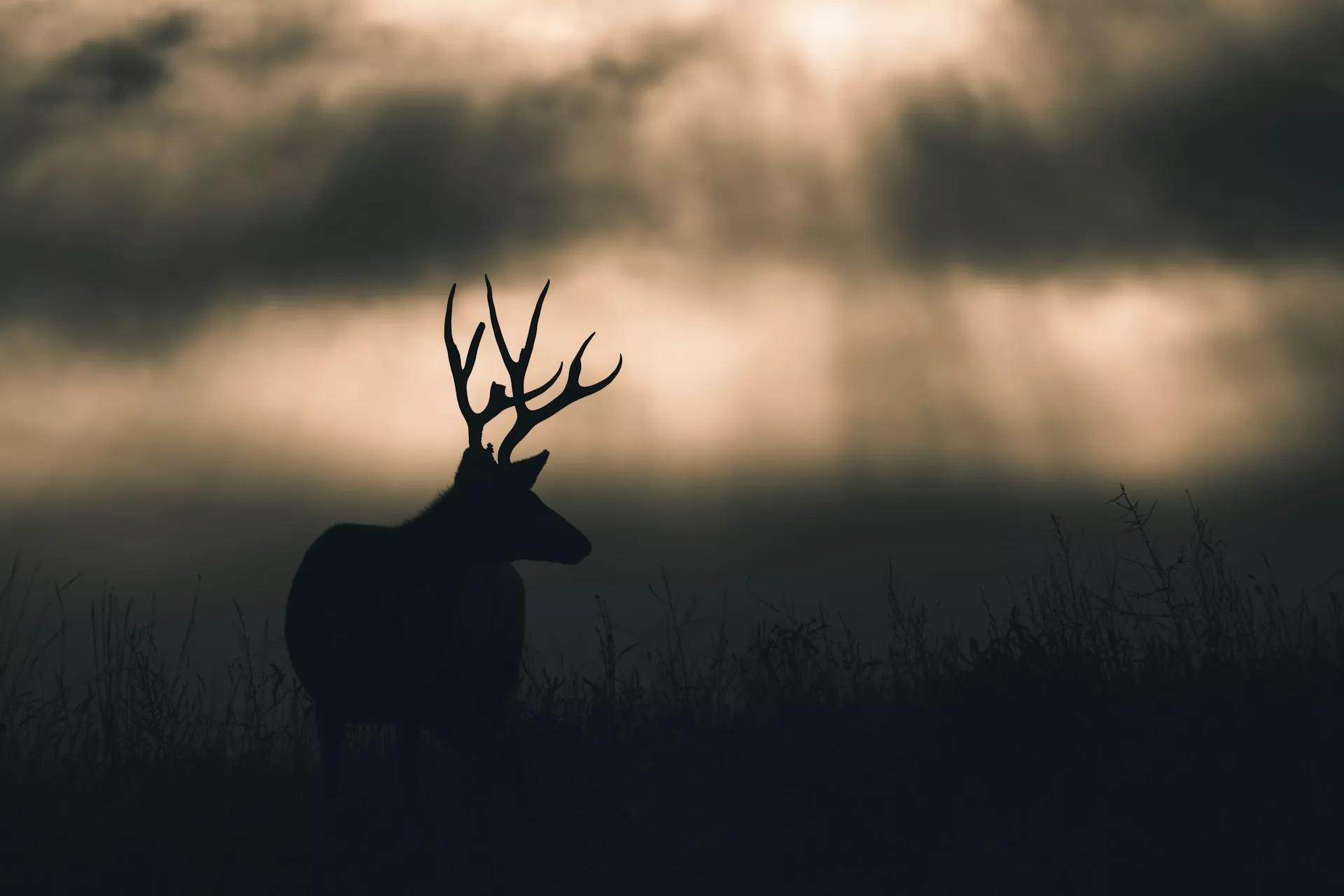
    Silhouettes are beautiful and dramatic if shot well. In order to capture silhouettes, you need to shoot into the light. To capture compelling silhouettes, you need to choose your subjects and the background wisely. This article discusses the secrets to capture effective silhouettes.

    Photo by Kristian Saks

    We have commonly heard about star trails in photography, but did you know that with some creative effort, you can also capture sun trails? Solargraphy is a long exposure technique where a pinhole camera is use to capture sun’s trails over a period of few weeks to months on black and white photographic paper. Check out this article for some sun trail images and an overview of the process.

    Photo by Jason Row

    When we think of capturing sunrises or sunsets, many photographers are geared towards capturing the sun in an open landscape, which can be exciting at first but can quickly become boring. If you look and compose these shots creatively, by paying attention to the elements in the scene and by carefully choosing the foreground and middle ground, these sunset and sunrise shots can be captured creatively and this article talks about just that.

    Photo by Johannes Plenio

    Sunlight hits differently during different times of the day and as photographers we need to be looking at how light illuminates the elements in front of us and capture it in creative ways. One of the most common subjects of photography is the sunset and rather capturing a boring snapshot, this article discusses five easy tips to improve your sunset shots.

    Photo by Dawid Zawiła

    Sunsets are magical and they most of the time lend a dreamy atmosphere in areas where the light falls. Sometimes even the light through a cloud opening can be very beautiful with a spot of light illuminating the area where it falls, leaving the other places look dramatic. This article will help you capture sunsets with an ethereal effect.

    Further Resources


    [ad_2]

    Source link

  • Here Are Some Resources For Effective Moon Photography Tips And Techniques

    Here Are Some Resources For Effective Moon Photography Tips And Techniques

    [ad_1]

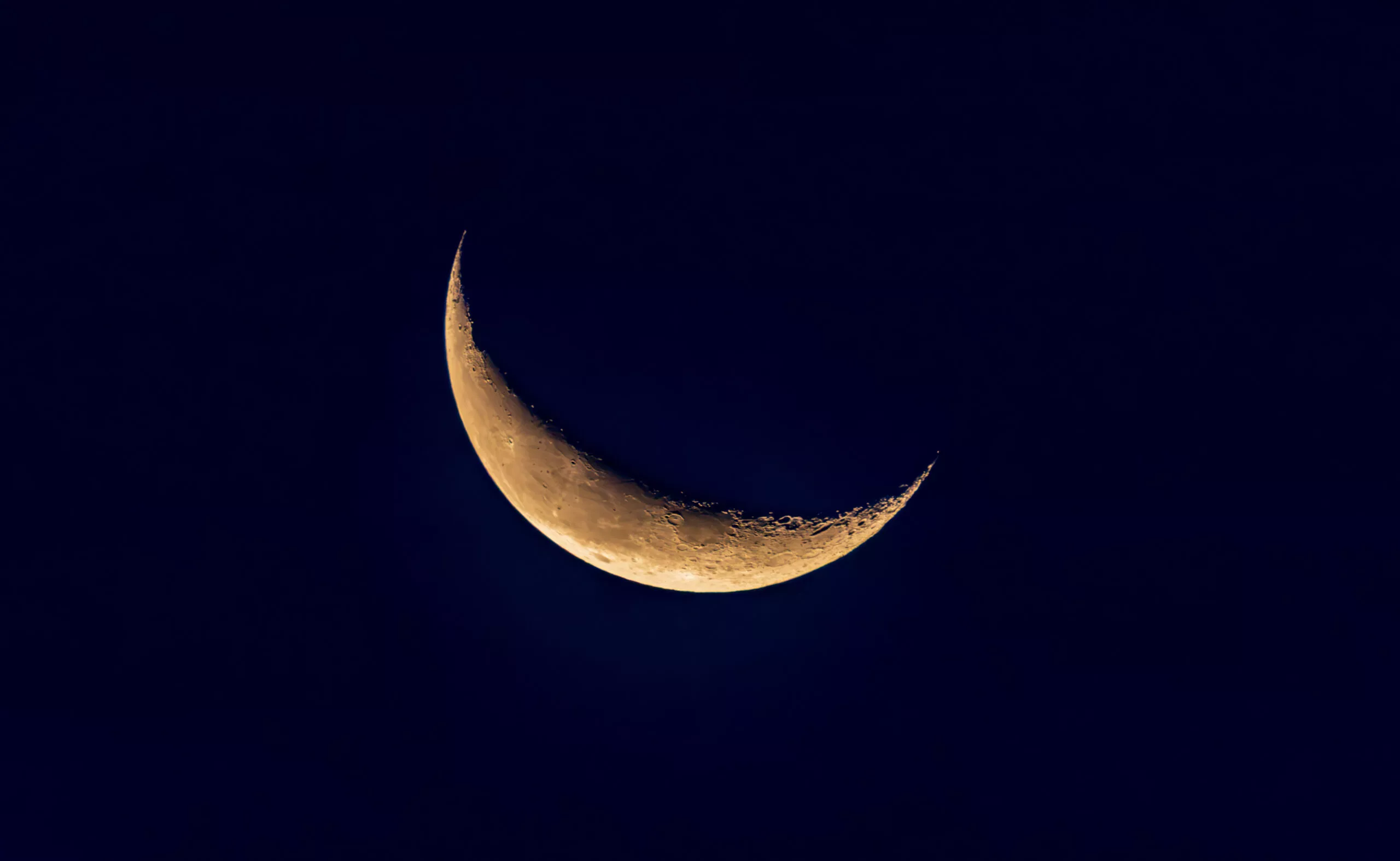
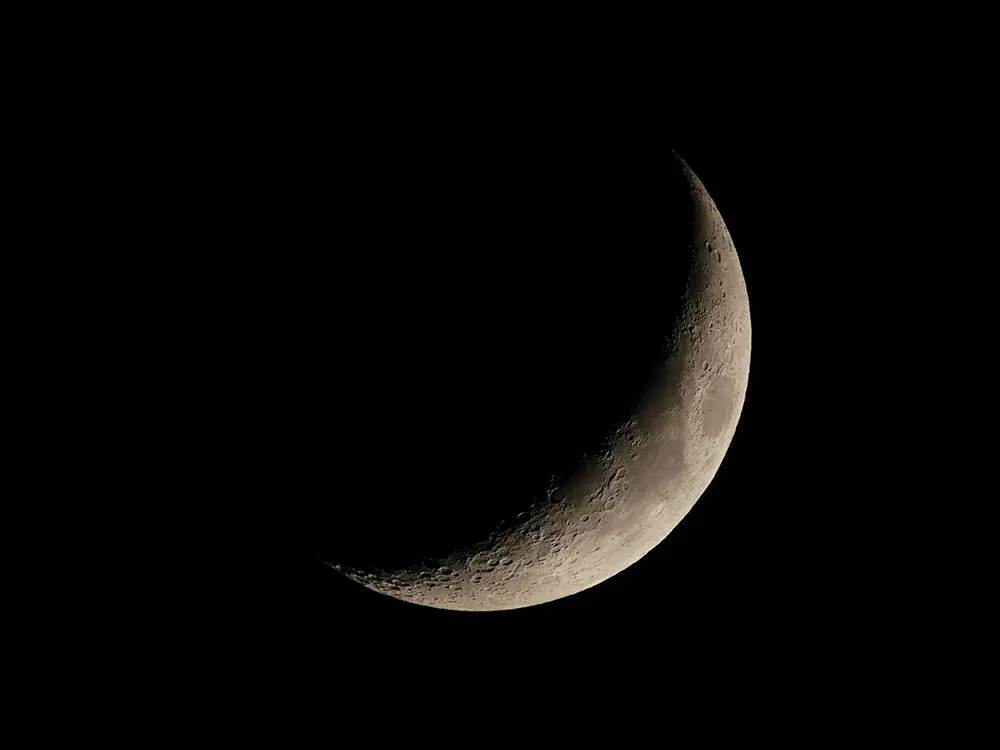
    The night sky is stunning and the objects in the night sky are one of the most beautiful subjects that can be photographed mostly from your backyard. One of the most interesting and the brightest subjects in the night sky is the moon. Knowing the moon phases and a good understanding of controlling exposure in your camera can help you capture beautiful images of the moon.

    In order to capture details on the moon’s surface, it is good to use a narrow aperture between f/8 and f/11. You will need a tripod, focus manually and use a shutter speed based on the focal length you are using to avoid motion blur. A remote trigger will also greatly help with capturing sharp images.


    Grab your Milky Way Photography Blueprint for free right here.


    Here are some resources for effective moon photography tips and techniques.

    Image by nousnou Iwasaki

    When starting out with moon photography, most of us imagine those closeup shots of the moon that fill the frame, with a lot of details of the moon’s surface visible. When actually capturing the images, they may turn out to be a white blob or spot in the frame. This can be quite frustrating, but without giving up, check out this detailed guide on how to photograph the moon.

    Image by Sebastian Voortman

    If you are looking for some quick tips to refer to when photographing the moon, then this article quickly goes through a checklist that will help you to capture a quick shot of the moon. Always remember to make minor adjustments based on light, sky conditions and the gear that you use.

    Image by Dahlia

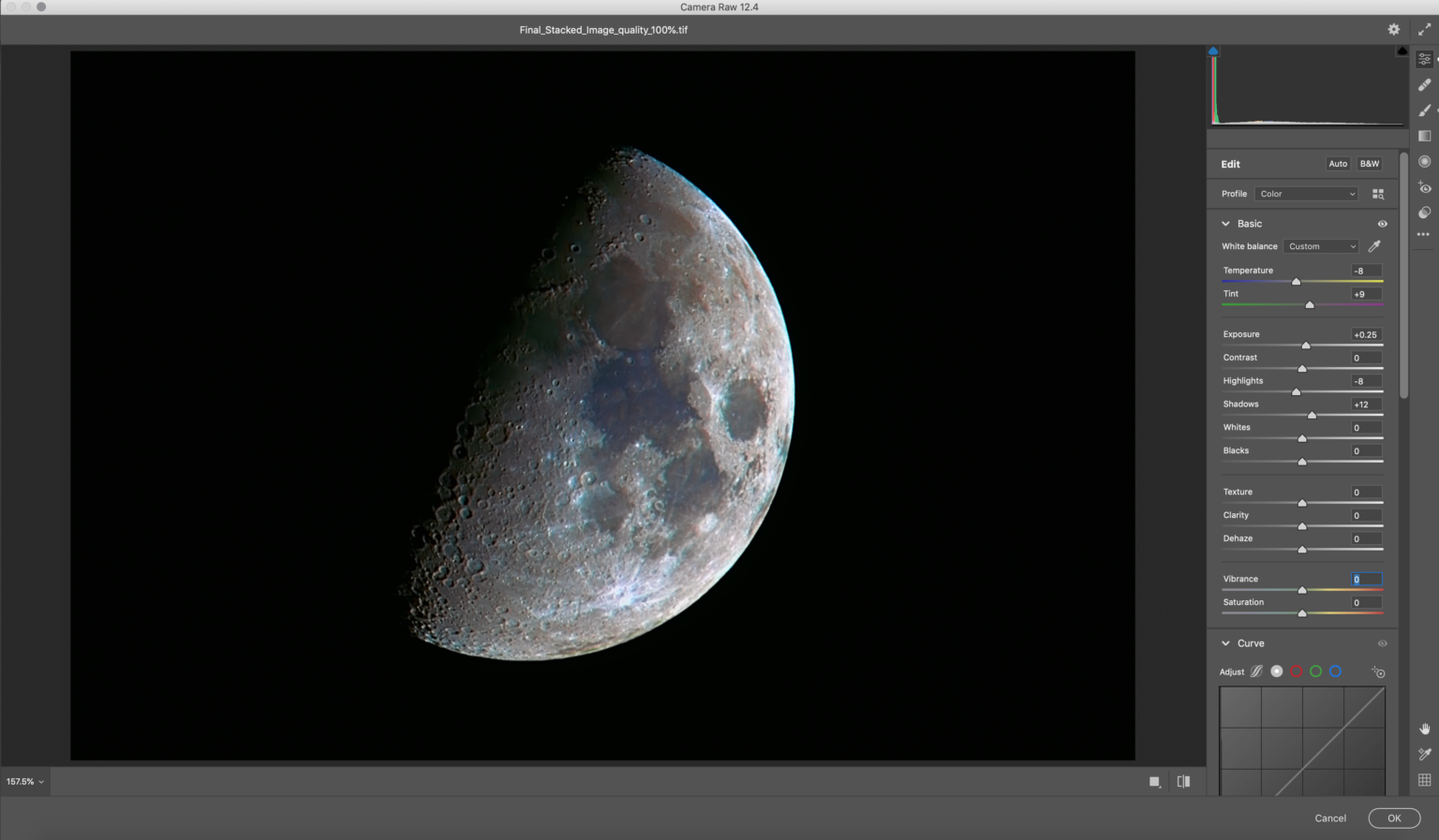
    Did you know that the moon is not just white but has some interesting colours? This is due to the mineral deposits on its surface. If you have not seen the colours yourself, the next time you photograph the moon, switch to live view and zoom in on the surface of the moon. You will be able to see the colours on its surface without the help of any accessories – just make sure the sky is very clear. Now you can capture the moon and post process to bring out its colours. This article will take you through all the steps required to capture and edit a mineral moon.

    Image by Dahlia – shot on iPhone 7 Plus

    A lot of photographers these days start their photography journey with their smartphones and some continue to do so for a while. While a smartphone can be a great tool for most genre of photography, it can be quite tricky when it comes to capturing photos of night sky objects. With some patience and understanding of camera settings you can capture decent images of the moon. There are also telephoto lens attachments sold for smartphones that can be used to capture closeup photos of the moon. This article discusses all the essentials required to capture a photograph of the moon using an iPhone or an Android.

    Image by Ganapathy Kumar

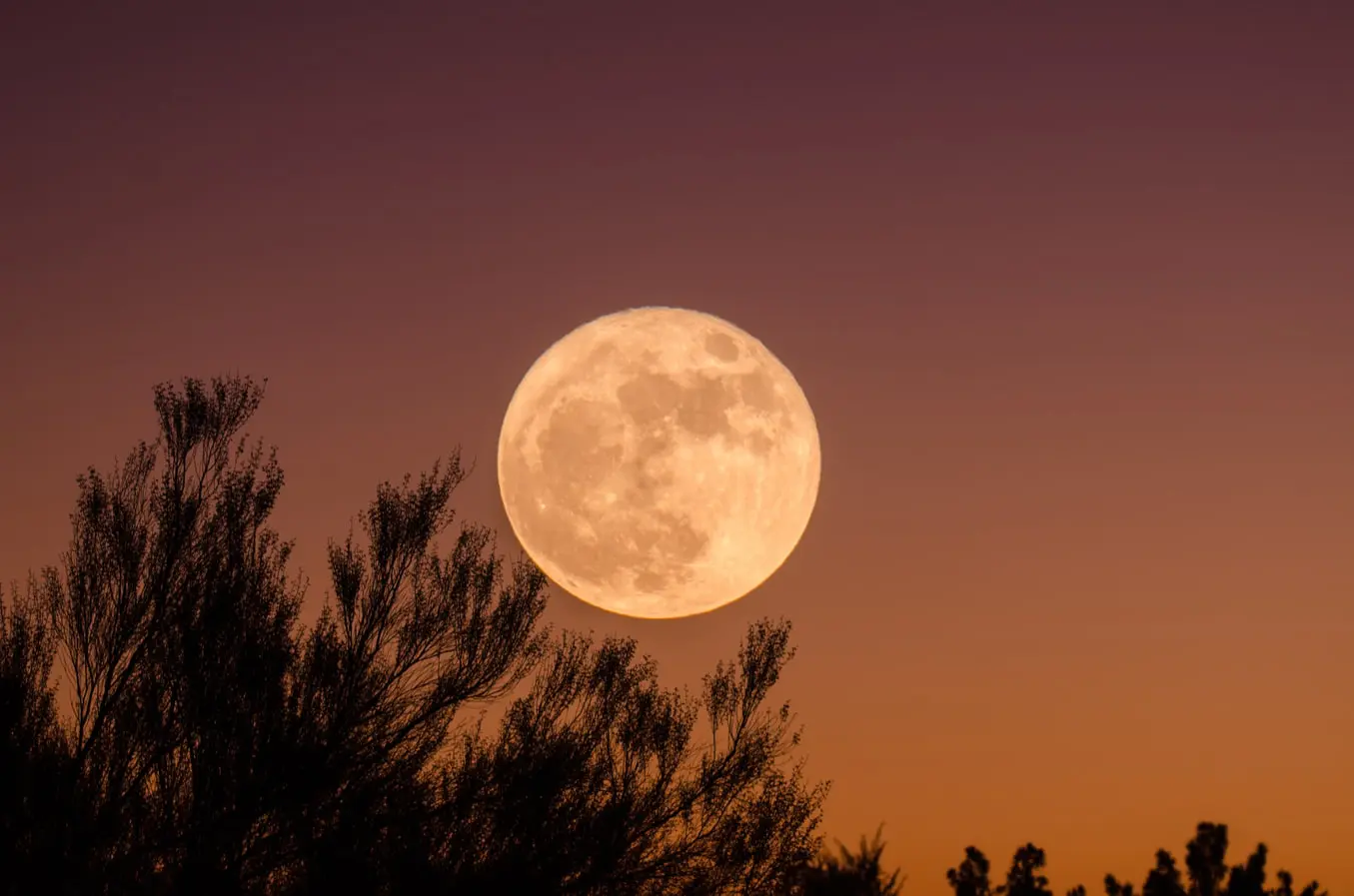
    The rising or setting Moon glows in a bright orangish colour very similar to the rising or setting Sun. This is due to the fact that the light from the rising Moon needs to pass through the thick atmosphere, before you can see it. Most of the shorter wavelengths of light in the blue end of the spectrum are scattered while the longer wavelengths towards the red end are visible. During this time the moon can look a bit fuzzy without great details but with some care, stunning photos of the rising Moon can be captured. This article discusses 3 tips to capture a perfect moonrise.

    Image by Ganapathy Kumar

    Moonscapes may have a confusing meaning like a Lunar landscape or a devastated landscape, but here in this article, we are talking about a landscape or a cityscape photo, with the moon in the sky. The moon is such a beautiful subject that it can add meaning, story and mood to an otherwise boring landscape or cityscape. In this article, we have provided all the details you need to capture a stunning moonscape.

    Image by Temudjin

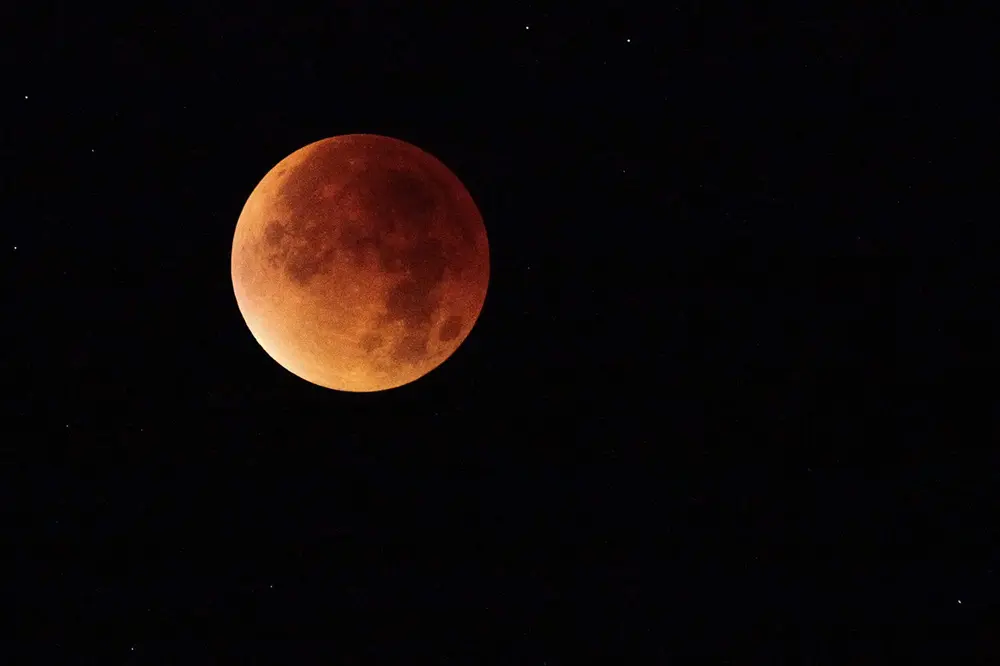
    You may have heard of the term blood moon. During a total Lunar eclipse, the moon turns to a beautiful blood red because of the red light getting refracted and falling on the moon. A Lunar eclipse is quite a common occurrence compared to a Solar eclipse, but a total Lunar eclipse can also be a rare one, depending on where you live. So, if you wish to capture a photo of the eclipsed moon in the future, it is quite easy and this article will go through all the steps required to capture the blood moon.

    Further Reading


    [ad_2]

    Source link

  • These Resources Will Help You To Avoid Some Common Mistakes In Photography

    These Resources Will Help You To Avoid Some Common Mistakes In Photography

    [ad_1]

    Photographers are not perfect all the time – even the most experienced or professional photographers are prone to making mistakes at times. Making mistakes in photography is not a huge problem, as long as the photographer learns from the mistake and rectifies the errors in the future. Besides, not all mistakes are serious, as some mistakes can also lead to creative results or learning new techniques in photography.

    There are a lot of different genre in photography and each one has its own guidelines and settings. For example, sports photography will need a different setting compared to landscape photography and long exposure photography will need a different setting compared to street or portrait photography. The same applies to editing too.

    Depending on the desired results or individual photographers’ interests, different workflows are followed by photographers. In this article, we have put together a bunch of resources that we hope will help you to avoid some common mistakes in photography.

    Most of the time, beginners in photography are confused with many problems like getting the settings right, making use of the right light, compositional guidelines, over-shooting, too much post processing and so on. Many photographers start with point and shoot in auto mode, and with the advancement in camera technology, most of the time an image may turn out good but what is important is to have a creative vision and work on achieving that result. Check out this article to learn some of the most common photography mistakes beginners make in photography.

    Photo by Jason Row

    Composition is very important in photography in order to capture effective and compelling images that have a lot of visual interest. Without just pointing the camera at a scene and shooting, taking time to scout the location and capturing images from different perspectives and angles, or watching out for interesting backgrounds, using meaningful elements, etc., will all contribute to great compositions in an otherwise simple image. This article talks about some typical composition mistakes that can ruin the effectiveness of your image.

    Photo by Pietro de Grande

    Portrait photography is a slightly difficult and challenging genre and is one that requires a few important factors to be taken care of, for the best results. Since we are dealing with closeup details of the subjects mostly and also want to capture their personality well, it requires a lot of practice and patience to master portrait photography. Here in this article, there is a list of 7 common mistakes in portrait photography and how to avoid them.

    Photo by Jessica Felicio

    Many think that mistakes are made by only beginners or amateur photographers because they are still learning, but photographers are always learning and professional photographers also make mistakes, including the very successful or famous photographers. Some photographers just ignore their mistakes or do not realise that they are making a mistake. This article talks about some common mistakes that professional photographers need to avoid.

    Photo by NEOM

    From time to time, most photographers shoot long exposure photographs while some shoot them quite often. Long exposure photography is not about just putting the camera on a tripod and setting a longer exposure time to capture the image. There are a lot of things to be taken care of like exposure times, accessories to lengthen exposure, colour shifts, noise, internal reflections, etc. Check out this article to avoid some long exposure photography mistakes.

    Photo by Jason Row

    If you have been into black and white photography for a while, you know that it is not just converting an image to black and white by bringing down the saturation slider all the way down to the negative side, or just applying a black and white preset. Black and white images need tonality in order for them to shine and it is always recommended that you learn to see in black and white, shoot in colour and then convert to black and white. Check if you are making any of these mistakes in black and white photography and see what you can do to avoid them.

    Also check out – Do You Still Make These 2 Mistakes When Working In Black And White?

    Photo by Ehud Neuhaus

    Some photographers shoot raw always, while some shoot jpeg and others a combination of raw and jpeg. Eery photographer may have a reason as to why they are shooting in a certain format, but most images require at least some post processing to give the image a pop and the right contrast, colours and exposure.

    When post-processing your images, it is important to not go overboard and make the images look unnatural, with too much saturation, clarity sharpening, etc. Check this article to see if you make any of these post production mistakes!

    Photo by Tron Le

    Lightroom is one of the most versatile programs that can be used for post processing, and is more popular among professional photographers who require batch processing often. Its features are very useful when it comes to creating and sharing catalogs, and also the many panels that help make post production easier, but as with all programs, overusing any of the sliders can result in bad final images. Check this article to see if you make any of these mistakes when working in Lightroom.

    Photo by Jason Row

    Are you someone who shoots film? There are mistakes film photographers make too and these mistakes can cost a lot. When shooting film, the photographer mostly needs to take care of a lot more things that what a digital photographer would. This article discusses three common film photography mistakes and how to avoid them.

    Photo by Brian Huynh

    Lastly, we would also like to touch on a very important subject that photographers need to take care of – maintaining the gear. Depending on what you shoot, especially in the outdoors, the camera, lens and other accessories are exposed to the elements and other harsh conditions. It is important that we take of our gear and do regular maintenance in order to avoid expensive repairs or replacements. Check out this article on some mistakes to avoid.

    Photo by Matt Bero

    Further Reading


    [ad_2]

    Source link
  • Grab Some Free Design Resources From Envato Elements

    [ad_1]

    Envato Elements is coming soon, and to celebrate, we’re offering some fantastic freebies. You can grab some handcrafted fonts, a professional brochure template, a coffee branding mockup, a set of elegant logos, and a massive set of watercolor brushes and textures. All you have to do is visit Envato Elements, enter your email address, and download your free files.

    [ad_2]

    Source link