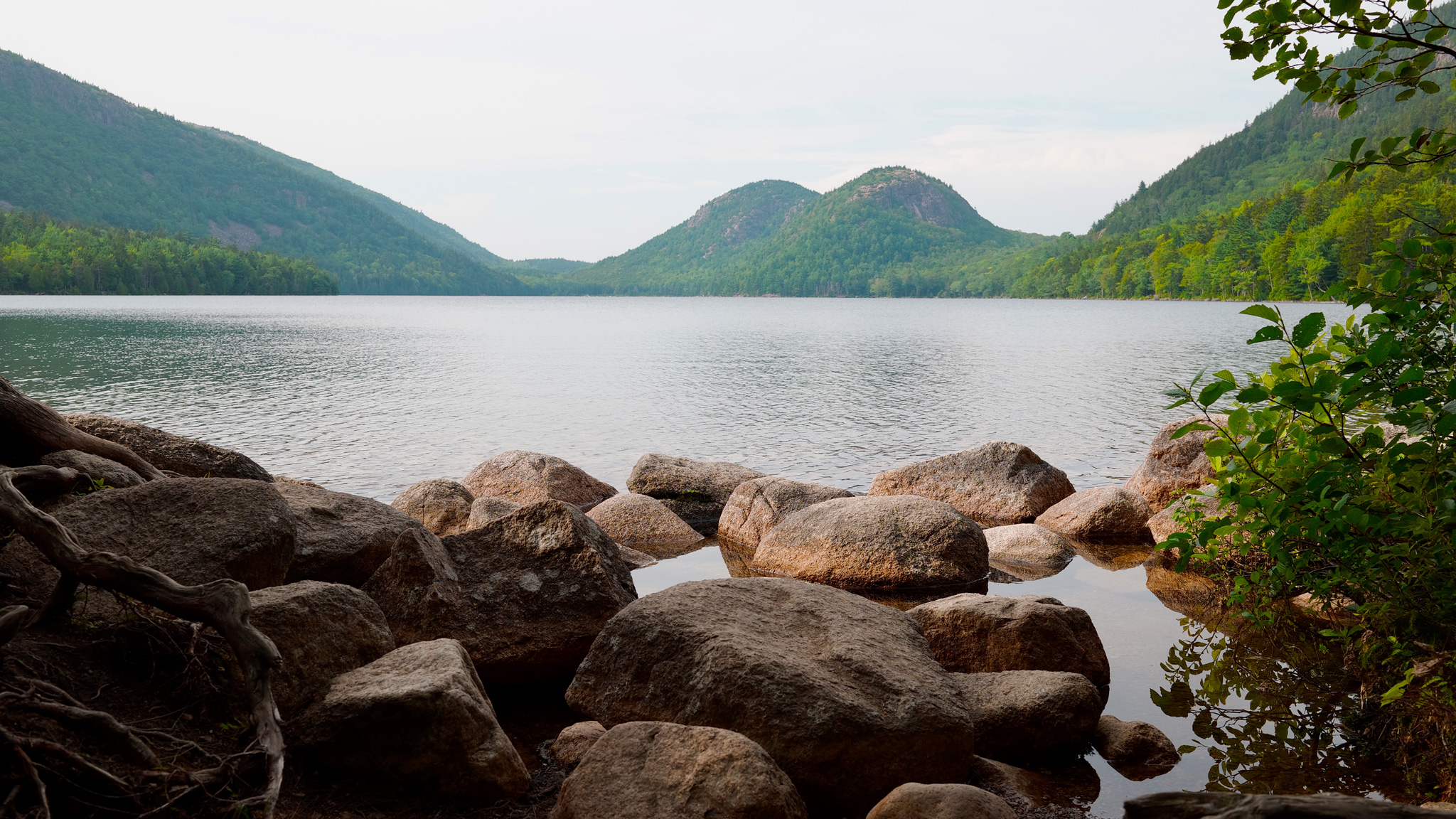
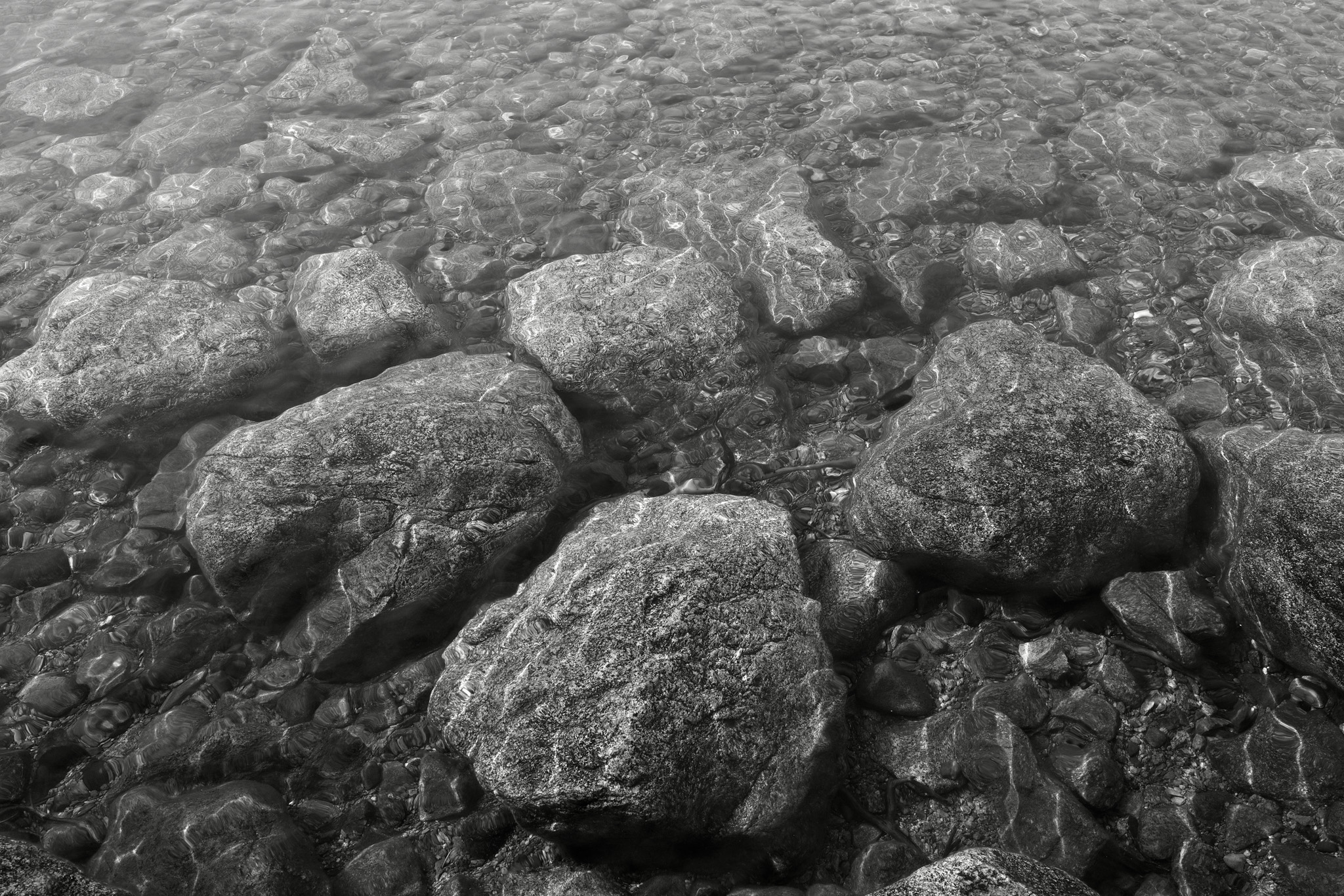
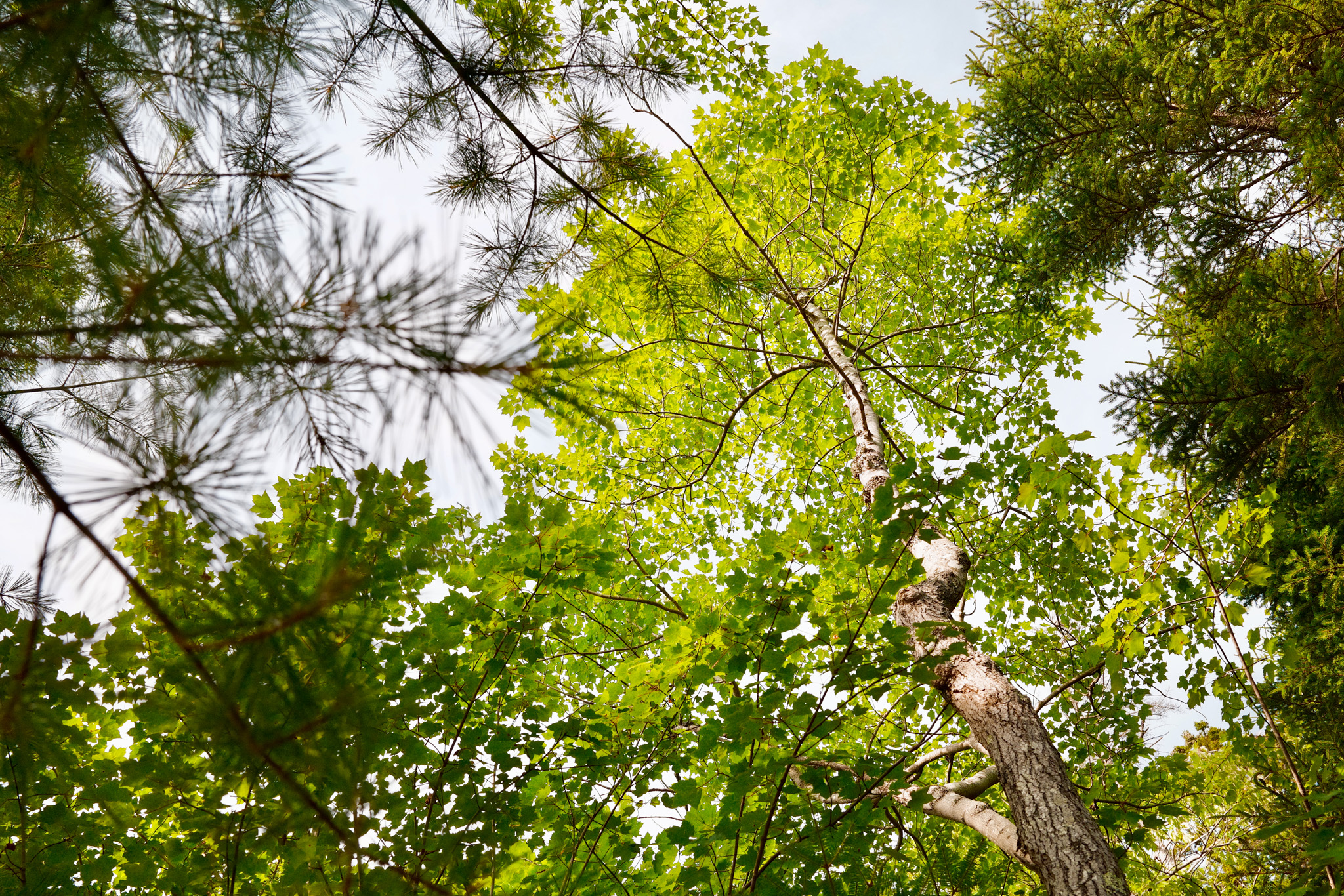
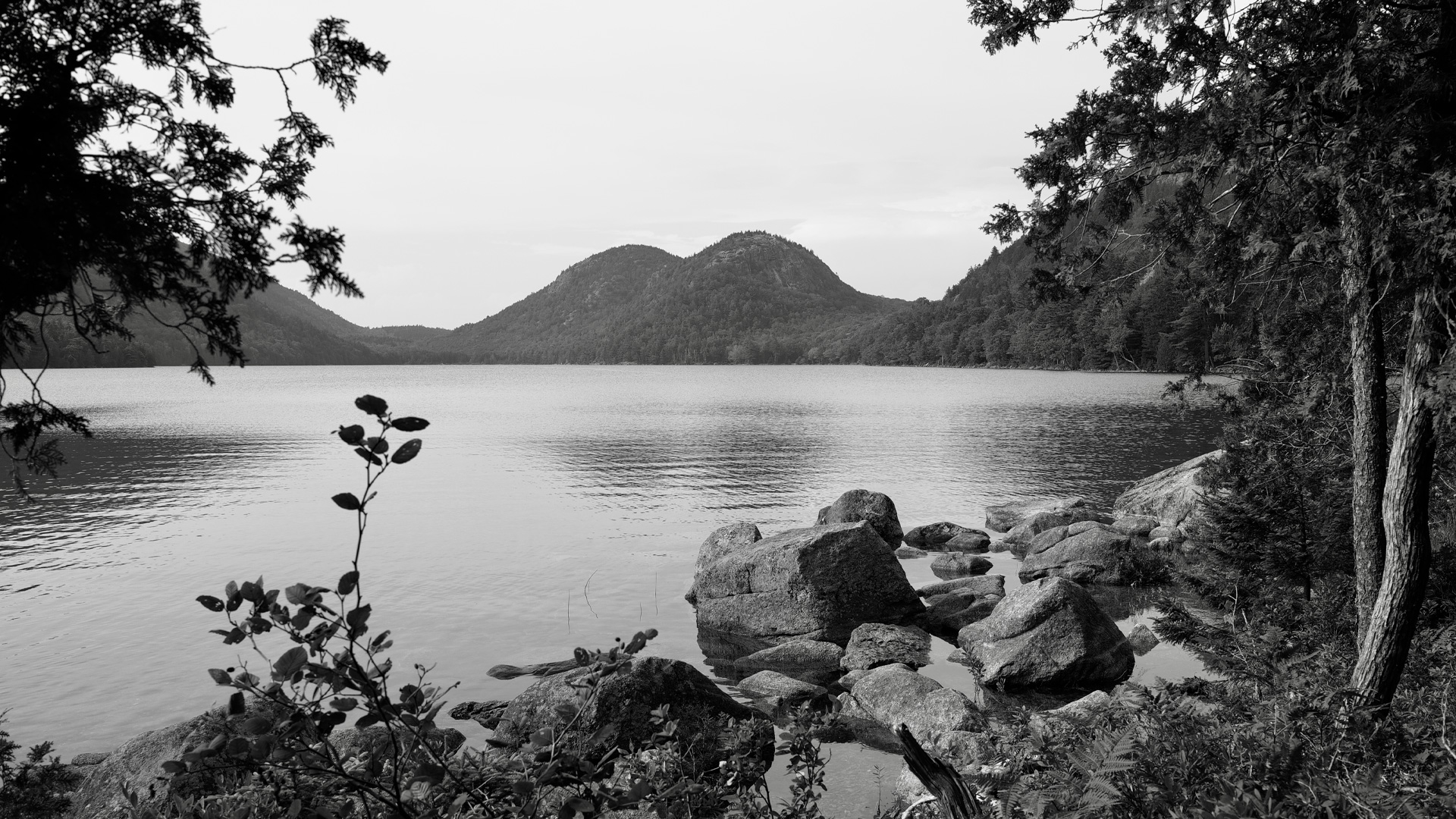
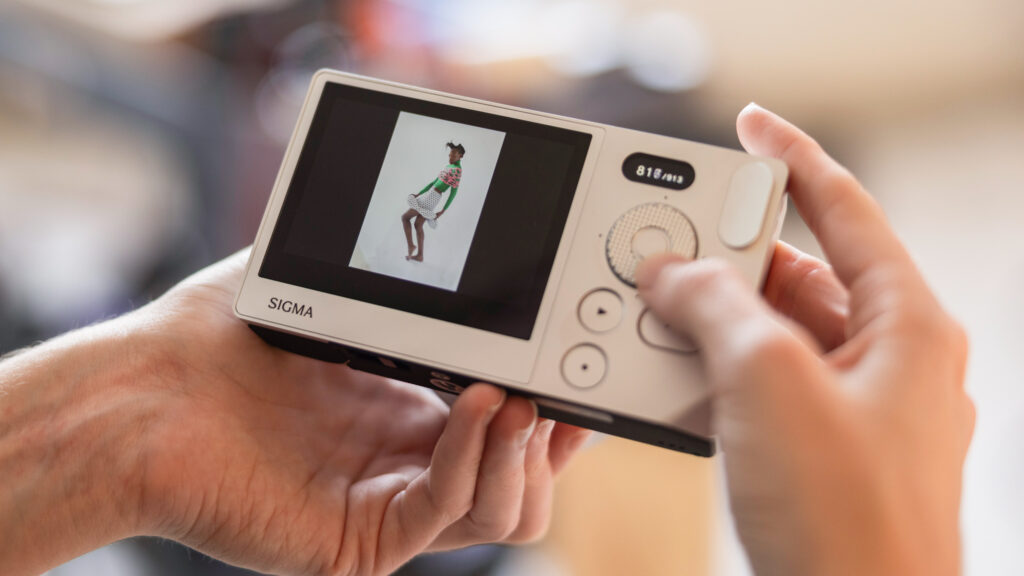
Sigma BF Camera Sigma 35mm F2 DG | Contemporary F8, 1/500s, ISO 250
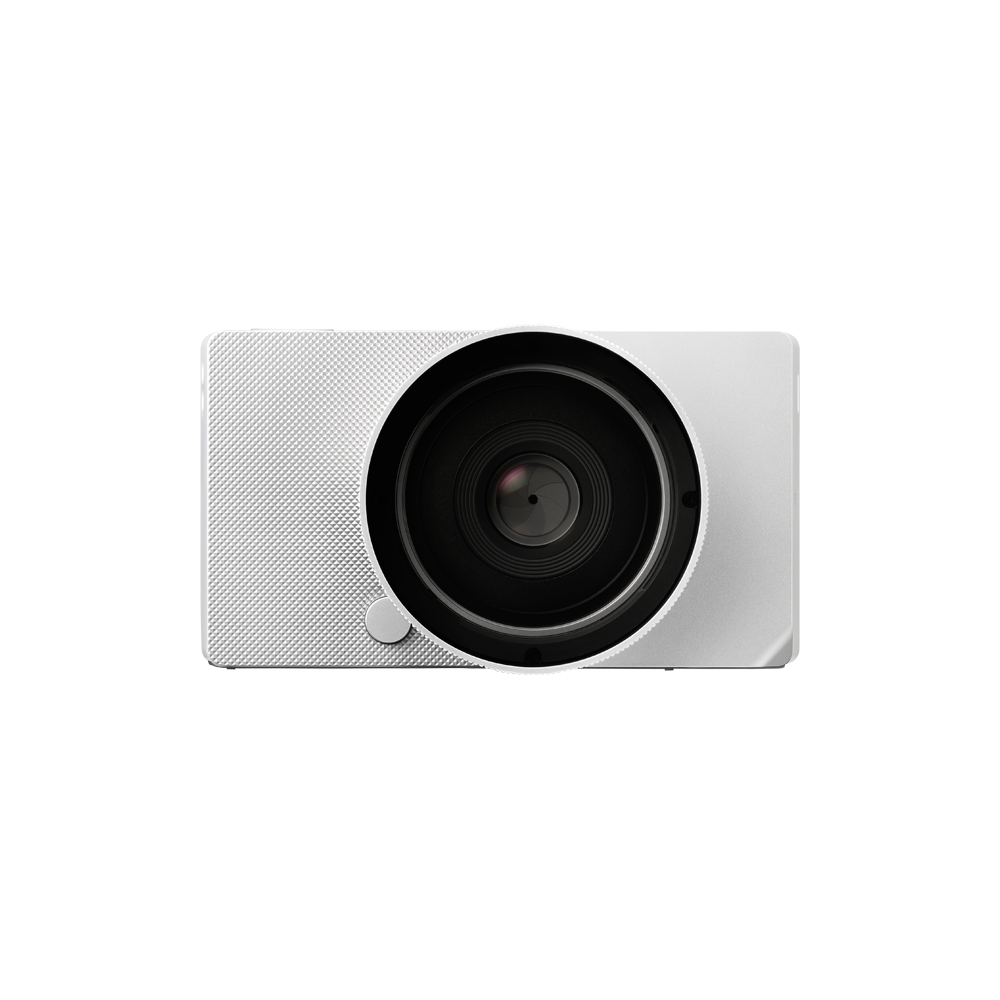
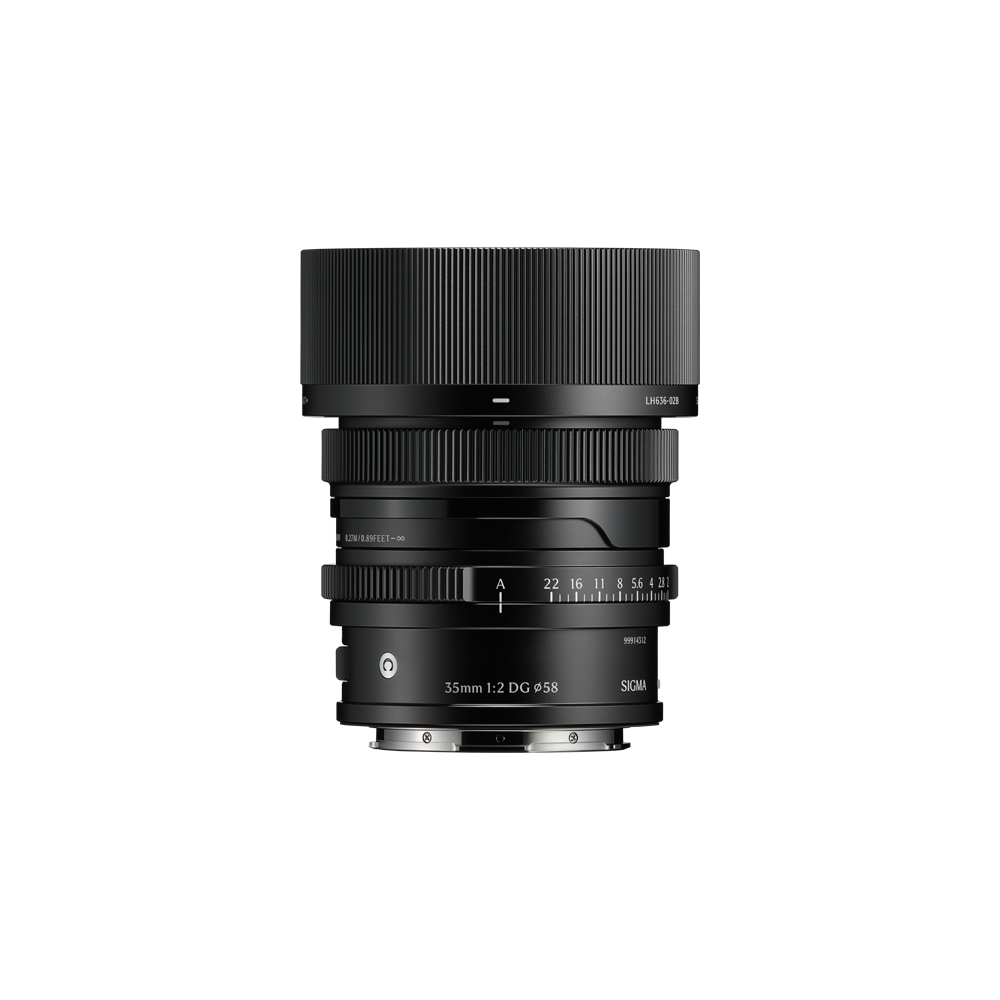
Sigma is pleased to feature a gallery of images by photographer and video producer Nagamitsu Endo. This gallery is comprised entirely of images shot with the Sigma BF camera, along with the 35mm F2 DG | Contemporary and 50mm F2 DG | Contemporary lenses.
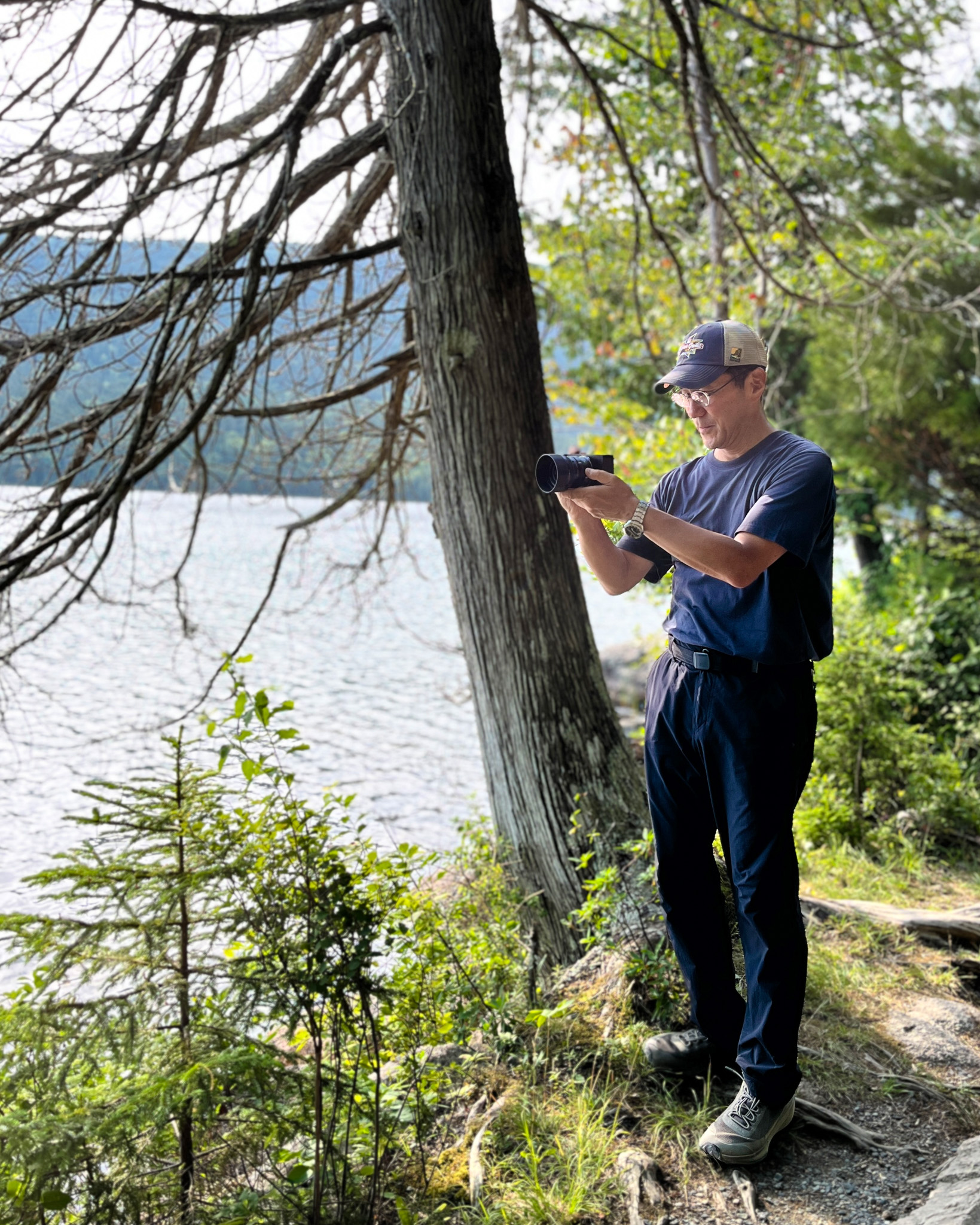
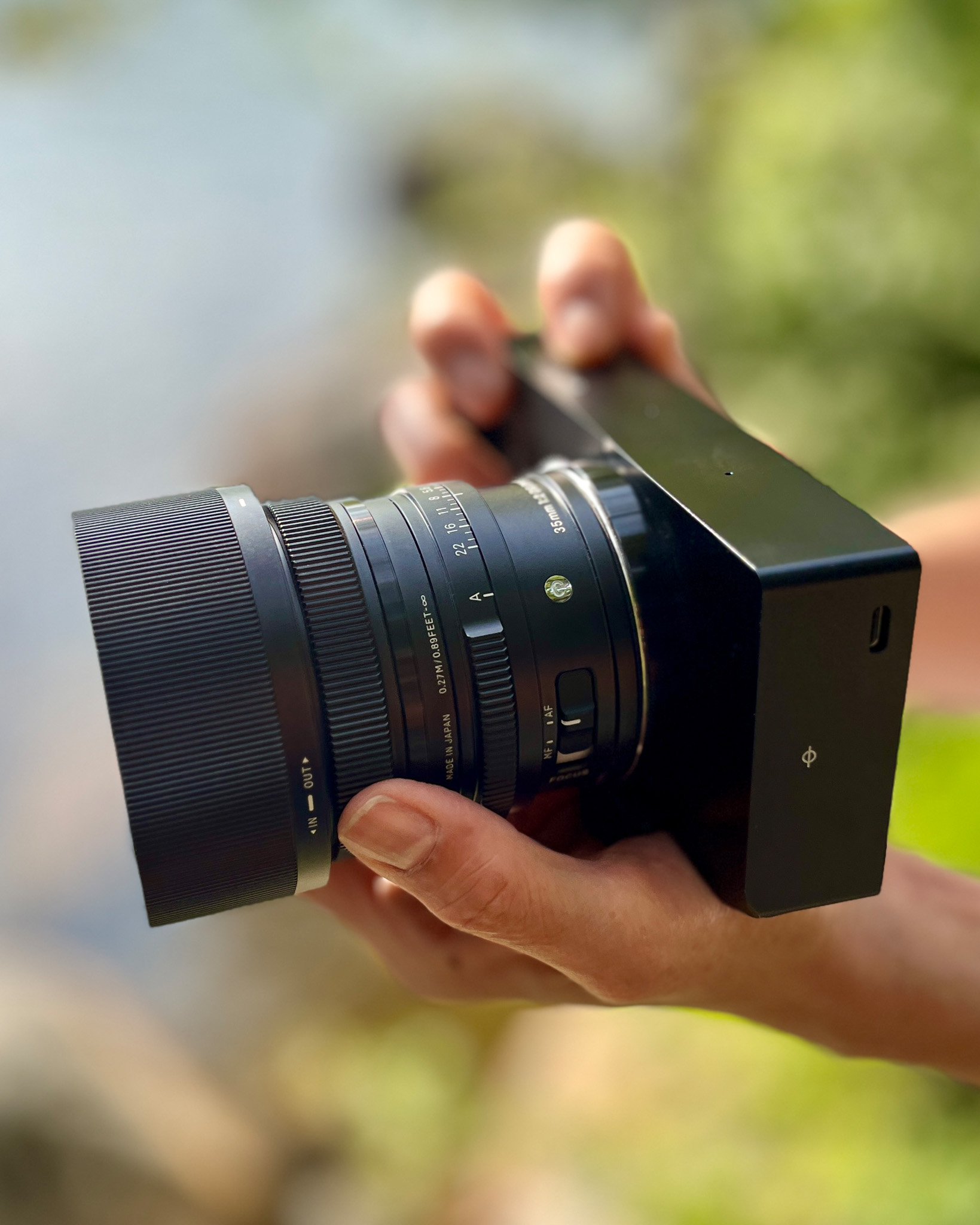
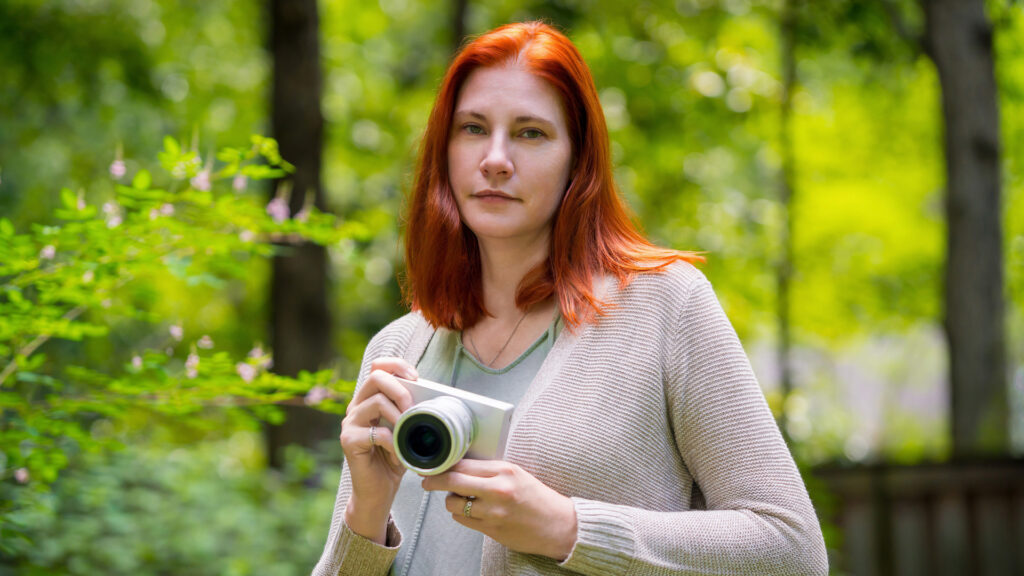
Photographer Naga Endo enjoys a stroll in Maine along with his Sigma BF camera and 35mm F2 DG | Contemporary lens.
Every photographer, no matter how passionate, eventually faces the moment when they simply don’t know what to shoot. I always try to keep a creative antenna up, searching for scenes and fleeting instants that can only be captured through photography – moments that might never come again. But depending on the season, the weather, the place, or my own state of mind, I occasionally lose sight of what I want to photograph. When that happens, I naturally find myself turning to nature.
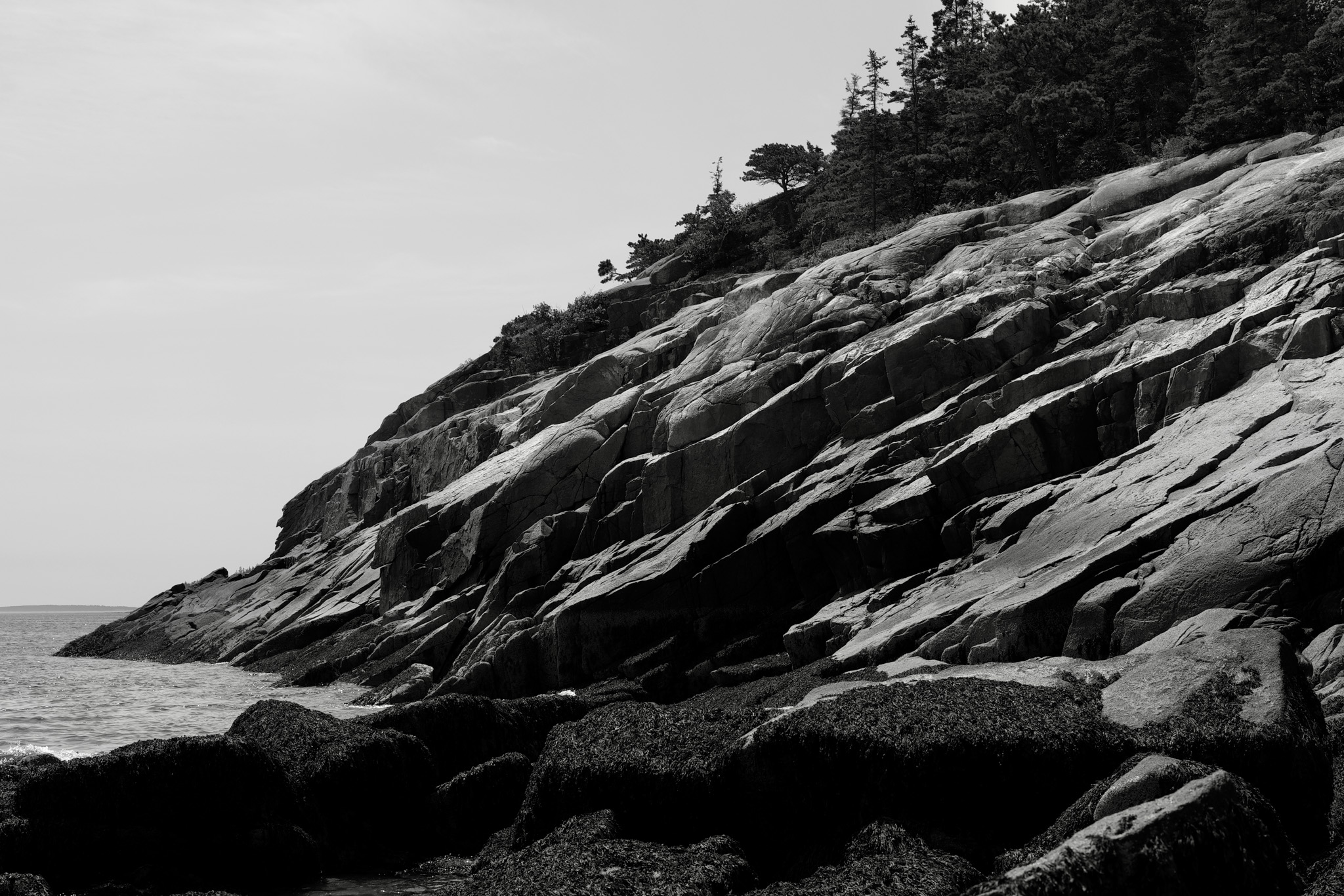
For me, nature is like street photography: nothing is staged, everything is real, and my only task is to observe and record. Within a fixed frame, I choose which moment to cut out – knowing it will never return.
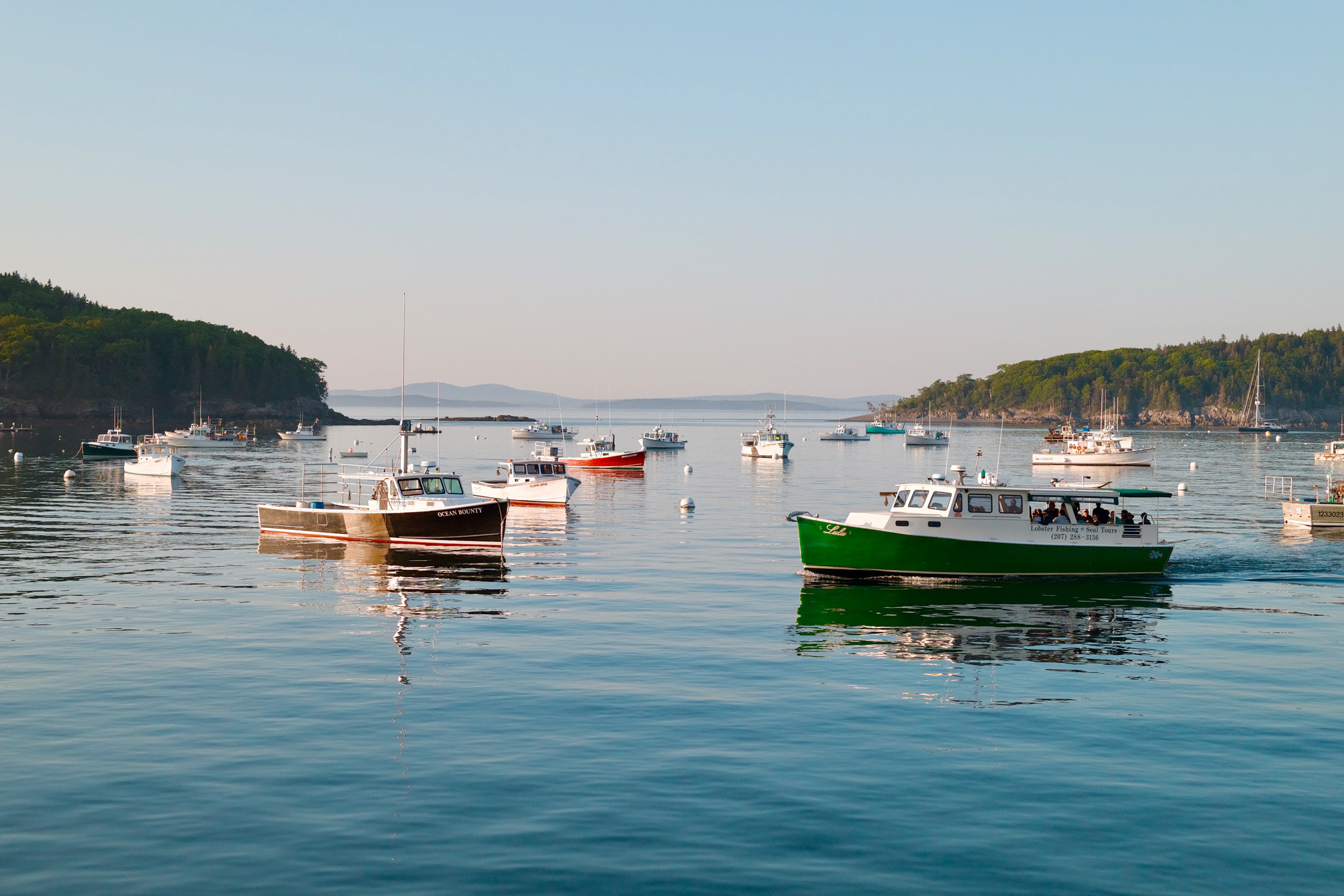
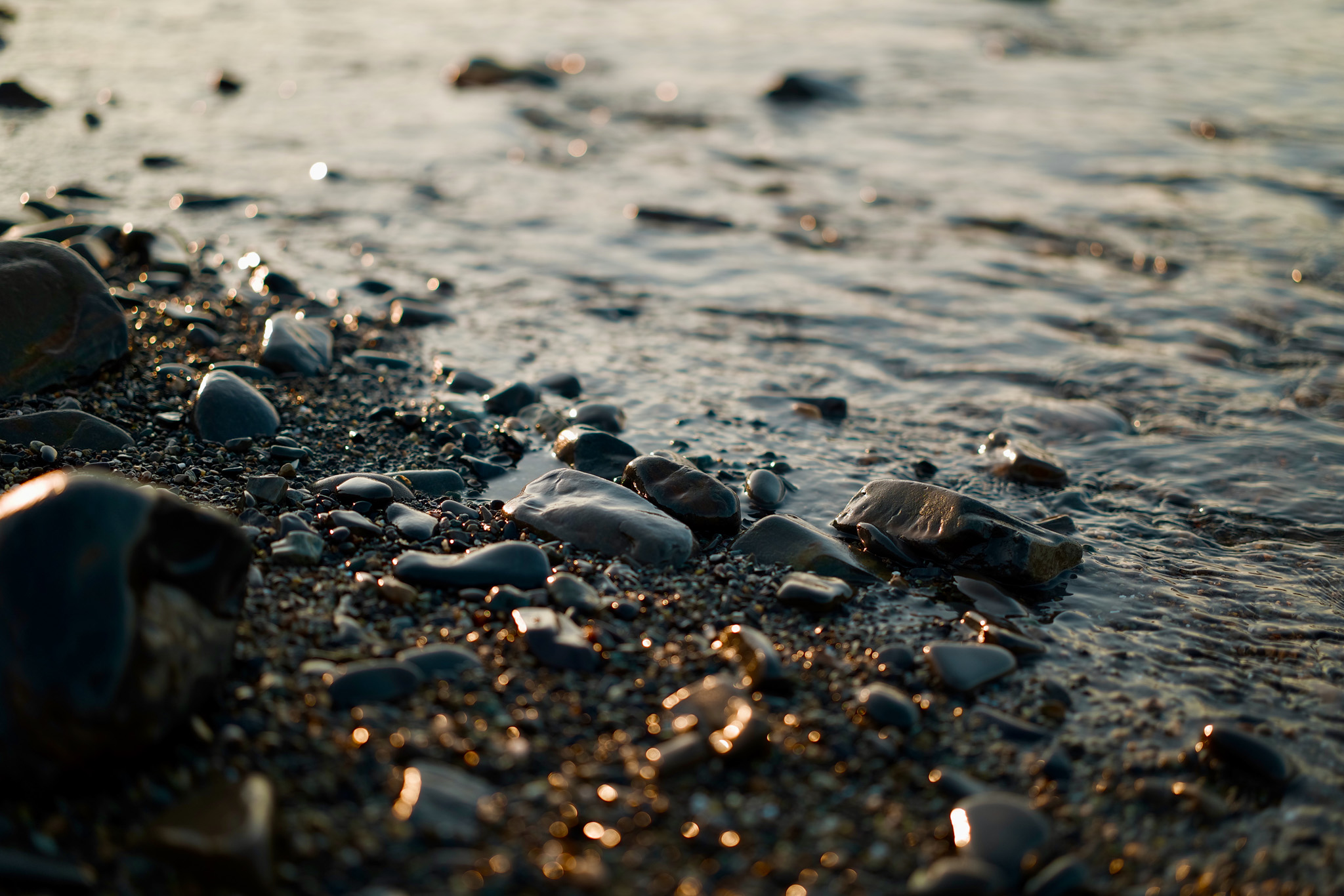
Nature’s beauty holds chaos, surprise, and quiet perfection. Immersing myself in that world. I reply on the Sigma BF, a camera that lets me feel each moment with my own senses. By limiting myself to just two prime lenses – 35mm and 50mm F2 – I embrace the constraints, and in doing so, I discover a shared atmosphere that flows through the entire series.
Naga Endo, Photographer
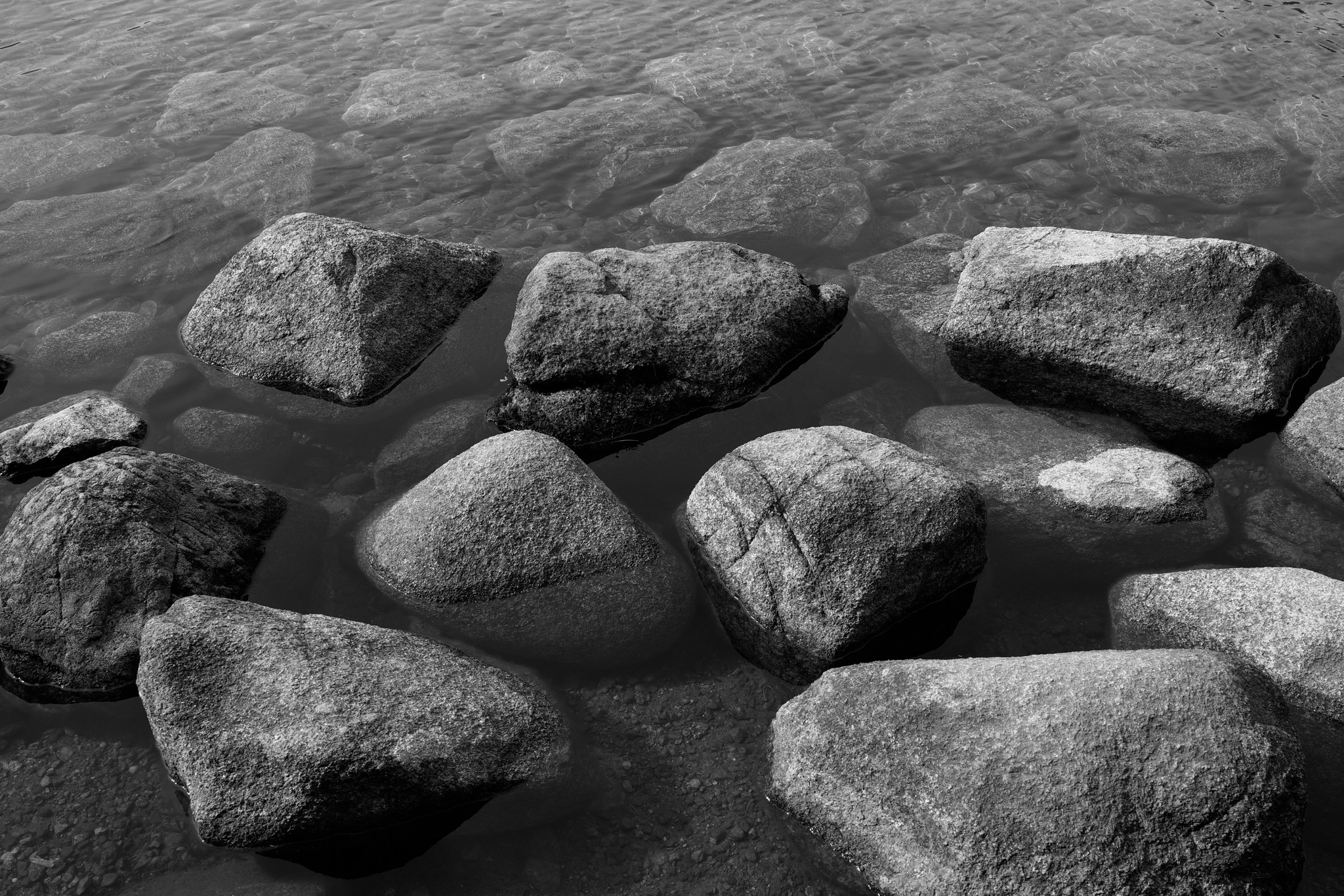
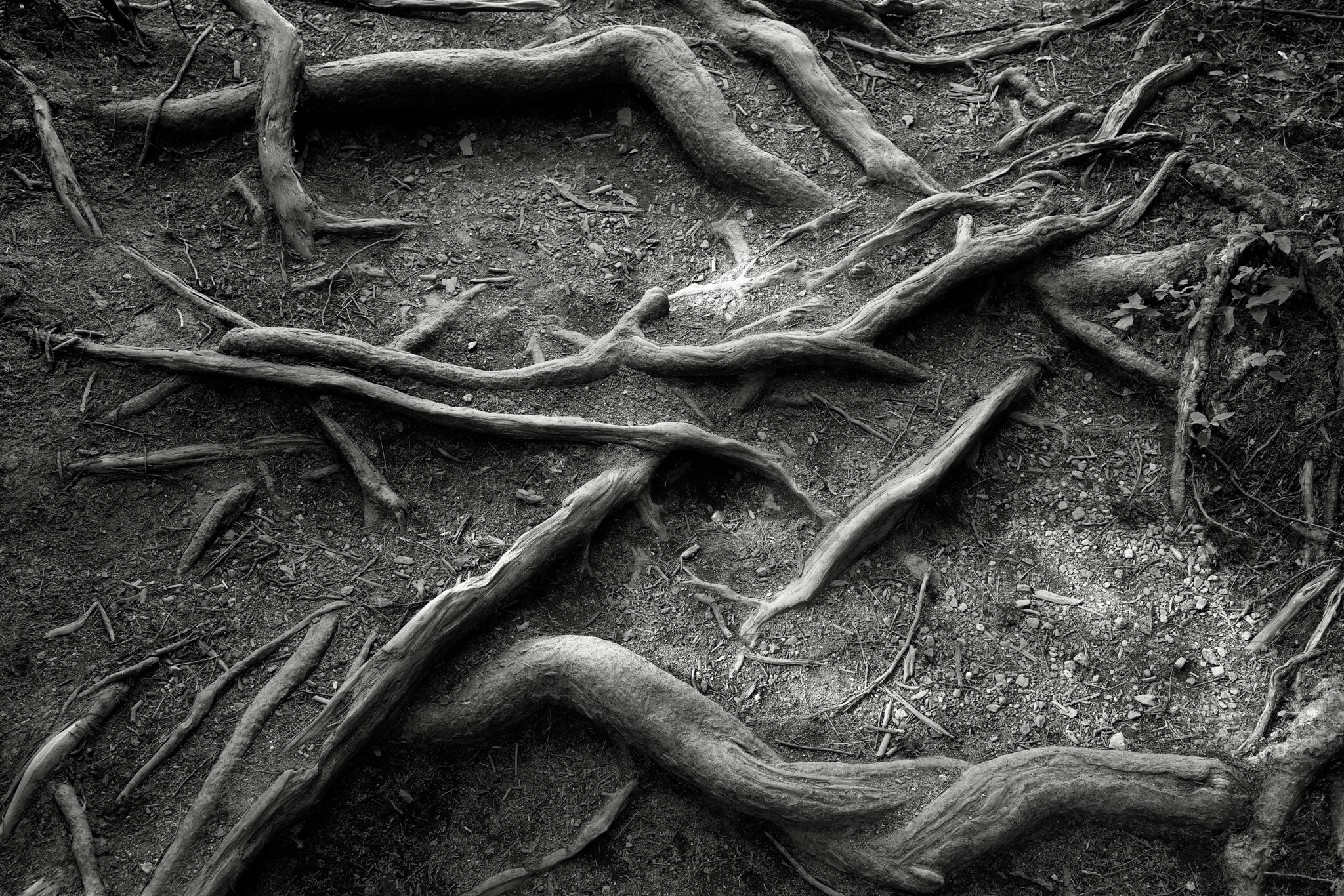
Sigma BF Camera Sigma 35mm F2 DG | Contemporary F8, 1/500s, ISO 200Sigma BF Camera Sigma 35mm F2 DG | Contemporary F8, 1/500s, ISO 200
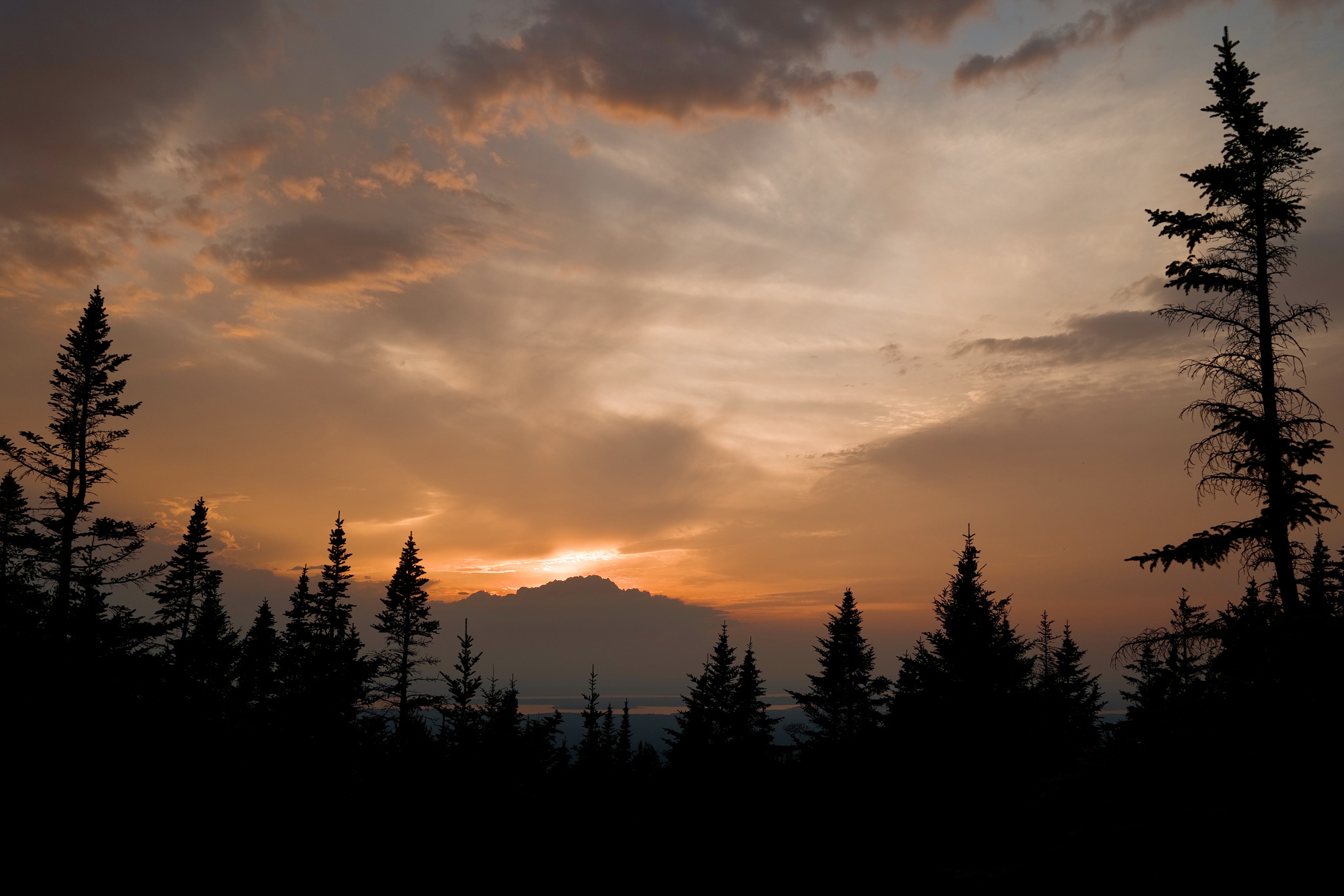
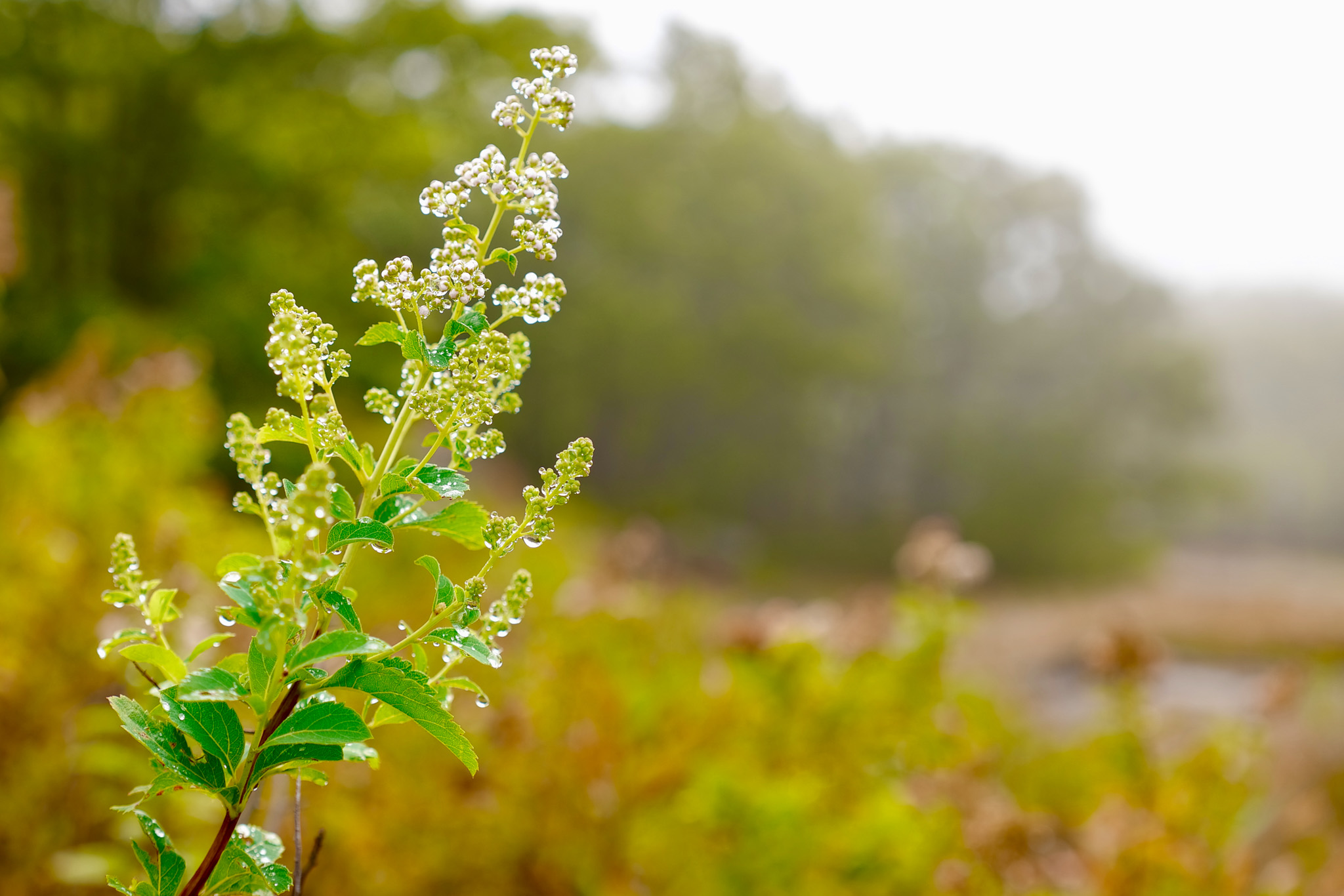
Sigma BF Camera Sigma 50mm F2 DG | Contemporary F8, 1/500s, ISO 100Sigma BF Camera Sigma 50mm F2 DG | Contemporary F8, 1/2500s, ISO 2000Sigma BF Camera Sigma 50mm F2 DG | Contemporary F2, 1/1000s, ISO 100Sigma BF Camera Sigma 50mm F2 DG | Contemporary F2, 1/6400s, ISO 100Sigma BF Camera Sigma 50mm F2 DG | Contemporary F5.6, 1/400s, ISO 100Sigma BF Camera Sigma 35mm F2 DG | Contemporary F8, 1/500s, ISO 800Sigma BF Camera Sigma 35mm F2 DG | Contemporary F8, 1/500s, ISO 1250Sigma BF Camera Sigma 35mm F2 DG | Contemporary F2, 1/1000s, ISO 100Sigma BF Camera Sigma 35mm F2 DG | Contemporary F8, 1/250s, ISO 160Sigma BF Camera Sigma 35mm F2 DG | Contemporary F4, 1/320s, ISO 100
Explore your neck of the woods with the Sigma BF
About
Nagamitsu Endo is the founder and producer of NAGAVISION INC., specializing in visual storytelling. While his work revolves around video production, the art of still photography is an everyday part of Naga’s life. Whether exploring the streets of New York City or capturing moments behind the scenes on set, Naga is always on the lookout for captivating visuals.
Equipment used
EXPLORE MORE
The Sigma BF is not just a stylish camera, but a special piece of imaging gear that enhances personal photography in a completely unique way. Join pro photographer Heather Larkin and learn why the Sigma BF has become an essential part of her daily life.
The Sigma BF is the perfect camera system for casual, everyday photography, with its sleek looks and simple interface. But on the set or in the studio, it becomes the ultimate BTS tool that everyone in the crew wants to pick up, leading to more high-quality candid shots and memories of work that typically goes unnoticed.
I am a hybrid photographer, a photographer that shoots both stills and video. My main camera is the Sony a7RV and it is perfectly suited to my needs. It shoots 61mp stills and up to 8k video in 10 bit 422 colour.
I also have an iPhone 15 Pro. Its video capabilities are excellent, being able to capture 10bit 422 in Prores if using an external SSD. I also have a couple of drones, and a DJI Osmo Action, the original version. I find uses for all these cameras, so why on Earth would I want to add the DJI Pocket 3 to my camera bag? Let me explain.
A Gap In Capability
I shoot a lot of videos with the Sony a7RV. Much of this is shot either from a gimbal or from a locked off a tripod with a video head. Both of these are slow and cumbersome to set up and make shooting stills more difficult. Often when I am shooting video, I suddenly see a stills photo that I want to take.
To do this I need to either remove the Sony from the gimbal or maneuver the tripod and camera to the right location. It’s slow and there is often a good chance that I will miss the shot.
My workflow at the moment sees me dedicated myself to shooting either video or stills but not both at any given location. There are many times when I am out on a stills shoot, roaming a location when I yearn to shoot some video. However on a stills shoot I will not take the gimbal with me. That leaves me with the option of handheld video. Whilst Sony’s IBIS is pretty good, I still feel that handheld video is not a great option for stock agencies. It will be rejected more often than not.
I also carry the DJI Osmo Action with me, but there are a lot of limitations. It is electronically stabilized, which often looks awful, has a small sensor and is now quite dated. It is primarily used as my vlogging camera.
The Other Gap In Capability
Since the beginning of the year, I have set myself a target to monetise my YouTube channel. The channel is focused on all things photography, stills, video, drones, editorials and more. There was an issue though.
I like to create my videos on location. Me and my camera in a pretty location talking about the photography subject of the day.
However, given my main camera will often be the subject of the video and the iphone was limited ergonomically, my choices were limited. Often, my script notes are on the phone making it tricky to use and shoot from simultaneously. The Osmo Action is very limited unless used as a fixed static camera. It’s not great for getting b-roll either of the location or the gear. Drones are great at tracking subjects and moving around but you really need a second person to operate them safely. So I needed something else.
Talking to camera in a hot and humid Bangkok
Looking At The Options
What I was looking for was a compact, mechanically stabilized video camera with output quality good enough for stock agencies. It had to be lightweight, easy to set up and decent in low light. I narrowed the choice down to two options. My iPhone on a DJI/Zhiyn gimbal or the DJI Pocket 3.
I have used my iPhone with a gimbal for stock video on many occasions. The quality is decent in good light but drops off very quickly as the light fades. There is another drawback though. The iPhone is a portable computer on the go. I use it to navigate, check emails, post to social media and pay for things. None of these are easily done when it is attached to a gimbal.
I had followed the progress of DJI’s Pocket cameras from the release of the original. The DJI pocket cameras are effectively a small camera attached to a handle through a gimbal. They are small, mechanically stabilized and, at a push, can fit into your pocket.
They were interesting, but did not fit my needs. It seemed to be primarily aimed at vloggers shooting to camera pieces outside and for average quality b-roll footage for those vlogs. The Pocket 2 improved capabilities a little, but was still not really useful as a stock video camera.
Then about six months ago and to much hype, DJI released the Pocket 3. This stood out for a very good reason, the 1” sensor.Now in large camera terms a 1” sensor is not huge but compared to previous Pockets and to smartphones it was huge.
However there was another stand out feature. It also shot Log in 10 Bit colour. This is a big deal for videographers as it gives a lot more leeway when grading the footage in post. This was a pro level feature.
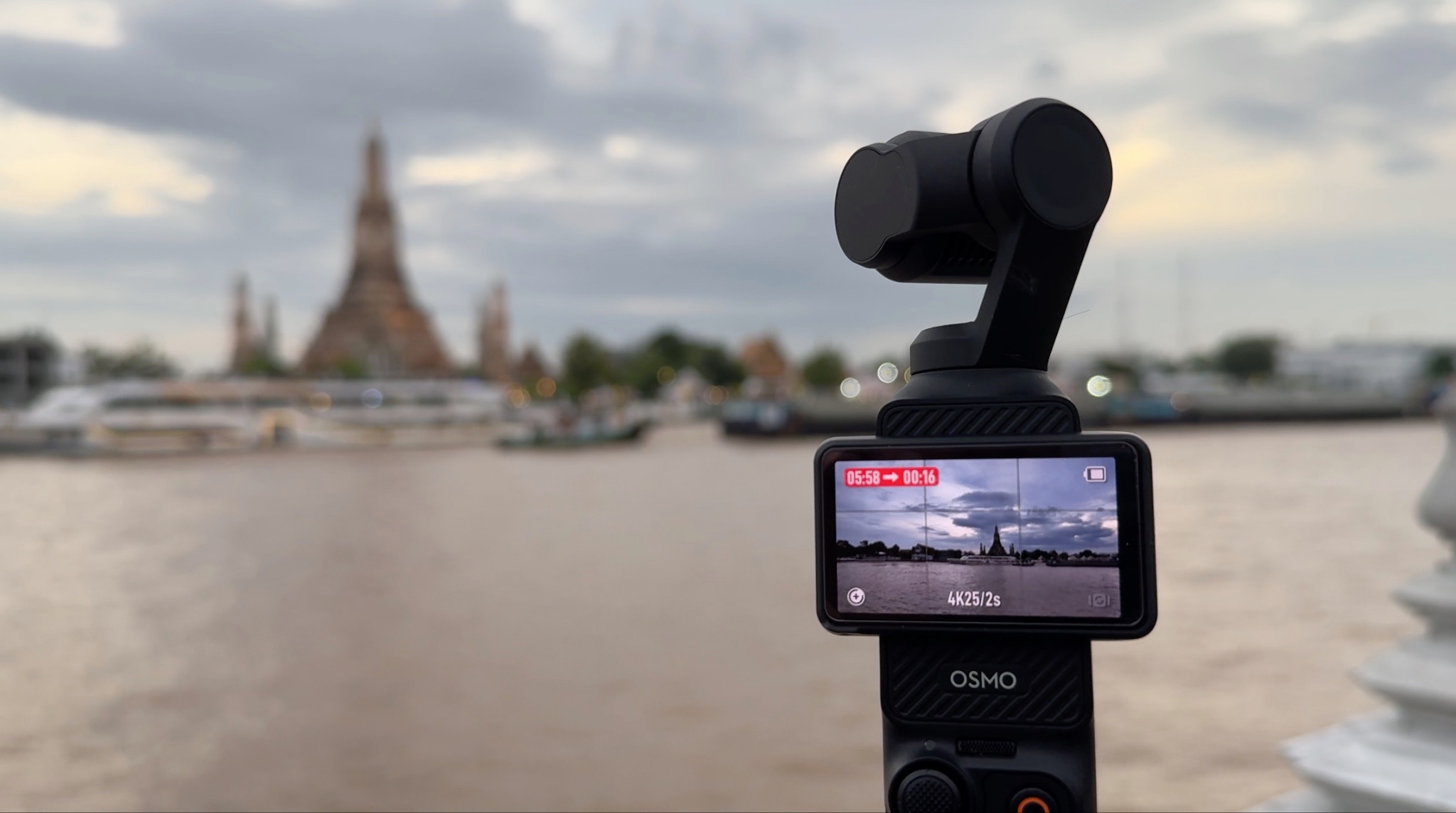
The DJI Pocket 3 shooting a timelapes at Wat Arun in Bangkok. By Jason Row Photography
Was The Hype Realistic?
I rarely buy tech gear at first release. YouTube is full of creators that pump out “super psyched” videos on the launch day of pretty much anything that runs off batteries. The hype on the DJI Pocket 3 was immense, YouTubers extolling the many virtues and finding little wrong with the camera.
Six months later, you start to get videos with titles like “The Downsides Of The Pocket 3” It is these videos that I like to watch in combination with 6 months’ reviews from established and well regarded filmmakers and photographers.
What I learnt from these videos was that much, but not all of the hype was real. The DJI Pocket 3 was a very capable camera, producing a superb video image that belies its size. It was a tool with some excellent features. There were issues, downsides of course, but none that I could see that would affect my use of the camera. So I bought one.
Still image from DJI Pocket 3 video of the Grand Palace Bangkok. By Jason Row Photography
How Is It Working Out
So far, very good. I have had the Pocket 3 for a few months and have shot quite a bit of footage with it as well as a studio based, to camera YT video. The video quality is excellent and the range of features very good. I can shoot 4K up to 120fps, timelapses, ultra slow motion. It will track subjects, detect my face, both very useful for outdoor vlogging. It’s compact, has good battery life, connects easily to my Rode Wireless Go II mic system and provides me with an excellent range of gimbal moves.
It’s early days but so far it is living up to the hype.
ChatGPT’s new image-generating tool is causing more than a stir in the artistic and legal communities.
An abstract image of a sphere with dots and lines in the shape of a brain. Photo by Growtika
It has also gotten the attention of massive names like Adobe and Figma. In fact, those two platforms, among others, will be integrating this ChatGPT feature into their workflows going forward, giving millions of users access to some of the most powerful image-generation tools out there.
If this seems like just the beginning, you’re not the only one. We’re not surprised to see this happen, but we thought that these platforms would probably want to have more control over the service (that is, you know, make their own image-generation tools which they are but I guess when you see the best, you know it).
ChatGPT’s blog post about the integration shows off some of the work from the major platforms which include the aforementioned Adobe and Figma as well as Airtable, Gamma, HeyGen, OpusClip, Quora, Wix, Photoroom, and Playground, among others.
And the tool will focus on a unique area for each platform. For example, GoDaddy will be taking advantage of the logo-generating abilities of the platform to help its users create easy, editable logos, ChatGPT writes.
Interestingly, one use case that is listed is Instacart which, unlike the others, will be used to help generate shopping lists and suggested recipes for customers which gives us all some idea of the depth and breadth of possible uses for ChatGPT’s AI.
Naturally, how it got this talent this fast continues to be a source of debate, particularly in Japan if you missed our story from earlier this week.
Have you tried out ChatGPT’s image generation tool? Let us know your thoughts on it in the comments.
We have some more news for you to read at this link.