برچسب: Cine

  • Sigma Cine Lenses Capture Historical Drama and Modern Musical Spirit in “The Testament of Ann Lee”

    Sigma Cine Lenses Capture Historical Drama and Modern Musical Spirit in “The Testament of Ann Lee”

    [ad_1]

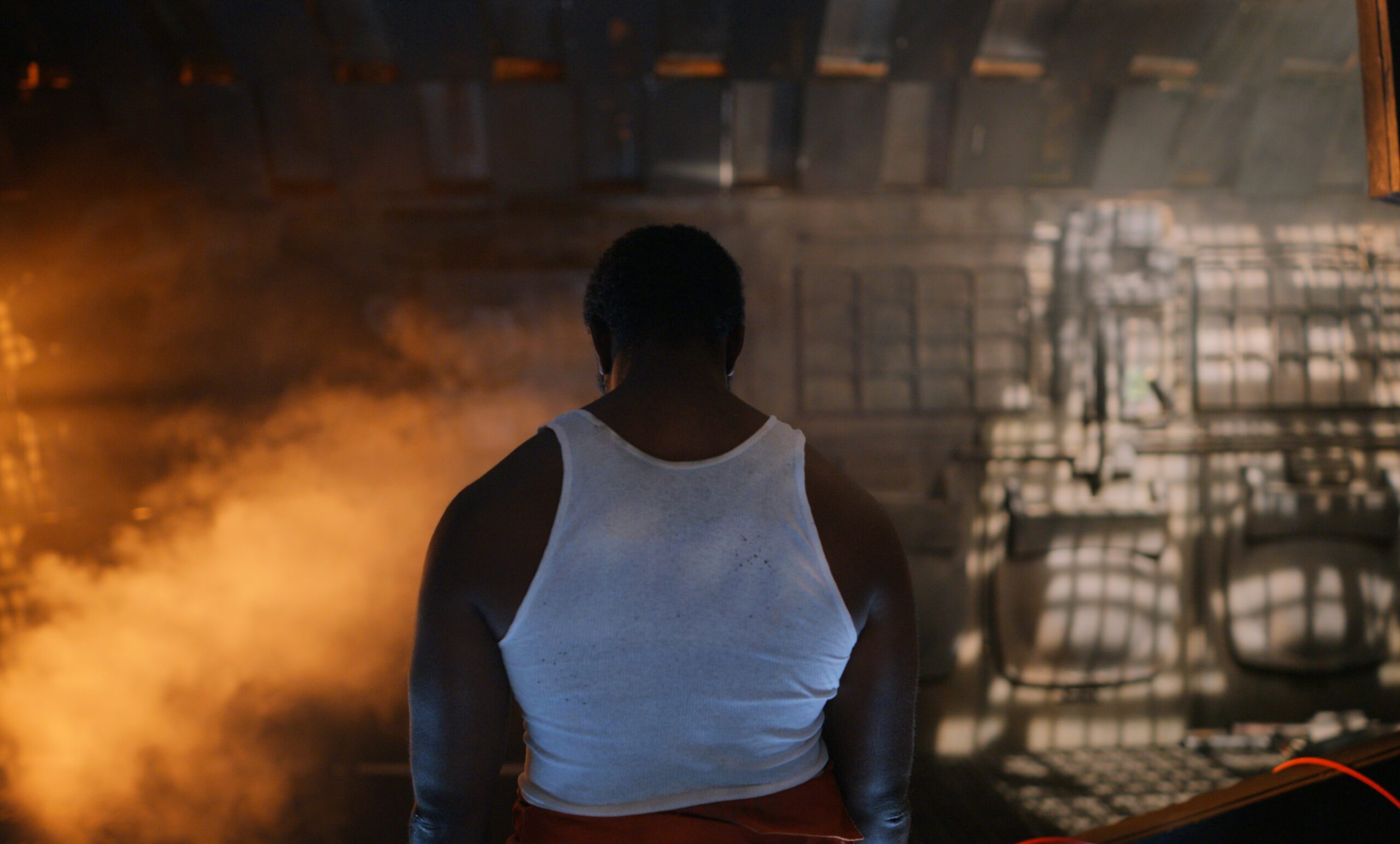
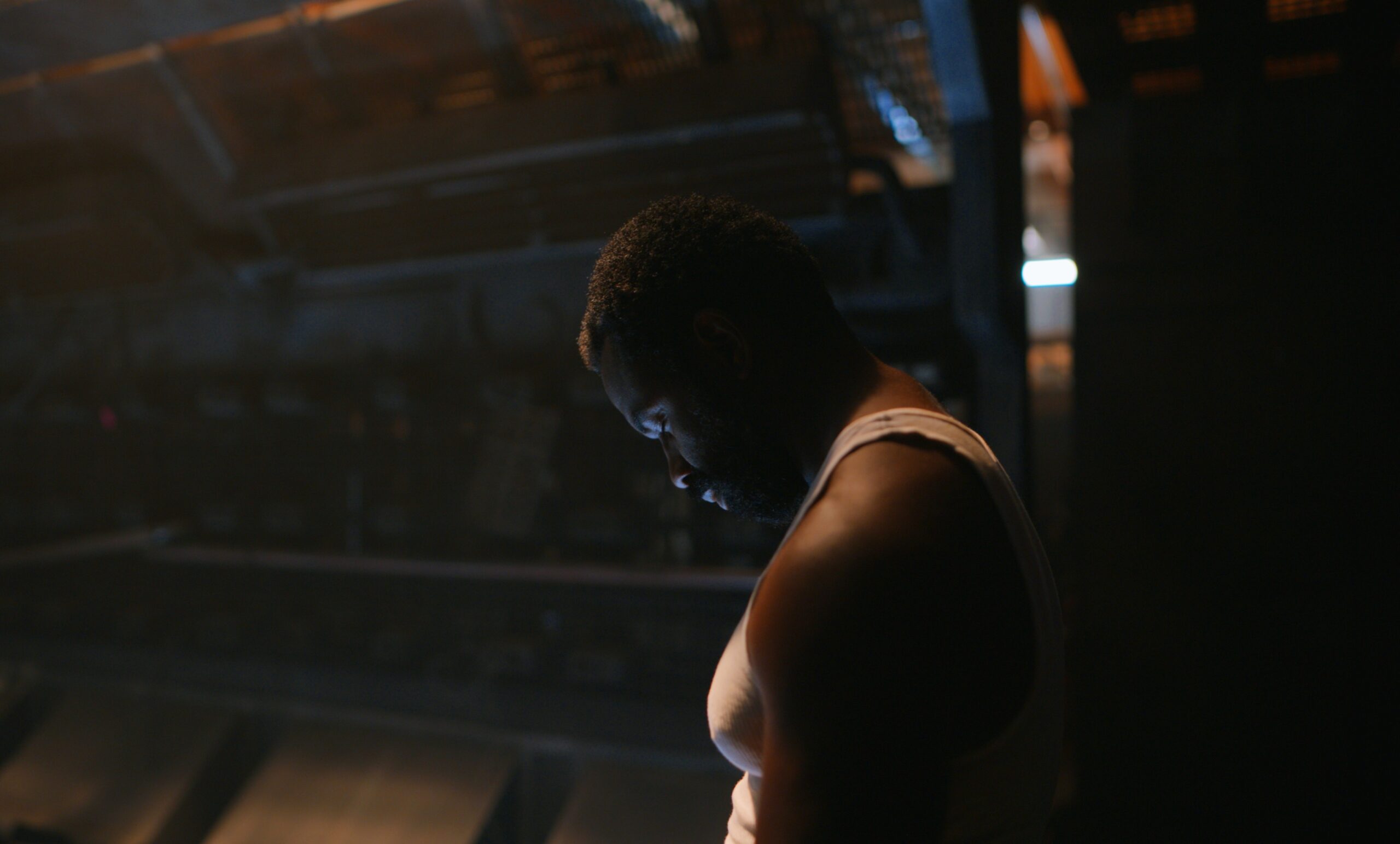
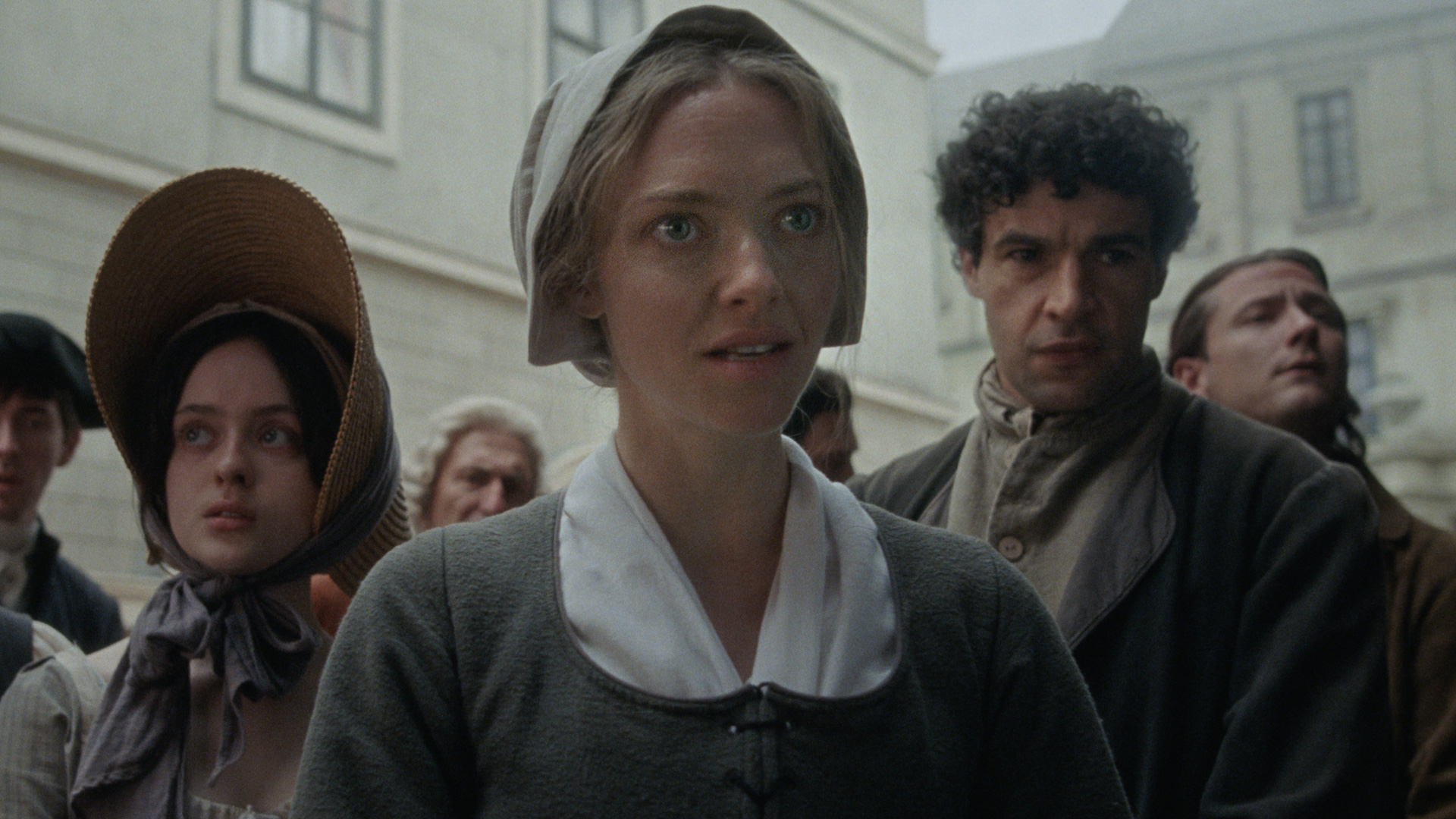
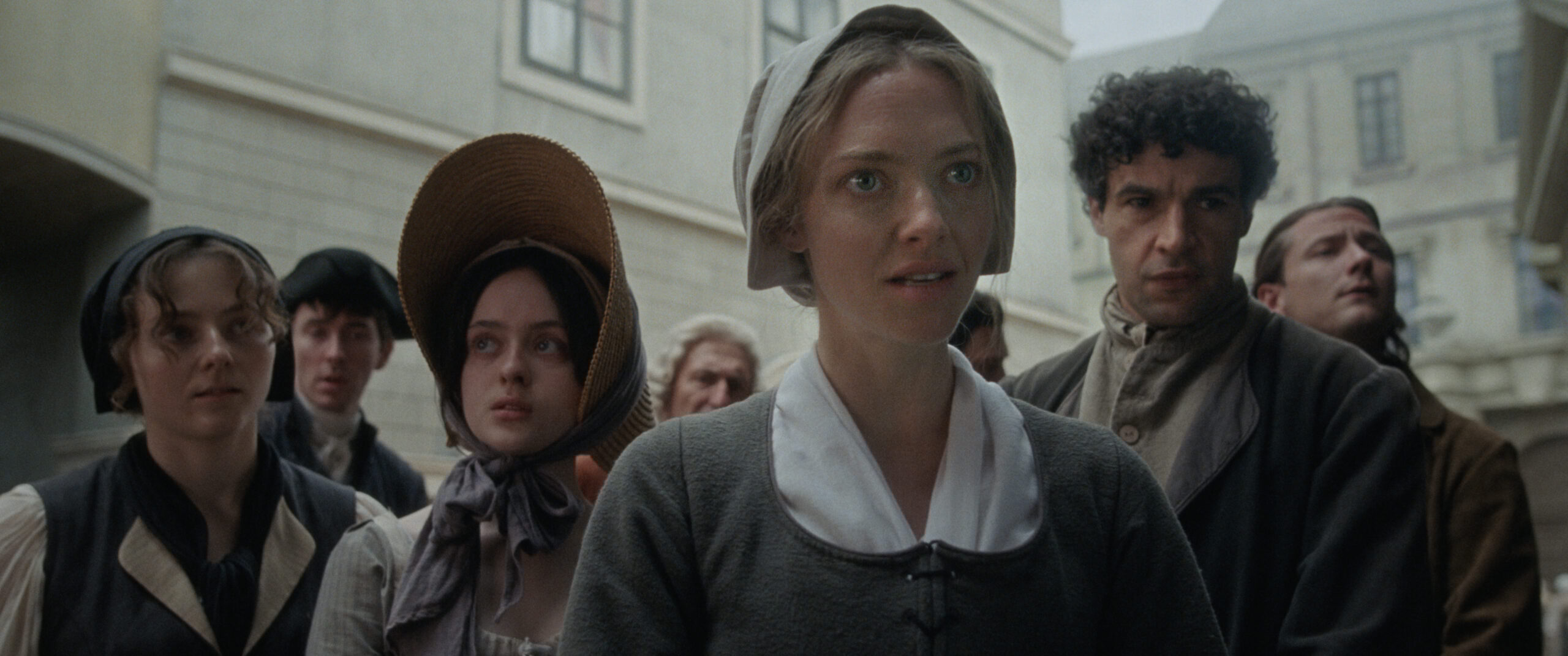
    Hollywood is rarely short of ambitious ideas, and the historical drama / full-fledged musical The Testament of Ann Lee, starring Amanda Seyfried, is one of the latest to roar past “passion project” and into the mainstream. Telling the story of Ann Lee, the founding leader of the 18th-century Shaker movement, the film blends gritty period piece with lavish choreography, with visuals led by Director of Photography William Rexer.

    Rexer frequently uses Sigma Cine lenses in his work, and The Testament of Ann Lee was no exception. We caught up with Will after the film made its debut at the Venice Film Festival in September 2025 to learn more.


    Q&A with Director of Photography William Rexer

    Sigma:

    Did you shoot with only the T1.5 High Speed Prime lenses, or were you able to use the new T1.3 Aizu Prime lenses at all? Any focal lengths in particular?

    Rexer:

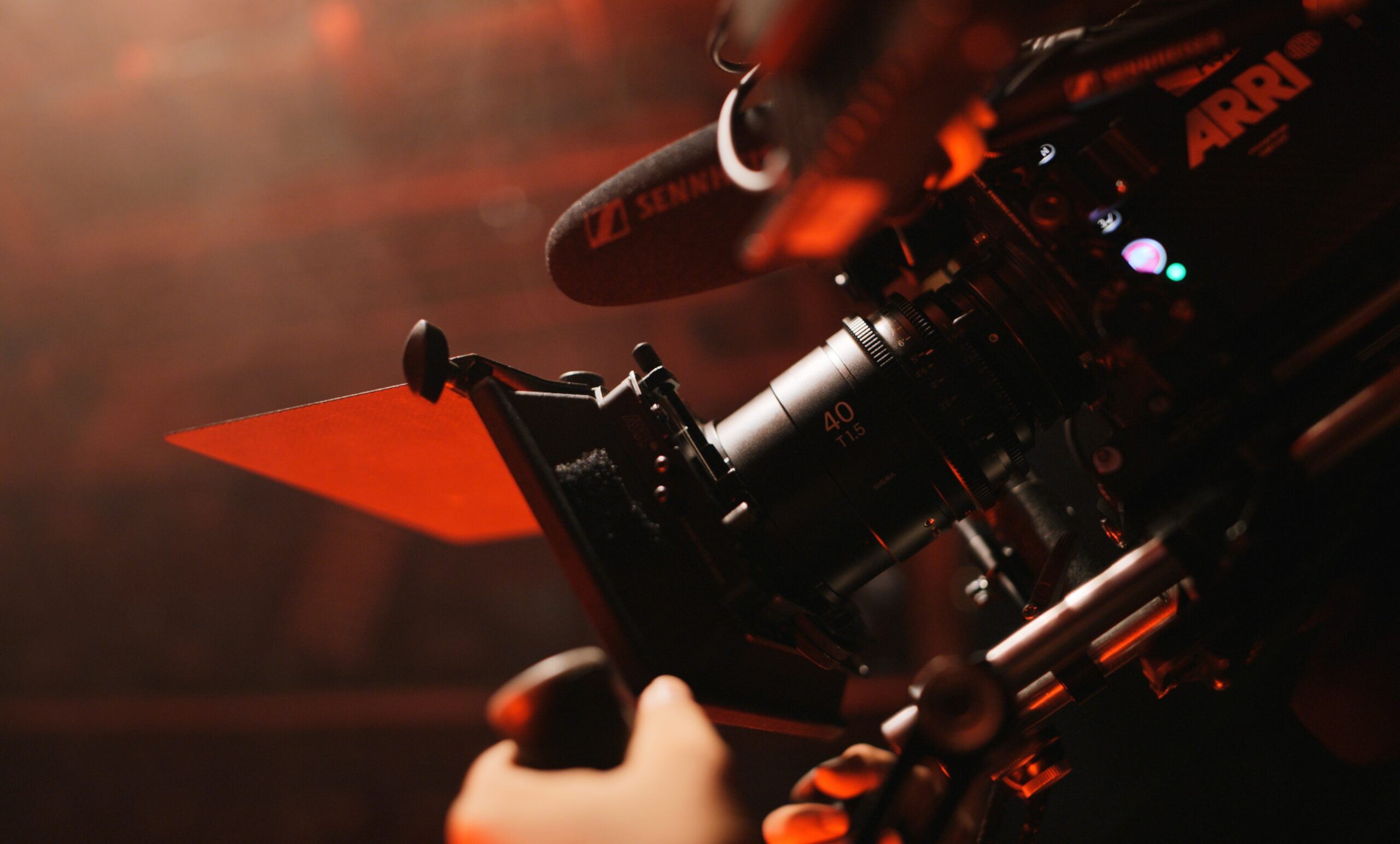
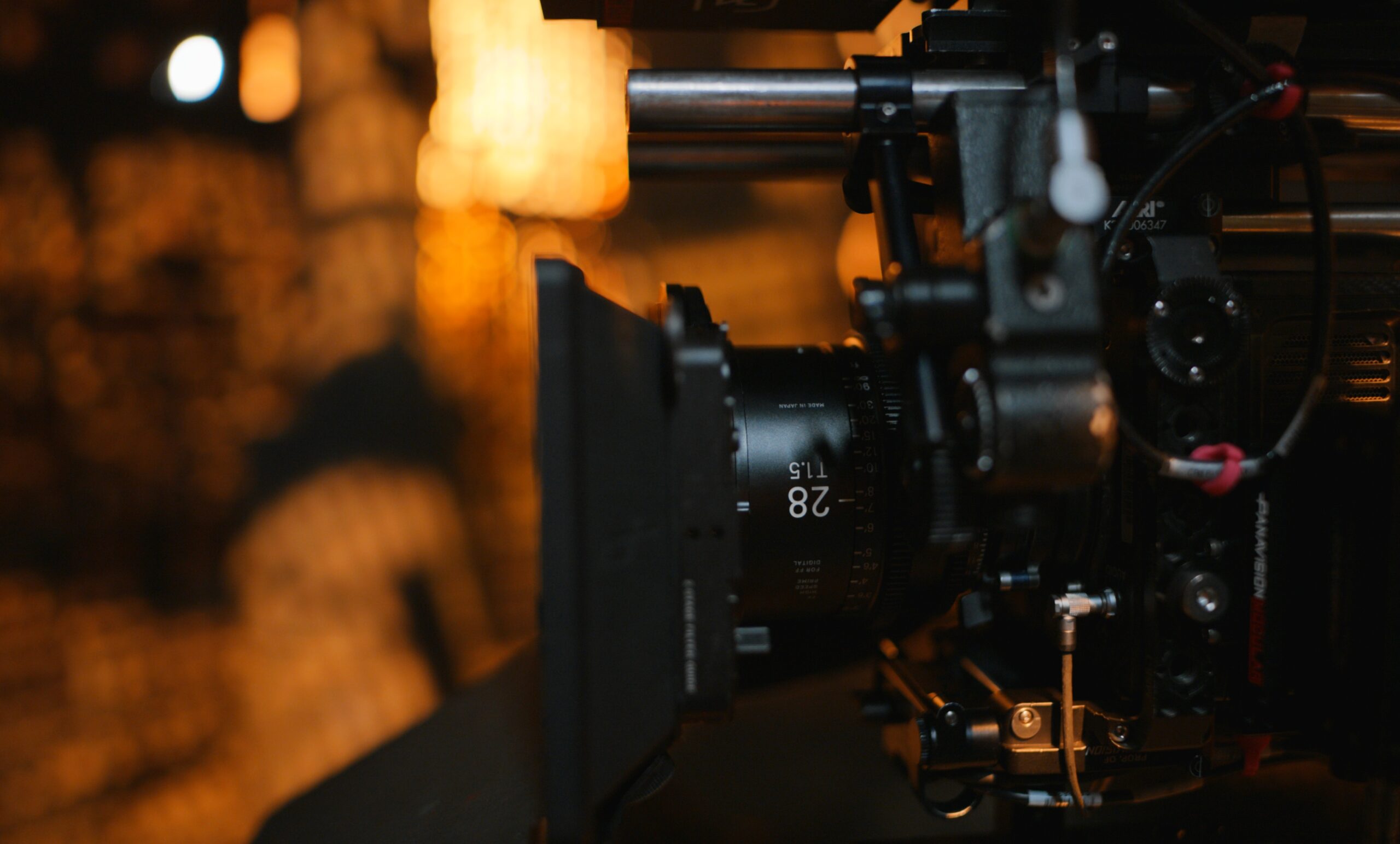
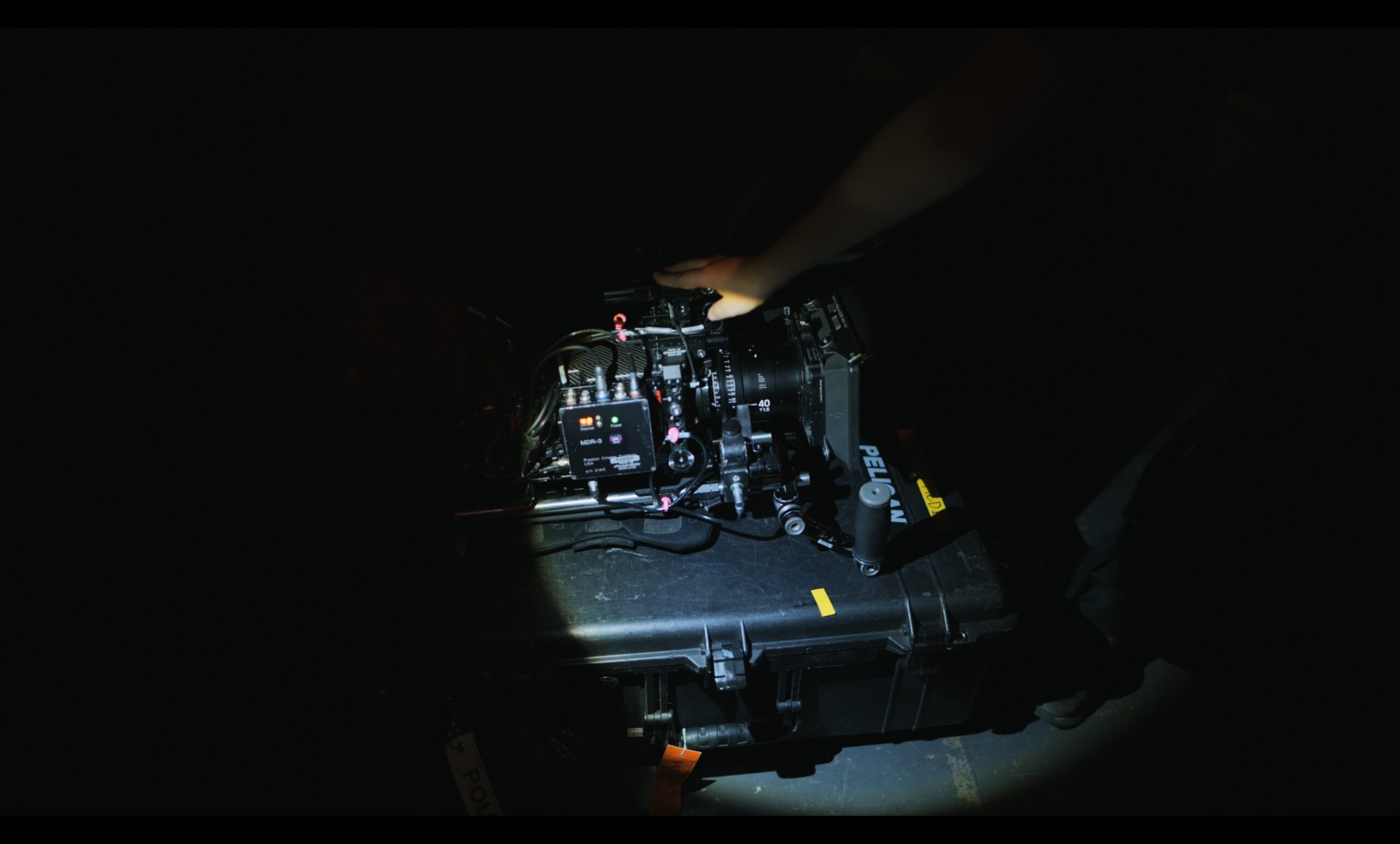
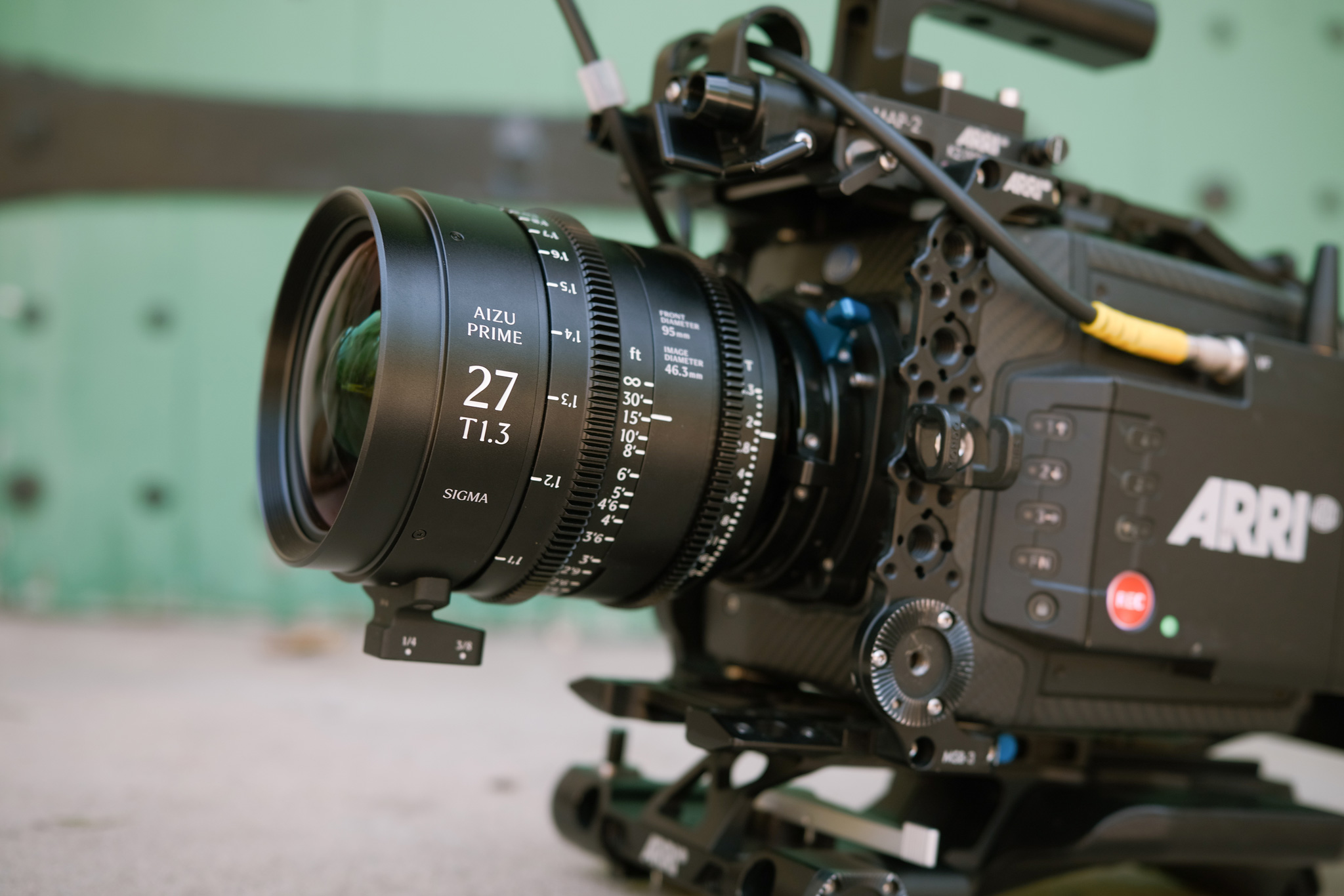
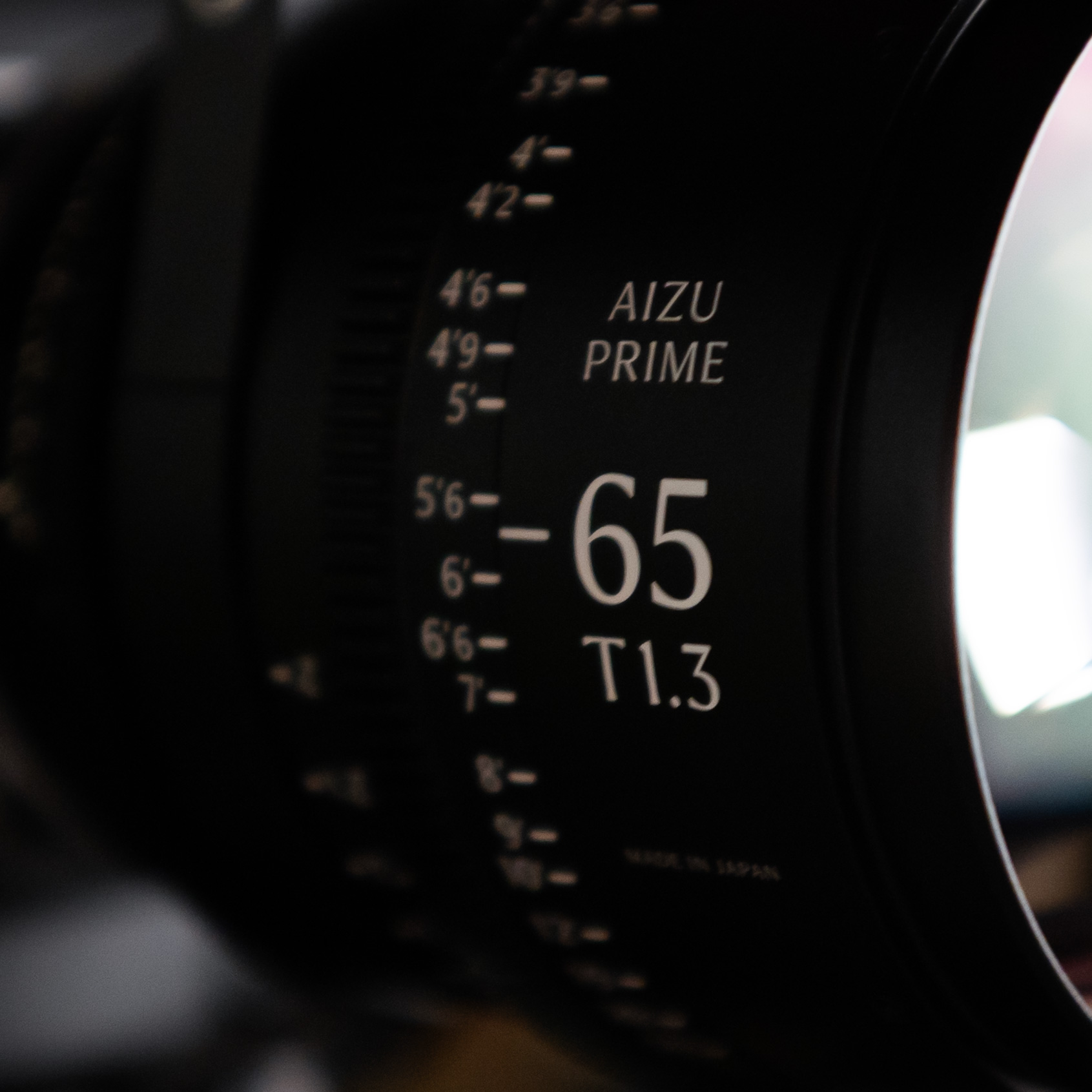
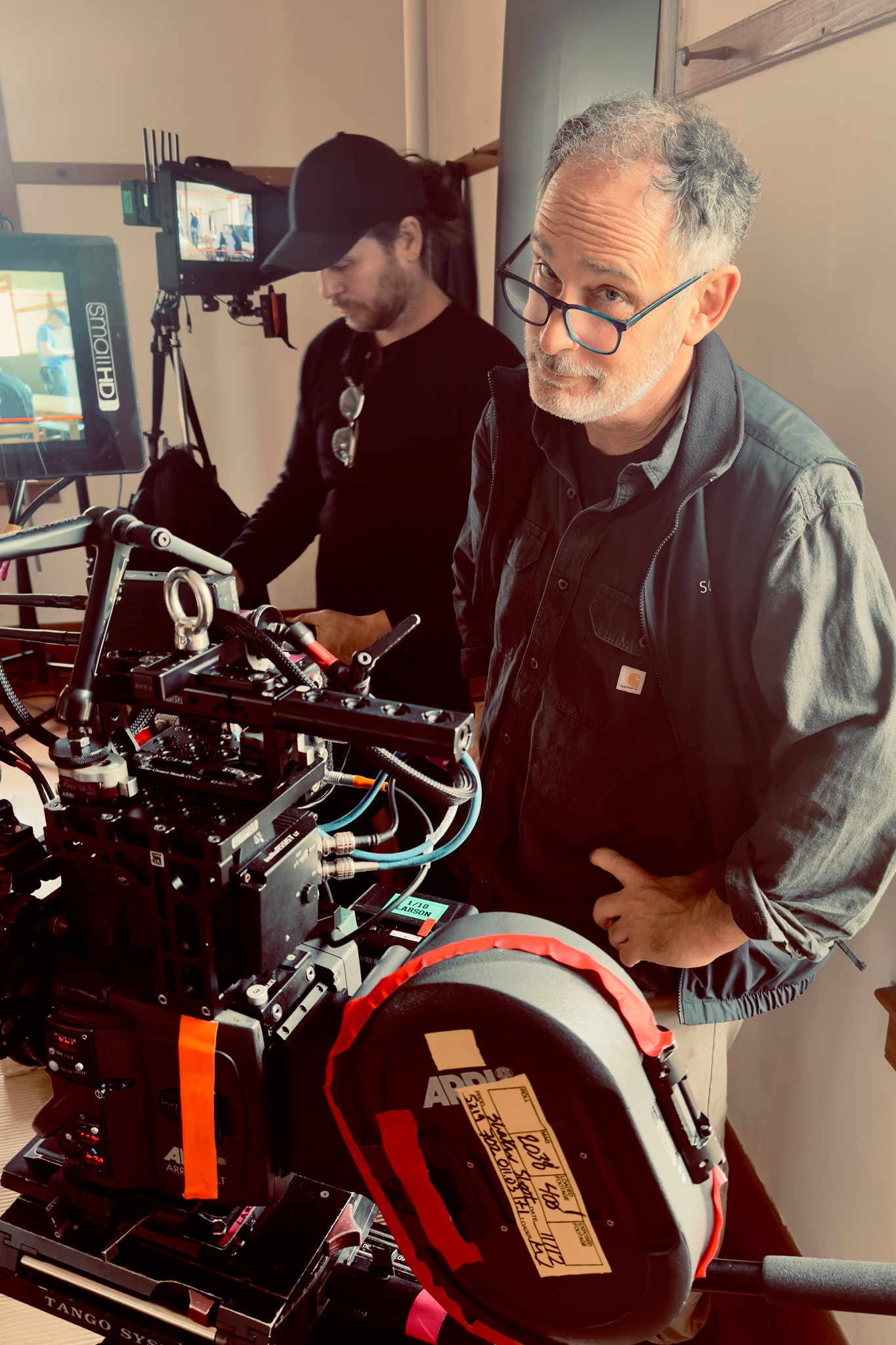
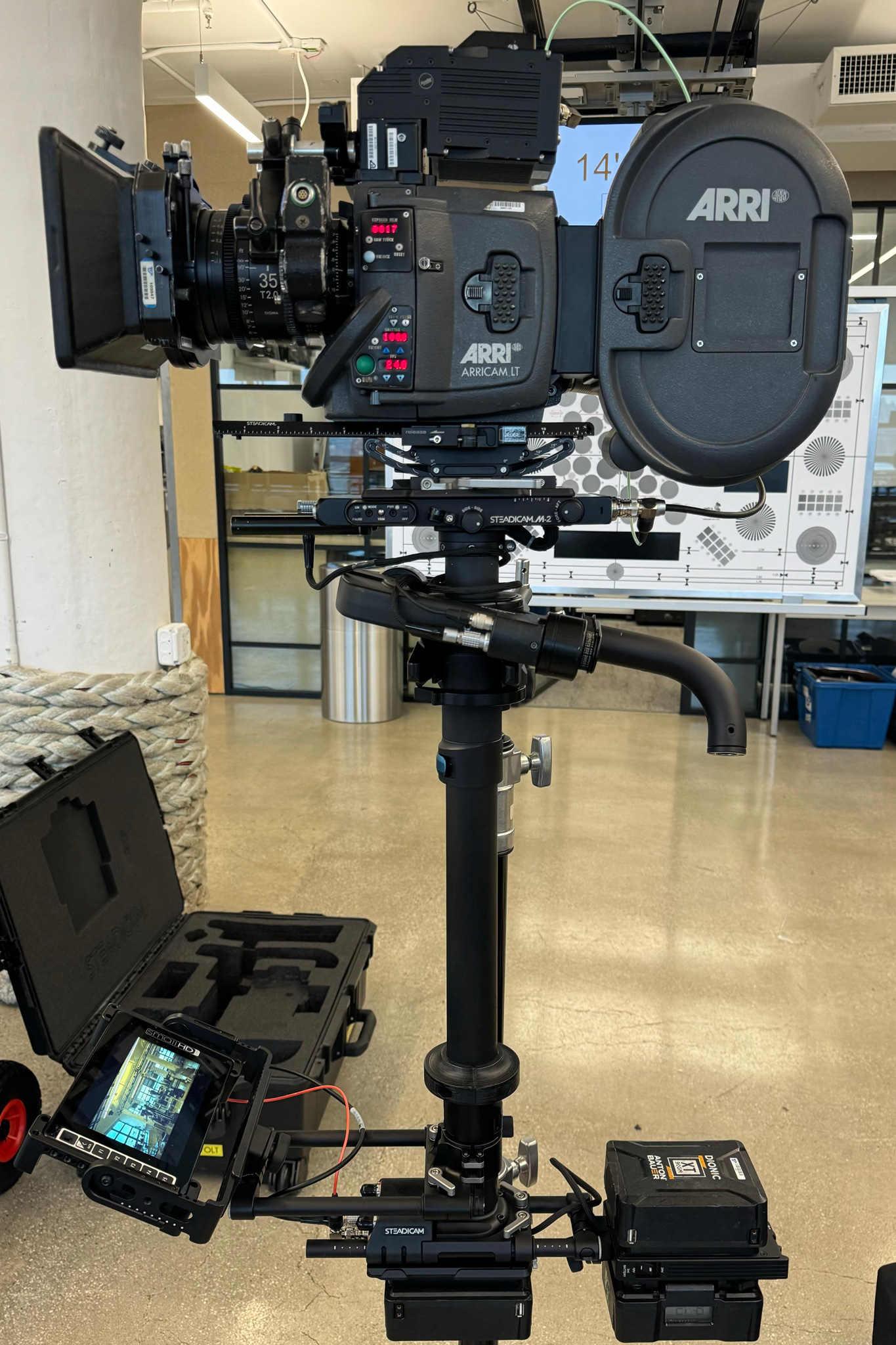
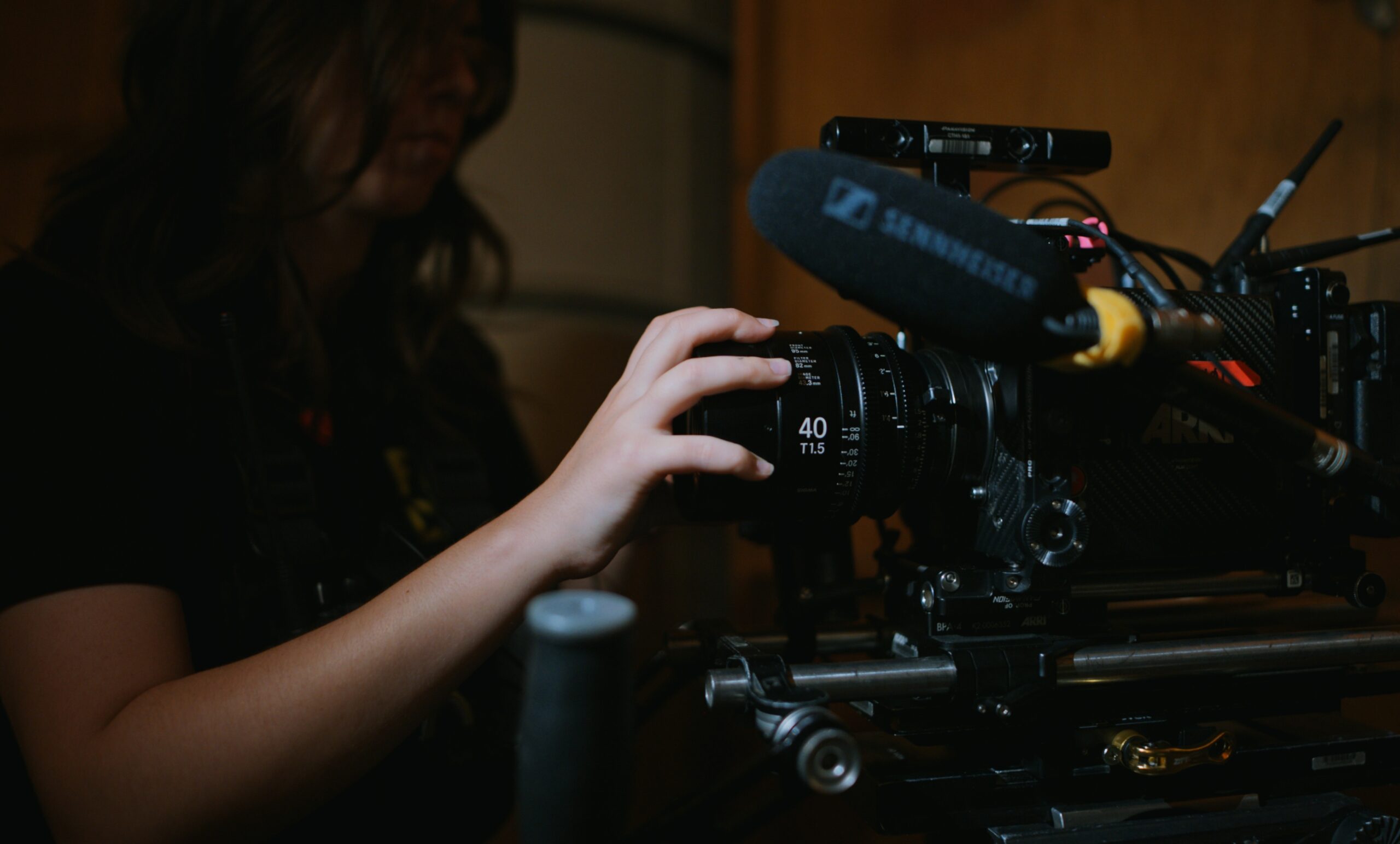
    We primarily used the T1.5 primes and the Classics occasionally for their flares. The 28mm, 40mm and 65mm were our go-to lenses. The Aizu Primes came out after we were finished with principal photography, but we used them for two scenes and flashbacks. We used the 27mm, 32mm, and the gorgeous 75mm.
    Sigma:

    Were there any specific artistic or logistical reasons for choosing your camera and lens combination?

    Rexer:

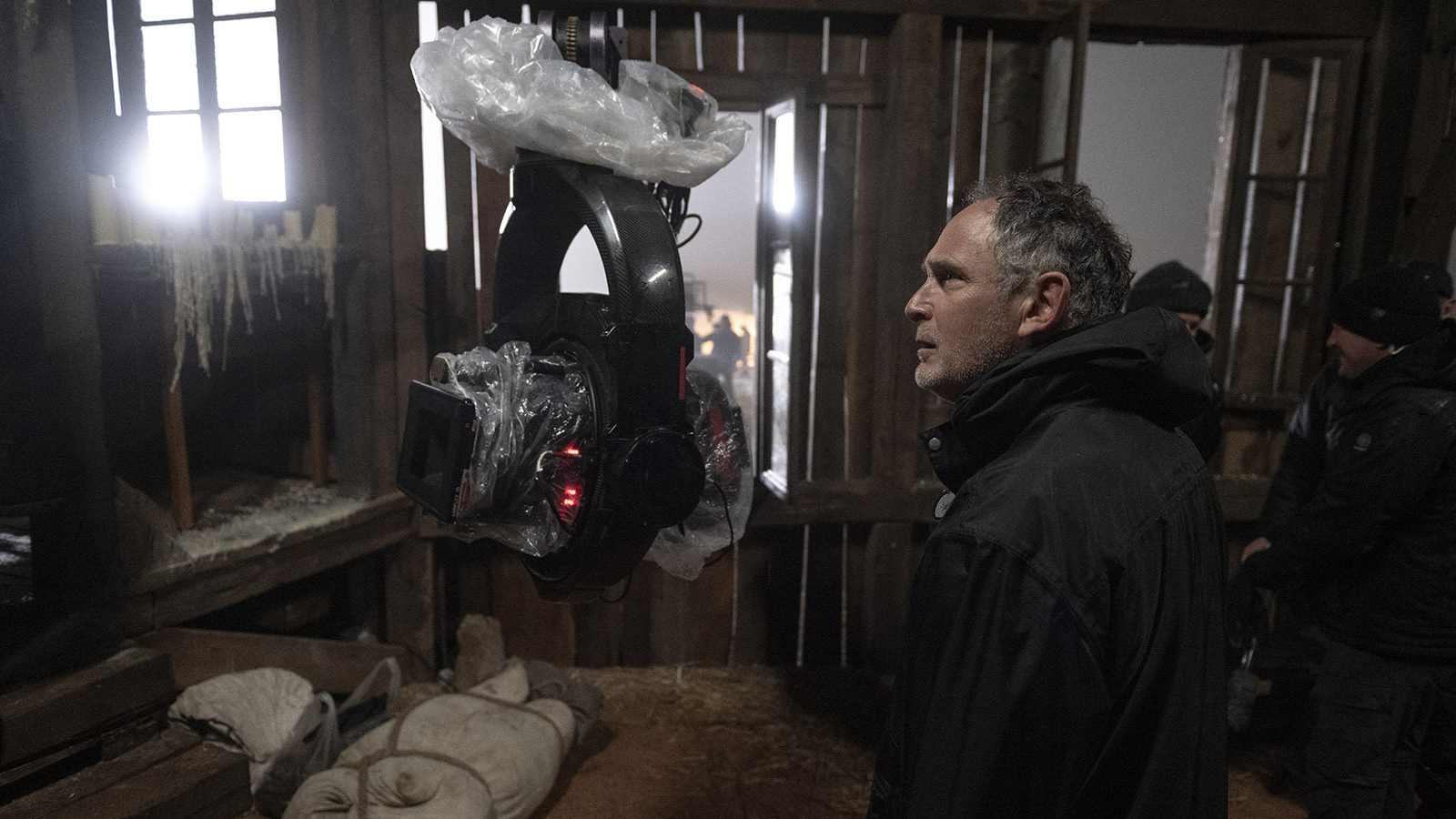
    We tested eight sets of lenses, all spherical. One consideration was how much candlelight we would be using, and the desire for a consistent, pleasing bokeh. Some of the other lenses tested created inconsistent bokeh or star patterns with our candles in the frame. Other considerations included separation, chromatic aberration, consistency through the set regarding color, speed (we were shooting in very low light situations) and size. The film has a lot of dance and handheld camera work. In a blind test, shooting our cast in various situations, the Sigmas won. Director Mona Fastvold and I picked them, and it was a very clear choice.
    Sigma:

    Can you share your overall experience working on the film and how you felt the Sigma lenses performed?

    Rexer:

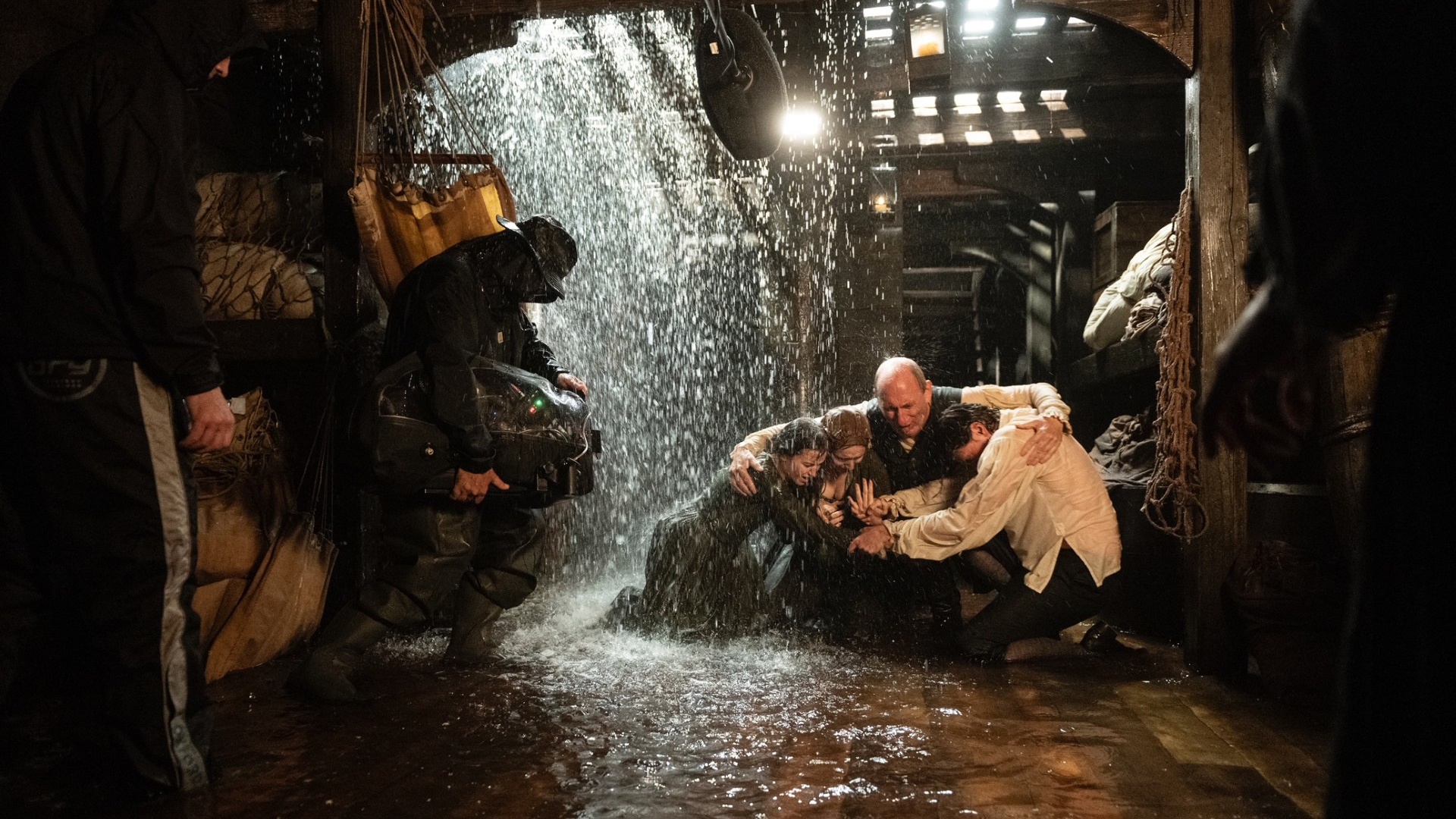
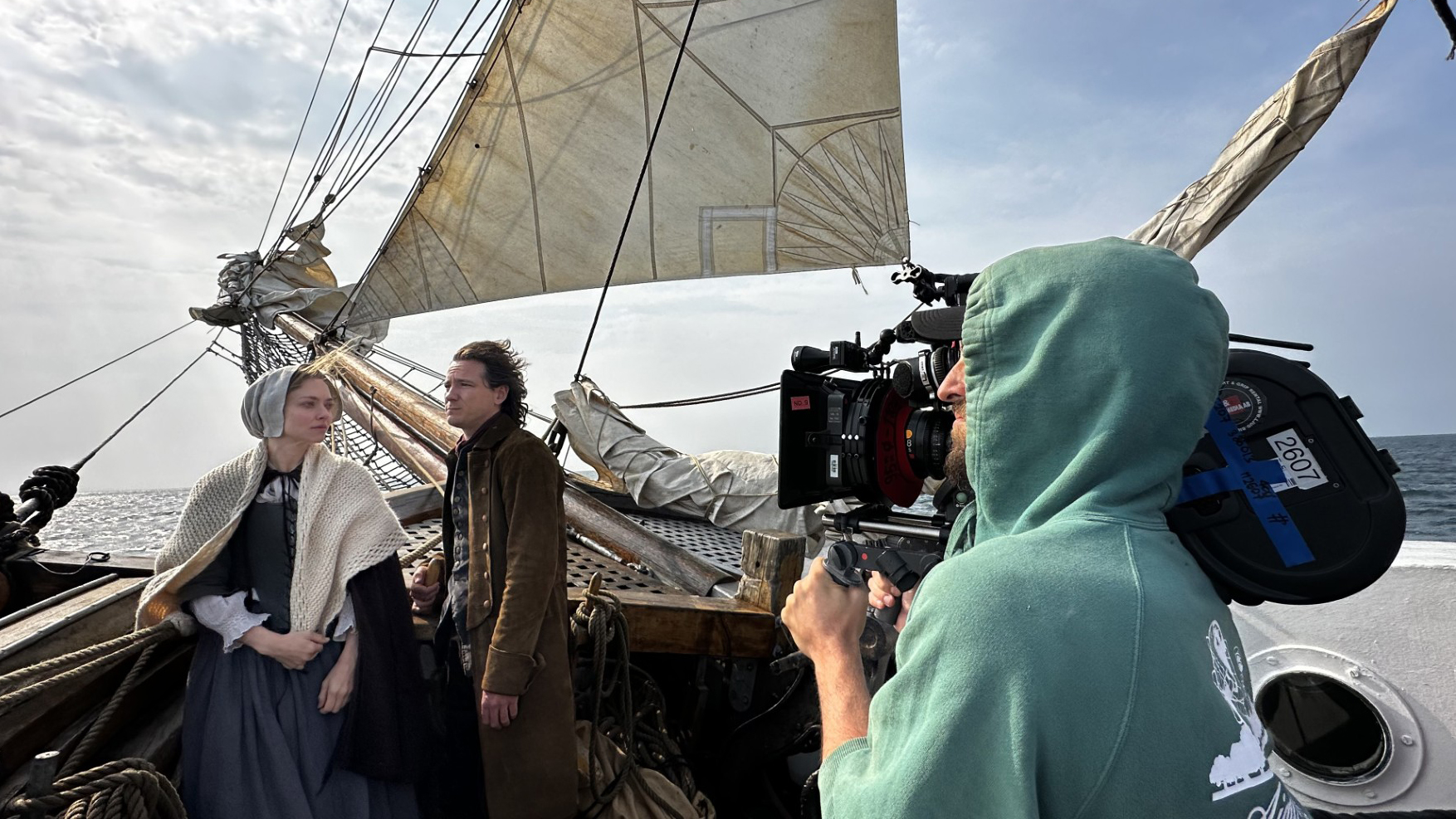
    The lenses performed beautifully. We shot in tough conditions, on ships at sea in Sweden, in the heat and dust of an unusually warm Hungarian summer, and in rain and snow. These lenses were chosen because they look great, but they also held up. Functionality is important. I have used my Sigma Cine set on multiple films and series, and have found them incredibly reliable. They have not let me down yet.
    Sigma:

    Is there any moment or scene in the film that you are particularly proud of, or you would like audiences to notice or special attention to?

    Rexer:

    The film has many moments that I am proud of. We wanted to stay away from the ordinary, and we ask the audience to come on this journey. Caravaggio was our reference. The old masters were our inspiration.
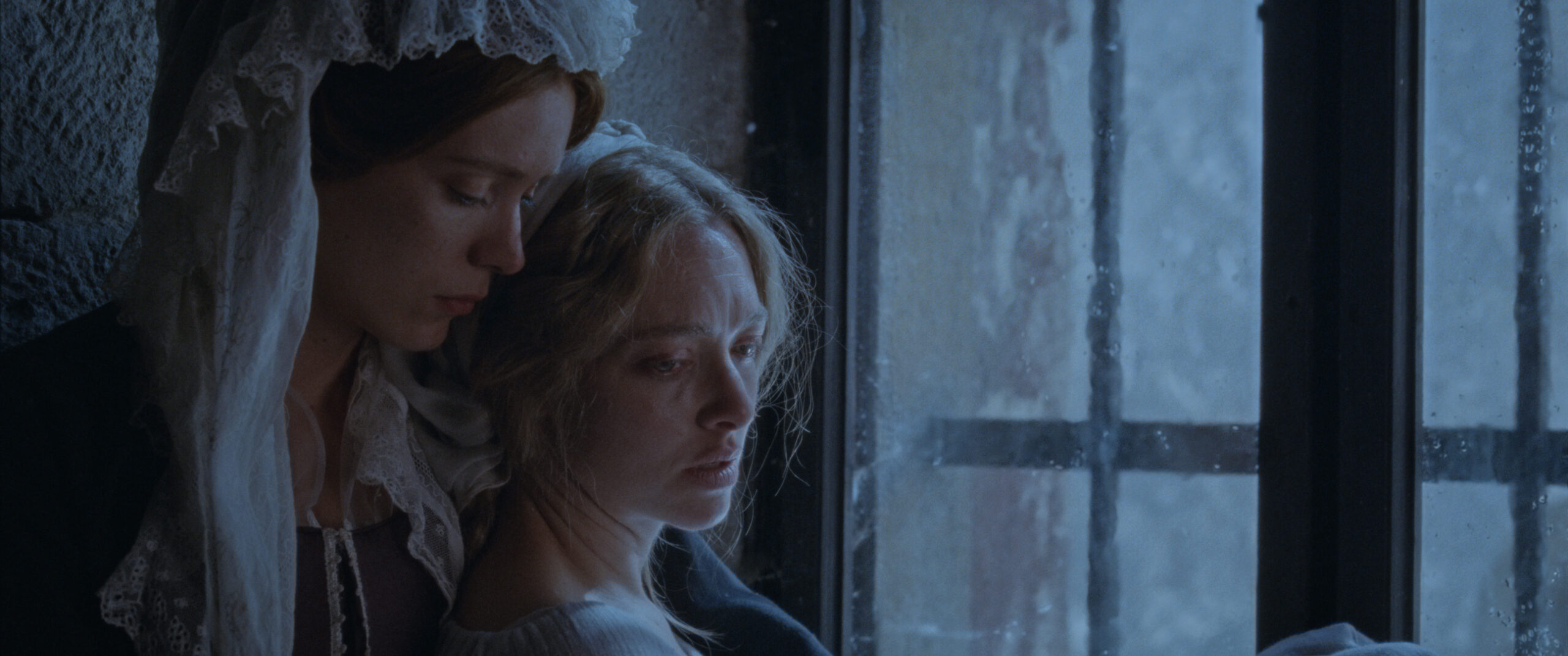
    The sequence leading up to and including the song “Hunger and Thirst” is a moment I am extremely proud of. Amanda is in a dark prison cell and the sun slowly rises, striking the ground and eventually her. The scene plays with darkness and shadow and lens flares demonstrating the ability of these lenses to retain contrast and character in very extreme lighting conditions. Sam Ellison, my A-operator and second Unit DP, did an extraordinary work in this sequence; it’s an intimate dance he does with Amanda Seyfried, discovering each gesture for the audience. Daniel’s score, Sam Bader’s set, both perfect. It’s beautiful.
    Sigma:

    What is something you hope people take away from your work on this film?

    Rexer:

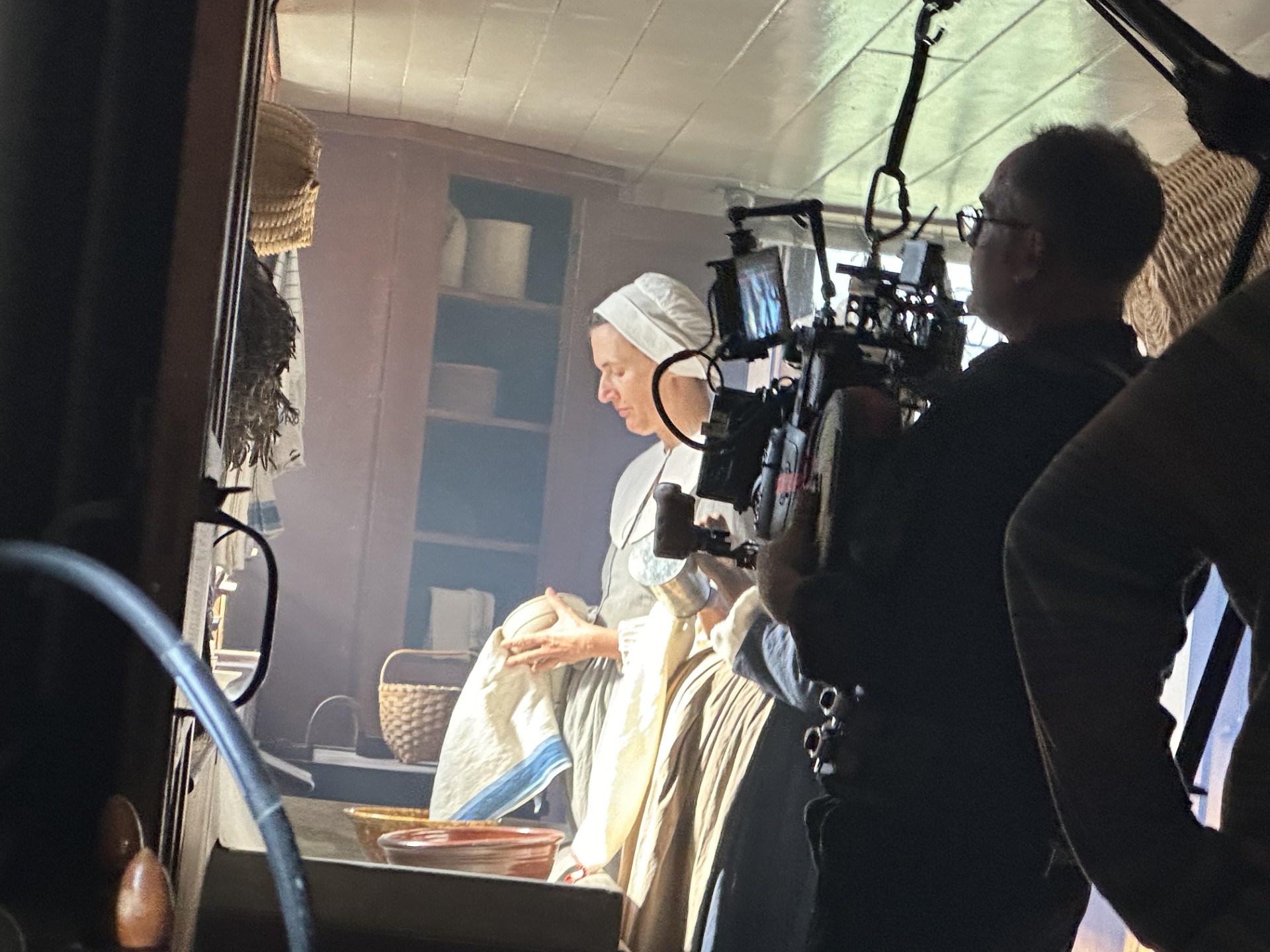
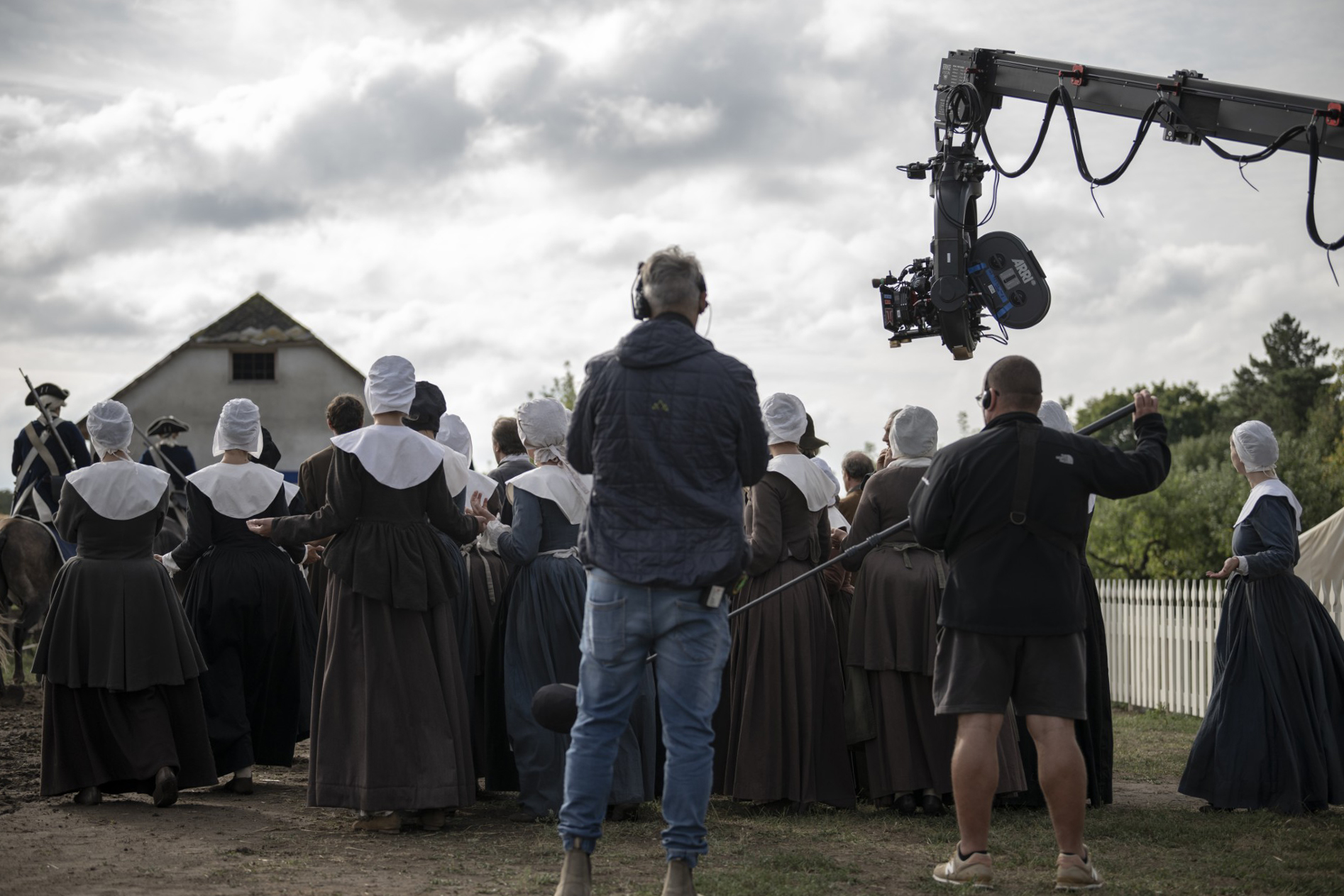
    I love what I do. I love working with talented directors and going all out. Mona Fastvold is truly special. Daniel Blumberg, our composer, is a genius; Celia Rowlson-Hall’s choreography is stunning; Amanda is one of a kind. Making a film is making yourself incredibly vulnerable. We, as a team, made a decision to shoot on film, to light environmentally, to use daylight and candles as our main sources (or justification for lighting) and to keep a small crew that could work collaboratively. Mona created an artistic family and we, like the Shakers, worked because we were inspired. This was a unique experience.

    I hope people get transported. I did not want this film to look like what people see everyday. My goal was to give them something very old and at the same time new.
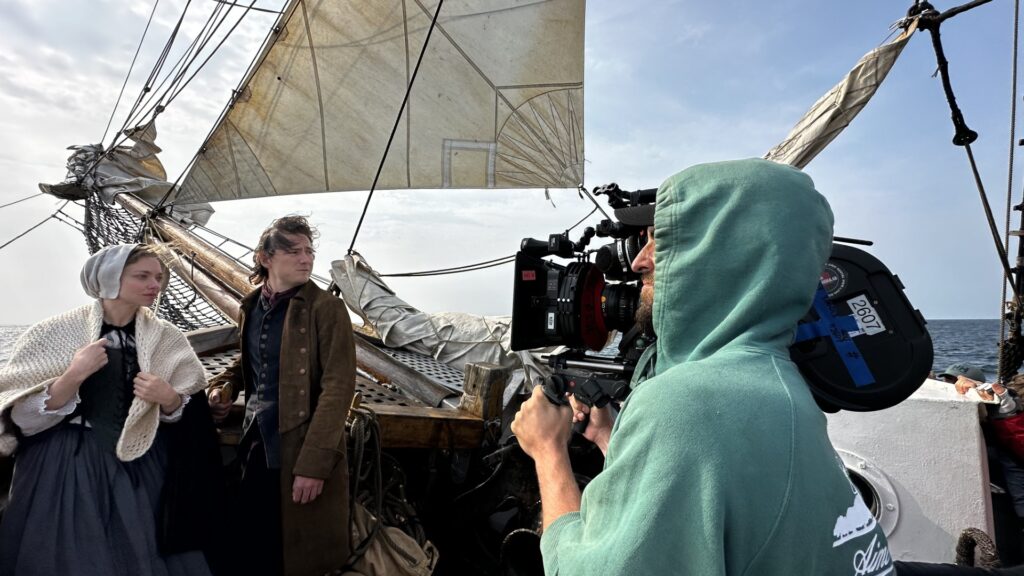

    The Testament of Ann Lee

    Director: Mona Fastvold
    Producers include: Mona Fastvold, Brady Corbet, Andrew Morrison
    DP: William Rexer, ASC
    A operator/2nd Unit DP: Sam Ellison
    AC: György Horváth

    [ad_2]

    Source link
  • Capturing the Essence of African Artists with Sigma Cine Lenses

    Capturing the Essence of African Artists with Sigma Cine Lenses

    [ad_1]

    One of the greatest decisions you’ll ever make as a filmmaker heading into the field is choosing your camera rig. It’s not just about gear — it’s about committing to a creative mindset, a visual language. Like a warrior sharpening their blade before battle, your lens choice prepares you to engage with what lies ahead. And in the world of documentary filmmaking, where unpredictability is your constant companion, your gear needs to be as resilient and refined as your vision.

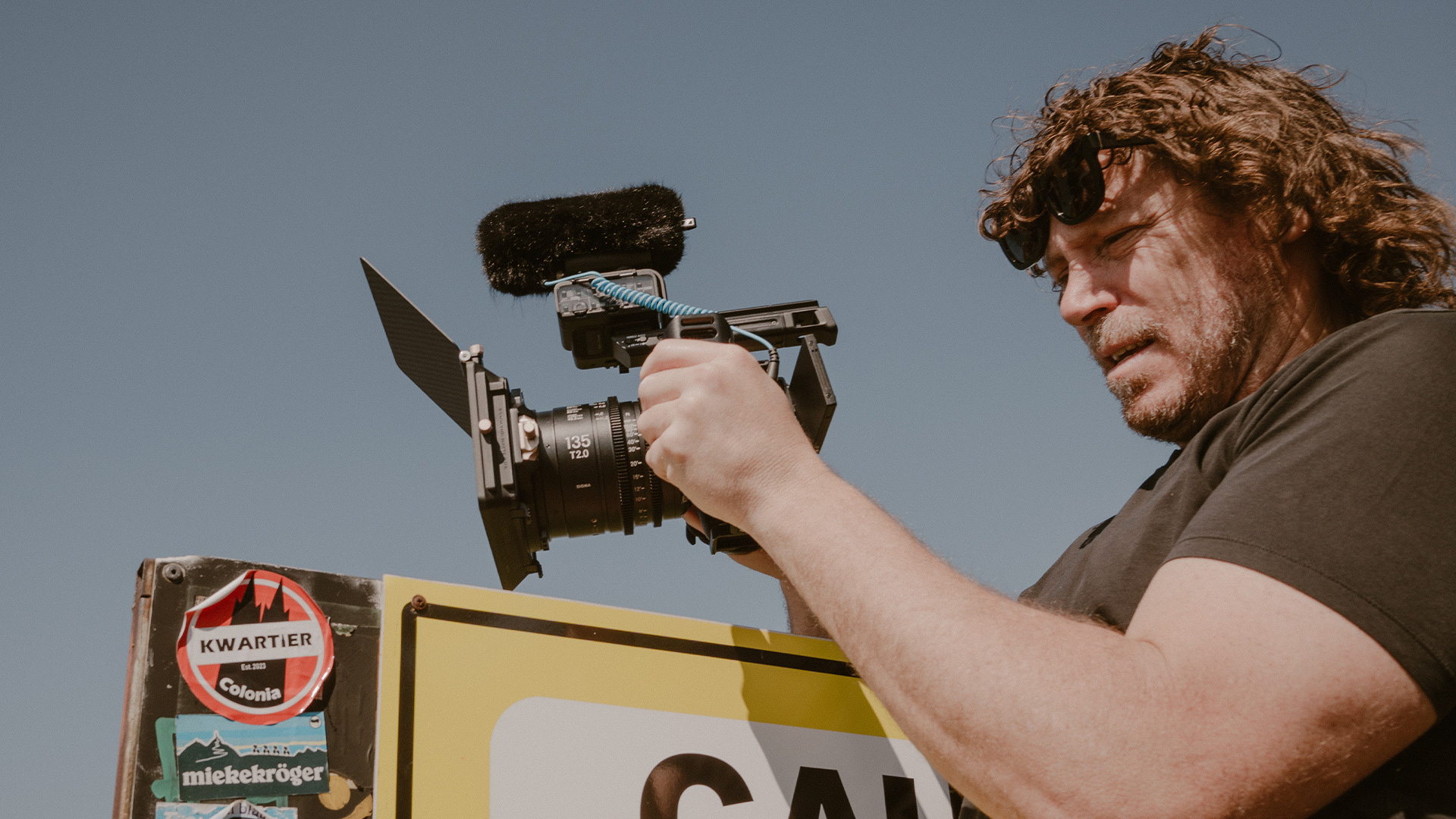
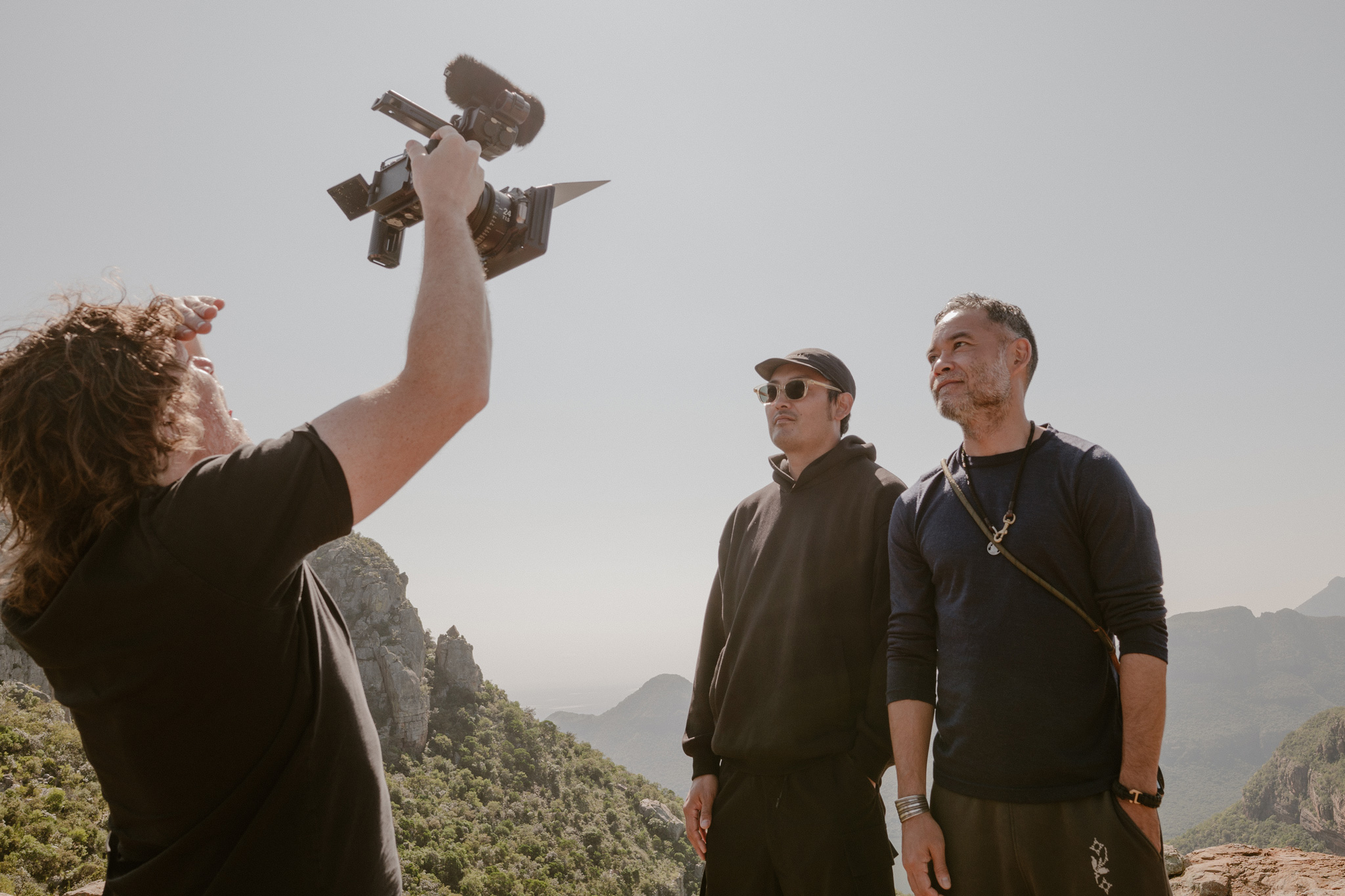
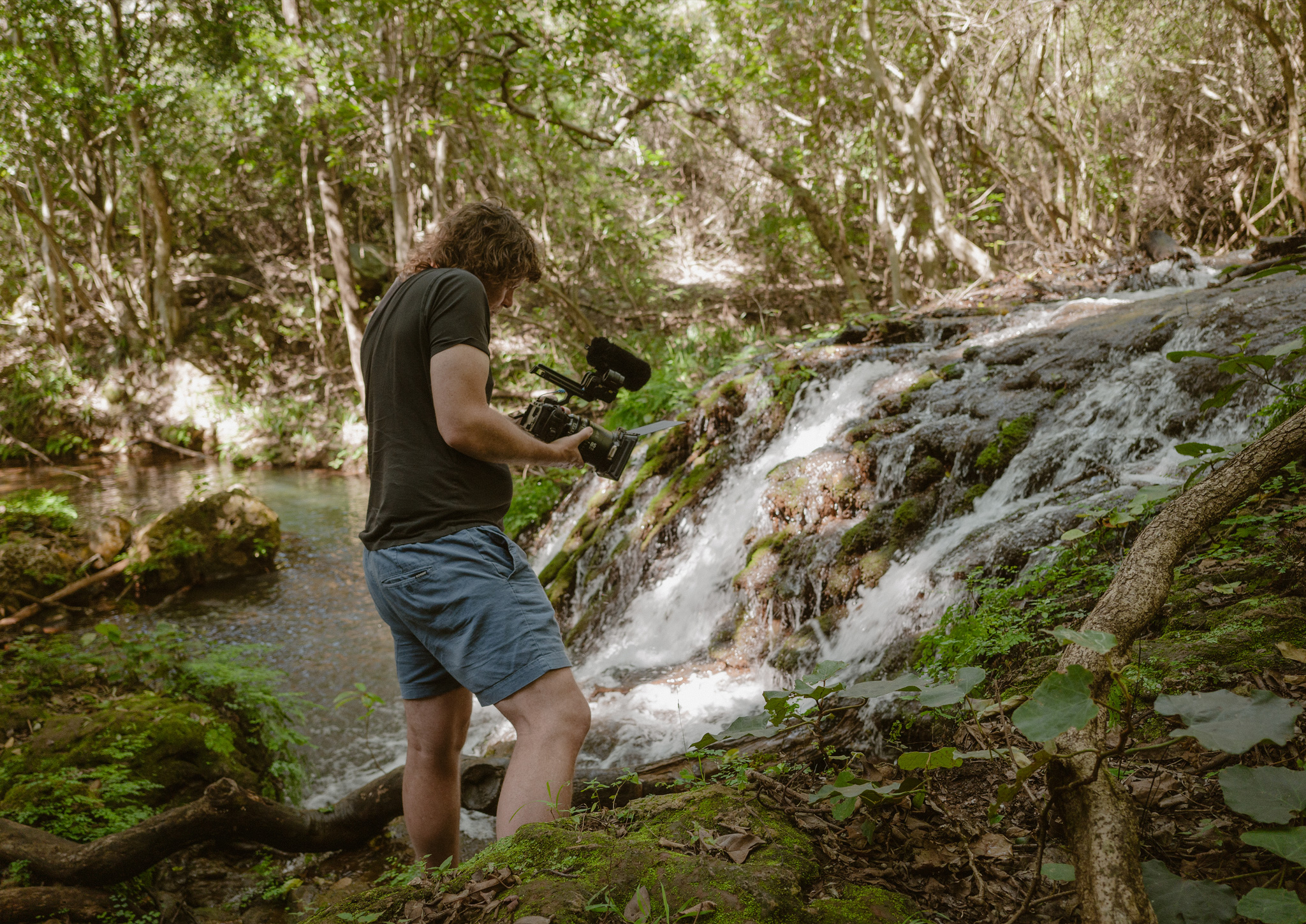
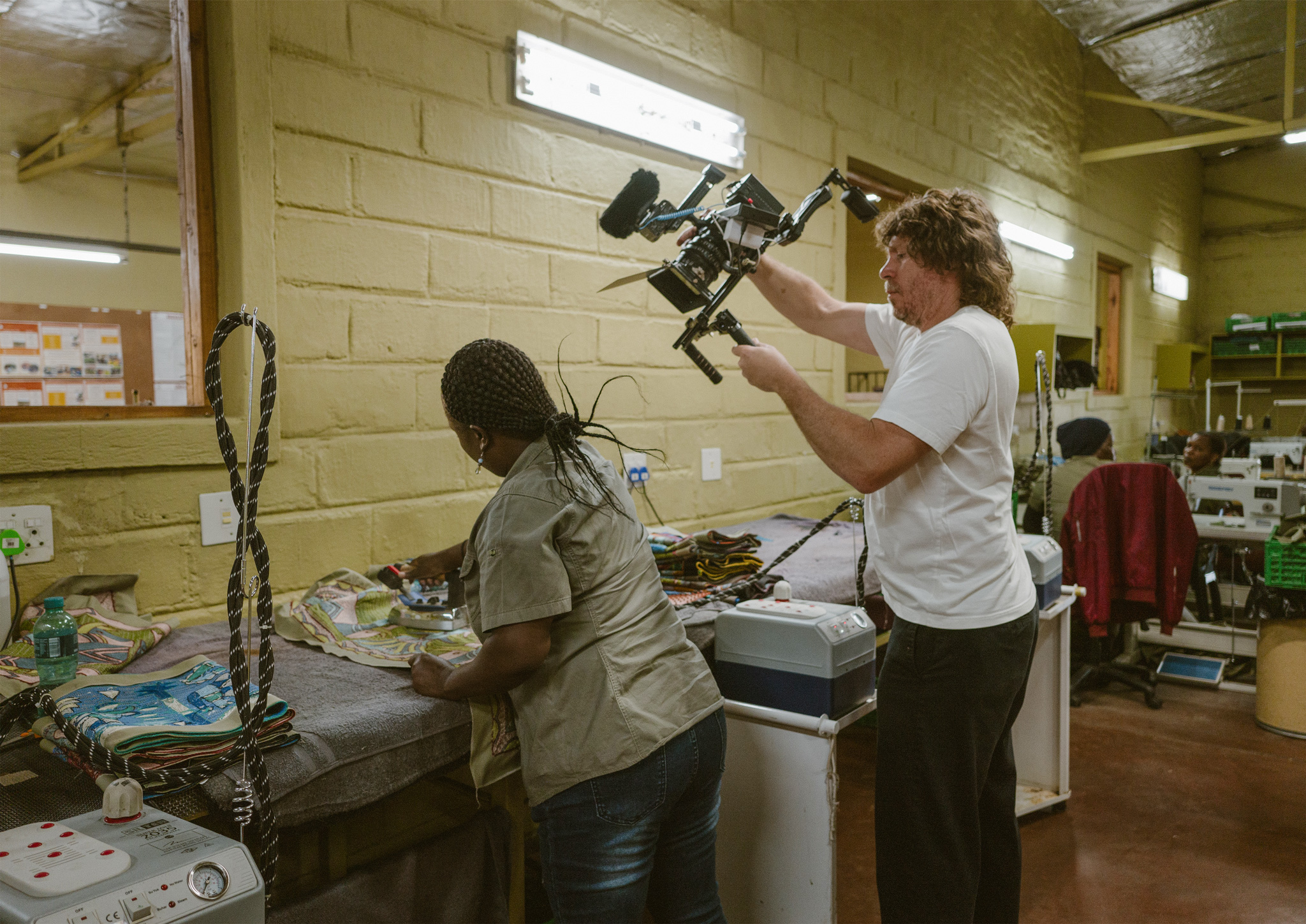
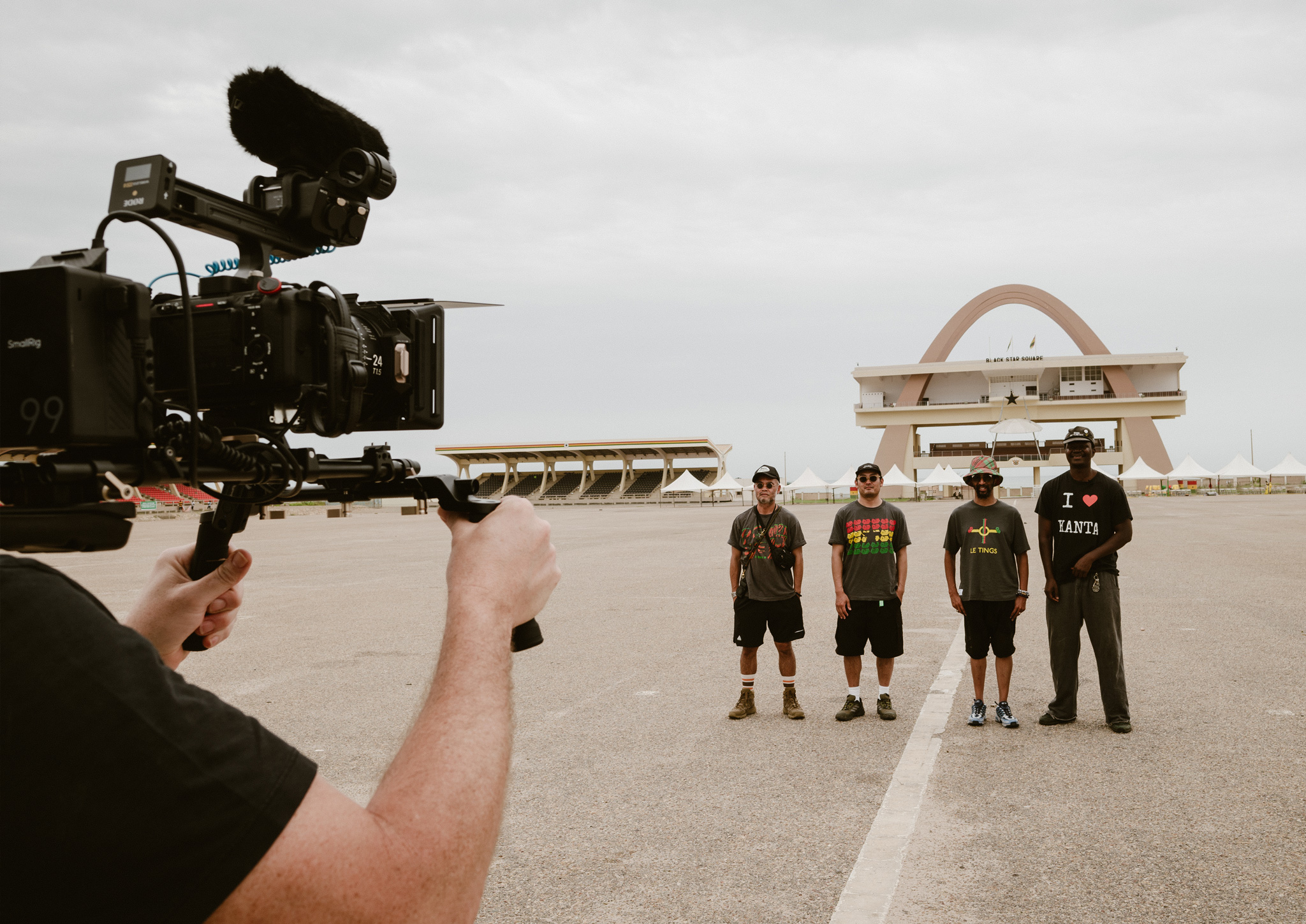
    Recently, I had the privilege of joining the visionary Japanese brand, The Inoue Brothers, on a two-week odyssey across Ghana and South Africa. Our mission: to discover artisans whose ancient crafts would form the heart of a socially impactful new collection. It was a journey into the tactile, the sacred, and the raw — the very essence of storytelling through image.

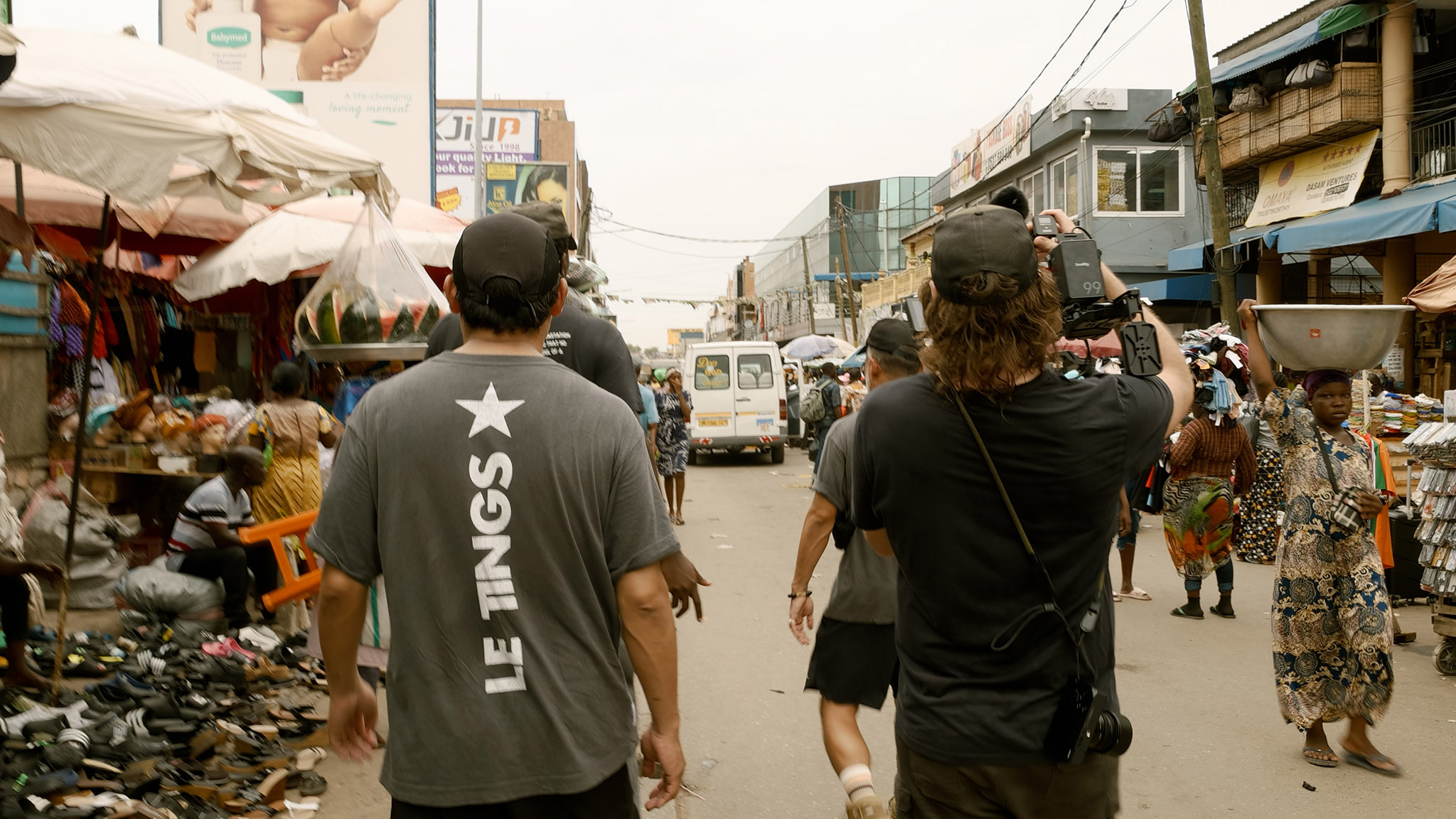
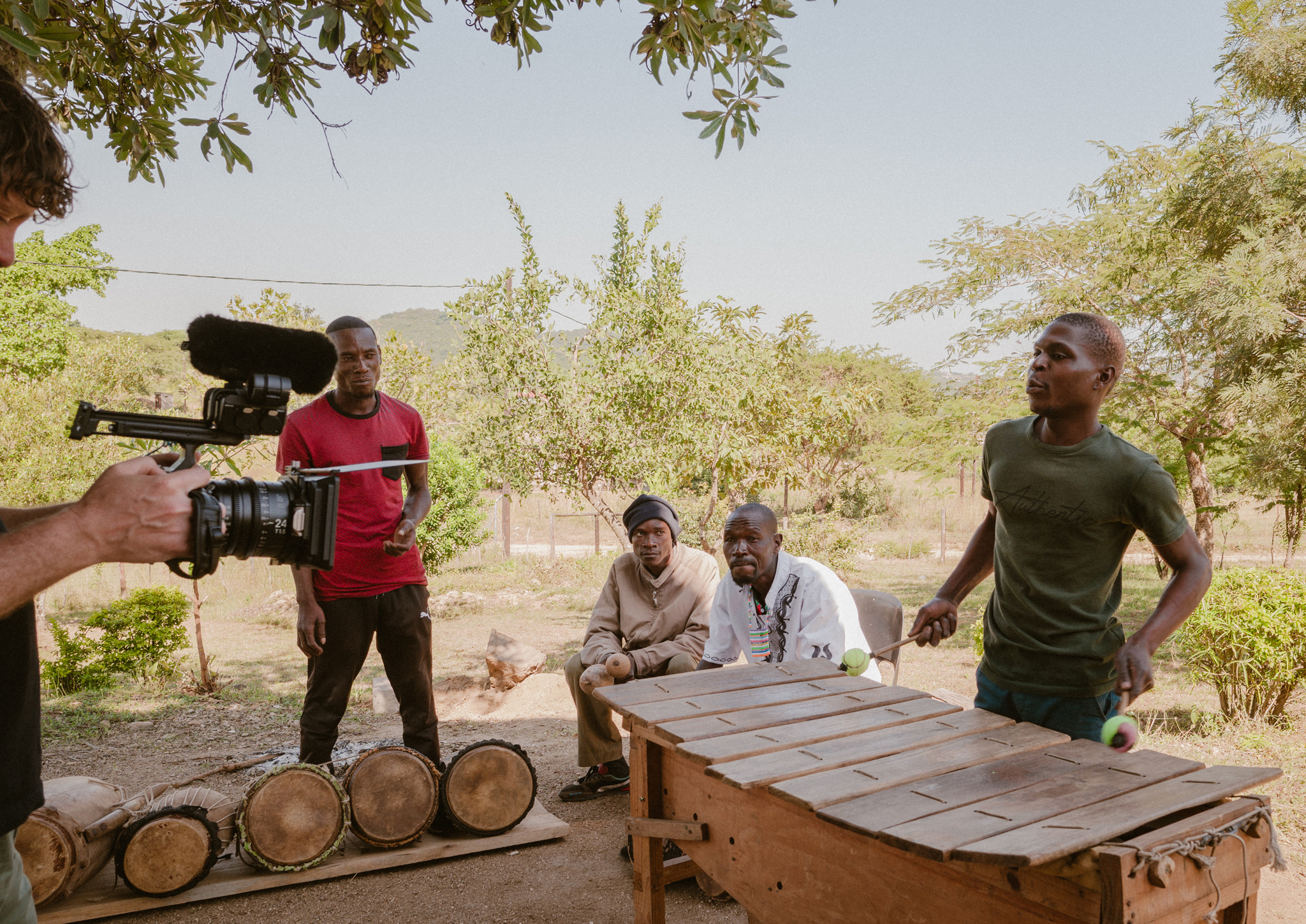
    From the sprawling, chaotic arteries of Accra’s Kantamanto Market to the humid, emerald depths of South Africa’s Limpopo rainforests and savannas, we were chasing moments — those ephemeral truths that live between hands that weave, eyes that sculpt, and communities that create. Joining me on this extraordinary journey? A carefully curated set of four Sigma Cine prime lenses.


    Into the Labyrinth: Kantamanto Market, Accra

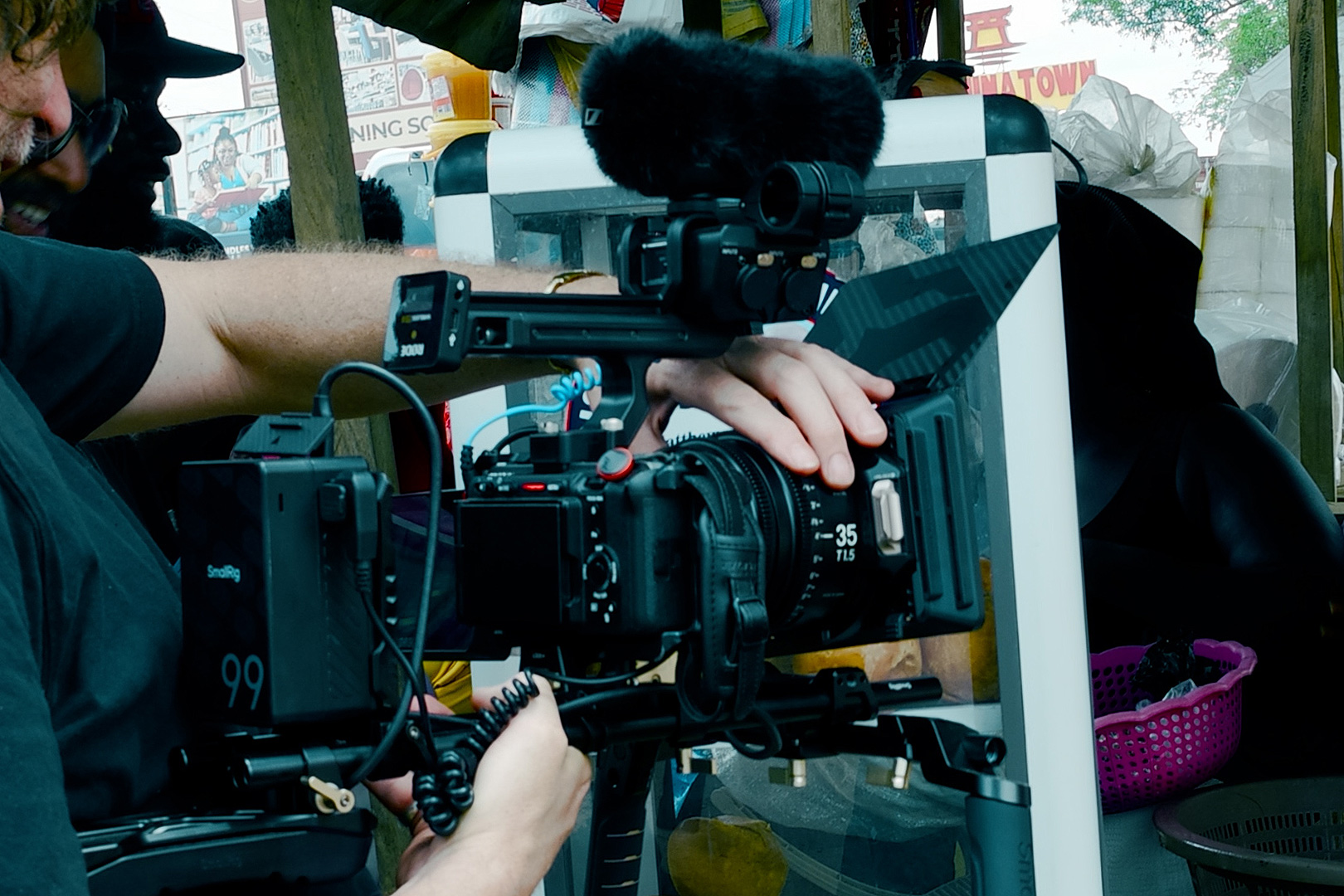
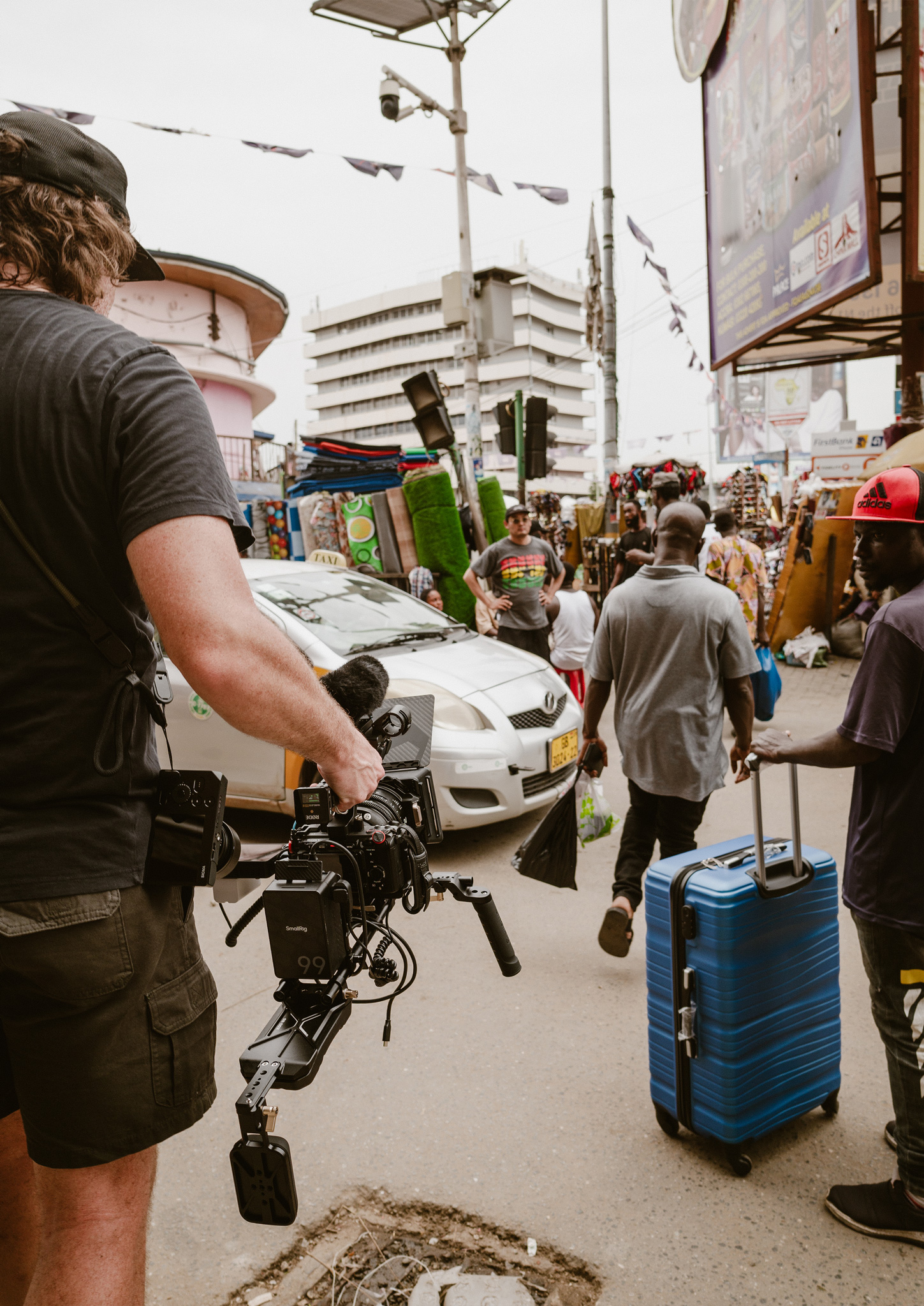
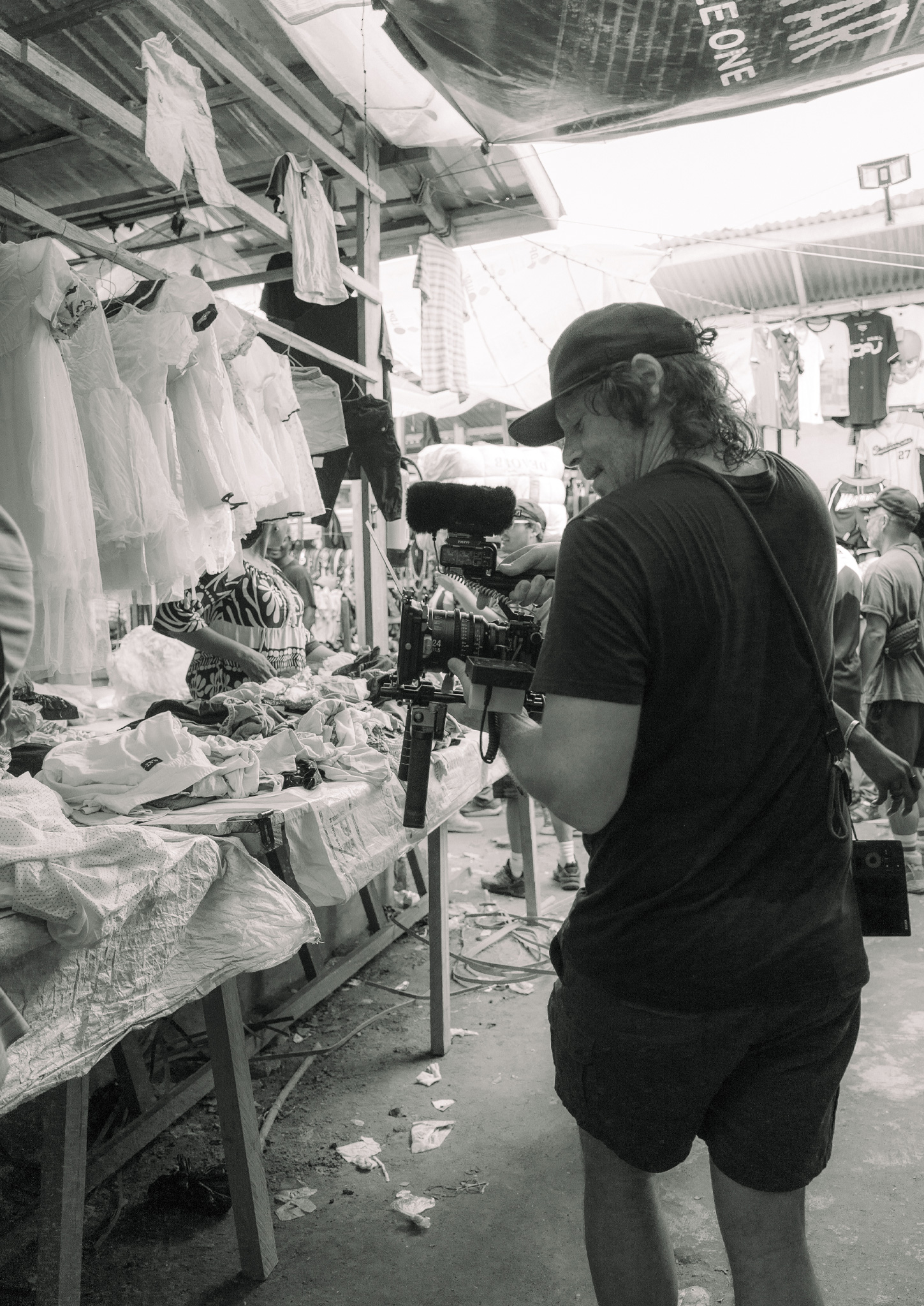
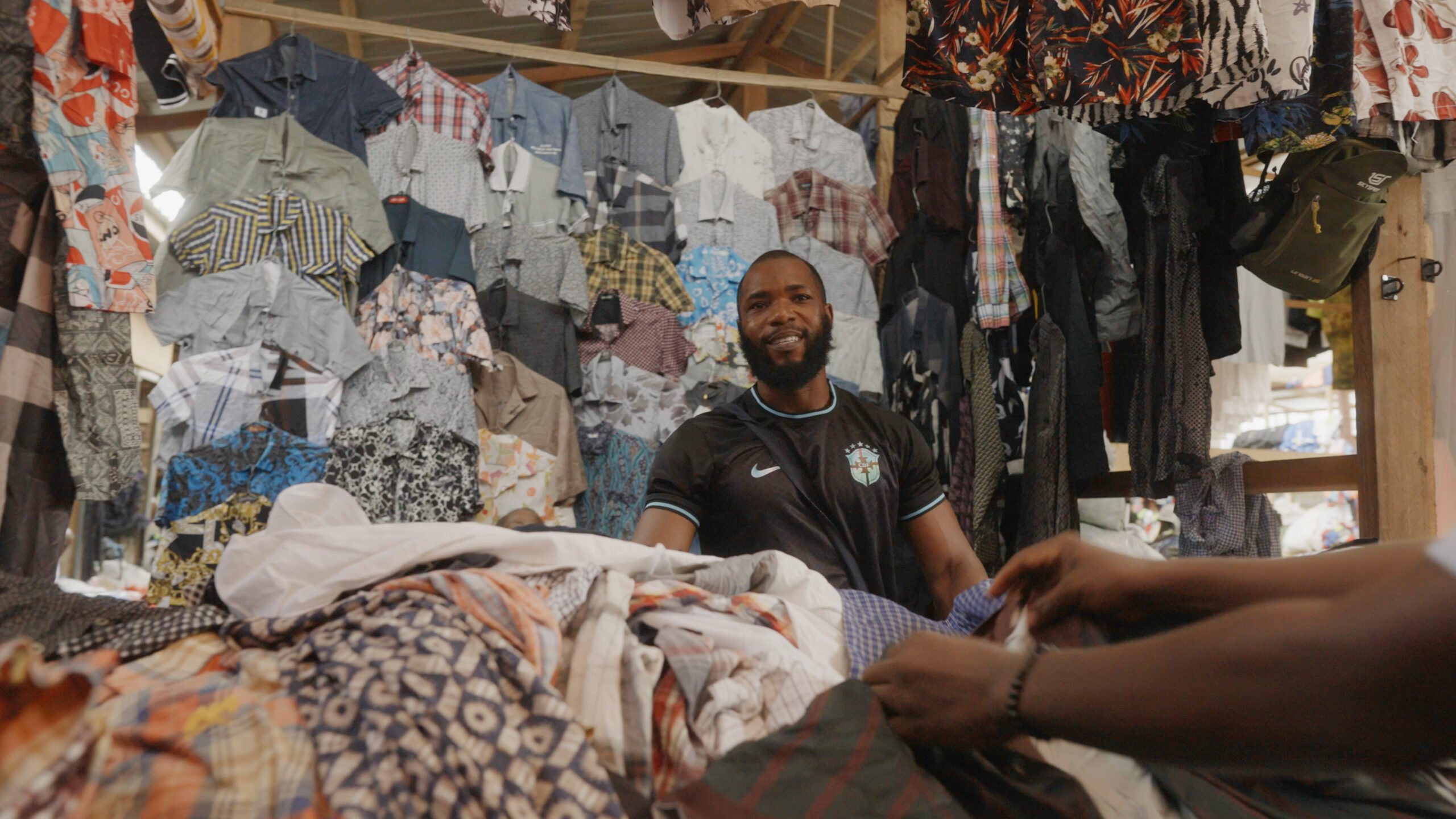
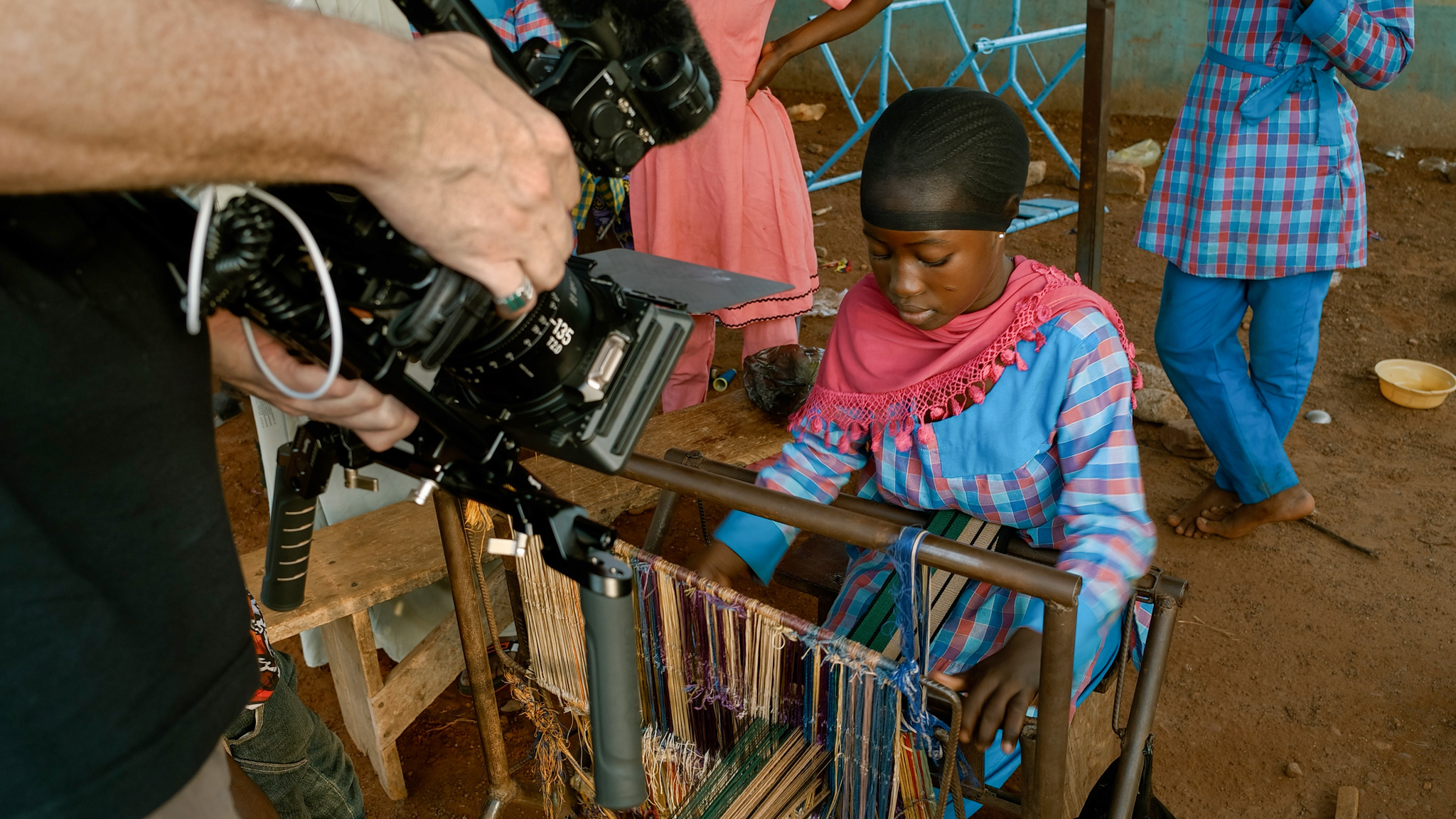
    Our journey began in Ghana, inside the living organism that is Kantamanto — the largest secondhand clothing market in the world. Tens of thousands of people flowed like rivers through a dense labyrinth of textile and trade. I initially leaned into my favorite lens, the Sigma Cine 35mm T1.5 FF, which to me is the storytelling workhorse. If I had to shoot an entire feature film on one lens, this would be it. It’s intimate, true, versatile, and cinematic.

    But Katamanto demanded something wider. The sheer scale of humanity and chaos unfolding before us called for a broader perspective. That’s when the Sigma Cine 24mm T1.5 FF became indispensable. It allowed me to glide through crowds, to duck into alleyways and stalls, and to capture the scale and intensity of human movement. With it, I could place the viewer right there in the midst of the fray — smelling the smoke, hearing the barter, seeing the faces.

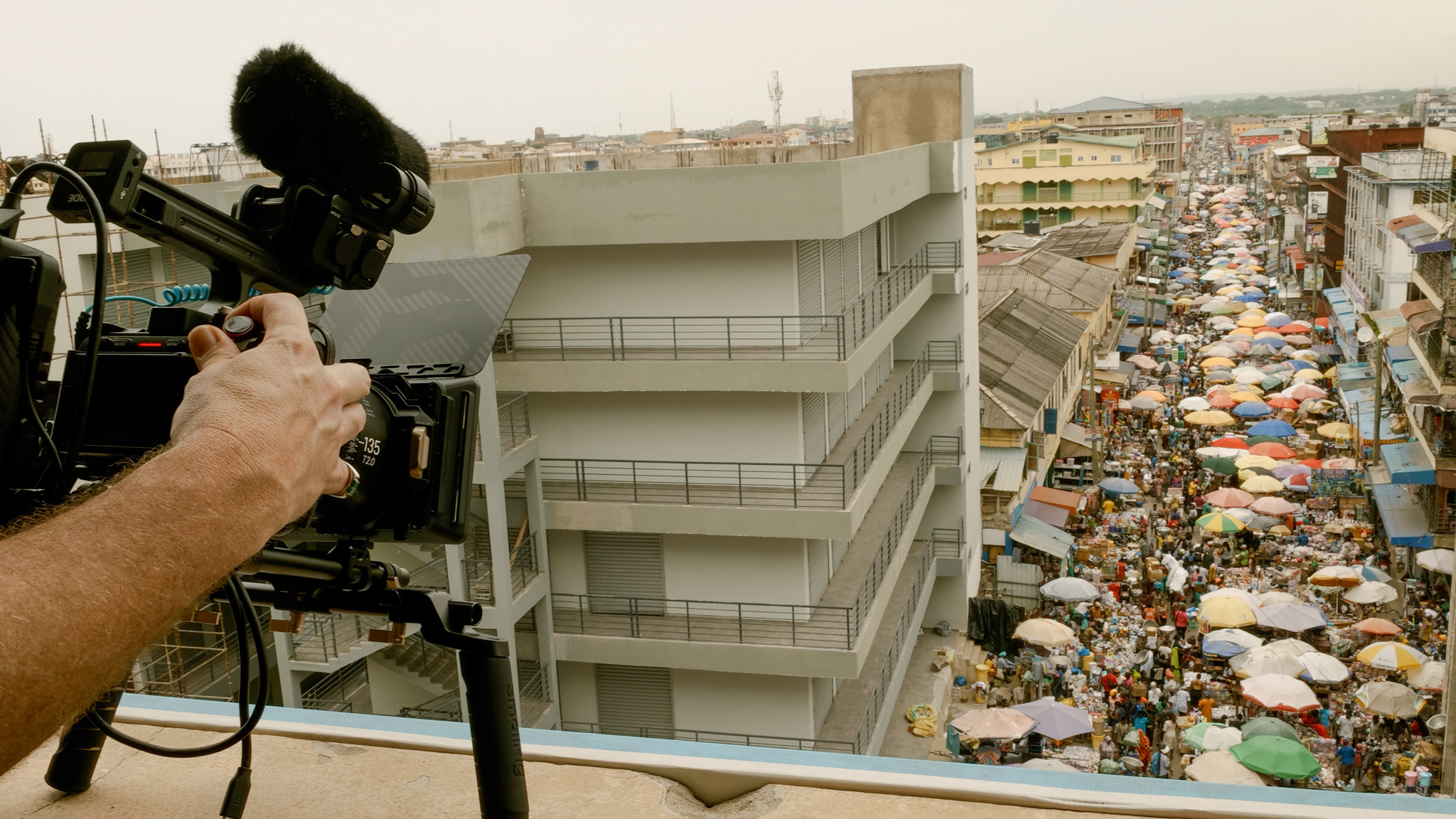
    One particular moment remains etched in my mind: standing on a rooftop, gazing out across Katamanto’s sprawling chaos. I wanted to tell the story from above — of scale, of movement, of patterns. The Sigma Cine 135mm T2 FF was perfect here. It allowed me to follow individuals threading their way through the maze, painting a canvas of human navigation from a distance.

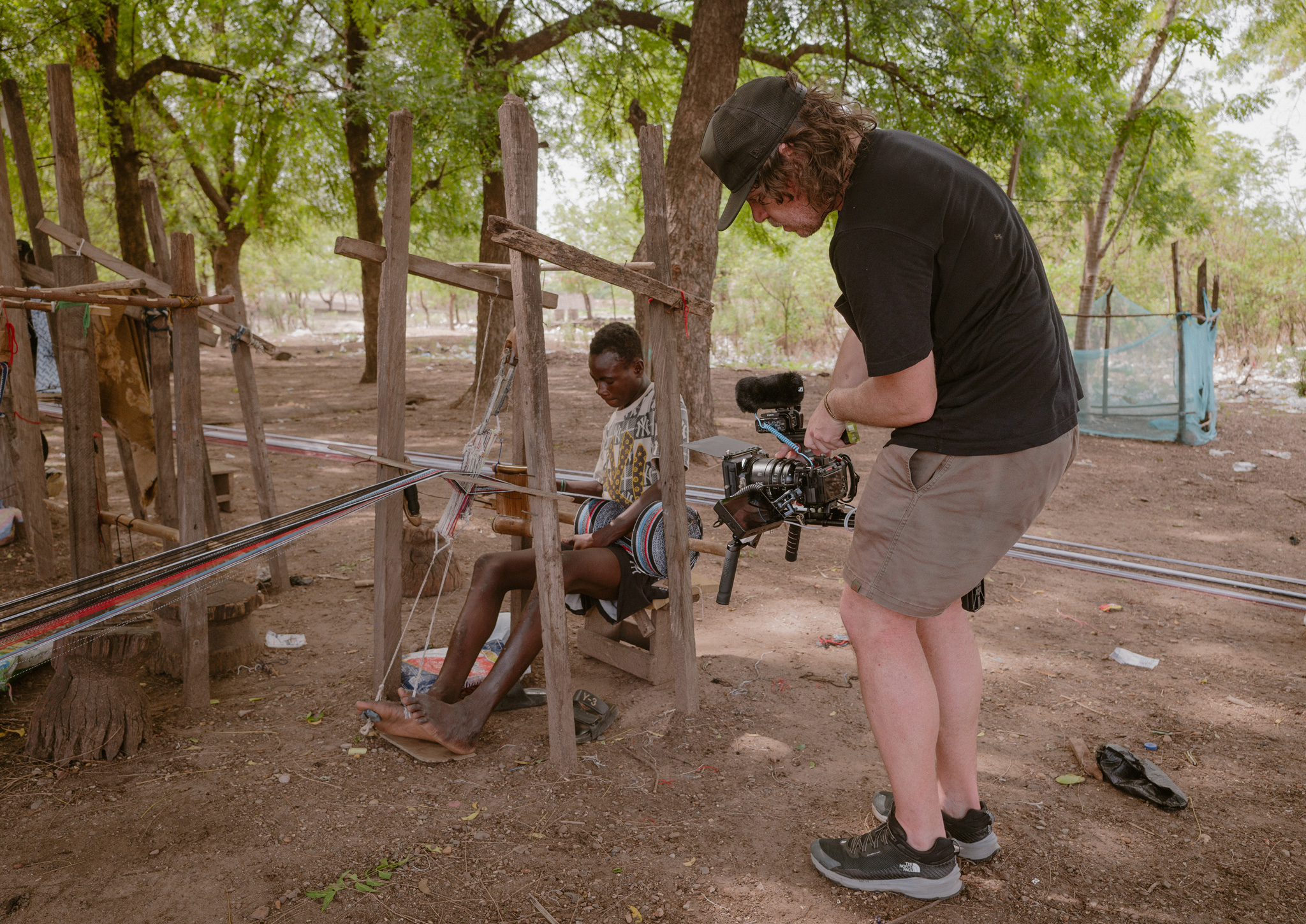
    From the vivid rhythms of Accra, our journey carried us northward to the Tamale region, where the air grew dense with heat and time seemed to slow. We crossed wide rivers by canoe, venturing deeper into a land where centuries of tradition breathed through cloth and ceremony in a place where it felt that time had stood still. In a remote village known for its indigo and kente, we were received with quiet caution by the elders. But as trust and mutual reverence took root, the elders opened a sacred portal — revealing a world where each gesture, color, and woven thread felt guided by an unseen, divine hand. It was as if the very landscape had conspired to show us beauty in its purest, most deliberate form.


    Into the Trees: Limpopo’s Afro-Montane Forests

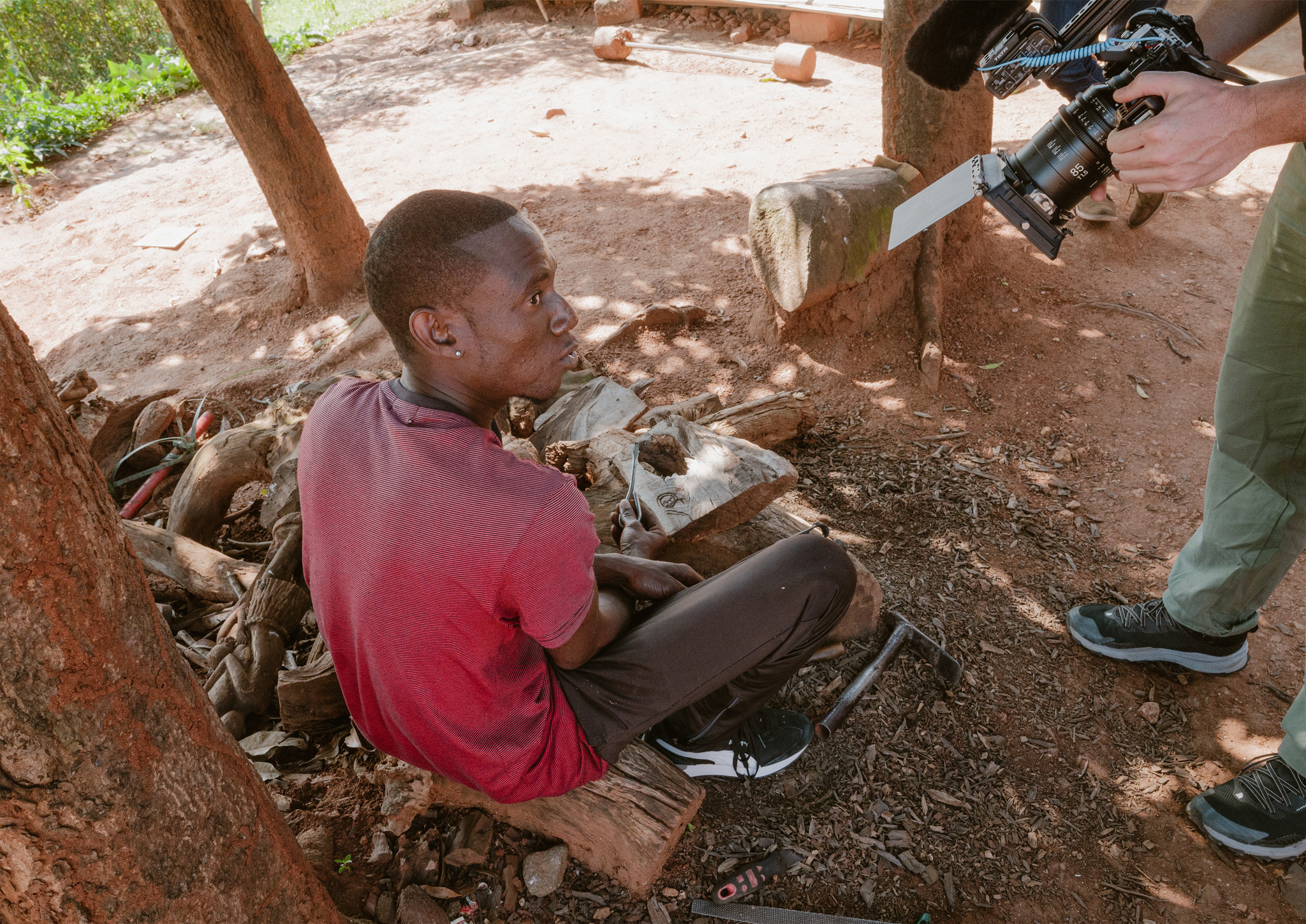
    We journeyed south into the haunting beauty of the Limpopo province in South Africa. The rainforests here feel ancient and watchful, while the savannas are bountiful with wildlife. Truly the closest thing you could experience from the visceral natural worlds of The Jungle Book and The Lion King. In the ancient afro-montane rainforest, trees towered like cathedrals and mist curled through the canopy like whispers. We met artisans working in the bush — carvers whose hands moved like dancers, beaders stringing stories into color with heartfelt tales of how the project they formed a part of changed their lives.

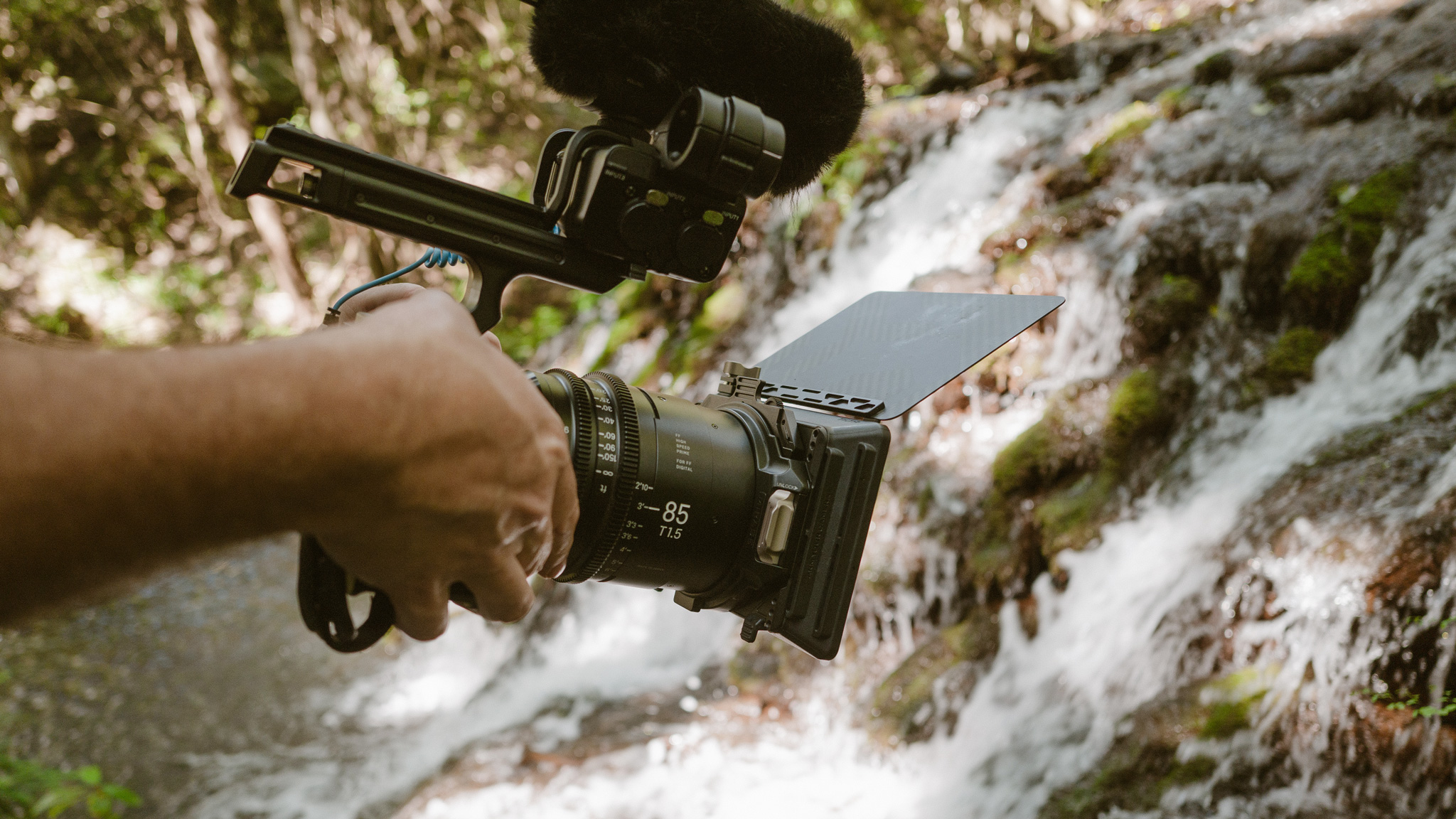
    For these intimate moments, I turned to the Sigma Cine 85mm T1.5 FF. It’s the poet of the kit — rendering shallow depth-of-field closeups with such sensitivity that the viewer could feel the texture of wood being carved, the rhythm of a needle pulling thread. It revealed the sacred in the everyday.


    Minimal Rig, Maximum Impact

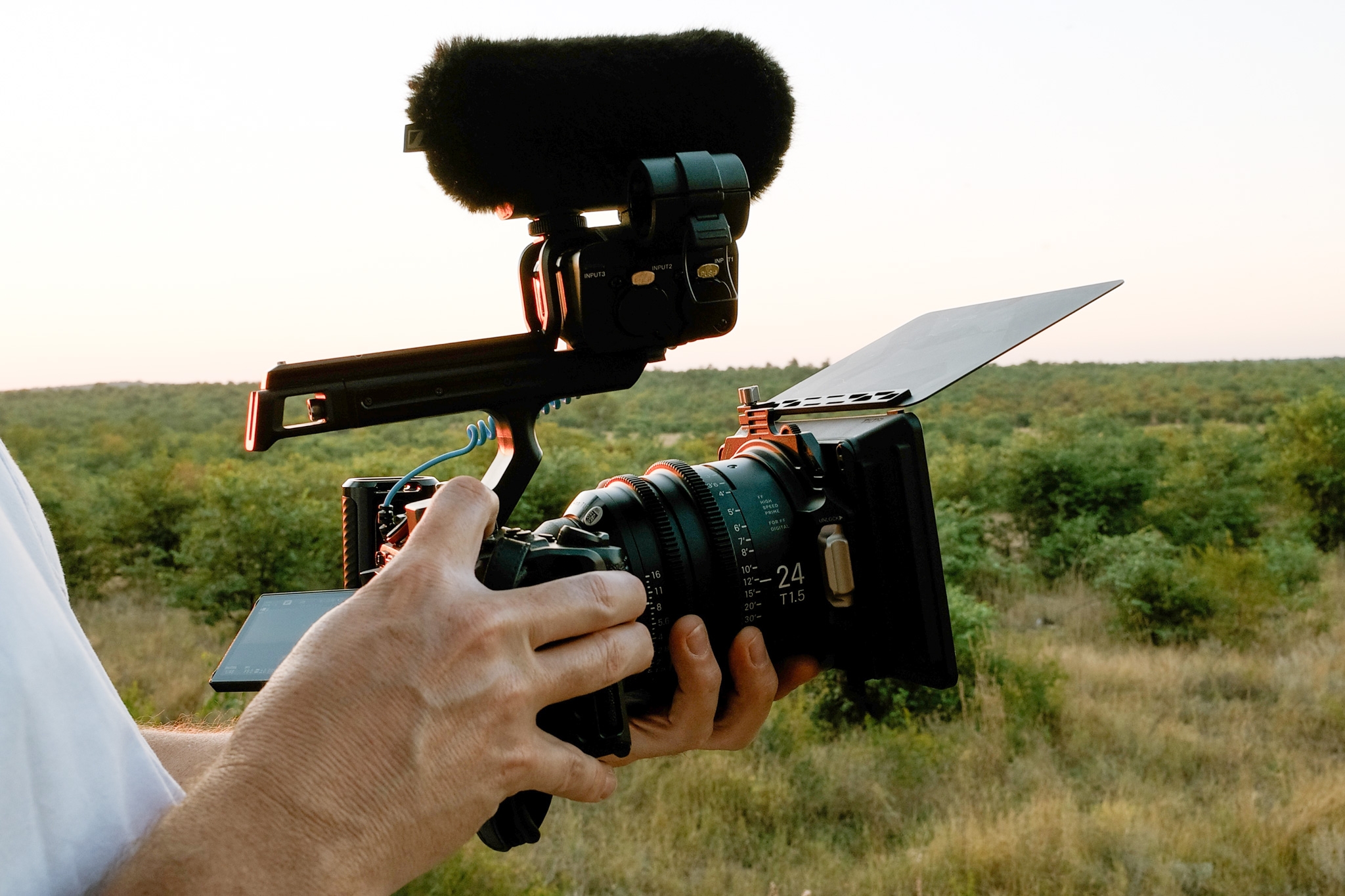
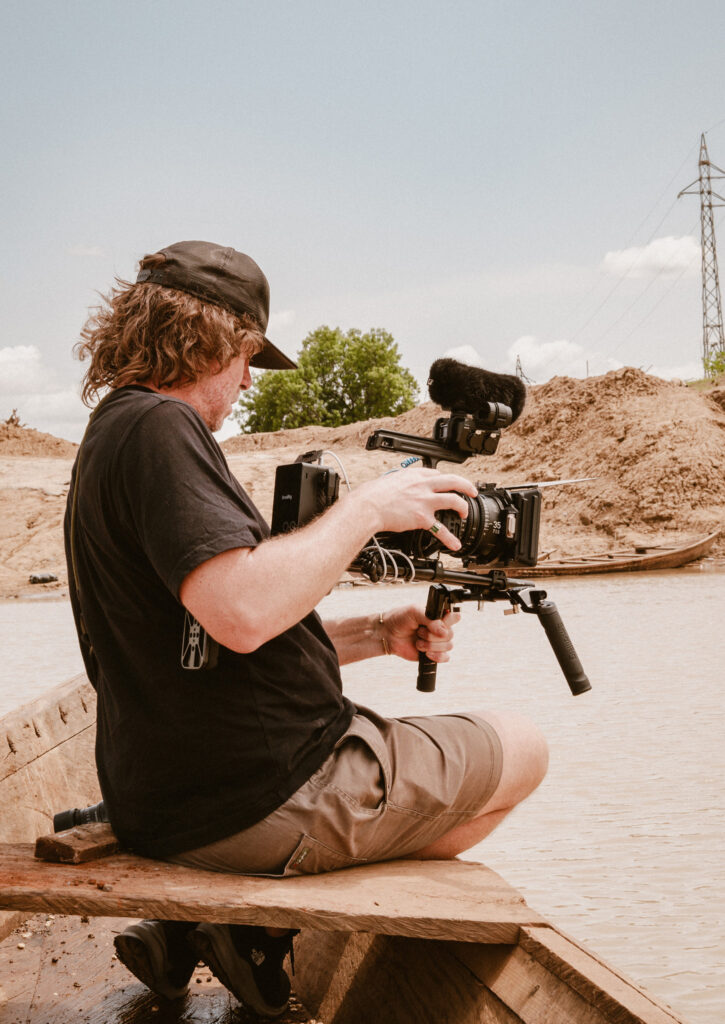
    Given the nature of this shoot — remote locations, constant travel, unpredictable conditions — my rig had to be agile. I ran with a skeleton crew and no focus puller, which meant everything had to be hand-operated. The Sigma Cine High Speed Prime lenses, with their robust build and smooth, long barrel rotation, were ideal. Pulling focus manually felt less like a compromise and more like returning to the purest form of filmmaking — intuitive, reactive, human.

    I considered using the Sigma Cine Classic series for their vintage character, but in the end, opted for diffusion filters to get the soft glow I wanted. The T1.5 and T2 primes, with their lighter build and compact size, were the real heroes — easy to pack into a backpack and carry up mountains, yet still delivering uncompromised cinematic quality.

    These lenses braved extreme heat, stifling humidity, dust storms, and even sudden rainforest downpours. They never flinched. And that’s the kind of reliability you need when your story demands that you move — fast, light, and with reverence.


    Tools as Philosophy

    There’s something deeply philosophical about limiting yourself to a few tools. It forces you to think, to adapt, to find poetry in constraints. Each focal length became a way of seeing — a relationship with the environment and with the people we met.
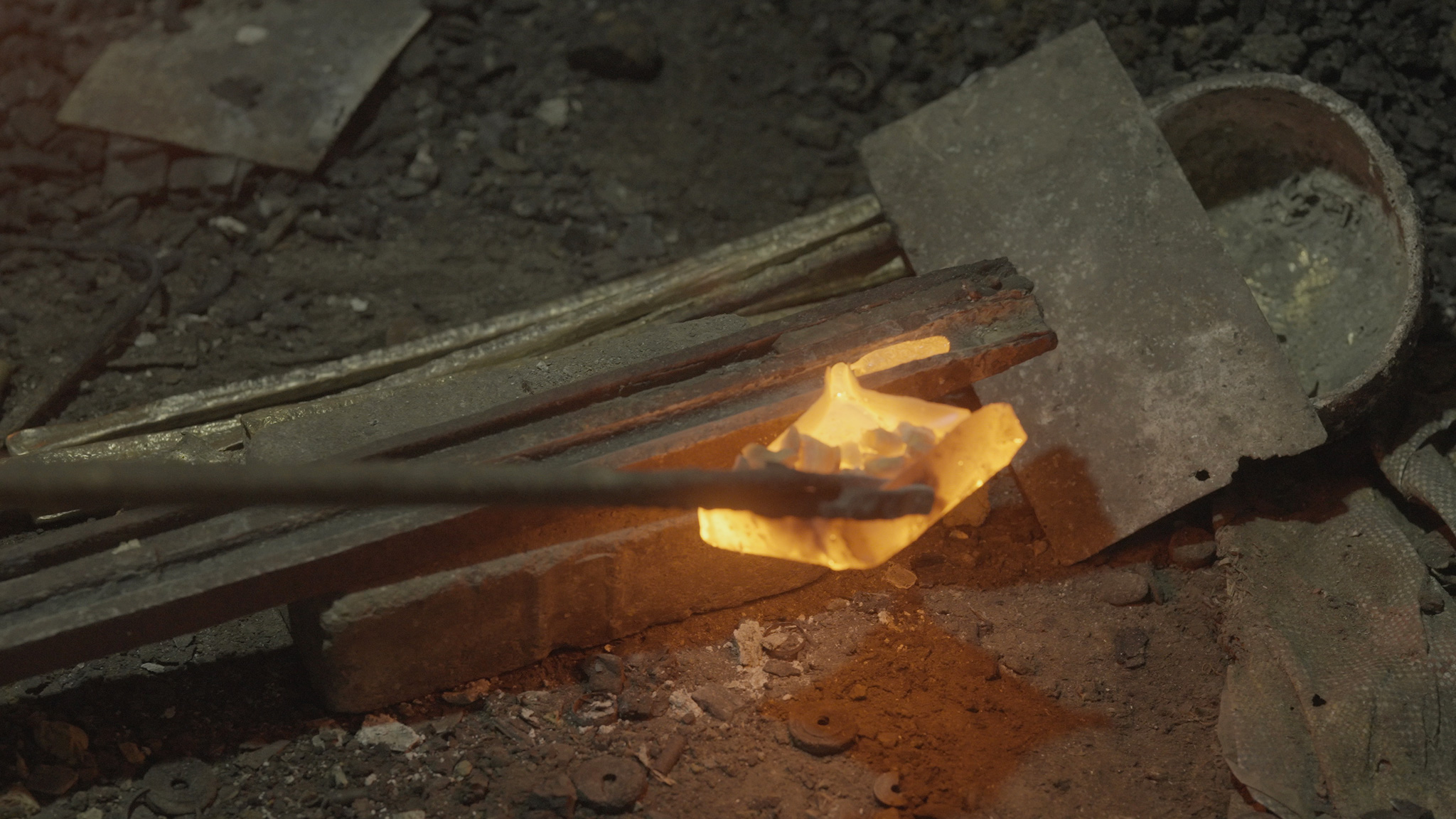
    In our search for artisans, we found not just collaborators, but storytellers in their own right. Carvers, blacksmiths, weavers, embroiderers — their craft is their lens on the world. Through Sigma’s High Speed FF Cine Primes, I hoped to do justice to the depth and dignity of their work.

    In the end, this journey wasn’t just about creating content — it was about connection, legacy, and purpose. The Inoue Brothers’ commitment to ethical fashion and social design aligned with a deeper narrative we were there to capture. The Sigma Cine High Speed Prime lenses didn’t just help tell this story — they became part of the story through Sigma’s own commitment to social impact and the support of craftsmanship in the region of Tohoku, Japan.

    If you’re a filmmaker drawn to wild locations, intimate human stories, and visceral visual language, there are few companions as dependable, poetic, and robust as these lenses. Trust your tools. Trust your vision. Prepare meticulously and then succumb to intuition.

    [ad_2]

    Source link
  • Case Study: Sigma High Speed Cine Primes Lens the Edge of Space in Sci-Fi Short “Termination Shock”

    Case Study: Sigma High Speed Cine Primes Lens the Edge of Space in Sci-Fi Short “Termination Shock”

    [ad_1]

    On a decades-long solo mission to the edge of space, an astronaut clings to routine as reality begins to fracture and isolation takes its toll… but are they truly alone?

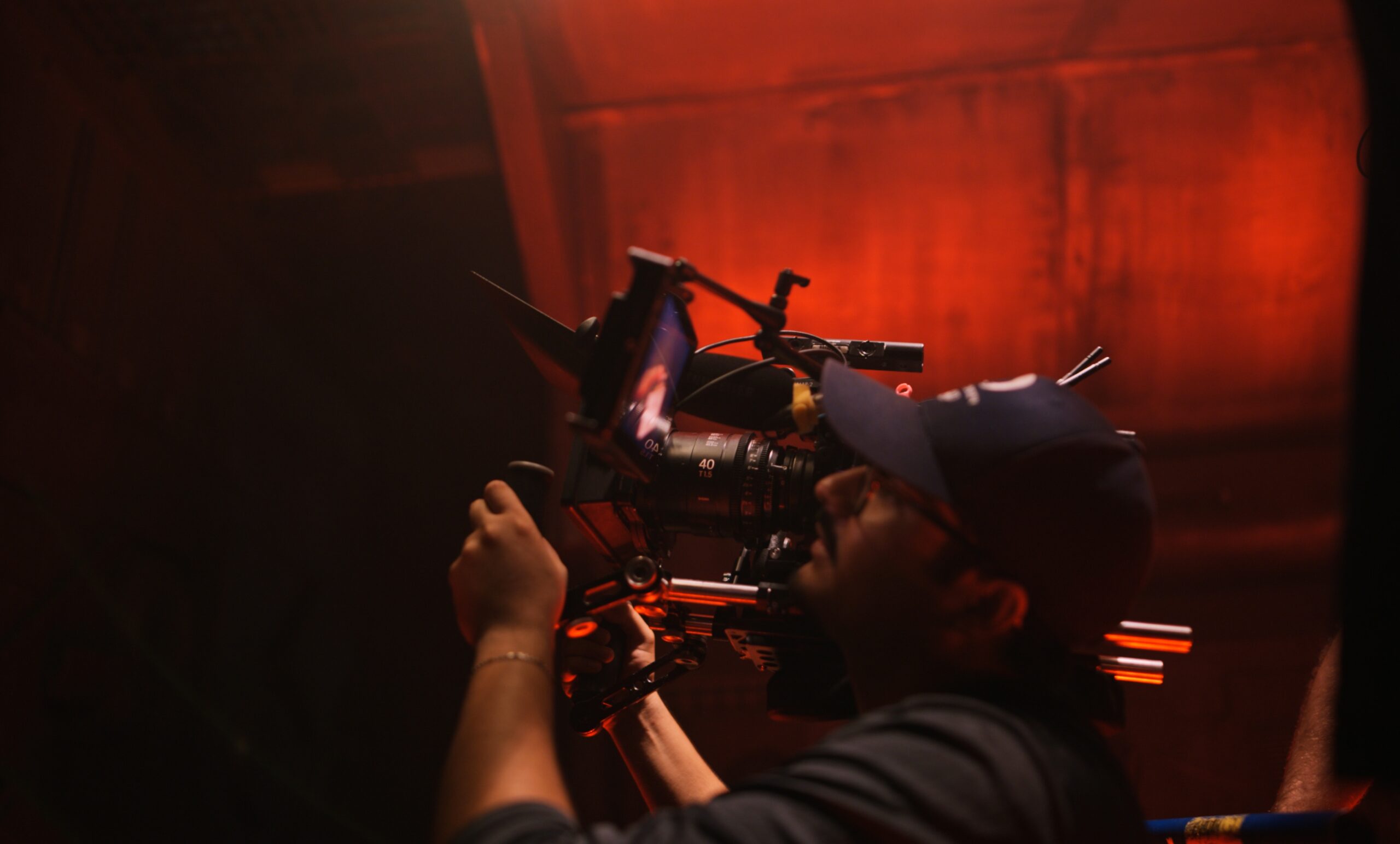
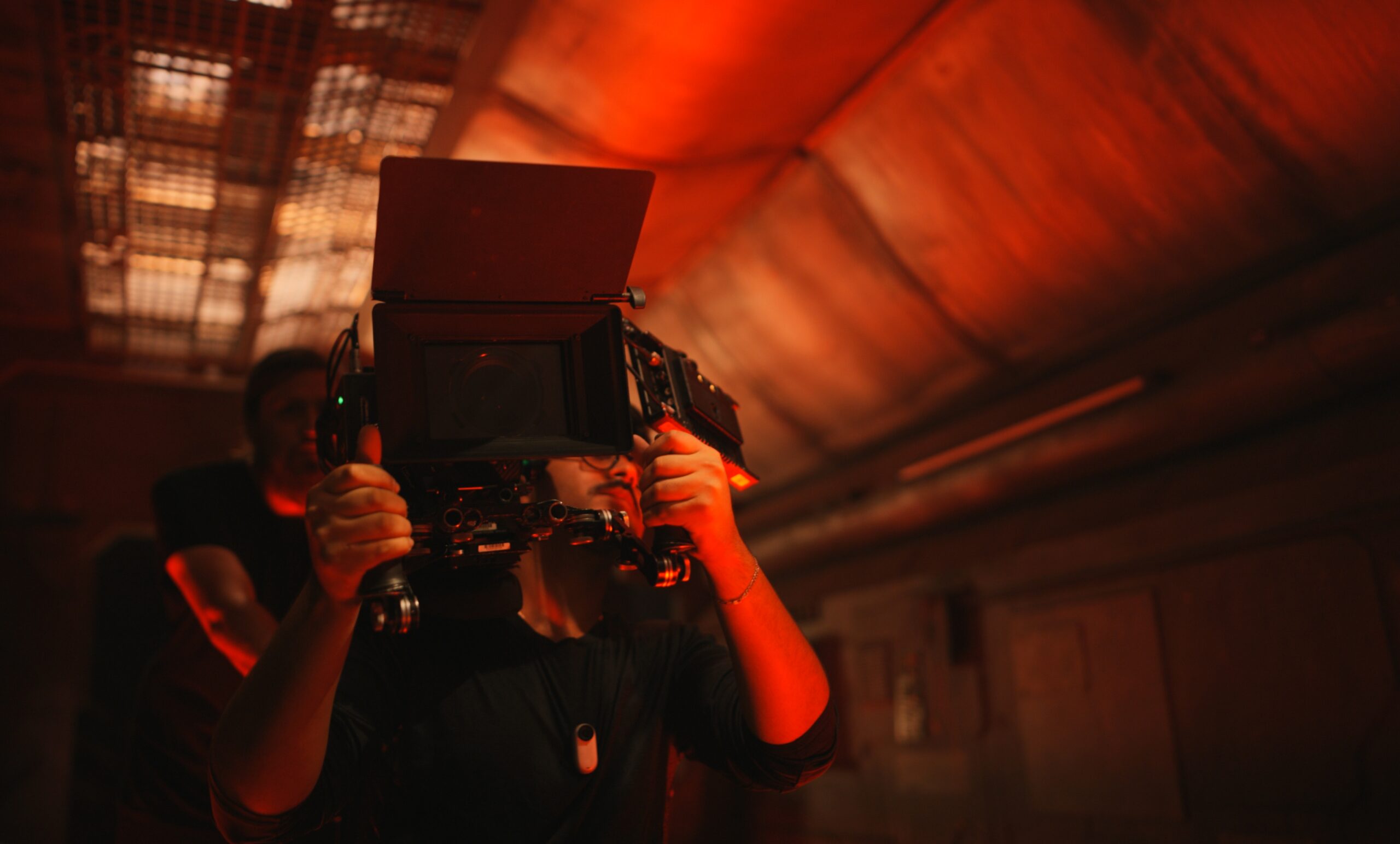
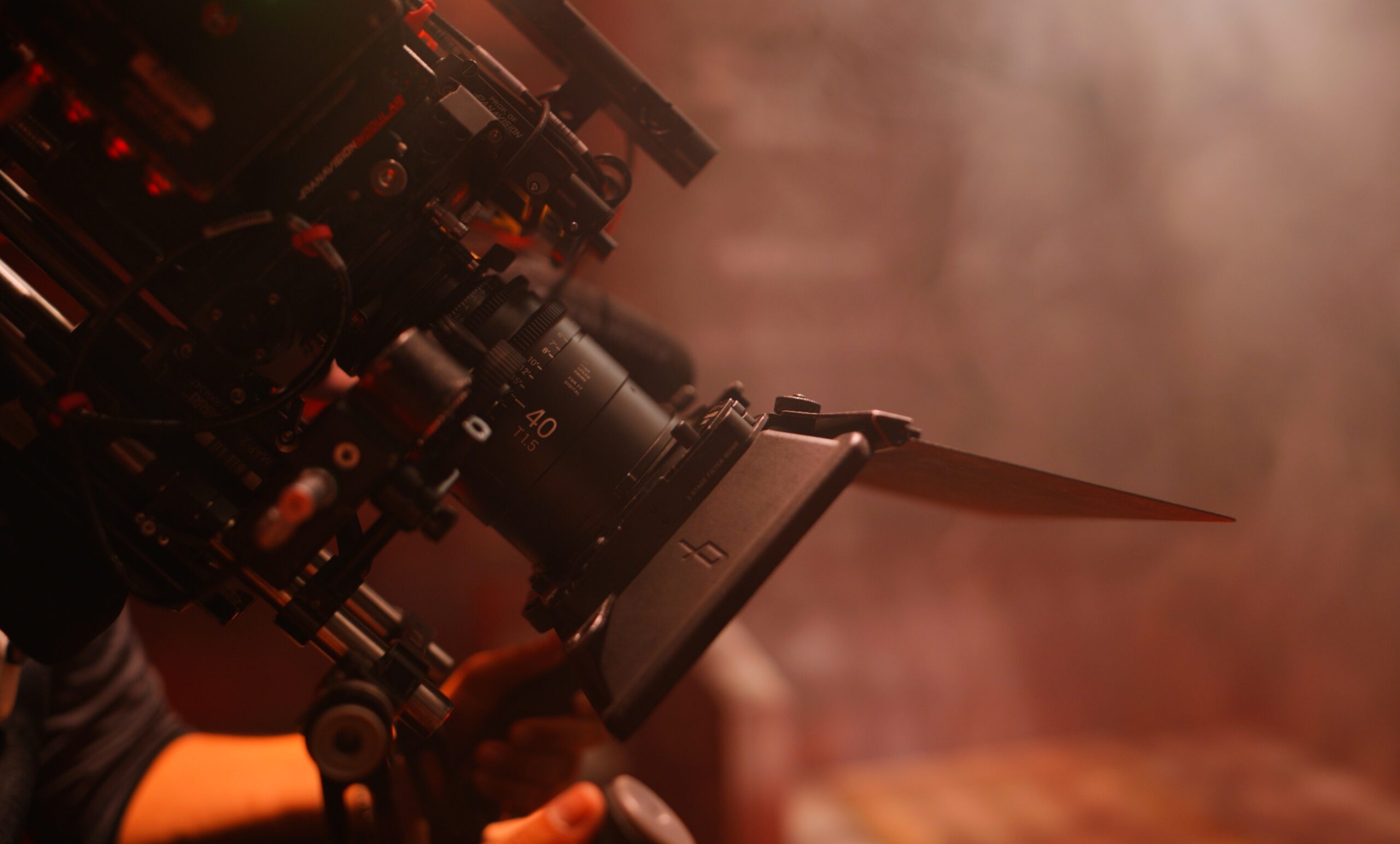
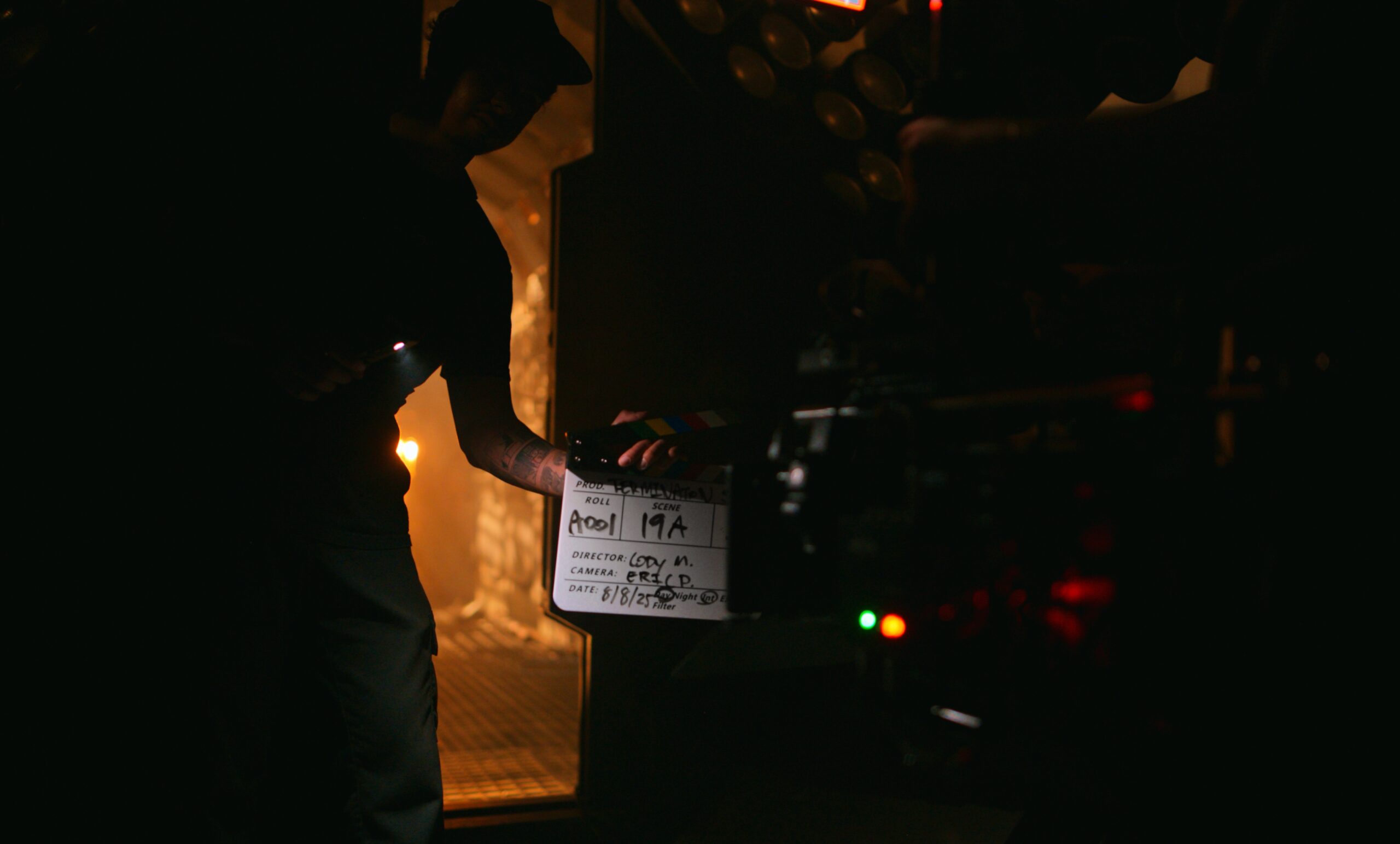
    Director Cody Mobley turned to Sigma’s Full Frame High Speed Primes and Full Frame Classic Primes for his recent sci-fi short Termination Shock.

    We caught up with Mobley shortly after production wrapped to hear firsthand how the lenses shaped his visual approach and what the experience was like bringing this story to life.

    Low Light Capability

    Sigma:

    The Sigma High Speed Primes open up to T1.5 and as such, are well-regarded for their performance in low light. Did this play an important role in how you approached the darker, atmospheric sequences in Termination Shock?

    Mobley:

    There was a specific moment of deep emotion and anguish where our main character Lieutenant Taylor (played by Darian Michael Garey) has a breakdown. When you ask an actor to go somewhere dark and bring that emotion out, you want to make sure to capture as much of their performance as you can on the first few takes, or risk putting them somewhere deep in their head. Even in the darkened room, with a small splash of color on him, you can see the despair, the tears streaming down his face. We couldn’t have accomplished this shot without great low-light performance. This is an issue many filmmakers have, especially when making a thriller or horror, since you want to show what’s in the dark, without fully showing what’s in the dark.

    World Building

    Sigma:

    Sci-fi demands a visceral sense of atmosphere and immersion. Did the lenses help capture the scale, texture, or detail you needed to sell the story of Termination Shock?

    Mobley:

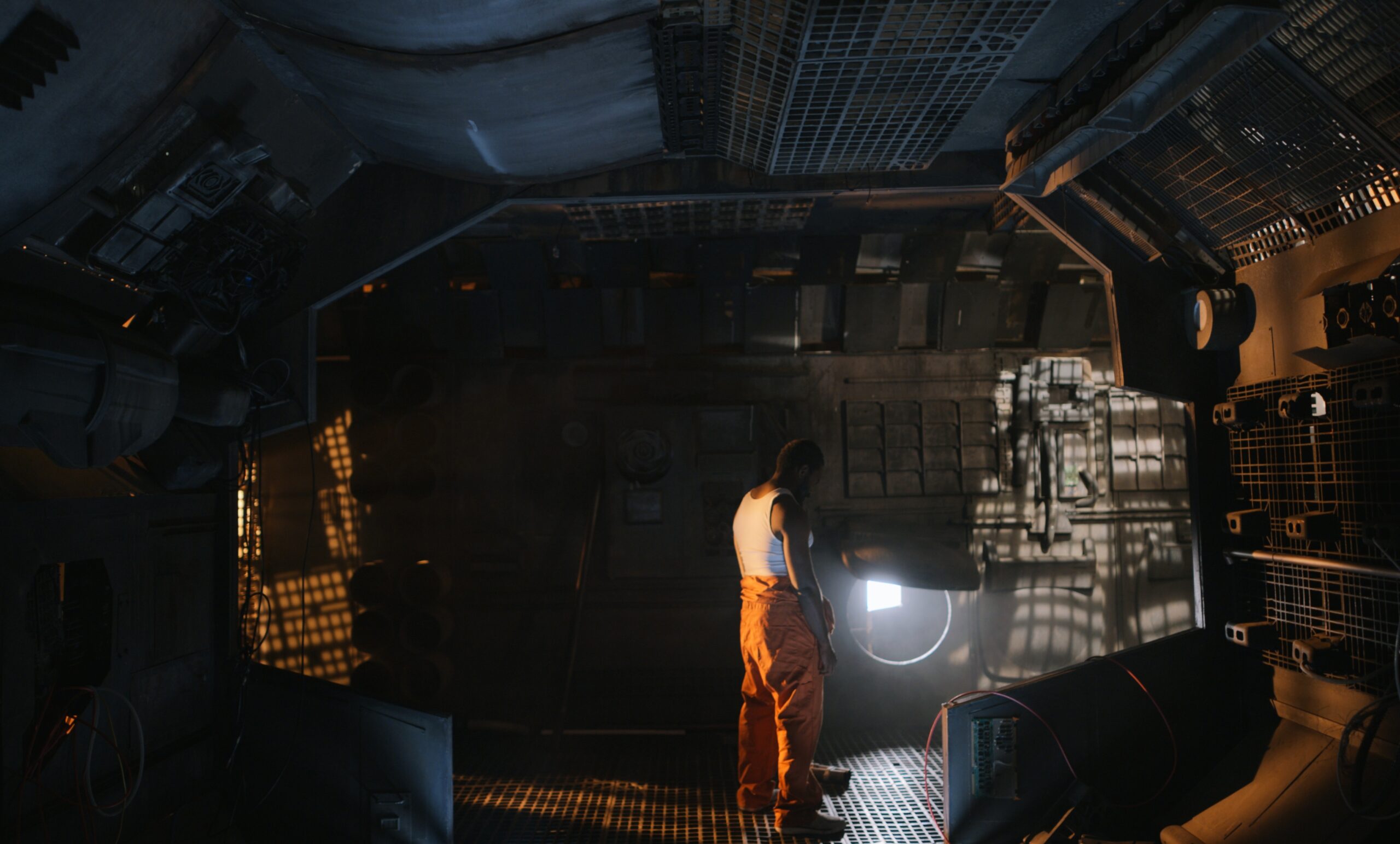
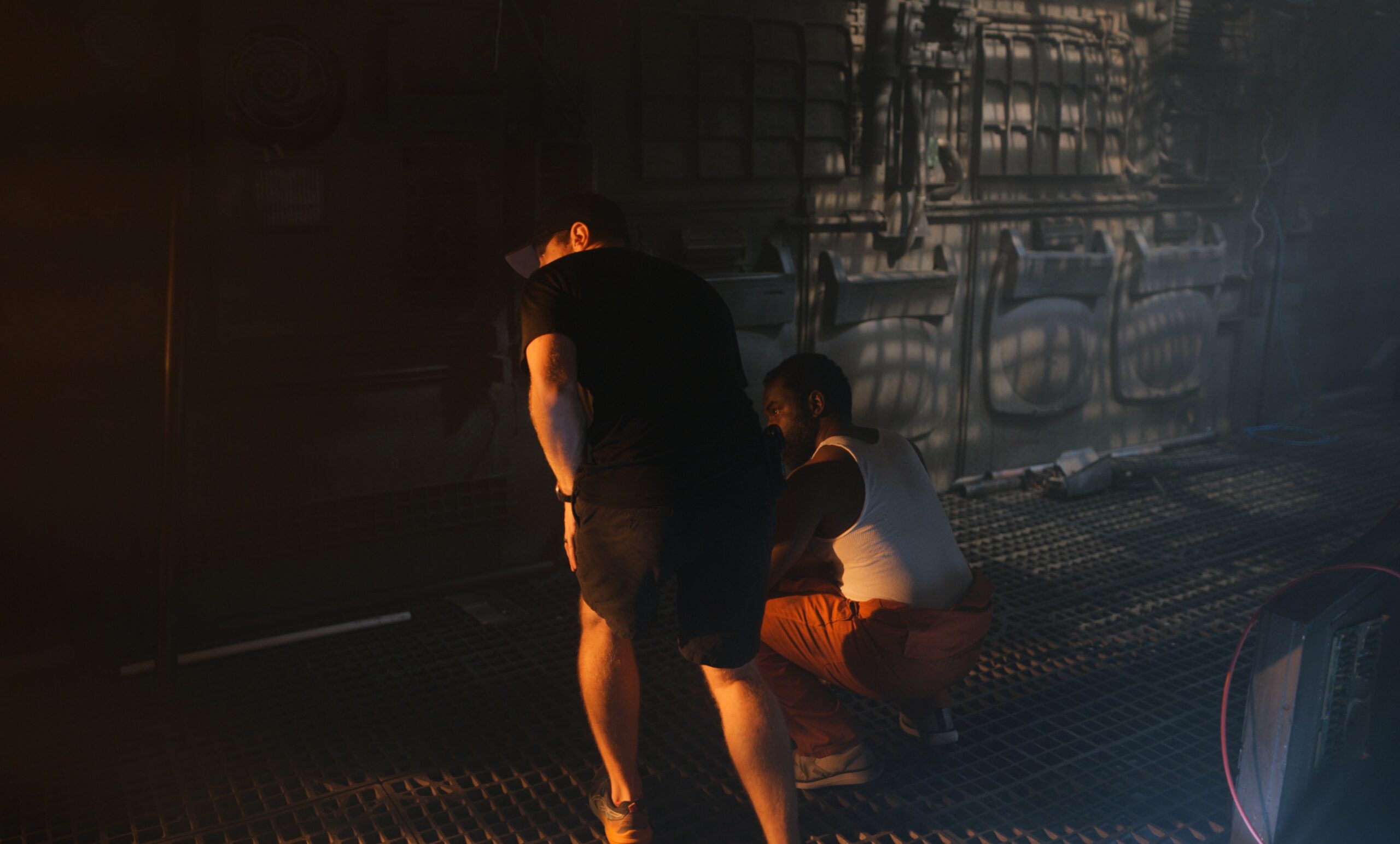
    The very first shot we tackled was one of our more lengthy and technical takes, where we track down a long hallway and swing to a closeup of a small object on the ground before sliding back to reveal our actor within the space. Going from micro to macro and back again isn’t easy on just any lens, especially on a space ship set flooded with fog, lights, and debris. So to say that the lenses helped capture the scale and detail would be insanely accurate. It was a very cool moment, everyone holding their breath watching on one of the monitors, wondering what the “look” of the story would be — and after I cut, this wave of excitement and awe passed through the crew. We knew at that moment we had something awesome on our hands..

    Creating Isolation

    Sigma:

    Most of Termination Shock unfolds in close quarters with a single character. Was lens choice a consideration regarding how to capture the astronaut’s psychological state or convey something as abstract as the feeling (or reality) of isolation?

    Mobley:

    It was one of the biggest considerations we had when building our rig. Using a single character, with no dialogue, can create obstacles or opportunities, depending on how you look at it. Having the correct lenses was pivotal in showing the inner turmoil that our main character never outwardly expresses, and can be the key to encapsulating the feeling of being trapped while something stalks you through tight spaces — we made the best choice going with the Primes.

    Image Character

    Sigma:

    The High Speed Primes have developed a reputation for their edge-to-edge sharpness and hyper-accurate color rendition. Did the “look” (or even lack thereof) of the lenses contribute to how you and your Director of Photography Eric Payne envisioned the overall look/feel of the film?

    Mobley:

    From day one when we were building the project I was adamant to shoot on the Primes, and all of our pre-production stills and camera tests were done with them; so it’s safe to say that the lenses not only had a large impact on the aesthetic of the film but shaped the look from the beginning. My DP Eric Payne likes to color correct our projects, and sets the shots up knowing what we are looking for in advance, and it was refreshing to see how close the raw footage aligned with our desired look.

    (Practical) Production Demands

    Sigma:

    From a production standpoint, how did the build and practical usability of the lenses support your team on set—especially when working in controlled or minimal spaces like a tiny spacecraft set?

    Mobley:

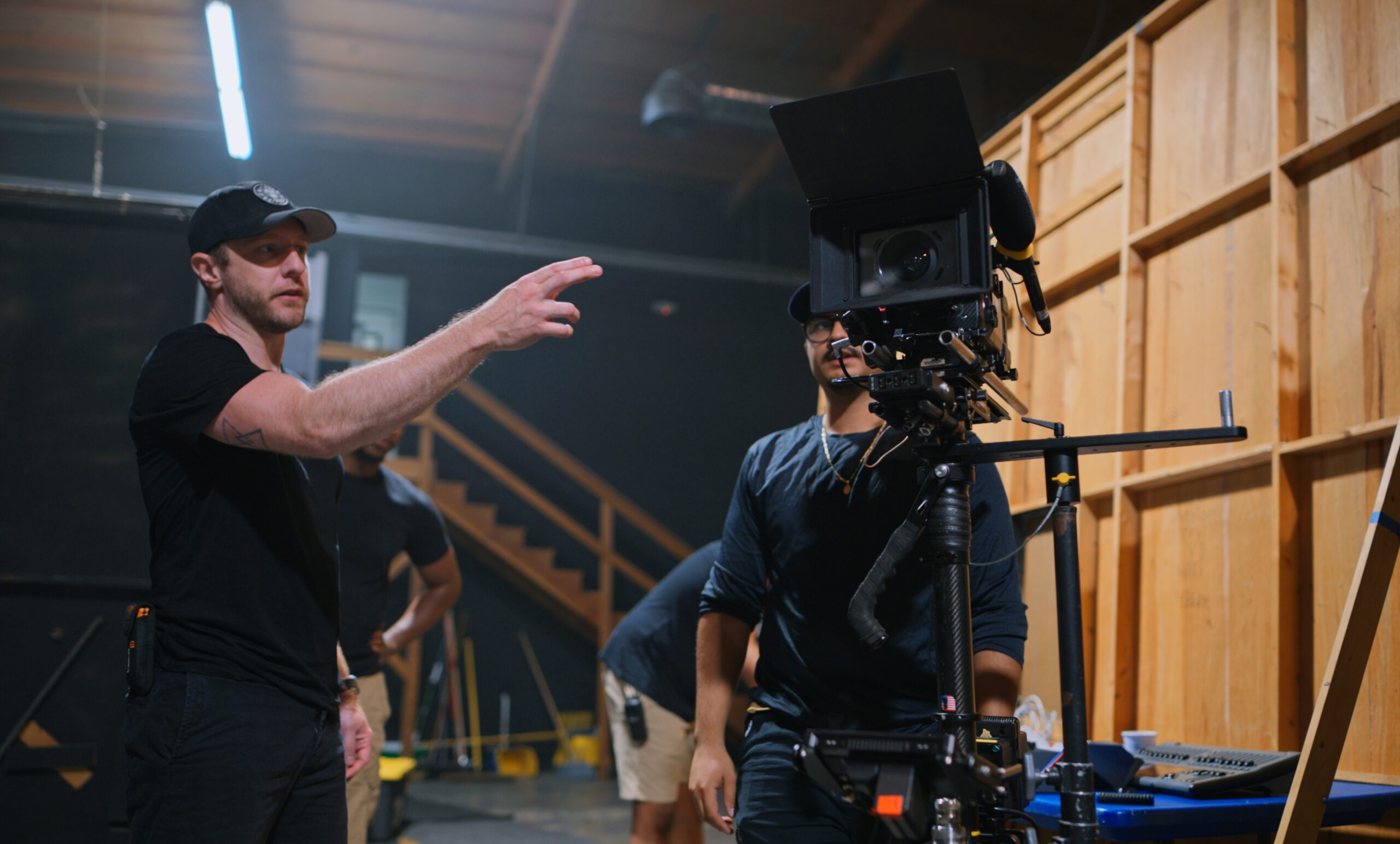
    Well I can tell you that our cam-op (Jesse Mar Ramirez) definitely appreciated the lighter weight of the Sigma Primes when we went handheld! But honestly, an added benefit was the easy swaps when we were on Steadicam. When you can spend less time balancing the rig and reconfiguring the follow-focus, it takes a lot of stress off the production as a whole. I also can say the close focus listed for each lens was pretty much dead on, so thanks for that.

    Post-Production

    Sigma:

    In terms of post-production, especially if visual effects were involved, how did the image quality from the High-Speed Primes influence your post process?

    Mobley:

    I prefer to go practical with my shoots. Nothing looks as good as real, solid, practical effects. Still, it’s hard to do a spaceship computer screen practically when the screens don’t actually work, so we had to go with a larger visual effect footprint than usual. I had always wanted to stay away from the green or blue tint you generally see on spaceship HUDs, and after going through our footage it was highly beneficial for us to go with a more muted and “older” looking graphic instead. Because the ship looks so real and crisp thanks to the Primes, it became a choice to make the special effects look dated and warped to better convey what you would expect after 27 years running non-stop.

    Creative Flexibility

    Sigma:

    Did having access to a full range of focal lengths in the High Speed Prime set give you more creative freedom in how you framed and told the story? Which focal lengths did the production and your DOP Eric Payne end up utilizing the most? 

    Mobley:

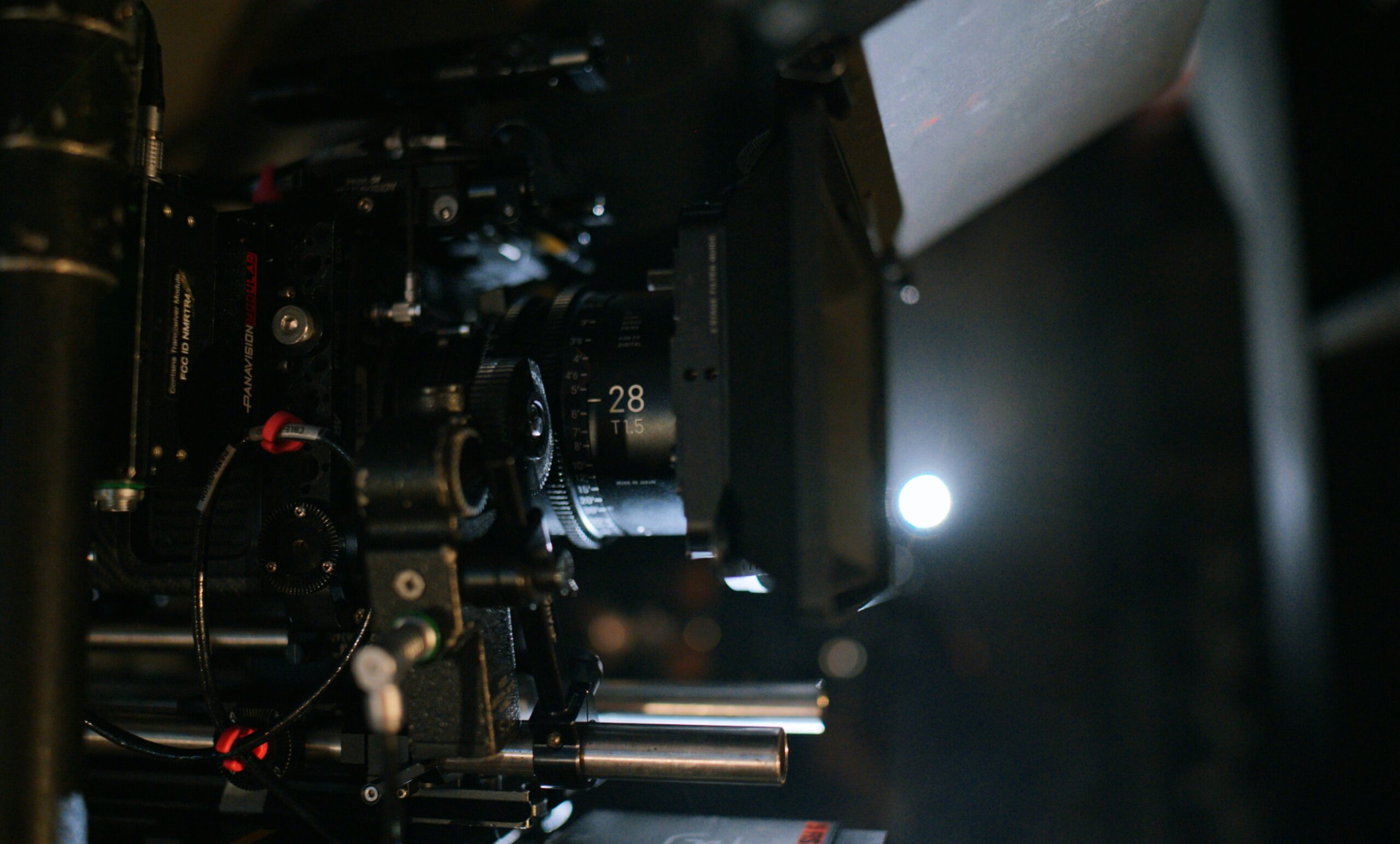
    Absolutely. Being able to craft a story with a full range of lenses is paramount, especially when we want to convey the isolation and turmoil in our main character’s head. Because each “day” in the story is shot differently, we used a variety of focal lengths depending on if we were on steadicam, handheld, or locked off on sticks. That being said, as it generally is on a tightly scheduled film shoot, we ended up relying heavily on the 28, 35, and 50 when we needed to nail a shot. We did capture the final shot of the film on a 35mm Classic though, to give us a bit more flare and ethereal feel to end our journey.


    Watch The High Speed Prime Lenses In Action:

    [ad_2]

    Source link
  • First Impressions: Sigma Aizu Prime Cine Lenses

    First Impressions: Sigma Aizu Prime Cine Lenses

    [ad_1]

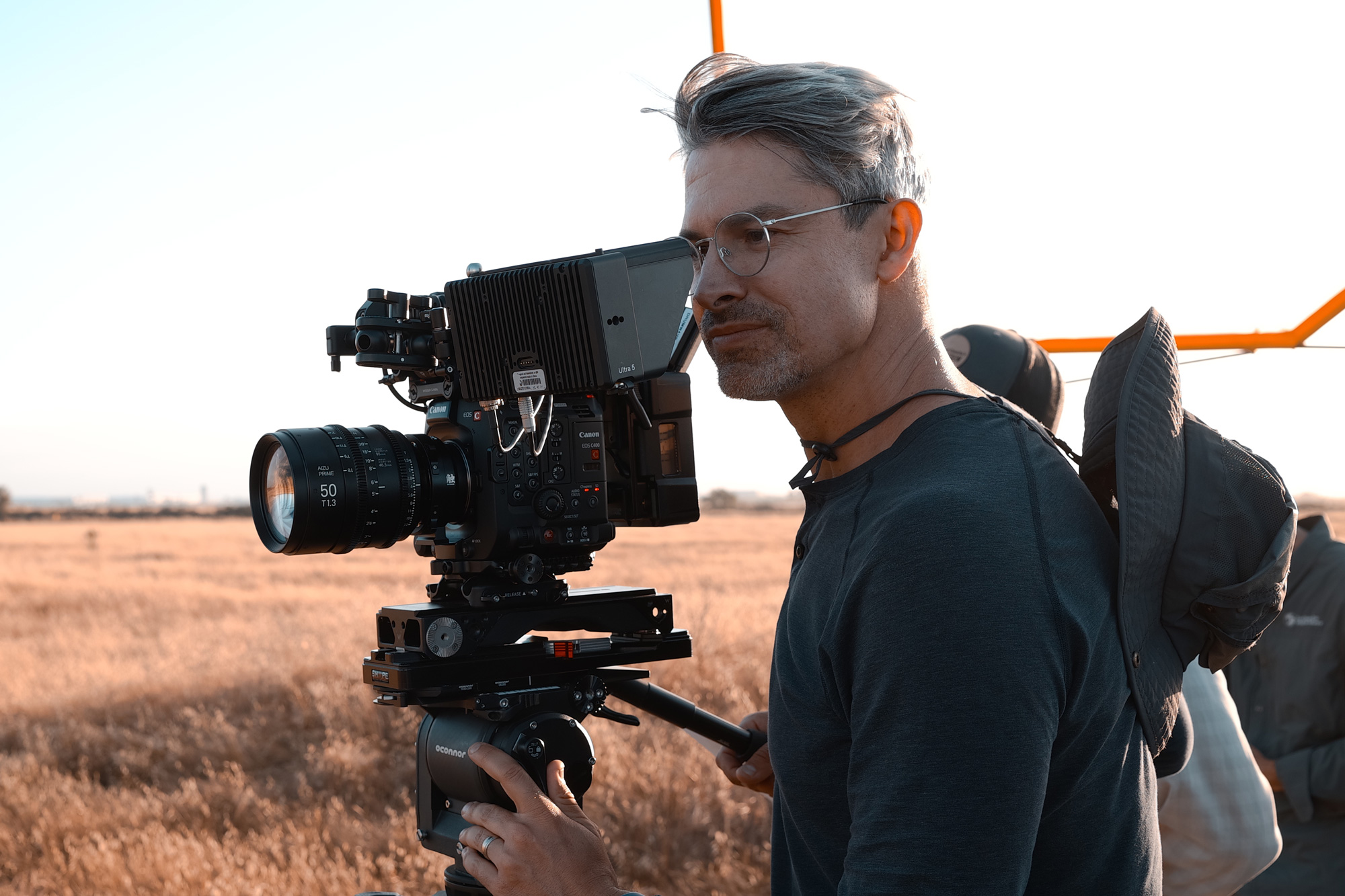
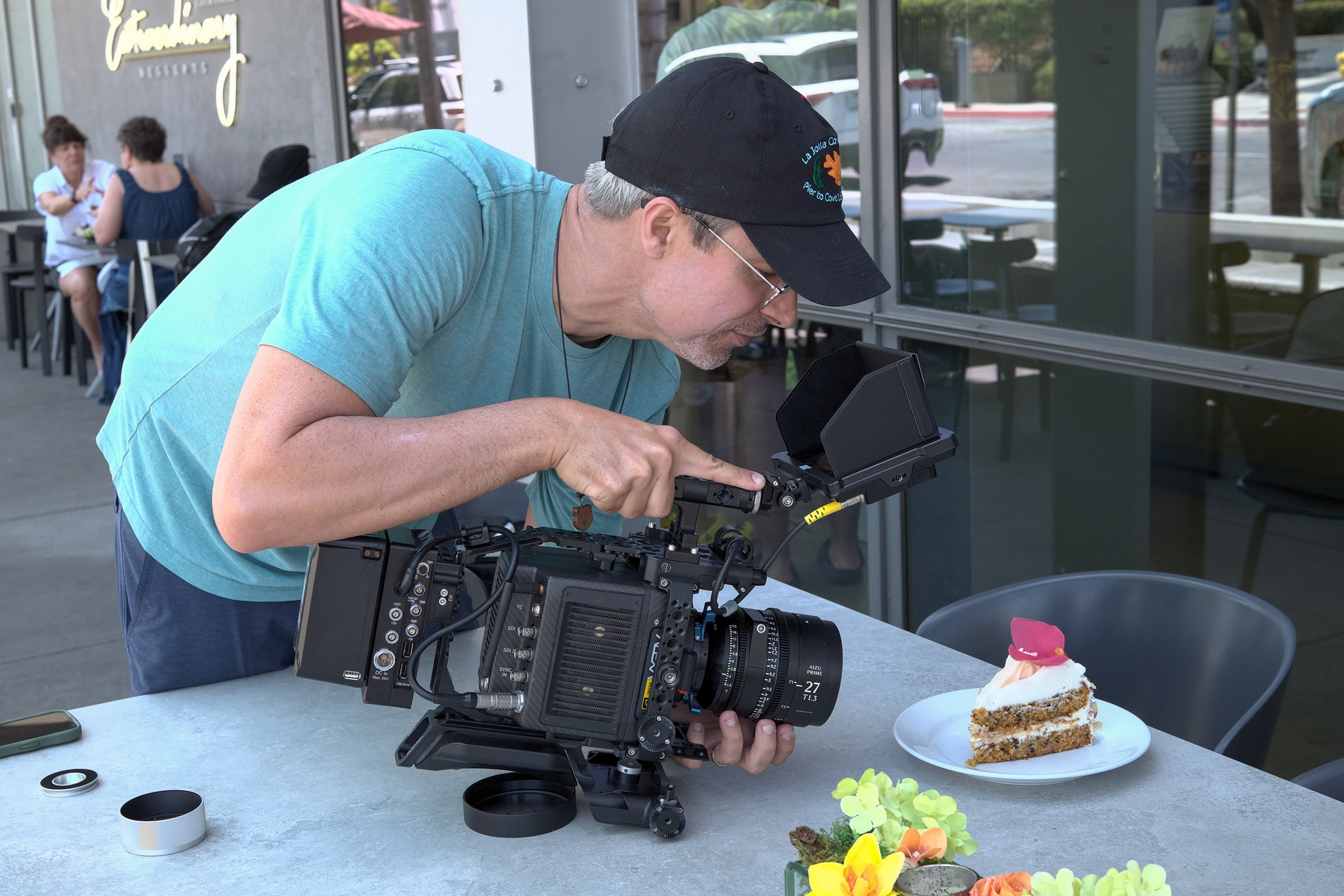
    As an ICG Local 600 Director of Photography working on everything from scripted to comedic stage shows to wildlife to true crime, I ask a lot out of the technology I film my projects with.
    As a Sigma Ambassador, I have also been immersed in all things Sigma since 2017, and I’ve used dozens of different focal lengths and different types of zooms as I’ve bounced from project to project. The Full-Frame High Speed Primes in particular have been a staple for me with their consistent sharp look and gorgeous bokeh (especially that 105mm). Lately, I’ve been finding a home for Art line lenses as well, such as the 28-105mm F2.8 DG DN | Art and 28-45mm F1.8 DG DN | Art on my various Sony E-mount documentary rigs.

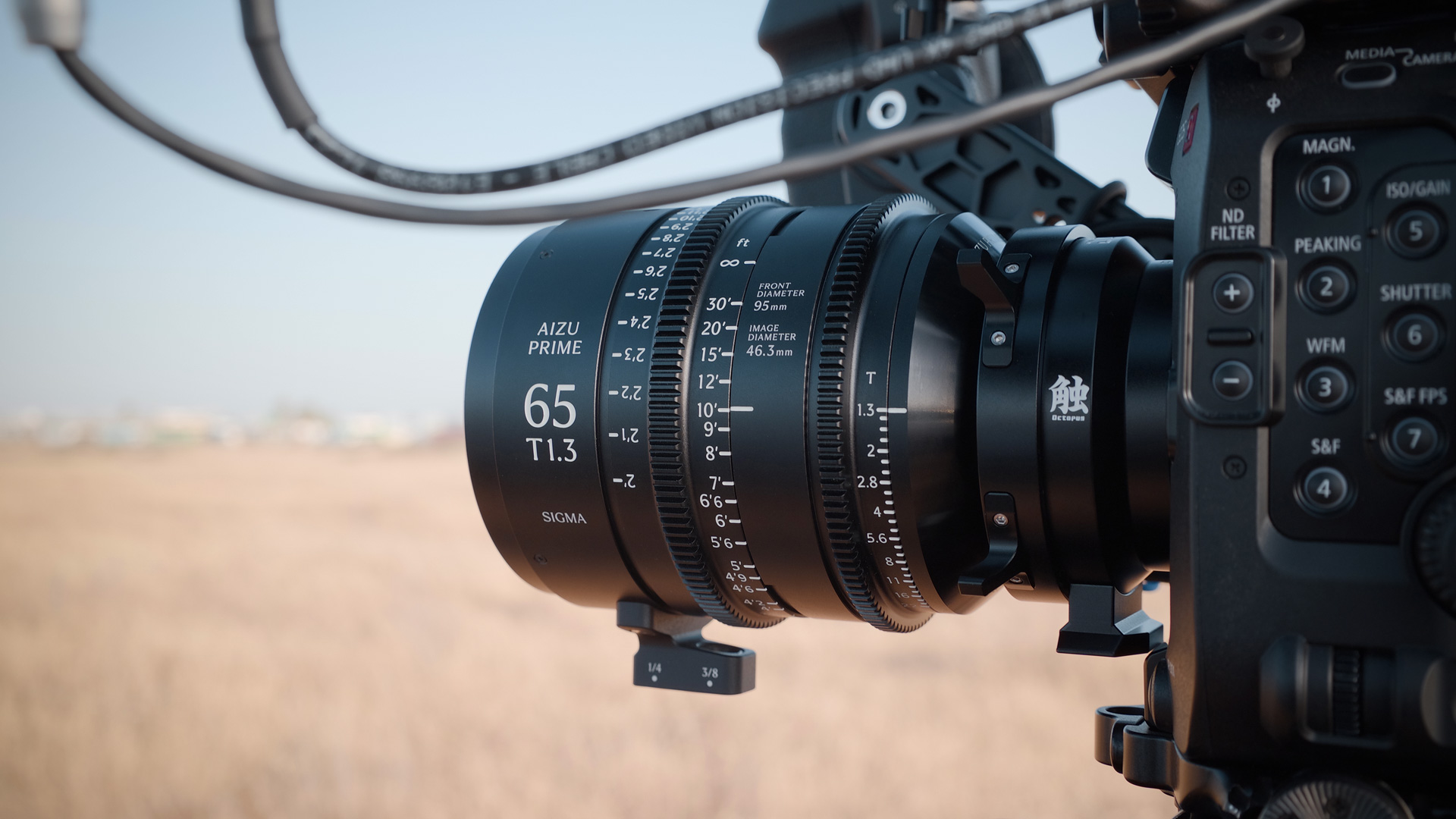
    The new Aizu Primes are something special — the result of over two years of work by engineers in at the Sigma factory in… you guessed it… Aizu, Japan! Unlike the High Speed prime lenses, which were based on the beloved Art line of photo lenses, the Aizu Primes are entirely new — though the rugged engineering will feel comfortably familiar to fans of Sigma’s existing cine lenses.

    Our factory in Aizu, Japan is the pride of the company, which is why we named our most premium line of lenses after the region.

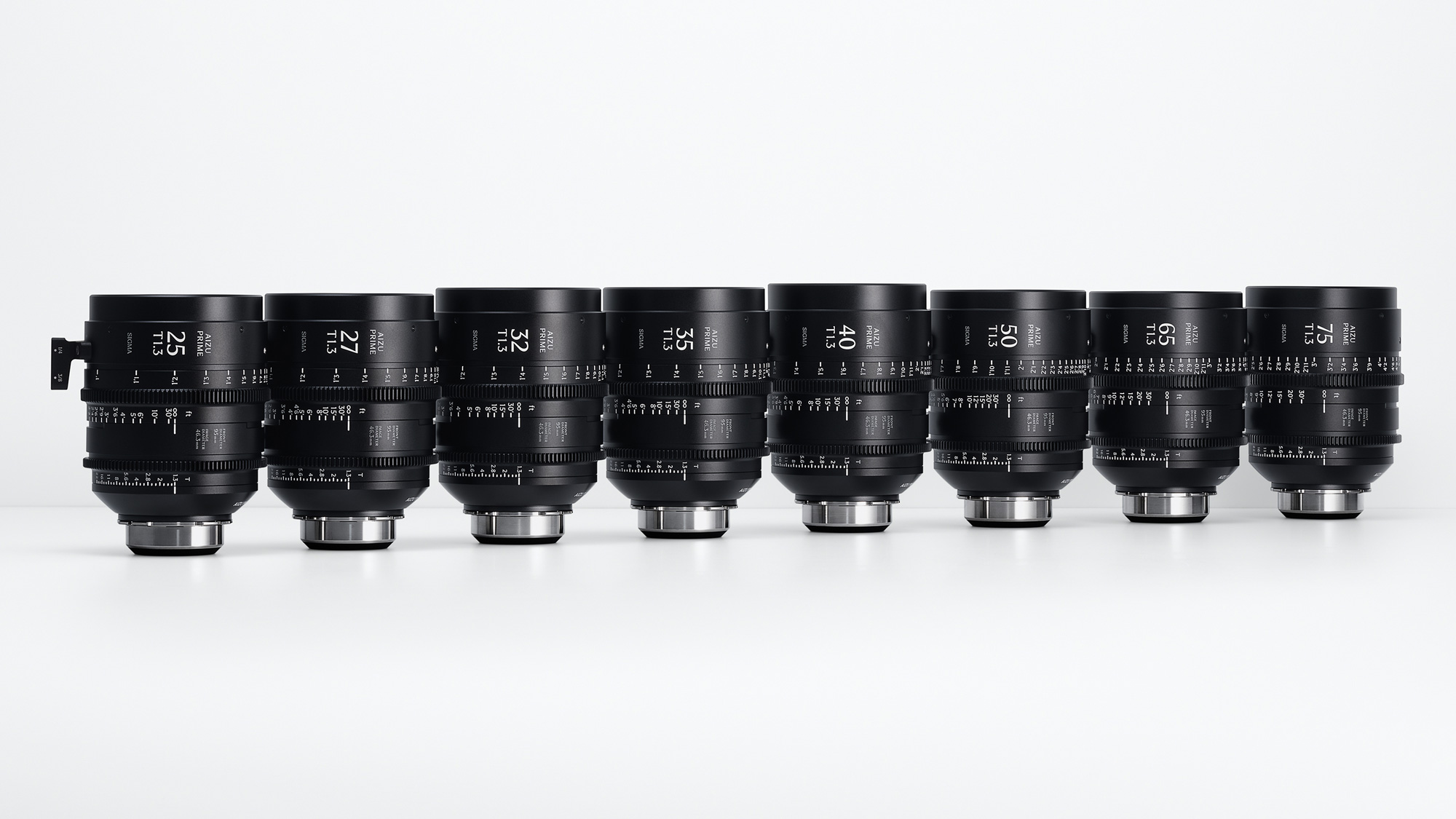
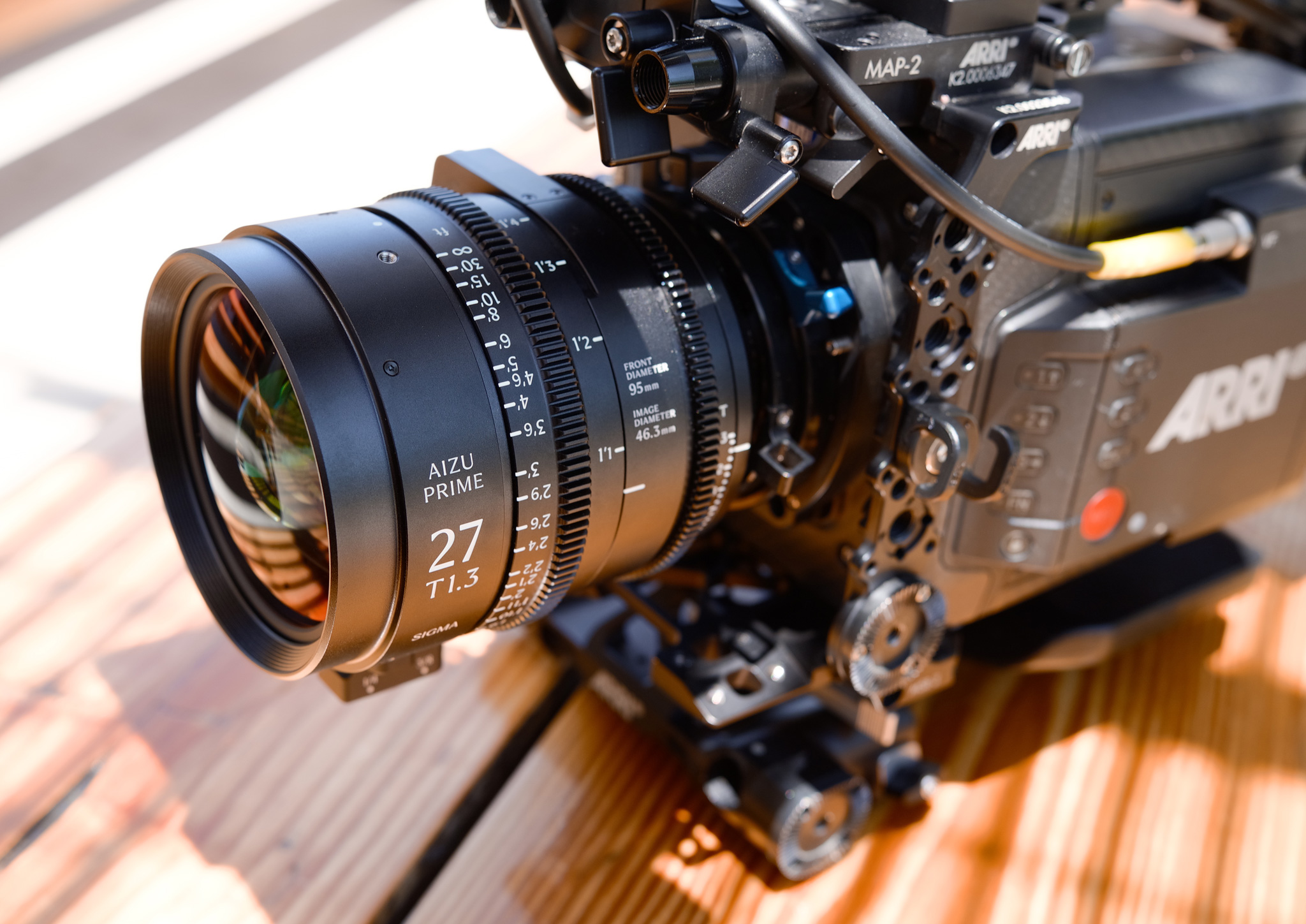
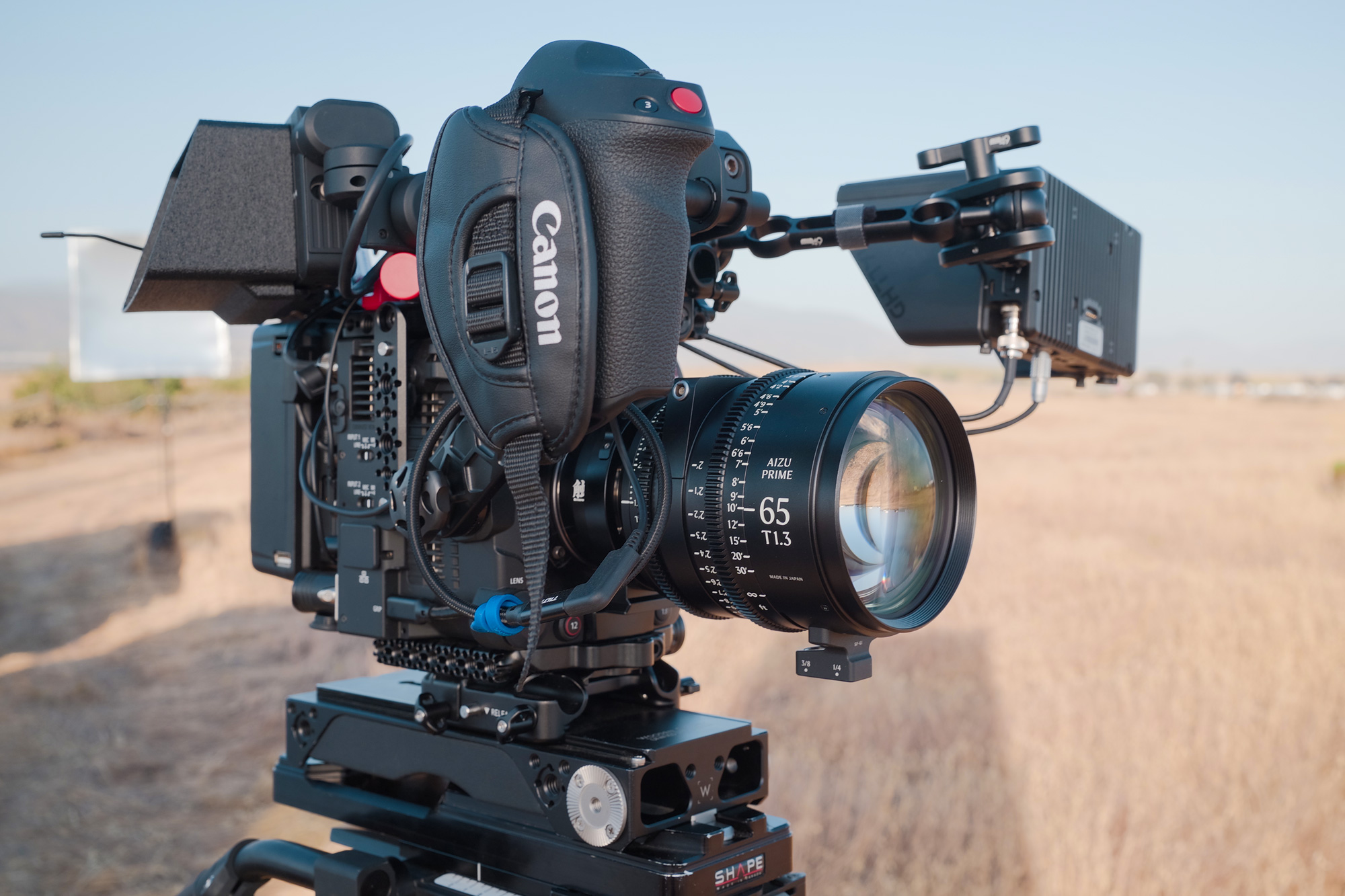
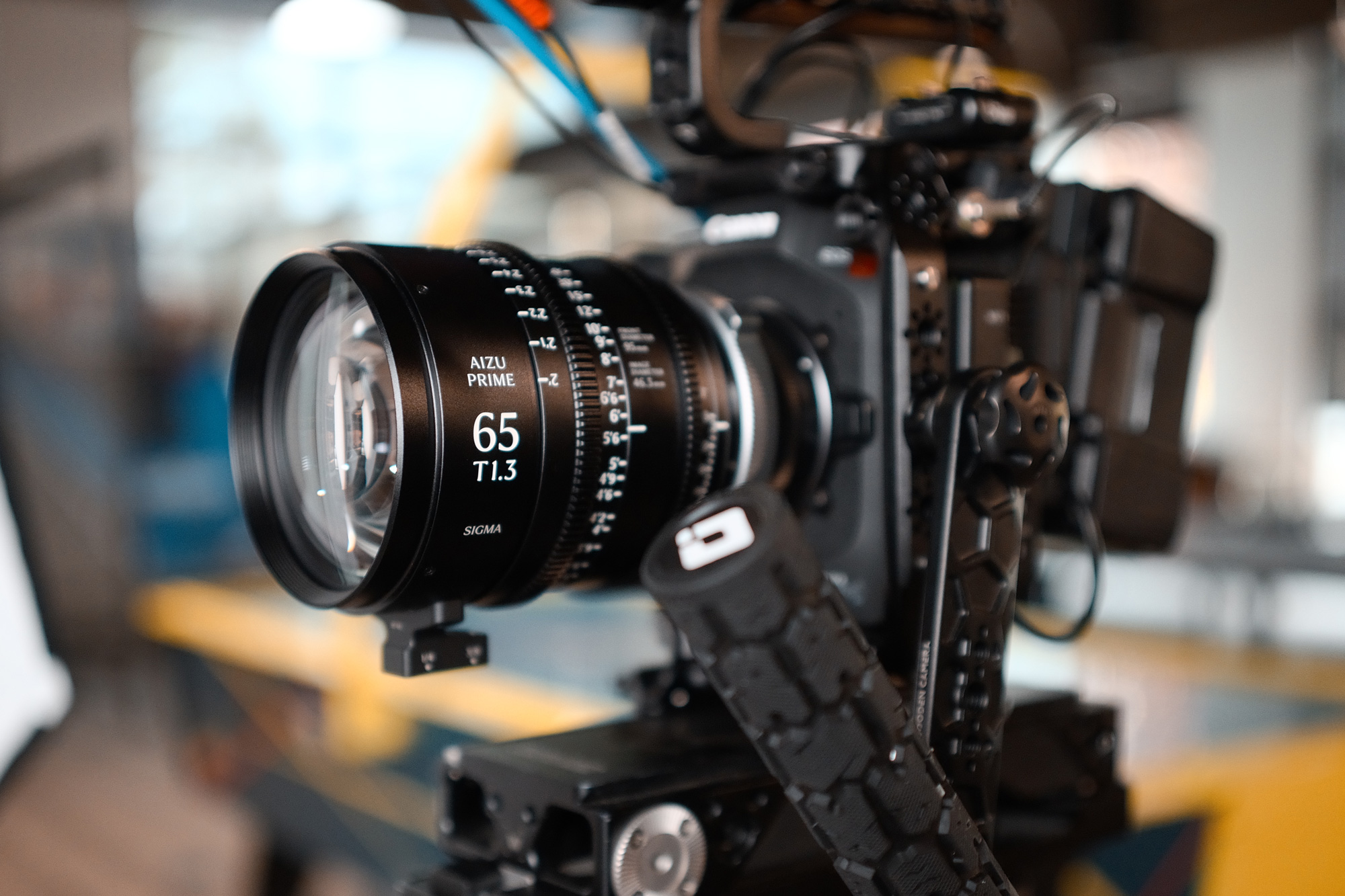
    Some quick specs: 95mm front diameter, 3.6 pounds average weight, 0.8 pitch gears (with a uniform placement from focal length to focal length) and a luminous paint job on all markings (helpful for dark sound stages) make these primes camera department approved. We can move fast when switching matte boxes and follow focuses, and that means a lot as camera teams everywhere have been asked to deliver more with less. I’m also happy that the set includes both a 27mm and a 32mm — two focal lengths that I’ve often wished more manufacturers embraced.

    These twelve lenses (8 at launch, 4 more coming in 2026) are the world’s first T1.3 primes covering large-format camera sensors (especially Alexa Mini LF in Open Gate). But being first for the sake of being first means nothing if the lenses don’t perform optically. And, perform they do.

    I was lucky enough to receive a few Aizu focal lengths for testing on a recent shoot for NBC’s Wild Kingdom as well as a commercial shoot, and I immediately threw them into the mix. There is indeed an organic feel to their look, but it is the three-dimensional nature of their look that first stood out to me. Lens nerds of all kinds call this feel different things — for example, this look could be called “pop” or “separation” too.

    In short, there is a beautiful three-dimensional feel that separates the in-focus foreground subject and the background. I love it, and it’s one of my favorite things about the Aizu Primes. Pair that with a modern and flattering level of sharpness that your on-camera talent will love, and you have a look that isn’t too aggressive but sharp enough to bring out the details in any situation.

    The close focus performance with this set is also extraordinary, with the 25mm close focus landing at just 1 foot (31cm), for example. That’s not measured from the front of the lens — that’s 1 foot from the sensor of the camera. This simply means you are reaching for your macro lens less.

    With the Aizu Primes, there can be some subtle flare from light sources, but that too isn’t overwhelming. If you want a flare in your scene you can make it happen, but you don’t need to be afraid that every light source will lead to a flare that may distract from the performance of your subject. The flare handling is a great balance.

    Oftentimes, we associate different looks with different genres (for better or for worse) — for example, the current in-vogue look in true crime tends to be cooler, darker and sharper. Rom Coms tend to be more warm and saturated. The Sigma Aizu Primes work in both worlds and a wide spectrum in between, and that also means, for me, they are safer choices to own. Simply put, they work in more circumstances and thus the investment makes more sense to me as an owner/op or from a rental house perspective.

    The Zeiss eXtended Data port based on Cooke’s i/Technology protocol also future proofs the Aizu Prime line for owners and users. You may or may not work with post VFX teams currently, but the post team will love access to lens characteristics data to help their environments feel more real. All you need is a 4-pin LEMO cable going from the lens to your favorite camera body with a compatible port. Again, you may not need it on every project, but you’ll be surprised how quickly this functionality becomes “mandatory” for a variety of different departments.

    We don’t talk about this enough, but I also know that Sigma has my back from a service perspective. Having worked in military planes and even on the side of F1 tracks in Austria, I know that stuff happens and there is a level of comfort knowing that if I need a repair I can make that happen quickly and keep on filming.

    The Aizu Prime line of lenses checks a lot of boxes for cinematographers, especially those who want consistency and unwavering quality. Of course, if you’re looking for more versatility, Sigma’s upcoming AF Cine Line — which includes the aforementioned 28-45mm and 28-105mm lenses, revamped for cine applications — is going to be another impressive addition. As an avid E-mount user, I’m going to keep my eyes open for more news there.

    It isn’t lost on me that there is a lot of choice in the cinema lens market. For me, beyond the gorgeous look of the Aizu Primes, it comes down to trust. Having worked with Sigma lenses for years now, I know I can take these new lenses into the snow, jungle and desert with confidence.

    [ad_2]

    Source link