برچسب: Ann

  • Sigma Cine Lenses Capture Historical Drama and Modern Musical Spirit in “The Testament of Ann Lee”

    Sigma Cine Lenses Capture Historical Drama and Modern Musical Spirit in “The Testament of Ann Lee”

    [ad_1]

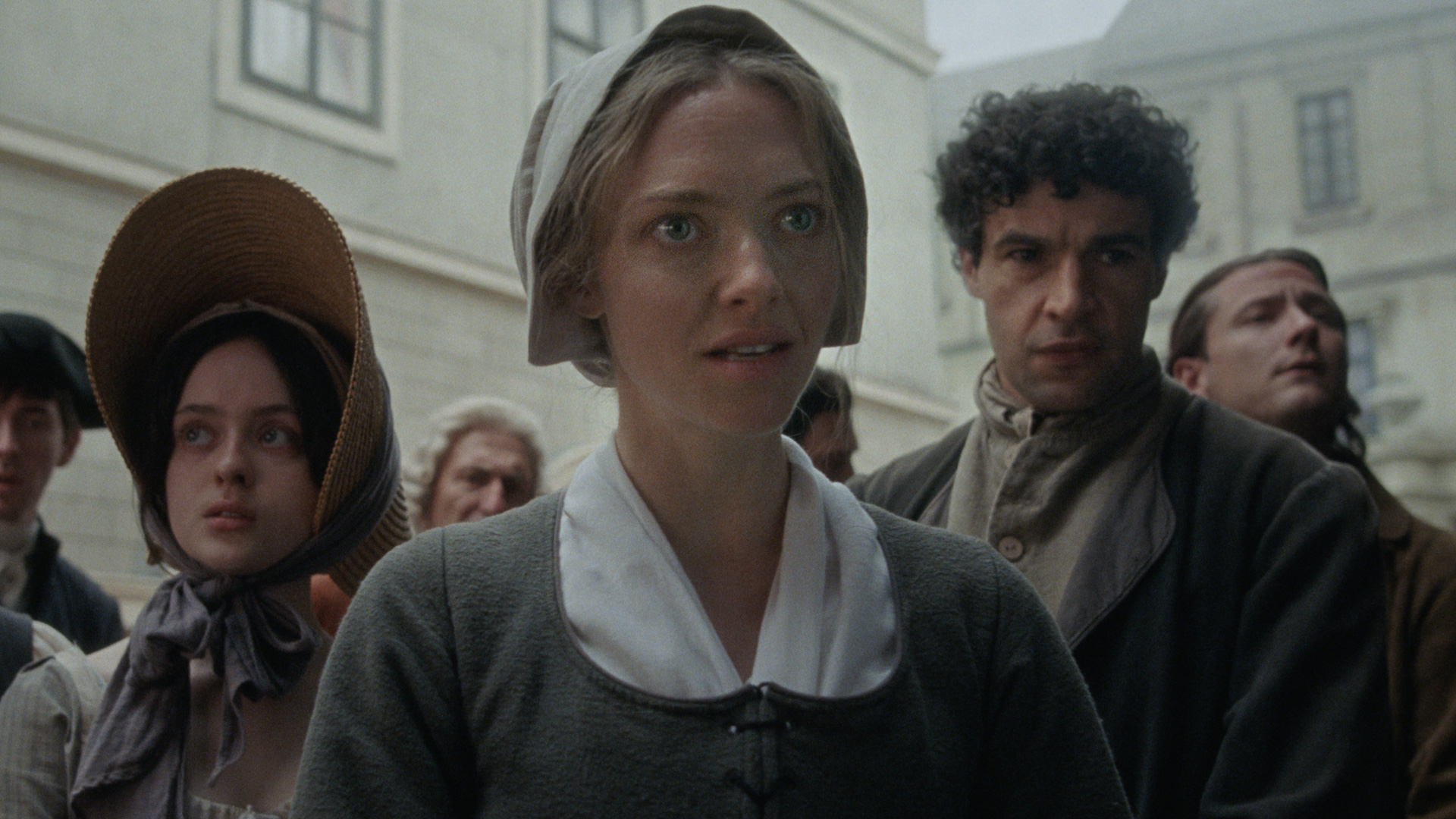
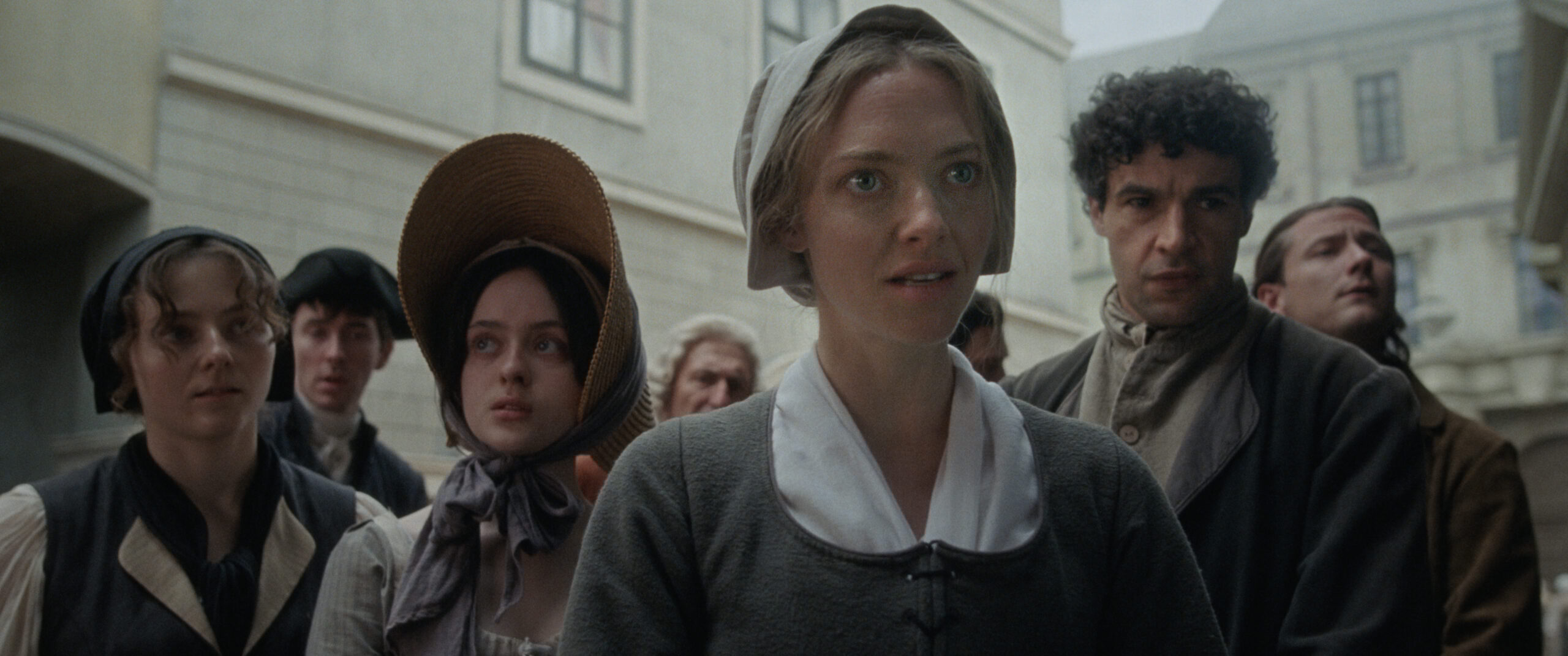
    Hollywood is rarely short of ambitious ideas, and the historical drama / full-fledged musical The Testament of Ann Lee, starring Amanda Seyfried, is one of the latest to roar past “passion project” and into the mainstream. Telling the story of Ann Lee, the founding leader of the 18th-century Shaker movement, the film blends gritty period piece with lavish choreography, with visuals led by Director of Photography William Rexer.

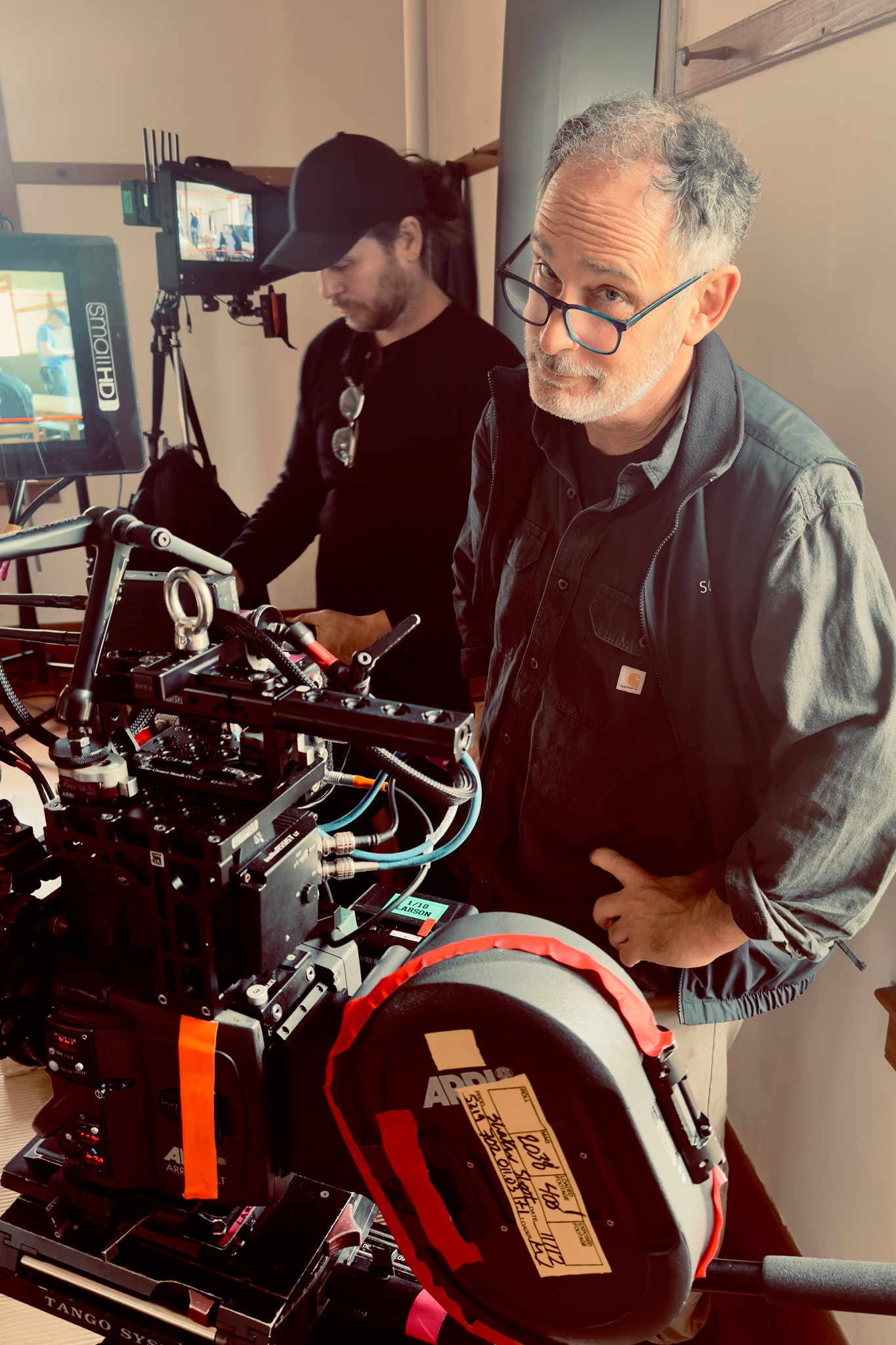
    Rexer frequently uses Sigma Cine lenses in his work, and The Testament of Ann Lee was no exception. We caught up with Will after the film made its debut at the Venice Film Festival in September 2025 to learn more.


    Q&A with Director of Photography William Rexer

    Sigma:

    Did you shoot with only the T1.5 High Speed Prime lenses, or were you able to use the new T1.3 Aizu Prime lenses at all? Any focal lengths in particular?

    Rexer:

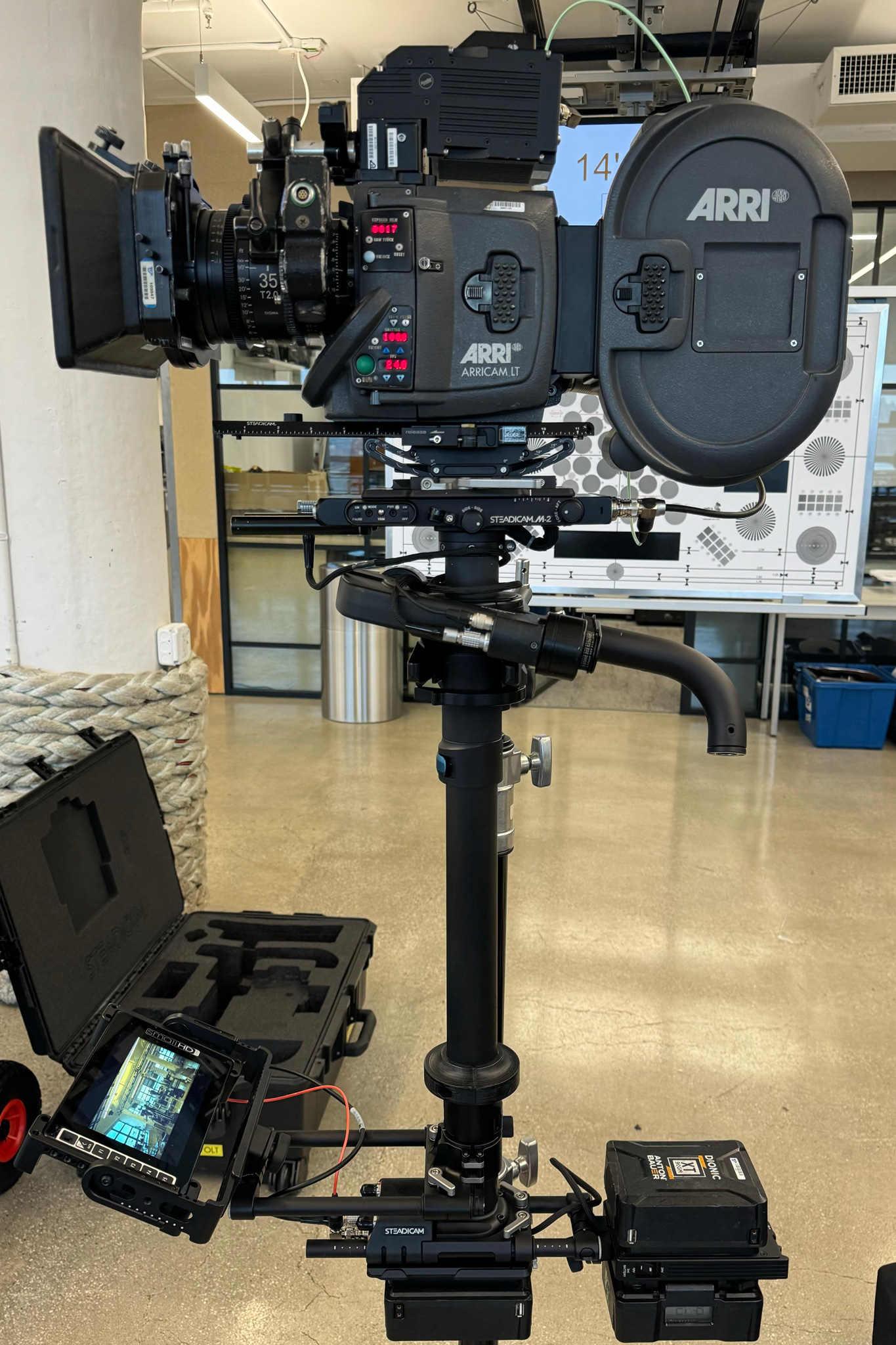
    We primarily used the T1.5 primes and the Classics occasionally for their flares. The 28mm, 40mm and 65mm were our go-to lenses. The Aizu Primes came out after we were finished with principal photography, but we used them for two scenes and flashbacks. We used the 27mm, 32mm, and the gorgeous 75mm.
    Sigma:

    Were there any specific artistic or logistical reasons for choosing your camera and lens combination?

    Rexer:

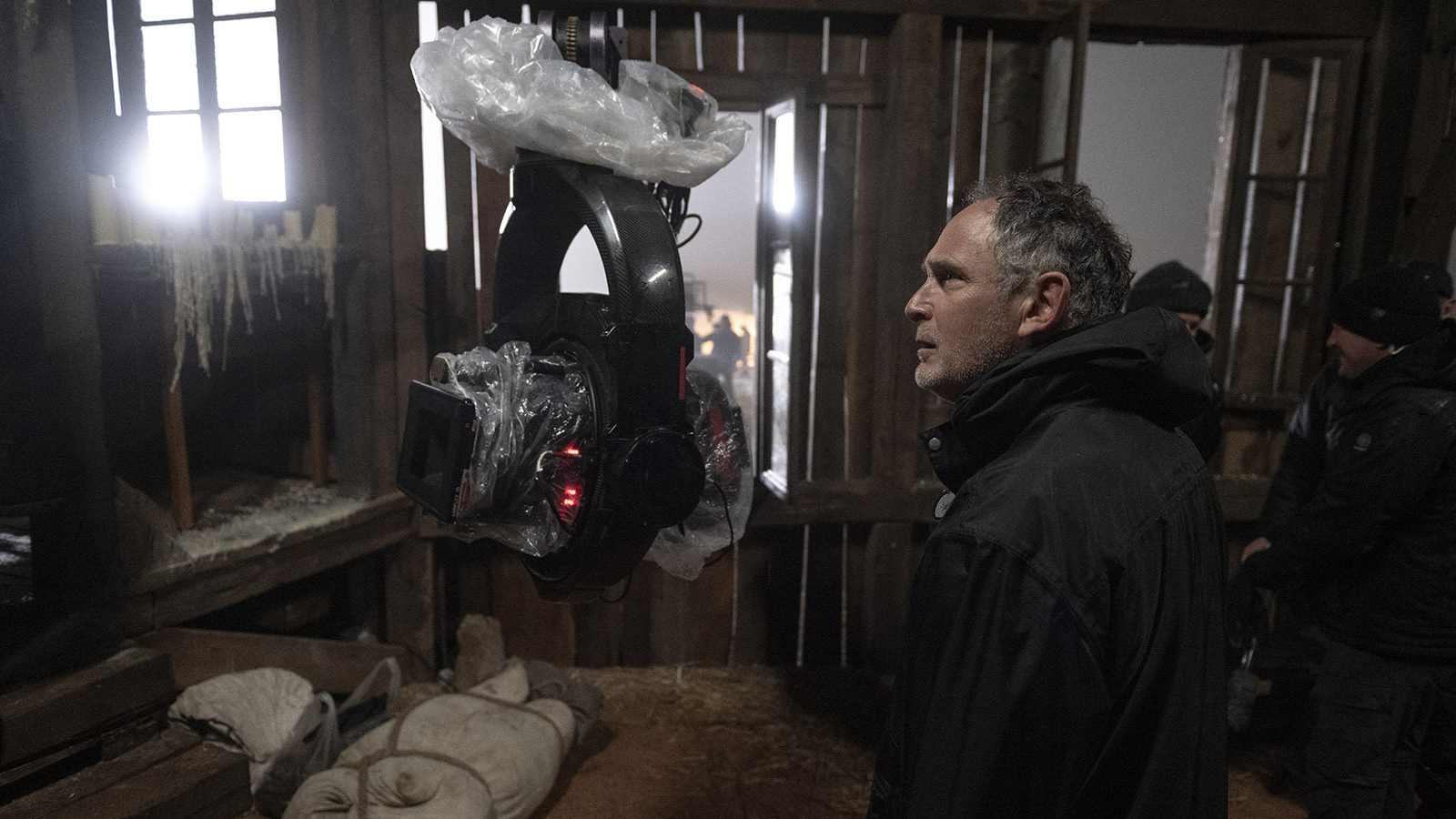
    We tested eight sets of lenses, all spherical. One consideration was how much candlelight we would be using, and the desire for a consistent, pleasing bokeh. Some of the other lenses tested created inconsistent bokeh or star patterns with our candles in the frame. Other considerations included separation, chromatic aberration, consistency through the set regarding color, speed (we were shooting in very low light situations) and size. The film has a lot of dance and handheld camera work. In a blind test, shooting our cast in various situations, the Sigmas won. Director Mona Fastvold and I picked them, and it was a very clear choice.
    Sigma:

    Can you share your overall experience working on the film and how you felt the Sigma lenses performed?

    Rexer:

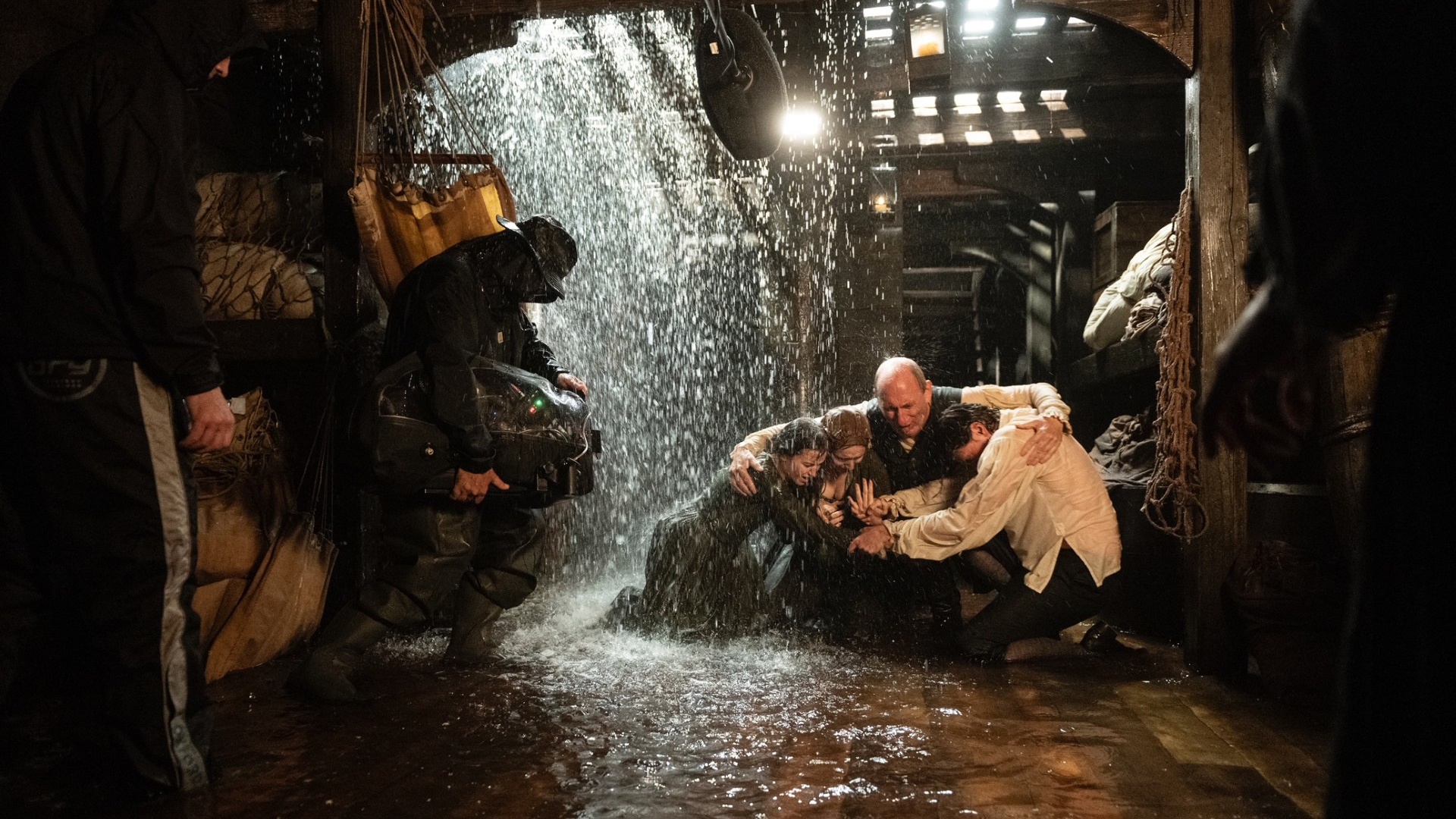
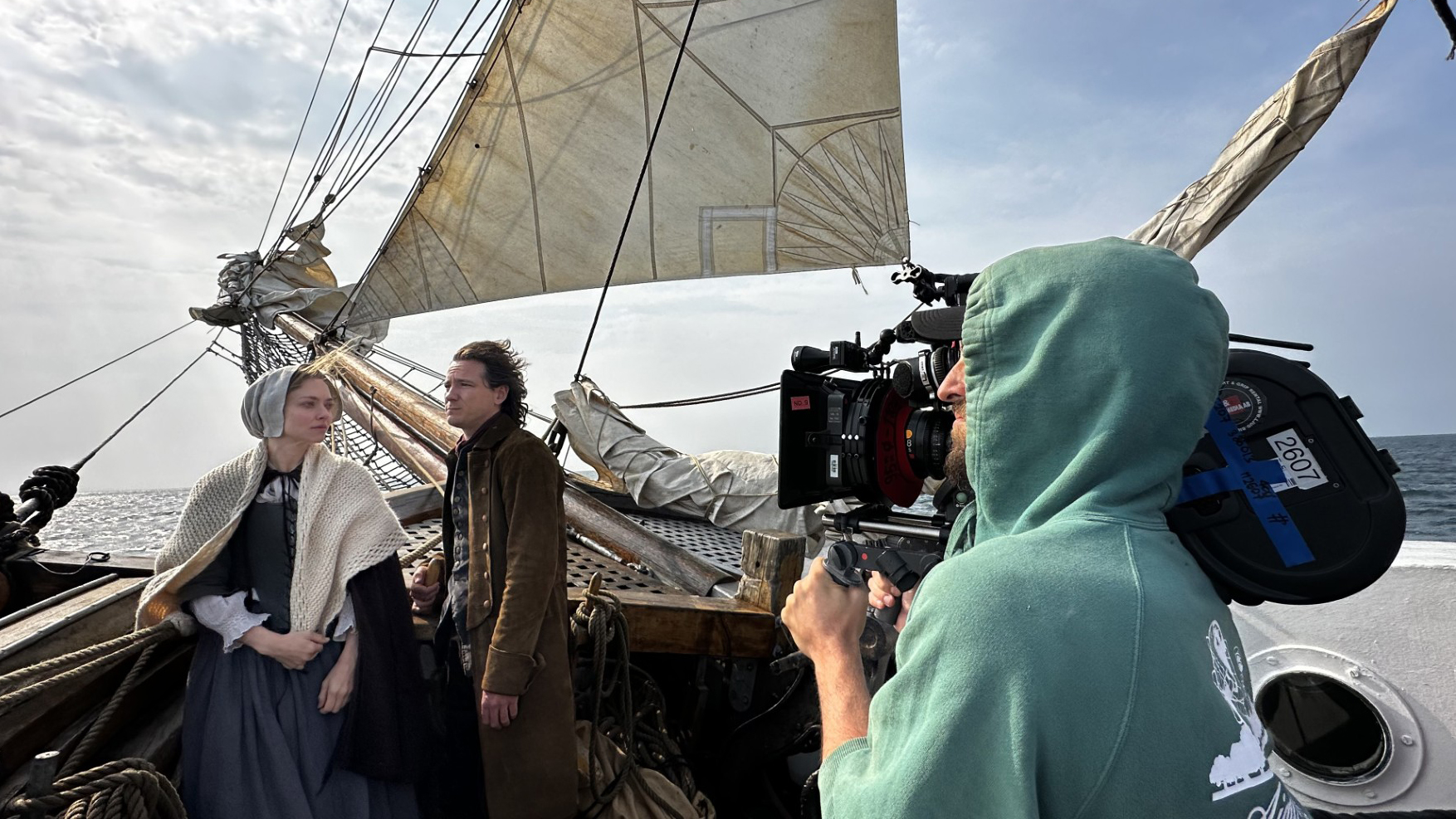
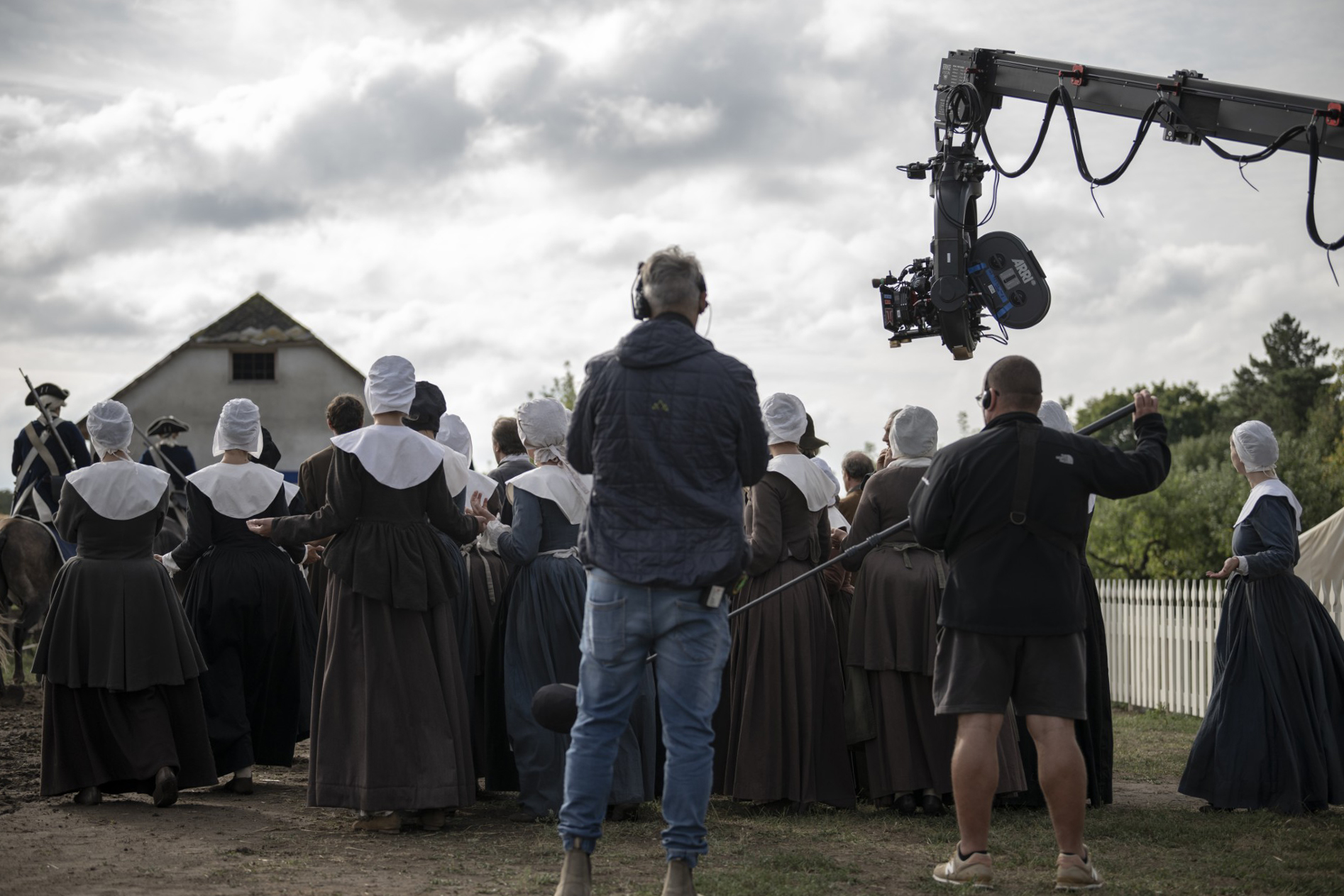
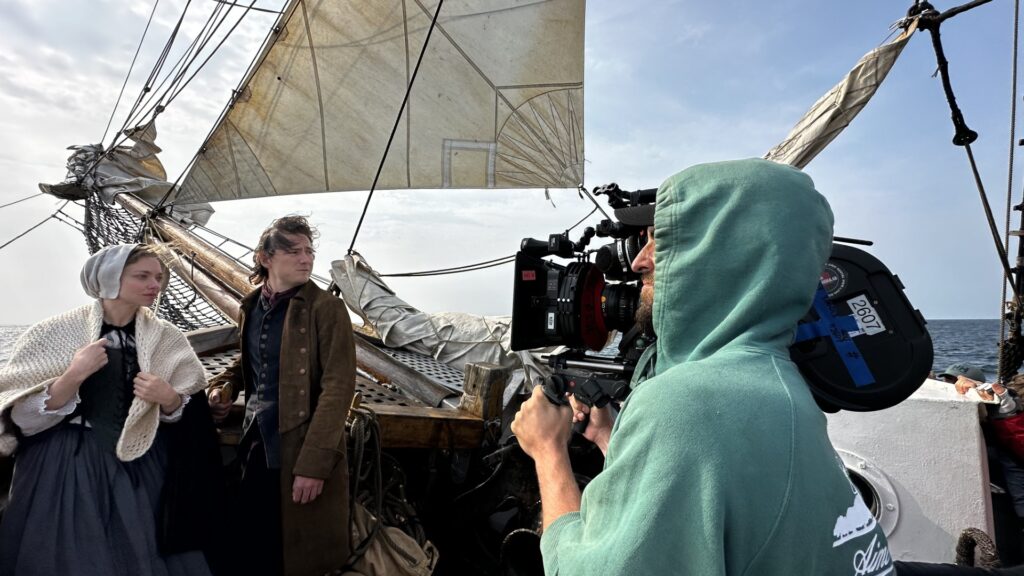
    The lenses performed beautifully. We shot in tough conditions, on ships at sea in Sweden, in the heat and dust of an unusually warm Hungarian summer, and in rain and snow. These lenses were chosen because they look great, but they also held up. Functionality is important. I have used my Sigma Cine set on multiple films and series, and have found them incredibly reliable. They have not let me down yet.
    Sigma:

    Is there any moment or scene in the film that you are particularly proud of, or you would like audiences to notice or special attention to?

    Rexer:

    The film has many moments that I am proud of. We wanted to stay away from the ordinary, and we ask the audience to come on this journey. Caravaggio was our reference. The old masters were our inspiration.
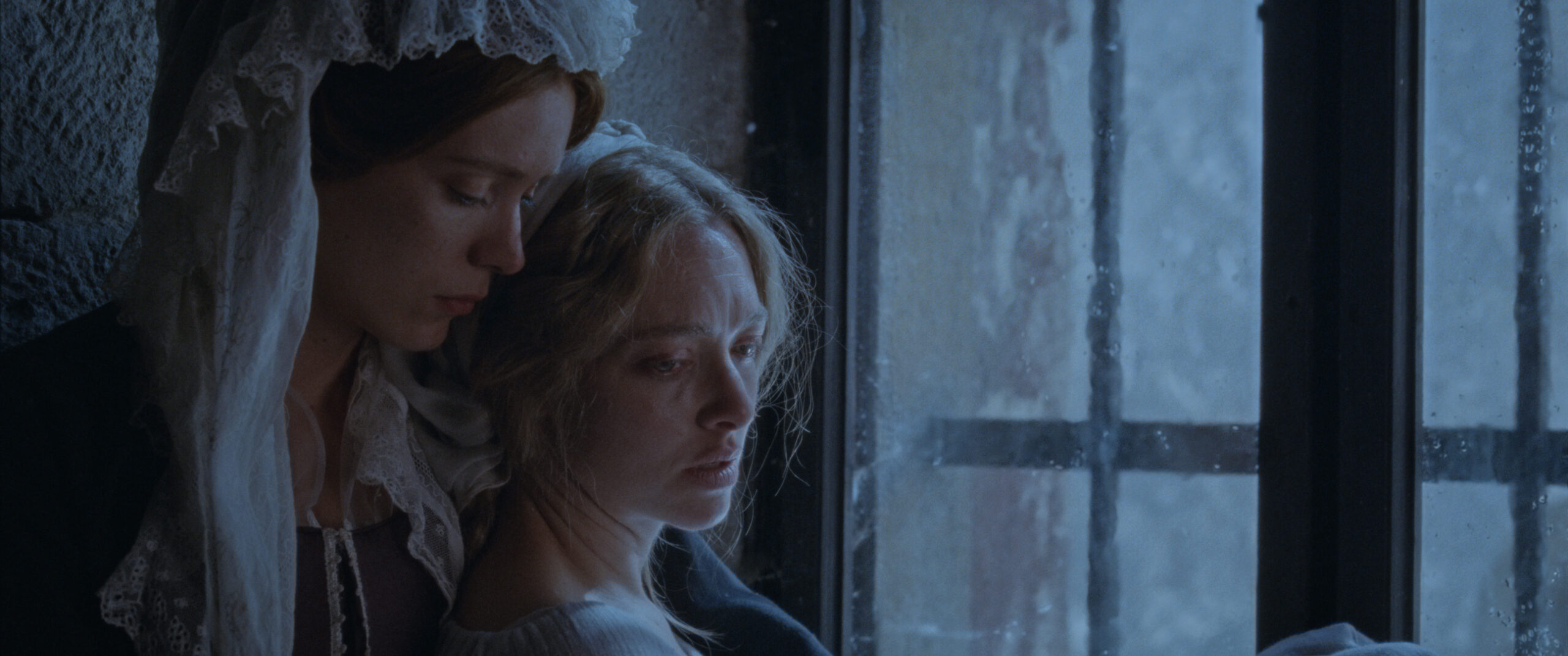
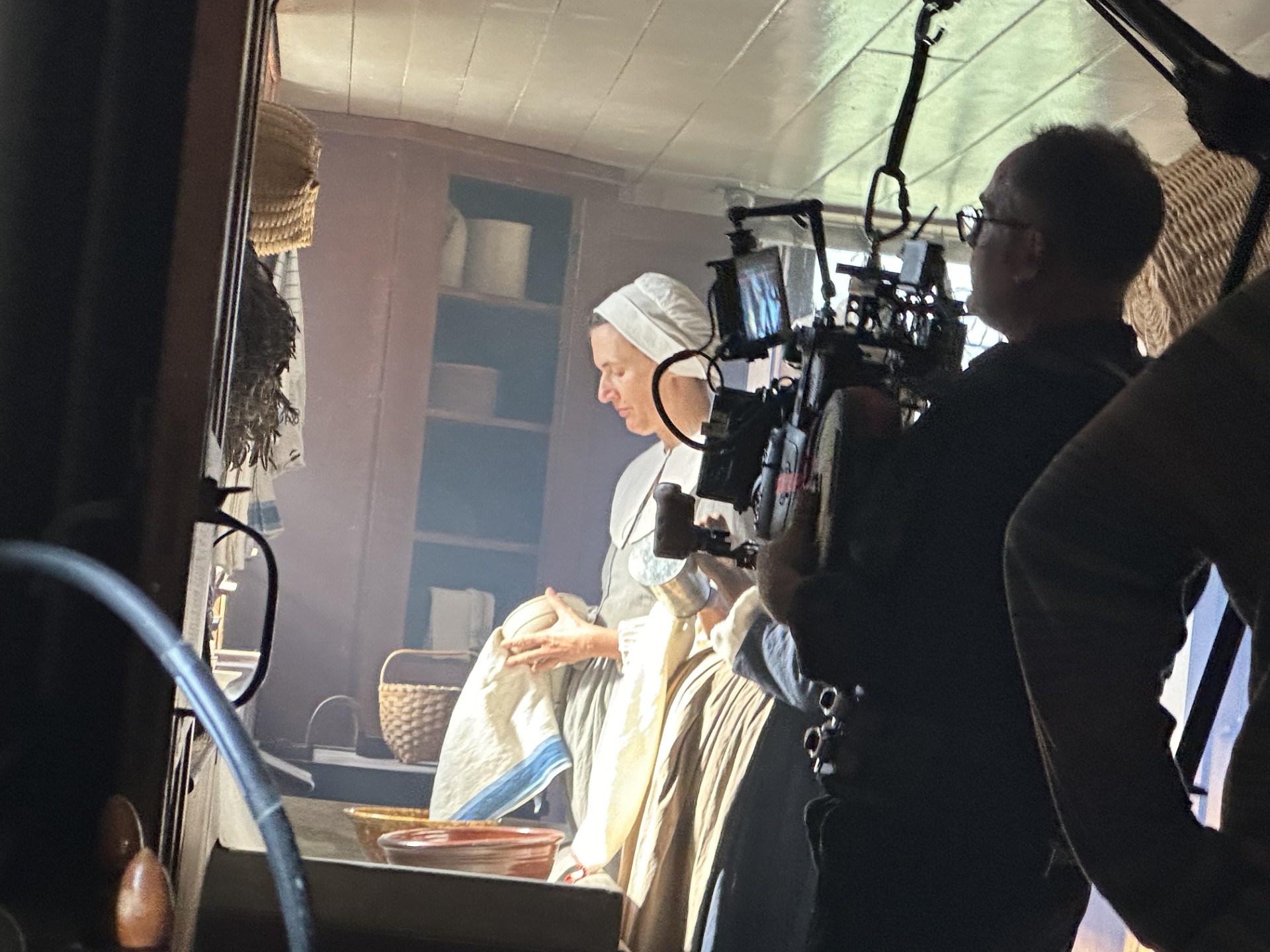
    The sequence leading up to and including the song “Hunger and Thirst” is a moment I am extremely proud of. Amanda is in a dark prison cell and the sun slowly rises, striking the ground and eventually her. The scene plays with darkness and shadow and lens flares demonstrating the ability of these lenses to retain contrast and character in very extreme lighting conditions. Sam Ellison, my A-operator and second Unit DP, did an extraordinary work in this sequence; it’s an intimate dance he does with Amanda Seyfried, discovering each gesture for the audience. Daniel’s score, Sam Bader’s set, both perfect. It’s beautiful.
    Sigma:

    What is something you hope people take away from your work on this film?

    Rexer:

    I love what I do. I love working with talented directors and going all out. Mona Fastvold is truly special. Daniel Blumberg, our composer, is a genius; Celia Rowlson-Hall’s choreography is stunning; Amanda is one of a kind. Making a film is making yourself incredibly vulnerable. We, as a team, made a decision to shoot on film, to light environmentally, to use daylight and candles as our main sources (or justification for lighting) and to keep a small crew that could work collaboratively. Mona created an artistic family and we, like the Shakers, worked because we were inspired. This was a unique experience.

    I hope people get transported. I did not want this film to look like what people see everyday. My goal was to give them something very old and at the same time new.

    The Testament of Ann Lee

    Director: Mona Fastvold
    Producers include: Mona Fastvold, Brady Corbet, Andrew Morrison
    DP: William Rexer, ASC
    A operator/2nd Unit DP: Sam Ellison
    AC: György Horváth

    [ad_2]

    Source link
  • Ann Hermes – A Photo Editor

    [ad_1]

    The Art of the Personal Project is a crucial element to let potential buyers see how you think creatively on your own.  I am drawn to personal projects that have an interesting vision or that show something I have never seen before.  In this thread, I’ll include a link to each personal project with the artist statement so you can see more of the project. Please note: This thread is not affiliated with any company; I’m just featuring projects that I find.  Please DO NOT send me your work.  I do not take submissions.


    Today’s featured artist:  Ann Hermes

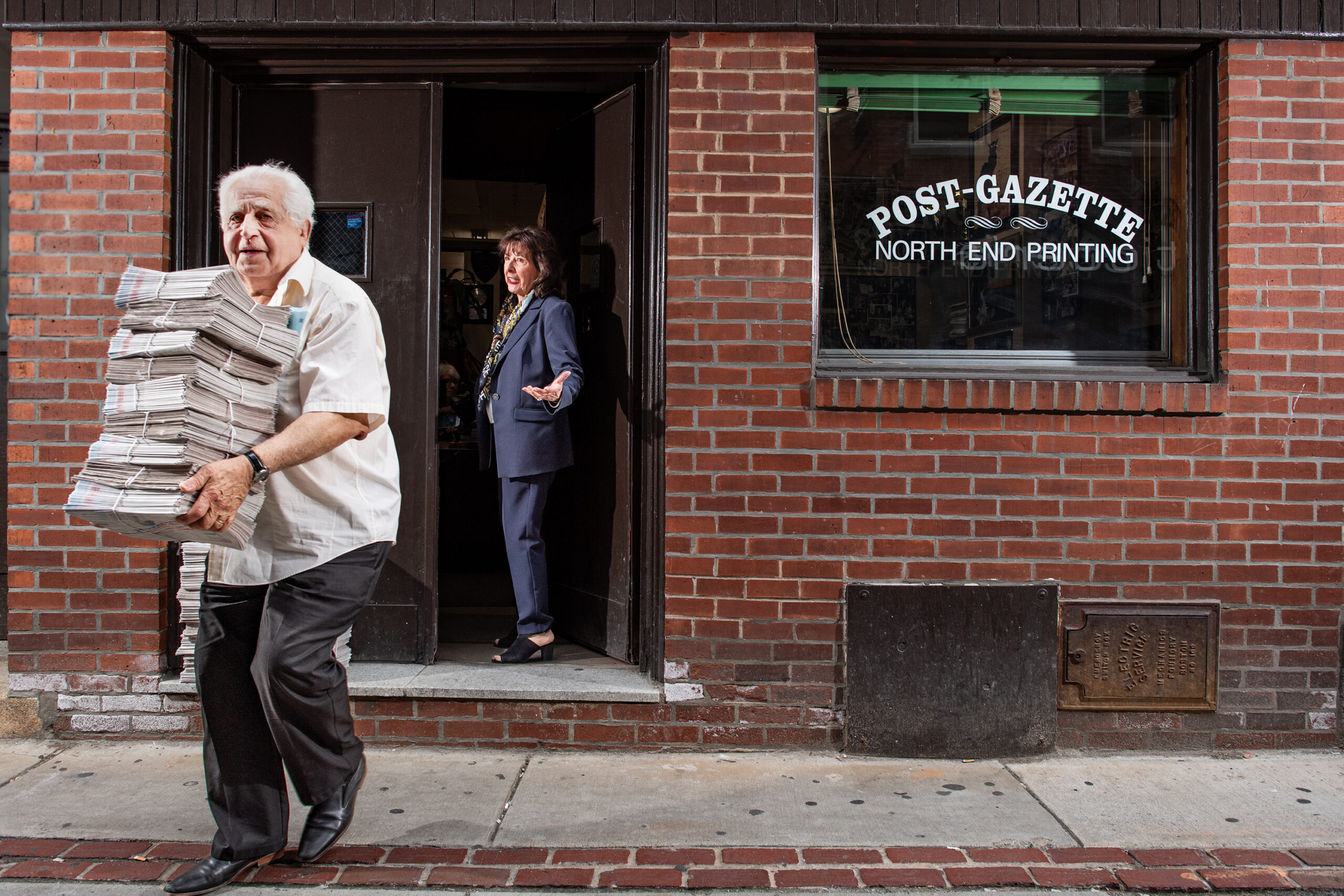
    For the past six years I’ve photographed local newsrooms from Alaska to Florida, documenting the dedicated but dwindling local news landscape. As a photographer with over 15 years of experience in newsrooms, I have a great deal of respect for the institutions that bring small communities the news.

    An average of two newspapers shut down every week. In the wake of these closures many communities become news deserts. In their place is an information landscape of nationalized, and increasingly partisan, news that is ripe for misinformation. Studies now show that local government spending goes up, voter participation declines and cities often lose their bond rating after the loss of a local newspaper. Local Newsrooms needs to convey these insidious and largely unseen impacts.

    With a growing catalog of images, video and interviews, I’m working to create a visual story of regional and national relevance. I plan to display some of this work in small town libraries, and similar spaces to make local newsrooms more visible in their neighborhoods. My goal is to use this work to engage communities in the search of and support for trusted local news while at the same time raising the importance of this issue to a national audience that may not have fully realized what has already been lost, and what is at stake.

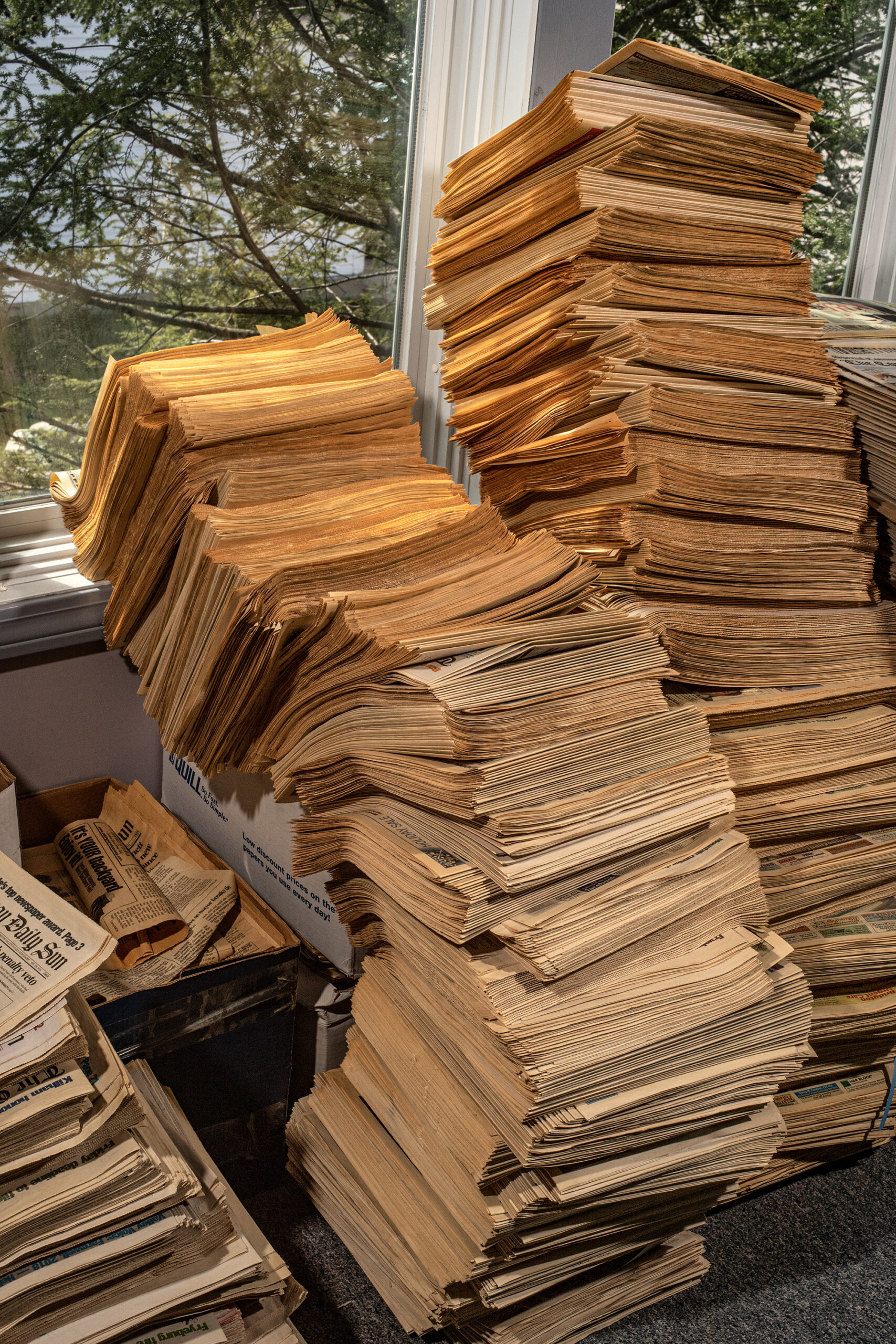
    The Conway Daily Sun newspaper morgue in Conway, New Hampshire on April 21, 2023. The free newspaper was founded in 1989. The printing press connected to the newsroom ceased printing in 2023.
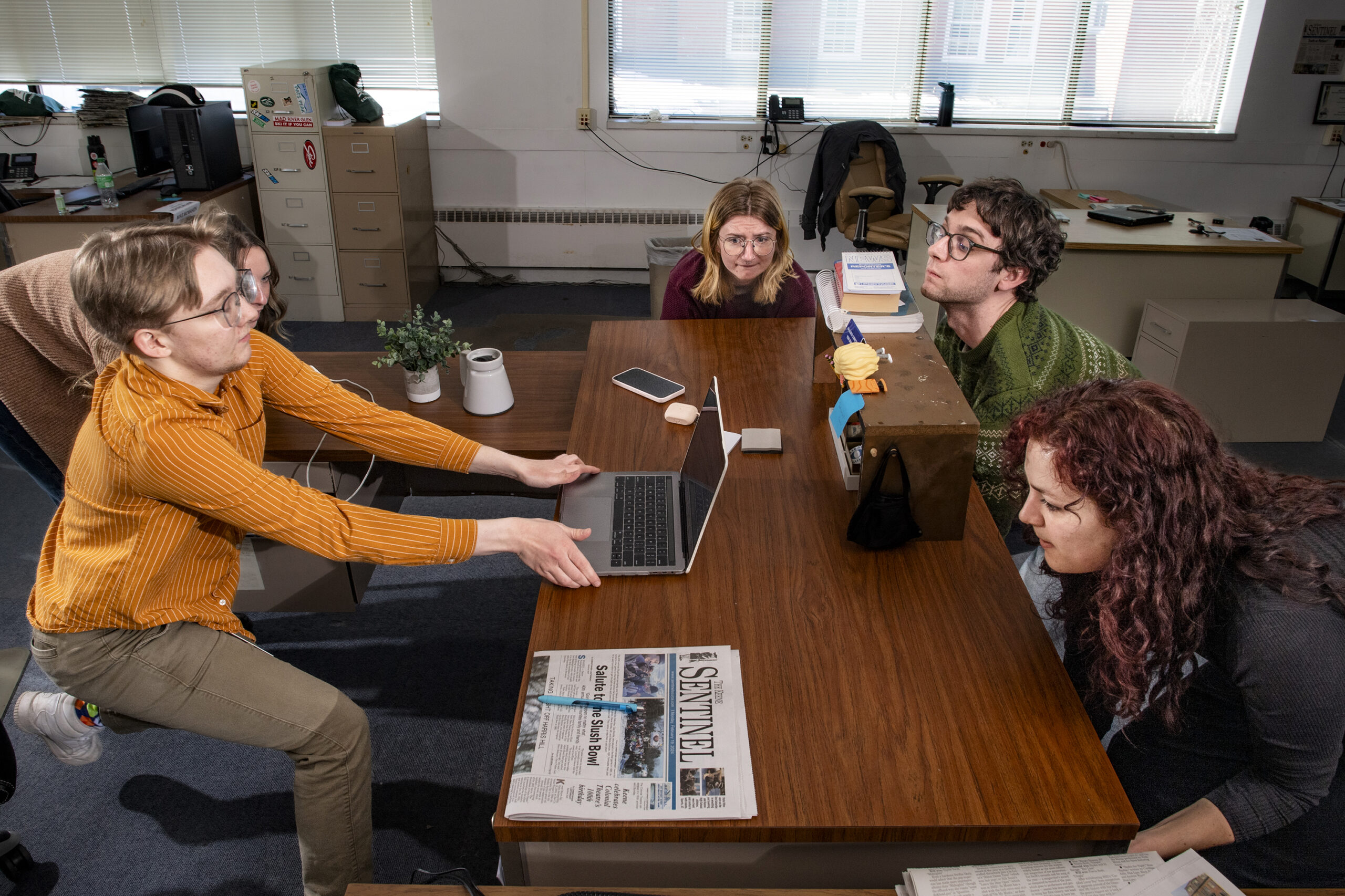
    From left, digital community engagement journalist, James Rinker grabs a laptop as education and environment reporter, Jamie Browder, public safety and criminal reporter, Christopher Cartwright, and visual journalist, Hannah Schroeder move desks in The Keene Sentinel newsroom on February 19, 2024 in Keene, New Hampshire.  © Ann Hermes 2024
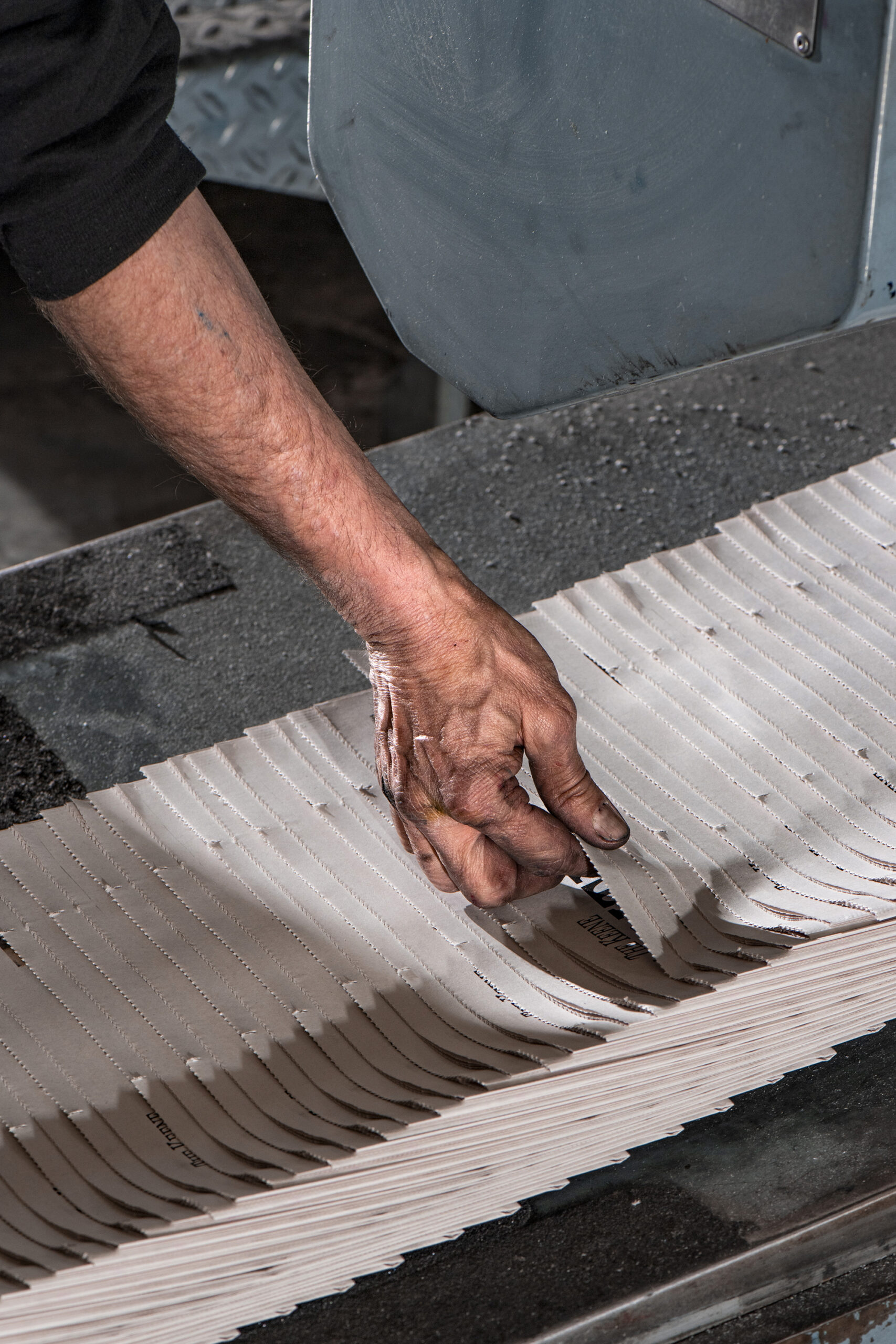
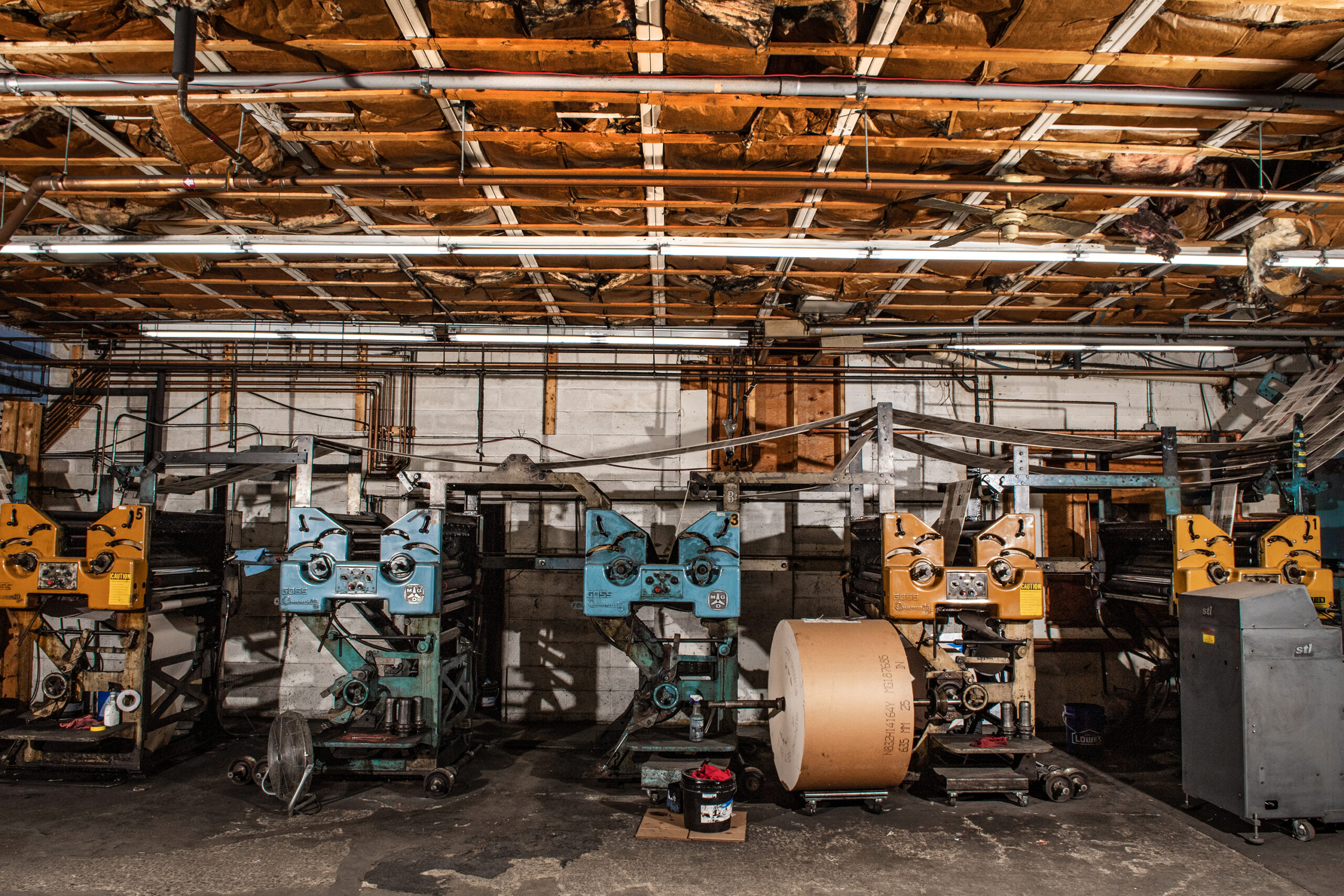
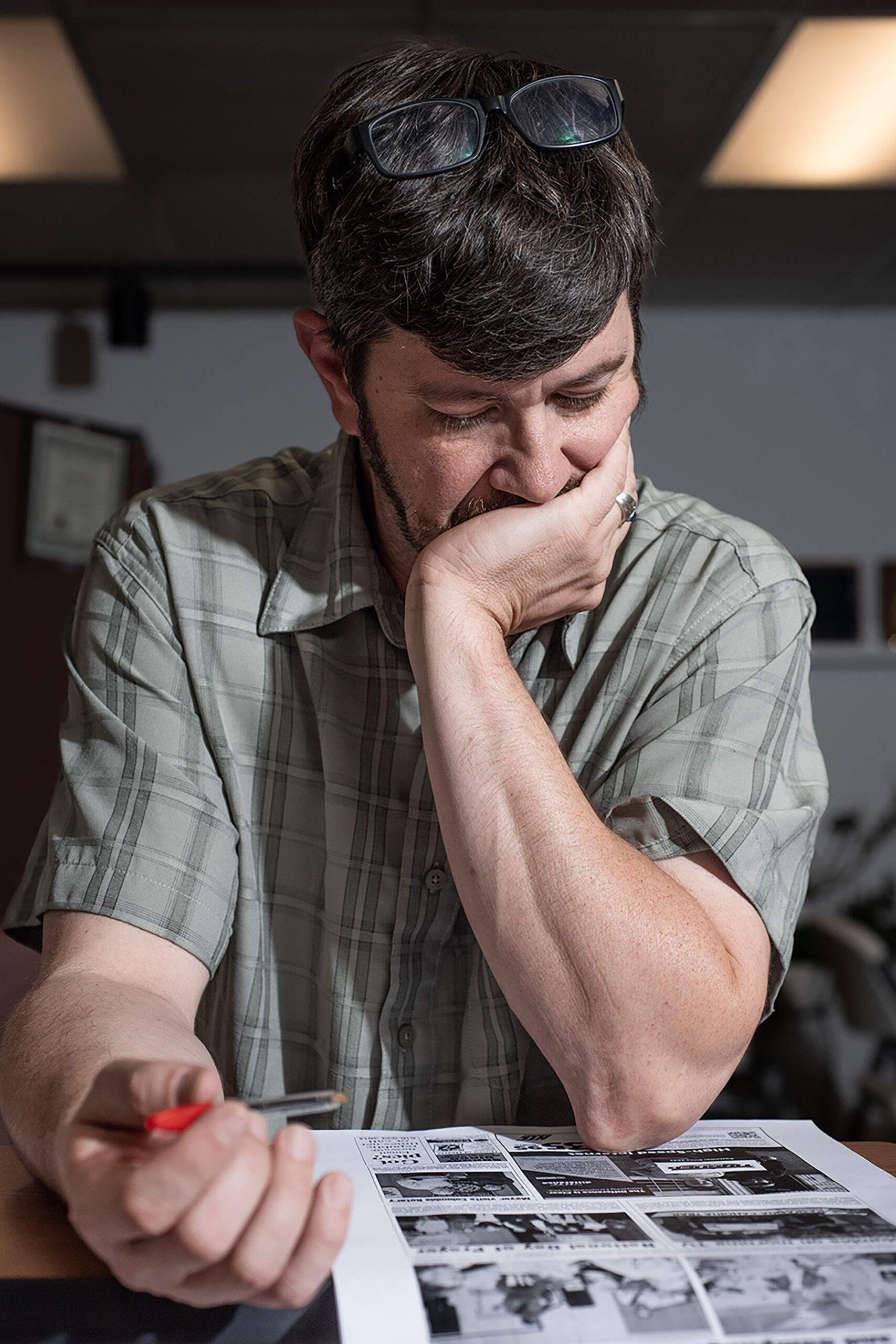
    Printing press operator, Cameron Blum, runs the printing press for an edition of The Keene Sentinel on February 19, 2024 in Keene, New Hampshire. The Keene Sentinel has one of only a few printing presses in operation in New Hampshire.  © Ann Hermes 2024

    The Conway Daily Sun newspaper morgue in Conway, New Hampshire on April 21, 2023. The free newspaper was founded in 1989. The printing press connected to the newsroom ceased printing in 2023.

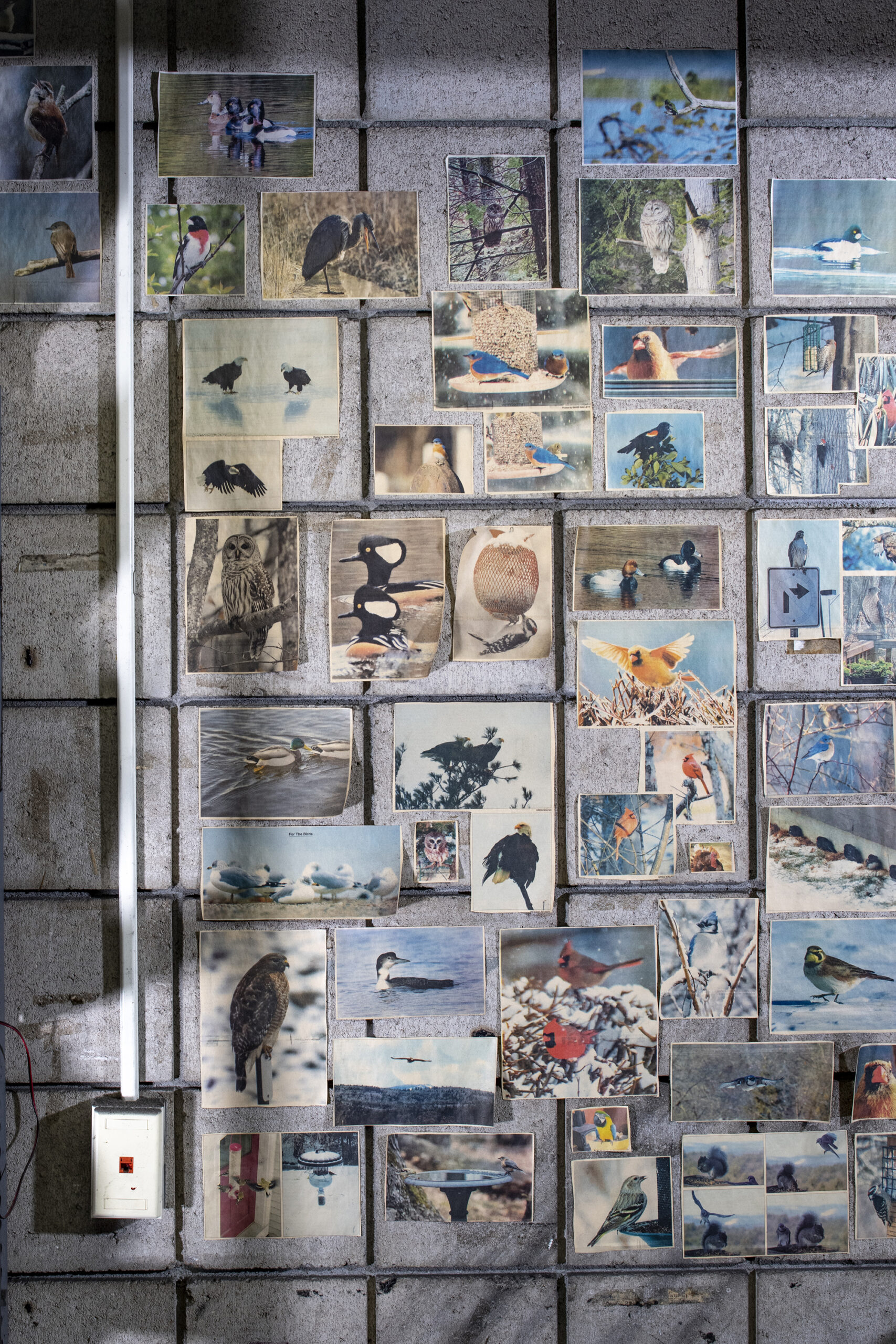
    Clippings of bird photos line the walls of the printing press room at The Keene Sentinel on February 19, 2024 in Keene, New Hampshire. The printing press operators started the bird gallery. “That’s what we run. Every day there’s a bird picture. It started out as a joke, but now it’s an art project,” says Brian Ahern, who has operated the printing press for The Keene Sentinel for over 30 years.  © Ann Hermes 2024
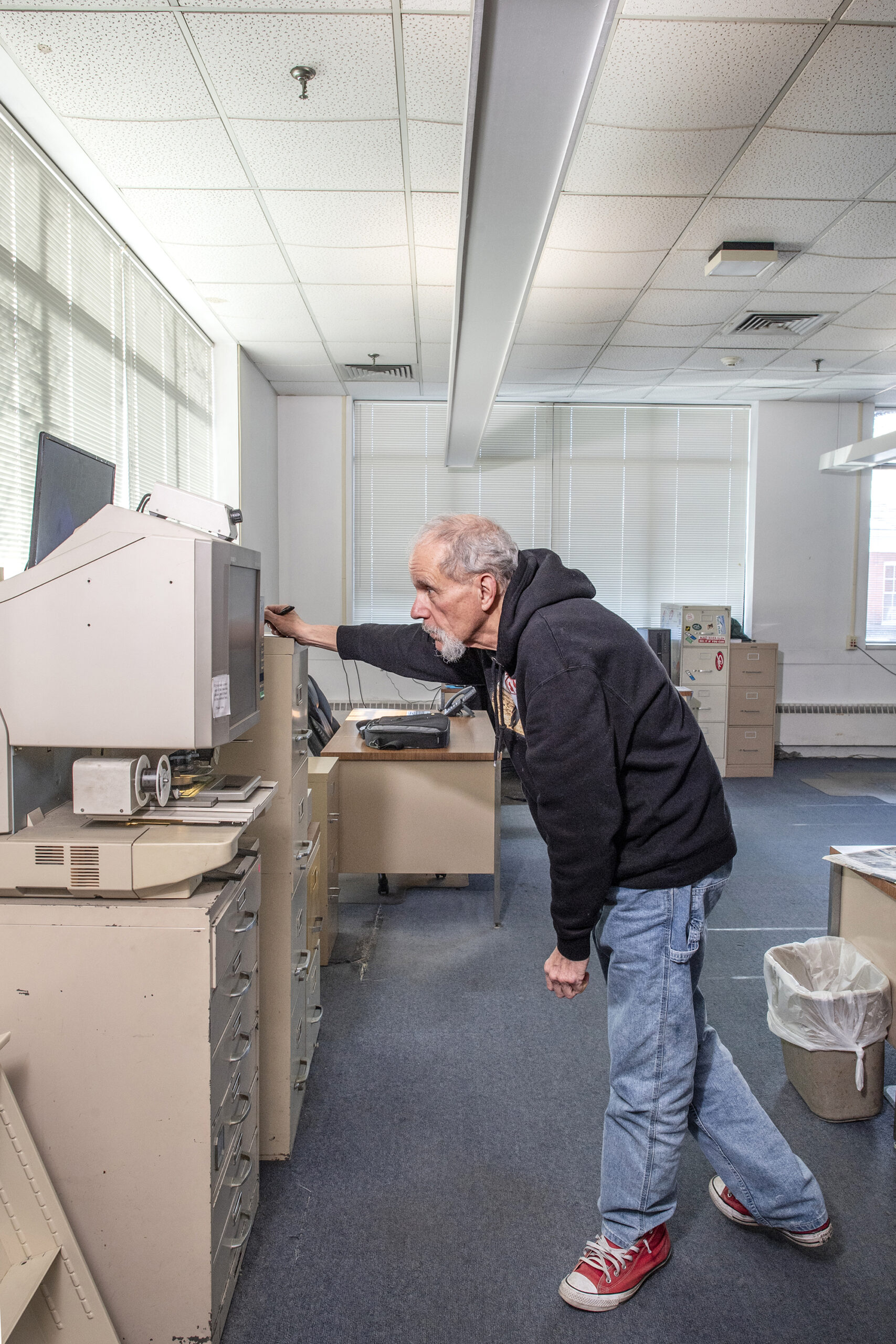
    Rick Clark, Keene Sentinel copy editor, looks through microfilm of the newspaper in the newsroom in Keene, New Hampshire on January 8, 2024. The paper was founded in 1799 as The New Hampshire Sentinel and an independently owned publication that runs six days a week.
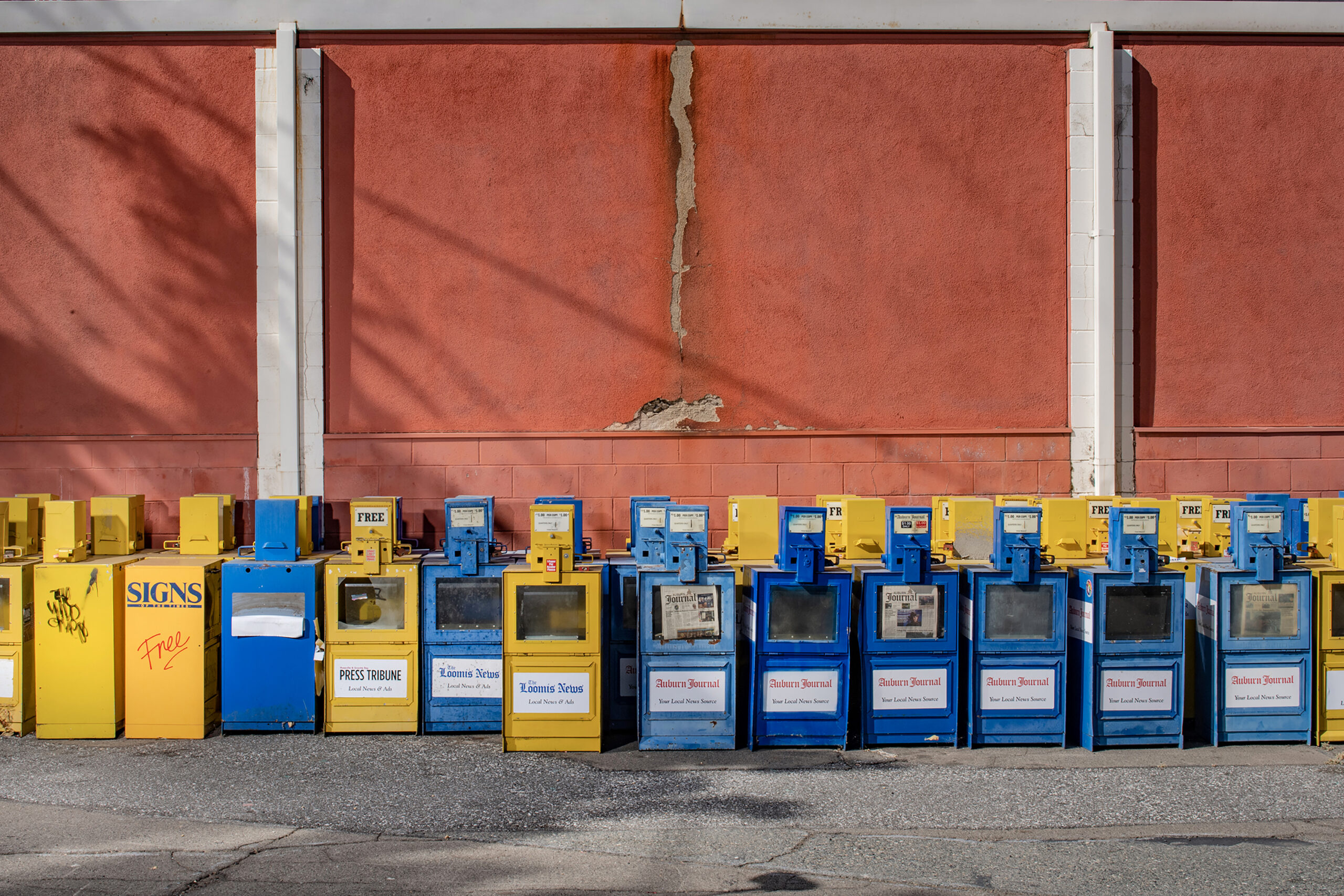
    Broken newspaper bins sit in the parking lot of The Auburn Journal on July 10, 2023 in Auburn, California, northeast of Sacramento. The newspaper was founded in 1872 and is owned by Gold Country Media. The Auburn Journal covers Placer County, near two news desert counties.

    To see more of this project, click here

    Instagram

    APE contributor Suzanne Sease currently works as a consultant for photographers and illustrators around the world.  She has been involved in the photography and illustration advertising and in-house corporate industry for decades.  After establishing the art-buying department at The Martin Agency, then working for Kaplan-Thaler, Capital One, Best Buy and numerous smaller agencies and companies, she decided to be a consultant in 1999.  Follow her on Instagram


    [ad_2]

    Source link